
Desserts
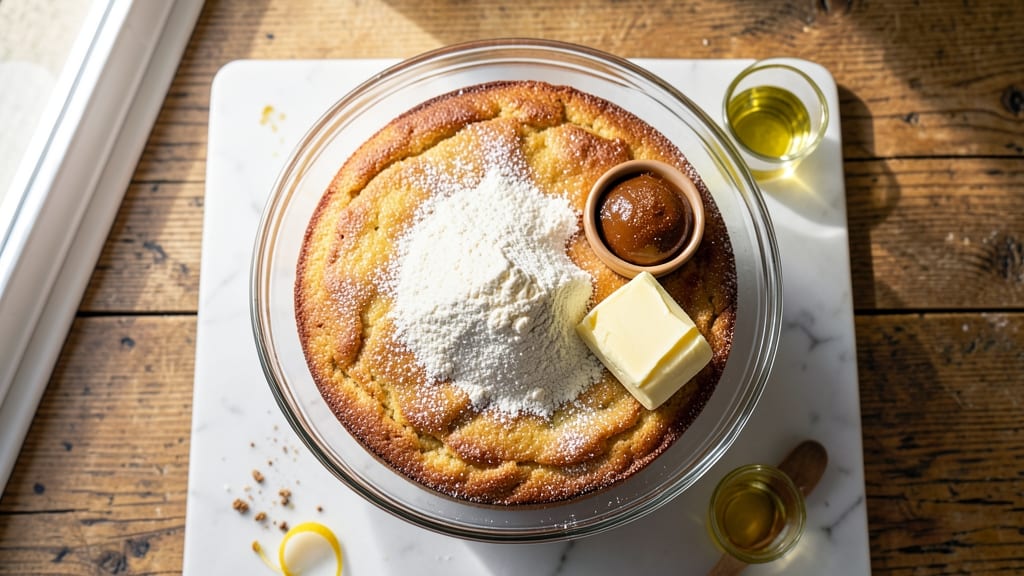
This baking soda and baking powder cake recipe unlocks the secret to fluffy rise and a moist crumb that defies dry, dense results. The magic happens when these two leavening agents work together—baking soda for quick lift, baking powder for structure—creating a texture so perfect it’ll have you questioning store-bought options. I’ve baked this recipe dozens of times, refining it to ensure every layer stays tender and every bite is light as air.
The key lies in precise ratios and technique: too much of either agent and your cake collapses; too little and it flattens. This recipe balances them perfectly, along with buttermilk for acidity and vegetable oil for moisture retention. The result? A cake that stays fresh-tasting for days, with a golden crust and a crumb so delicate it practically melts in your mouth.
What sets this apart is the foolproof method—no guesswork, no failed batches. We’ll cover mixing temperatures, proper folding techniques, and oven adjustments to guarantee a rise that’s high, even, and long-lasting. Even if you’ve burned cakes before, this recipe’s step-by-step approach ensures success the first time.
Perfect for birthdays, holidays, or just because, this cake adapts to flavors—vanilla, chocolate, or citrus—while maintaining its signature texture. Let’s get baking with confidence.
Ingredients for baking soda and baking powder in cake
Eight essential ingredients combine baking soda's quick lift with baking powder's structure for a cake that's light, moist, and foolproof.
| Ingredient | Amount | Notes |
|---|---|---|
| All-Purpose Flour 🌾 | 2 ½ cups | Sifted for optimal aeration |
| Granulated Sugar 🍚 | 1 ½ cups | White or light brown preferred |
| Baking Soda 🧂 | 1 ½ tsp | Aluminum-free for best results |
| Baking Powder 🧂 | 1 ½ tsp | Double-acting variety |
| Unsalted Butter 🧈 | 1 cup | Room temperature, cubed |
| Vegetable Oil 🫒 | ½ cup | Light or canola preferred |
| Buttermilk 🥛 | 1 cup | Fresh, not powdered |
| Large Eggs 🥚 | 2 whole | Room temperature, separated |
| Pure Vanilla Extract 🌿 | 2 tsp | Bottled, not imitation |
| Salt 🧂 | ½ tsp | Fine sea salt preferred |
| Diamond Crystal Kosher Salt 🧂 | ½ tsp | For final adjustment |
| Whole Milk 🥛 | ½ cup | For adjusting batter consistency |
The leavening agents are non-negotiable here. Bob's Red Mill baking powder and Arm & Hammer baking soda are my go-tos—they're reliable and consistent. For flour, King Arthur all-purpose is ideal, but any high-protein brand works. Butter must be room temperature—cold cubes won't cream properly, and melted butter creates dense cakes. The buttermilk's acidity activates the baking soda perfectly; if you don't have it, mix 1 tablespoon lemon juice or vinegar with 1 cup milk and let sit for 5 minutes. Eggs should be separated for the lightest texture, but whole eggs work in a pinch. Vanilla extract quality matters—McCormickLake Champlain are worth the investment.
No baking powder? Substitute 1.5 teaspoons cream of tartar plus 1.5 teaspoons baking soda for the same lift. Butter substitutes? Vegetable oil works 1:1, but the texture will be slightly denser. Powdered buttermilk is acceptable, but it lacks the tang that fresh buttermilk provides. For a chocolate version, replace 0.5 cup sugar with Dutch-process cocoa powder. Need extra moisture? Add an additional 0.25 cup milk or applesauce. The salt is crucial—don't skip it, even if your recipe calls for salted butter. And if your eggs are cold, warm them gently in warm water for 5 minutes before separating.
Store leftover batter in an airtight container in the fridge for up to 24 hours—it actually improves as it rests. Baked cakes keep at room temperature for 3 days or in the fridge for 1 week. For longer storage, freeze slices wrapped in plastic for up to 3 months. The secret to reheating? Wrap cooled slices in a damp paper towel and microwave for 10-15 seconds—restores that fresh-baked texture. And if your cake sinks slightly? Don't panic—it's still delicious. Just bake it 2-3 minutes longer next time.
Why You'll Love This Recipe
- Here’s what sold me: that first bite of tender crumb with a whisper of vanilla (even if you skip it) and the perfect balance of sweetness from the sugar. The butter keeps it rich but never heavy—like a hug in cake form.
- Pantry Staples Only: I swear by this recipe because it uses what’s already in my cupboard—no specialty ingredients or last-minute grocery runs. That creamy butter and sugar combo? Just melt and mix, then let the baking soda and powder do their magic for a light, airy texture without fuss.
- Buttery Sweet Magic: Here’s what sold me: that first bite of tender crumb with a whisper of vanilla (even if you skip it) and the perfect balance of sweetness from the sugar. The butter keeps it rich but never heavy—like a hug in cake form.
- Weeknight or Celebration: Between us, this is my go-to for both lazy Sundays and birthday parties. Double the batter, freeze half, and you’ve got a ready-to-bake backup. (Yes, even on a Tuesday night when you’re craving cake but don’t want to bake.)
Step-by-step instructions for perfectly balanced cake
This method ensures a tender crumb and reliable rise every time—no guesswork involved.
Combine Dry Ingredients for Even Distribution
In a medium bowl, whisk together the 2.5 cups all-purpose flour, 1.5 tsp baking soda, 1.5 tsp baking powder, 0.5 tsp salt, and 0.5 tsp Diamond Crystal kosher salt. Sift the mixture through a fine-mesh sieve directly into the bowl to aerate the flour and prevent dense pockets. This step is critical—uneven distribution of leavening agents can lead to flat spots or uneven rising.
I like to press down gently on the sifted mixture with my fingers to break up any remaining lumps. The baking soda and baking powder work together here: the soda reacts with acidic ingredients (like buttermilk) during baking, while the powder activates with moisture and heat. This dual system guarantees a light, airy texture throughout the cake.
Cream Butter and Sugar for Maximum Aeration
In a separate large bowl, combine the 1 cup unsalted butter (room temperature) and 1.5 cups granulated sugar. Using an electric mixer on medium-high speed, beat until the mixture is light and fluffy, with ribbons forming when the beaters are lifted. This process incorporates air, which will expand during baking for that signature cake rise. I've found that room-temperature butter emulsifies more smoothly—press a finger into it first to test.
Beat for about 3-4 minutes until the mixture is pale and nearly doubled in volume. This step can't be rushed; the butter needs time to fully incorporate with the sugar. If you're in a hurry, you can microwave the butter in 10-second bursts until just soft, but don't overdo it—melting it completely will prevent proper aeration.
Alternate Wet Ingredients for Consistent Moisture
With the mixer running on low speed, add the 0.5 cup vegetable oil and 1 cup buttermilk alternately with the 2 whole large eggs, beginning and ending with the buttermilk. This alternating method ensures even distribution of moisture and fat throughout the batter. I add the eggs one at a time, scraping down the sides of the bowl between additions to incorporate any dry ingredients that may have clung to the sides.
After each addition, increase the mixer speed to medium for 30 seconds to fully incorporate. The batter should be smooth and well-combined, with no visible streaks of flour. This is where the buttermilk's acidity begins to activate the baking soda, creating tiny air bubbles that will contribute to the cake's rise. If the batter looks too thick, add 1-2 tablespoons of the 0.5 cup whole milk to achieve a pourable consistency.
Fold in Vanilla and Final Adjustments
Add the 2 tsp pure vanilla extract and mix on low speed until just combined. Then, using a rubber spatula, gently fold in the sifted dry ingredients in three additions, mixing just until each addition is incorporated. Overmixing at this stage develops gluten, which can make the cake tough. The goal is to create a smooth, homogeneous batter with no visible streaks of flour.
For the final adjustment, taste a small spoonful of batter and add a pinch of Diamond Crystal kosher salt if needed. The batter should be slightly thicker than pancake batter but still pourable. If it's too thick, add 1-2 tablespoons of the 0.5 cup whole milk to reach the ideal consistency. This milk acts as an insurance policy for moisture, ensuring the cake remains tender even after baking.
Bake for Even Heat Distribution
Preheat your oven to 350°F and grease two 8-inch round cake pans or one 9x13-inch pan, then line the bottoms with parchment paper. Divide the batter evenly between the pans (or use the entire batter in the larger pan). Bake for 25-30 minutes in the 8-inch pans or 30-35 minutes in the 9x13-inch pan, until a toothpick inserted into the center comes out clean.
I like to rotate the pans halfway through baking to ensure even heat distribution and prevent overbrowning. The cake is done when the edges pull away slightly from the pan and the top springs back when gently pressed. Immediately after removing from the oven, let the cake cool in the pans for 10 minutes, then transfer to a wire rack to cool completely. This gradual cooling prevents cracking and helps set the crumb structure for that perfect moist texture.
Pro Tips For Making Baking Soda And Baking Powder In Cake
- MEASURE LEVELS ACCURATELY: I learned this the hard way—baking soda and baking powder are not like salt. Use a kitchen scale for 1/4 teaspoon increments, especially if your recipe calls for both. That extra pinch you "eyeballed" might turn your cake into a brick or a pancake.
- CREAM BUTTER AND SUGAR UNTIL PALE: Stop mixing when it looks like wet sand. Cream the butter and sugar until the mixture lightens by 3-4 shades—this dissolves sugar crystals properly, ensuring your cake rises evenly and doesn’t taste gritty. (Yes, even if your mixer sounds like it’s about to throw a fit.)
- WHISK DRY INGREDIENTS TOGETHER: Don’t just dump flour, baking powder, and baking soda into the wet mix and stir. Whisk them in a separate bowl first to distribute the leavening agents evenly—this prevents dense spots. I skip this step when I’m tired, and the cake always turns out lopsided.
- TEST DONENESS WITH A TOOTHPICK: Wait for the edges to pull away from the pan, but don’t rely on that alone. Insert a toothpick into the center—it should come out with a few moist crumbs, not wet batter or dry flour. Overbaking dries out cakes faster than you’d think, especially with baking soda’s aggressive lift.
Pro cooking tips for great baking soda and baking powder in cake
Leavening Agent Mastery
The key to this cake’s fluffy rise is balancing baking soda (quick-acting) and baking powder (double-acting). Baking soda needs acid (like buttermilk) to activate, while baking powder works with moisture and heat. Use 1.5 tsp each—too much causes bitter flavors or collapse; too little results in a dense cake. I always measure by weight if possible for precision. 🧂
Butter vs. Oil Texture
Room-temperature butter creates air pockets when creamed with sugar, while vegetable oil adds moisture without risk of overmixing. For extra tenderness, I replace ¼ cup of butter with oil. If substituting oil entirely, reduce sugar by 2 tbsp—fat and sugar balance each other in cakes. Always test butter by pressing a finger into it; it should leave a slight indentation.
Buttermilk’s Acidic Secret
Buttermilk’s acidity triggers the baking soda’s reaction, creating tiny air bubbles that lift the cake. If you don’t have it, mix 1 tbsp lemon juice or vinegar with 1 cup milk and let sit for 5 minutes. This substitution works perfectly, but fresh buttermilk gives the best flavor and texture. Never skip the acid—it’s what makes this cake rise properly. 🥛
Mixing Like a Pro
Alternate adding wet and dry ingredients in three parts to distribute moisture evenly. Overmixing develops gluten, leading to a tough cake. Use a rubber spatula to fold dry ingredients gently—just until combined. I mix on low speed after adding vanilla to avoid incorporating excess air, which can cause cracks. The batter should look smooth but still hold its shape when spooned. ⚡
Oven Temperature Control
Bake at 350°F for even heat distribution. Older ovens may run hot—test with an oven thermometer if your cake browns too quickly. Rotate pans halfway through for uniform baking. A toothpick should come out clean, but the cake should spring back when pressed. Never open the oven early—temperature drops cause cakes to sink. 🌡️
Cool Gradually for Perfect Crumb
Let cakes cool in pans for 10 minutes, then transfer to a wire rack. This gradual cooling prevents cracks and sets the crumb structure. If you’re in a hurry, run a knife around the edges to loosen the cake before transferring. For layered cakes, cool layers completely before frosting—warm layers melt buttercream. Patience here ensures a moist, tender result every time. 💫
Nutrition facts
Frequently asked questions
Why do I need both baking soda AND baking powder in this cake?
Baking soda and baking powder serve different roles: baking soda needs acid (like buttermilk) to activate and provides an immediate lift, while baking powder works with moisture and heat for gradual expansion. Together, they create a fluffy rise and prevent dense, flat cakes. Using both ensures even texture throughout—baking soda alone would make the cake rise too quickly and collapse.
Can I substitute baking powder for baking soda in this recipe?
No, they can't be used interchangeably. Baking powder contains baking soda, but it also includes cornstarch and cream of tartar (acid) to stabilize it. If you must substitute, use 1.5 tsp baking powder plus 1 tbsp lemon juice or vinegar to mimic the baking soda's reaction. For best results, stick to the original recipe—each leavening agent plays a unique role in texture and flavor.
What happens if I overmix the batter?
Overmixing develops gluten in the flour, resulting in a tough, dense cake instead of the tender crumb you want. Stop mixing as soon as the dry ingredients are just combined—about 30 seconds after adding them. Use a rubber spatula to gently fold in the last additions. The batter should look smooth but still hold its shape when spooned.
How do I know when my cake is fully baked?
Insert a toothpick into the center—the cake is done when it comes out clean or with a few moist crumbs. The edges should also pull away slightly from the pan, and the top should spring back when gently pressed. Avoid opening the oven early, as temperature drops can cause the cake to sink. For even baking, rotate the pan halfway through the recommended time.
Can I make this cake without buttermilk?
Yes! Mix 1 tbsp lemon juice or white vinegar with 1 cup milk and let sit for 5 minutes to create a buttermilk substitute. The acidity is crucial—it activates the baking soda for proper rise. While fresh buttermilk gives the best flavor, this substitution works perfectly. Never skip the acid entirely, or your cake may not rise properly.