
Desserts
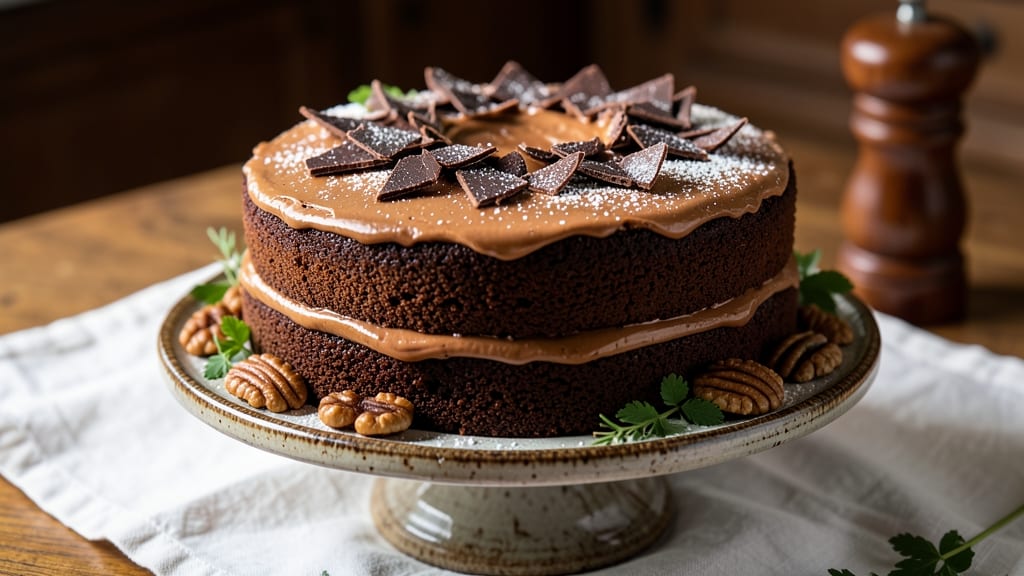
This Amish German chocolate cake recipe delivers the perfect balance of moist chocolate layers, buttery crumb topping, and rich peanut butter frosting—just like the ones from Pennsylvania's Amish bakeries. 💛 The secret lies in the coffee-soaked cake and traditional layering technique that creates that signature tender texture and deep chocolate flavor. What sets this recipe apart is the foolproof method that ensures even beginners achieve professional results. We'll use simple ingredients like cocoa powder, buttermilk, and vanilla extract to create a cake that's both comforting and impressive. The crumb topping adds a delightful contrast in texture, while the peanut butter frosting ties everything together with its signature nutty sweetness. By the time you're done, you'll have a cake that's moist, flavorful, and visually stunning—perfect for special occasions or satisfying your chocolate cravings. The aroma alone will have everyone gathering in the kitchen, and the first bite will make them ask for seconds. This recipe maintains the authentic Amish baking traditions while making it accessible for home cooks. Let's get started on creating a dessert that's sure to become a family favorite.
Ingredients for amish german chocolate cake
Authentic Amish baking relies on these carefully measured ingredients for that signature tender crumb and rich chocolate flavor.
| Ingredient | Amount | Notes |
|---|---|---|
| All-Purpose Flour 🌾 | 2 ½ cups | Sifted for even texture |
| Unsalted Butter 🧈 | 2 cups | Cold, cubed for crumb topping |
| Granulated Sugar 🍚 | 2 ½ cups | Divided for cake and frosting |
| Cocoa Powder 🍫 | 1 cup | Natural, unsweetened preferred |
| Buttermilk 🥛 | 1 ½ cups | Room temperature for best mixing |
| Large Eggs 🥚 | 4 whole | Room temperature, separated for frosting |
| Vanilla Extract 🌿 | 2 tsp | Pure, high-quality extract |
| Instant Espresso Powder ☕ | 2 tbsp | For coffee flavor infusion |
| Baking Soda 🧂 | 1 tsp | Not baking powder |
| Salt 🧂 | ½ tsp | Fine sea salt preferred |
| Peanut Butter 🥜 | 1 ½ cups | Natural, unsweetened preferred |
| Powdered Sugar 🍚 | 4 cups | For smooth frosting texture |
| Heavy Cream 🥛 | ½ cup | Cold for whipped frosting |
| Chopped Walnuts 🌰 | 1 cup | Toasted for crumb topping |
| Cinnamon 🌿 | 1 tsp | Ground, for crumb topping |
The cocoa powder makes all the difference here—Hershey's Special Dark or Dutch-processed brands deliver the deepest flavor. For the buttermilk, Cultivate brand is my go-to for consistent quality, but any brand works if it's fresh. The espresso powder should be instant and pure—no artificial flavors. Walnuts are non-negotiable for that traditional crunch; toast them in a dry pan for 3-4 minutes until fragrant before adding to the crumb topping. The crumb topping's texture relies on cold butter—cut it into small cubes and keep it chilled until mixing.
No buttermilk? Mix 1.5 tbsp vinegar or lemon juice with 1.5 cups milk and let sit for 5 minutes. Substituting cocoa powder? Dutch-processed yields a smoother cake than natural, but either works. For the peanut butter frosting, natural peanut butter with skins adds depth, but creamy works too. If you can't find instant espresso powder, use 2 tbsp finely ground coffee—just strain out the grounds after mixing. The frosting's stability comes from powdered sugar; sift it to avoid lumps. For a lighter texture, whip the heavy cream to soft peaks before folding into the peanut butter mixture.
Store cake layers and frosting separately in airtight containers. The frosting keeps 3-4 days in the fridge, while the crumb topping stays fresh for 5 days. Assemble the cake just before serving—room temperature layers create the cleanest slice. For make-ahead convenience, bake the cake layers 1 day ahead and store wrapped at room temperature. The crumb topping can be prepped 2 days ahead and refrigerated. Freeze the fully assembled cake for up to 1 month—thaw overnight in the fridge before serving.
Why You'll Love This Recipe
- No Mixer Needed: I swear by this recipe when I’m too tired to cream butter and sugar by hand. Just melt the butter, fold in the flour and cocoa, and let the buttermilk do its magic—no electric help required.
- Rich Without Bitterness: That cocoa powder isn’t cheap stuff—it’s the real deal, but the buttermilk keeps it from tasting like a sad dessert. The sugar caramelizes just enough to give it that deep, molasses-kissed flavor I can’t get enough of.
- Birthday or Boredom: Serve it warm with vanilla ice cream for a birthday celebration, or slice it cold for a lazy Sunday. Honestly, I’ve taken it to potlucks, church gatherings, and even packed it for my kid’s school lunch (yes, really).
- Pantry Staples Only: Between us, this cake costs less than half of those fancy box mixes. You’re using flour, sugar, and butter you already have—no specialty ingredients, no wasted trips to the store. And leftovers? They last a week if you can resist them.
Step-by-step instructions for Amish German chocolate cake
Master this classic recipe with layered techniques for perfect texture and rich flavor.
👨🍳 Step 1: Prepare the Crumb Topping and Cake Batter
First, make the crumb topping by combining 1 cup chopped walnuts, 1 cup granulated sugar, 1 cup unsalted butter (cold and cubed), 1 tsp cinnamon, and 1 tsp vanilla extract in a food processor. Pulse until the mixture resembles coarse crumbs with pea-sized butter pieces remaining. Press half of these crumbs into the bottom of a 9x13-inch baking dish.
In a separate large bowl, sift together 2.5 cups all-purpose flour, 1 cup cocoa powder, 1 tsp baking soda, and 0.5 tsp salt. Set aside. In another bowl, whisk together 1.5 cups buttermilk, 4 whole large eggs, 2 tbsp instant espresso powder, and the remaining 1.5 cups granulated sugar until smooth. Gradually add the dry ingredients to the wet, mixing just until combined—don't overmix. Pour the batter over the crumb layer in the prepared dish.
🔥 Step 2: Bake the Cake Layer
Bake at 350°F for 30-35 minutes, or until a toothpick inserted in the center comes out clean with just a few moist crumbs. The edges should be set but the center should still have a slight bounce. I like to tent the dish loosely with aluminum foil after 20 minutes to prevent over-browning if your oven runs hot.
Watch closely during the last 5 minutes—the cake should be just set but still moist. Overbaking dries out the texture, so remove it as soon as it passes the toothpick test. Let the cake cool completely in the pan on a wire rack before proceeding, about 1 hour. This resting period is crucial for proper layering later.
👨🍳 Step 3: Prepare the Peanut Butter Frosting
While the cake cools, make the frosting by beating 1.5 cups peanut butter and 0.5 cup heavy cream together until smooth. Gradually add 4 cups powdered sugar and the remaining 1 tsp vanilla extract, beating on medium speed until light and fluffy. The frosting should be thick enough to hold its shape but still spreadable—if it's too stiff, add 1-2 tablespoons milk to loosen.
For extra richness, I like to divide the frosting into two portions. One portion gets a tablespoon of melted unsalted butter mixed in for a slightly more decadent flavor. This creates visual contrast when layering. Keep both portions chilled until ready to use.
🥘 Step 4: Assemble the Cake with Crumb Layers
Spread the remaining crumb topping evenly over the cooled cake layer. Then spread half of the peanut butter frosting over the crumbs. Gently press the second half of the crumb topping over the frosting layer, creating a textured surface. Finally, spread the remaining frosting over the top and sides, creating a smooth finish.
Here's the secret: I like to use a bench scraper to create clean edges on the sides. Chill the assembled cake in the refrigerator for at least 2 hours before serving. This allows the frosting to set properly and the flavors to meld beautifully. For best results, serve at room temperature.
Pro Tips For Making Amish German Chocolate Cake
- MEASURE COCOA PRECISELY: Use a kitchen scale for the cocoa powder—spoons pack it differently, and even 5 extra grams throws off the balance between rich chocolate flavor and proper texture. I learned this after making a cake that tasted too bitter and dense.
- WHISK BUTTER AND SUGAR LONG: Cream the butter and sugar until it’s pale and almost fluffy—about 3-4 minutes with a stand mixer. Stopping too soon leaves pockets of air that collapse later, making the cake sink in the middle. (Yes, I’ve seen it happen.)
- DON’T OVERMIX THE BATTER: Fold in the buttermilk and flour just until combined—lumpy is better than tough. Overmixing develops gluten, and this cake’s magic is its tender crumb, not its structure. I used to beat it like I was punishing it.
- CHILL THE BATTER 30 MINUTES: Let the batter sit uncovered in the fridge while you preheat the oven. This relaxes the flour and helps the cake rise evenly instead of doming or cracking. (I know, it feels like cheating, but it works.)
Flavor customization for this recipe
Spiced Coffee Twist
Enhance the cake's depth by adding ½ tsp cinnamon and ¼ tsp cardamom to the batter alongside the espresso powder. The warm spices complement the coffee notes beautifully, creating a complex flavor profile reminiscent of European coffee cakes. For an extra boost, infuse the buttermilk with 1 tsp vanilla bean paste instead of extract—this adds floral notes that elevate the entire cake. 💛
Nutty Variations
Swap the walnuts in the crumb topping for pecans or hazelnuts for a different texture. Toast the nuts first for 3-4 minutes until fragrant, then chop them finely. Pecans add a buttery richness, while hazelnuts offer a slightly earthier flavor. For a Southern twist, combine ½ cup walnuts and ½ cup pecans in the crumb topping.
Chocolate Intensifiers
For a richer chocolate flavor, replace ½ cup of the all-purpose flour with ½ cup Dutch-process cocoa powder. This increases the chocolate content without altering the cake's structure. Alternatively, add ¼ cup melted dark chocolate (at least 60% cocoa) to the batter for a decadent twist. I recommend Ghirardelli baking chocolate for its smooth texture and deep flavor.
Frosting Alternatives
Swap the peanut butter frosting for a cream cheese frosting by beating 8 oz cream cheese, ½ cup butter, and 3 cups powdered sugar together. For a lighter option, replace ½ cup peanut butter with ½ cup Greek yogurt in the original recipe—this adds tanginess that cuts through the sweetness. Both variations keep the cake's signature texture while offering new flavor dimensions.
Seasonal Adaptations
In summer, reduce the oven temperature to 325°F and add 1 tsp lemon zest to the batter for brightness. For fall, incorporate 1 tsp pumpkin pie spice into the crumb topping and use maple syrup instead of granulated sugar in the frosting. These seasonal tweaks keep the cake fresh year-round while maintaining its classic foundation. ✨
Nutrition facts
Frequently asked questions
Why does this cake have coffee in it?
The instant espresso powder enhances the chocolate flavor and adds a subtle depth that's characteristic of traditional Amish baking. The coffee soaks into the cake layers, creating that signature moist texture while balancing the richness of the peanut butter frosting. This combination is inspired by German coffee cake traditions that became popular in Pennsylvania Amish communities.
Can I make this cake in a 9-inch round pan instead of a 9x13-inch dish?
Yes, but you'll need to adjust the baking time and assembly. Reduce the batter by about 25% (use 1.9 cups flour and 1.2 cups sugar) and bake for 25-30 minutes at 350°F. For layering, you'll need to create a separate crumb topping layer between the cake and frosting since the round shape won't accommodate the traditional bottom crumb layer.
What's the secret to getting the crumb topping just right?
Use cold butter and pulse it just until pea-sized pieces remain—this creates that signature crunchy texture. The key is pressing the crumbs firmly into the pan before adding batter. For extra flavor, toast the walnuts first (3-4 minutes in a dry pan) and let them cool before processing. The crumbs should be coarse but not powdery.
How do I fix a cake that's cracked or sunken in the middle?
Cracking often happens from overmixing or opening the oven too soon. For minor cracks, spread extra frosting over them before the final layer. If the center is sunken, the cake likely needed 5 more minutes in the oven. Next time, check doneness at 25 minutes and tent with foil if browning too quickly. Always let the cake cool completely before assembling.
Can I make this cake gluten-free?
You can substitute the flour with a 1:1 gluten-free baking blend like Bob's Red Mill, but the texture will be slightly denser. Replace the baking soda with 1.5 tsp gluten-free baking powder and add 1 tbsp xanthan gum to improve structure. The crumb topping may need extra butter (1.25 cups) to maintain cohesion. Results may vary, so test with a small batch first.