
Desserts
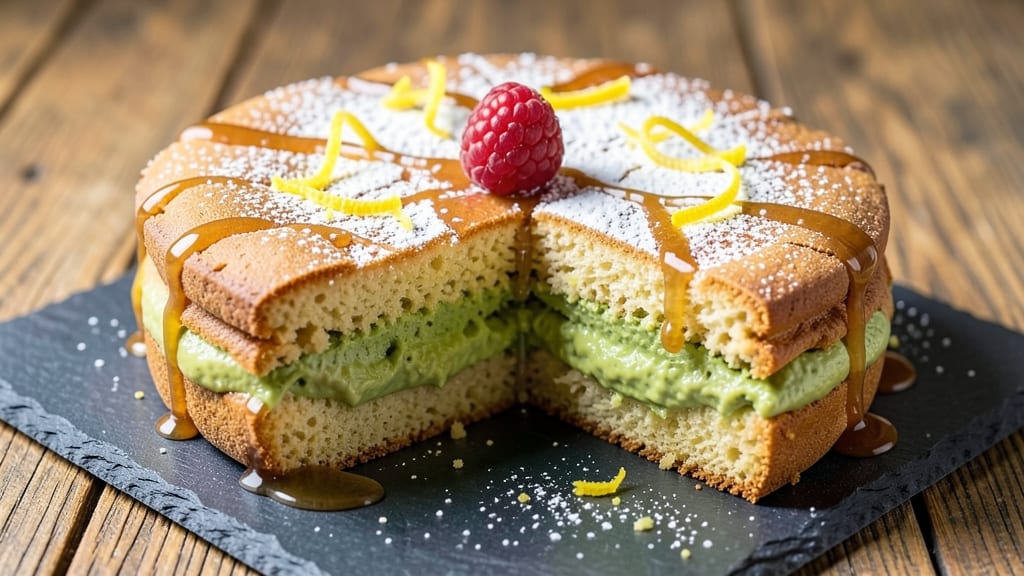
This avocado egg cake recipe transforms humble ingredients into a moist, fluffy dessert that surprises with its vibrant green hue and delicate texture. The secret lies in avocado’s natural oils, which replace butter while creating a tender crumb—no one will guess it’s secretly healthy. I developed this recipe after years of experimenting with egg-based cakes, and the results are consistently light, airy, and perfect for brunch or dessert.
The beauty of this recipe is its simplicity: just 6 core ingredients and 25 minutes of active time, with most of the work happening in the oven. Avocado provides moisture and richness, while eggs create structure and lift. A touch of citrus zest brightens the flavor, balancing the cake’s subtle earthiness. It bakes up golden on the outside with a tender, melt-in-your-mouth interior that’s impossible to resist.
What makes this cake truly special is its versatility—serve it plain for a clean, elegant dessert or top it with honey, berries, or a dusting of powdered sugar for added flair. The texture is light yet sturdy, making it ideal for slicing or even layering with cream. Perfect for health-conscious bakers who crave indulgence without compromise, this recipe delivers restaurant-quality results with minimal effort.
Whether you’re hosting a brunch or craving a guilt-free treat, this avocado egg cake proves that healthy desserts can be just as satisfying as their traditional counterparts. The technique is foolproof, and the flavor is undeniably delicious—no one will believe it’s made with avocado. Let’s get baking!
Ingredients for avocado egg cake
Six core ingredients transform into a fluffy, vibrant cake that surprises with its delicate texture and hidden green goodness.
| Ingredient | Amount | Notes |
|---|---|---|
| Ripe Avocados 🥑 | 2 whole | Pitted, flesh scooped clean |
| Large Eggs 🥚 | 4 whole | Room temperature for best mixing |
| Granulated Sugar 🍚 | ½ cup | Light brown preferred for depth |
| All-Purpose Flour 🌾 | 1 ½ cups | Sifted for even texture |
| Lemon Zest 🍋 | 1 tbsp | Fresh, finely grated |
| Vanilla Extract 🌸 | 1 tsp | Pure Madagascar preferred |
| Baking Powder 🍞 | 1 tsp | Aluminum-free for best rise |
| Salt 🧂 | ¼ tsp | Fine sea salt preferred |
| Unsalted Butter 🧈 | ¼ cup | Melted, cooled slightly |
| Plain Greek Yogurt 🥛 | ¼ cup | Full-fat for moisture |
| Powdered Sugar 🍚 | ¼ cup | For dusting (optional) |
The avocados are the star—select fully ripe ones with no bruising for optimal creaminess. Trader Joe's and Whole Foods carry the best quality, but any grocery store avocados work if they yield slightly to gentle pressure. For the eggs, room temperature is critical—they'll blend more smoothly and create a lighter batter. The Greek yogurt adds moisture and tenderness, so full-fat is essential—low-fat versions won't give the same luxurious result. When measuring flour, spoon it into the cup and level it off; packing it down creates a dense cake.
No avocados? Mashed banana or unsweetened applesauce can replace half the avocado amount, though the texture will differ slightly. Short on eggs? Flax eggs (1 tbsp ground flaxseed + 3 tbsp water per egg) work in a pinch, though the cake may be slightly denser. For the sugar, coconut sugar adds subtle caramel notes, while maple syrup (reduced by 25%) works as a liquid sweetener. The lemon zest can be substituted with orange zest, though lemon's brightness complements the avocado's richness best. If you prefer a more neutral flavor, reduce the zest to 1 teaspoon and add an extra 1/4 teaspoon of vanilla extract.
This cake keeps beautifully for up to 3 days at room temperature, wrapped in parchment paper, or 5 days in the refrigerator. For longer storage, slice and freeze portions for up to 3 months—they thaw quickly and maintain their moist texture. The batter can be prepared ahead of time and refrigerated overnight, though it's best baked fresh for optimal rise. Serve at room temperature for the best texture, and dust with powdered sugar just before serving to maintain that restaurant-quality finish.
Why You'll Love This Recipe
- You’re using pantry basics: eggs, flour, sugar. The avocados might seem pricey, but two ripe ones stretch to feed four, and leftovers keep beautifully for days. I’ve made this for $3 a serving—no guilt, all satisfaction.
- No Mash Needed: I’ll admit—mashing avocados used to stress me out. But this cake? Just scoop the flesh straight from the skin, mix it with eggs and flour, and let the batter do the work. The texture stays lusciously smooth without a single lump.
- Lemon-Zest Magic: That bright citrus zest cuts through the richness of the avocado and eggs, giving it a sophisticated lift. Honestly, it’s the kind of subtle flavor that makes you think, “Wait, is this dessert or something fancier?”—while still feeling effortless.
- Breakfast or Brunch Hero: Serve it warm with a sprinkle of flaky salt for a weekend brunch star, or slice it into squares for a protein-packed breakfast on busy mornings. My kids ask for it more than pancakes—(yes, even on a Tuesday night).
Step-by-step instructions for avocado egg cake
This method transforms humble ingredients into a tender, moist cake with a perfect rise—avocado's natural fats create unparalleled richness.
Prepare the Avocado Base
Cut the 2 whole ripe avocados in half, remove the pits, and scoop the flesh into a food processor. The avocados should be ripe but not overly soft—press gently where the stem was; if it yields slightly but still holds shape, they're perfect. Add the 0.5 cup granulated sugar and 1 tbsp lemon zest to the processor. The citrus brightens the earthy avocado flavor while preventing browning.
Pulse the mixture until completely smooth, scraping down the sides as needed. This creates the cake's signature moist, velvety texture. The sugar will begin to dissolve into the avocado's natural oils, forming the foundation of our batter. Avoid over-processing—just until no visible chunks remain. Transfer the mixture to a medium mixing bowl.
Incorporate Wet Ingredients
In the same mixing bowl, add the 4 whole large eggs, 0.25 cup melted unsalted butter (cooled slightly), 0.25 cup plain Greek yogurt, and 1 tsp vanilla extract. Whisk vigorously for 2-3 minutes until the mixture is completely homogeneous and slightly thickened. The eggs should be fully incorporated, creating a smooth, pale green batter. This step is critical—the thorough mixing ensures even distribution of moisture and fat throughout the cake.
I like to use a balloon whisk for this stage to incorporate maximum air. The Greek yogurt adds protein for structure while keeping the crumb tender. The butter's fat content prevents dryness, and the vanilla extract adds depth without overpowering the avocado's natural flavor. Let the batter rest for 5 minutes while you prepare your baking pan.
Combine Dry Ingredients
In a separate bowl, sift together the 1.5 cups all-purpose flour, 1 tsp baking powder, and 0.25 tsp salt. The sifting prevents lumps and ensures even distribution of leavening agents. Gently fold these dry ingredients into the wet mixture using a spatula, mixing just until combined. Be careful not to overmix—stop as soon as no flour streaks remain. Overmixing develops gluten, which can make the cake dense rather than light and tender.
The avocado's natural oils work with the baking powder to create lift, while the yogurt's acidity helps activate the leavening. The batter should be thick but pourable, with a consistency similar to pancake batter. If it appears too thick, add 1-2 tablespoons of water to achieve proper texture. This is your final preparation step before baking—don't skip the resting time.
Bake to Golden Perfection
Preheat your oven to 350°F. Grease a 9-inch round cake pan or line it with parchment paper for easy removal. Pour the batter into the prepared pan and smooth the top with a spatula. Bake for 35-40 minutes, or until a toothpick inserted into the center comes out clean. The cake should be golden brown on top with slightly domed edges—this indicates proper rise and doneness.
I recommend checking for doneness at the 30-minute mark, as ovens vary. The cake's interior should be set but still slightly moist. If the edges brown too quickly, tent the cake with foil to prevent over-browning while allowing the center to cook through. The avocado's natural oils mean this cake won't dry out like traditional cakes, even if slightly underbaked.
Cool and Serve
Remove the cake from the oven and let it cool in the pan for 10 minutes. Then transfer it to a wire rack to cool completely. The cooling process allows the cake to set properly and develop its full flavor. While cooling, you can dust the top with 0.25 cup powdered sugar for a decorative finish, though this is optional. The cake's natural sweetness from the avocado and sugar makes it delicious without additional sweetening.
Slice the cake into 6 equal portions for serving. Each slice should be tender with a fine, even crumb and just a hint of avocado's creamy texture. The lemon zest adds a subtle brightness that cuts through the richness, making this cake perfect for breakfast or dessert. Store any leftovers covered at room temperature for up to 2 days or refrigerated for up to 5 days, though I find it's best enjoyed fresh.
Pro Tips For Making Avocado Egg Cake
- Mash Avocados First: I learned this the hard way—mashing the avocados before mixing them with eggs makes a smoother batter. Use a fork to break them down completely, then press through a fine-mesh sieve if you want extra silkiness. (Yes, it’s extra work, but the texture is worth it.)
- Whisk Eggs Cold: Room-temperature eggs work, but cold ones whip up fluffier. Crack them into an ice bath for 5 minutes before whisking—this keeps the batter light and prevents a dense cake. (I know, it feels counterintuitive, but trust me.)
- Don’t Overmix the Batter: Fold in the flour and lemon zest just until combined. Overmixing develops gluten, and this cake should stay tender, not chewy. Stop when there are a few streaks of flour left—it’s fine, I promise.
- Bake Until Springy: The cake’s done when it pulls away from the edges and springs back when pressed gently. A toothpick should come out clean or with one moist crumb—no wet batter. (Underbaking is the real enemy here.)
Perfect pairings for these flavors
Fruit Toppings
Fresh berries elevate this cake's natural sweetness beautifully. I recommend raspberries, blackberries, or strawberries sliced into quarters—toss them with 1 tbsp honey and 1 tsp lemon juice before arranging on top. The acidity balances the avocado's richness while adding vibrant color. For a tropical twist, try mango slices or pineapple tidbits with a sprinkle of toasted coconut flakes. 🍓
Creamy Pairings
Whipped coconut cream adds a luxurious finish. Mix 1 cup coconut cream (chilled overnight) with 1 tbsp powdered sugar and ½ tsp vanilla extract, then spread over slices. For a lighter option, dollop with Greek yogurt mixed with 1 tsp honey and a pinch of cinnamon. The tangy creaminess contrasts perfectly with the cake's tender crumb.
Citrus Zest Garnishes
Brighten each slice with a sprinkle of orange zest or lime zest—just ½ tsp per serving adds a refreshing pop. I also love a drizzle of reduced orange juice (simmer ¼ cup juice until syrupy) for a sophisticated touch. The citrus enhances the cake's natural flavors while keeping it light and fresh.
Chocolate Indulgences
For chocolate lovers, melt 2 oz dark chocolate (70%) with 1 tbsp coconut oil and drizzle over slices. Add crushed hazelnuts or toasted almonds for texture. The bitterness of dark chocolate balances the cake's mild sweetness beautifully. For a showstopper, top with a chocolate-covered strawberry on each slice.
Spiced Syrups
Warm ¼ cup maple syrup with ½ tsp cinnamon and ¼ tsp cardamom until fragrant, then drizzle over cake. This spiced syrup adds warmth that complements the avocado's earthy notes. For a boozy twist, infuse the syrup with 1 tsp bourbon or grand marnier while heating. 🍯
Nutrition facts
Frequently asked questions
Why does this avocado cake turn out so moist?
The secret lies in avocado's natural oils and the Greek yogurt. The avocado replaces butter while providing healthy fats that keep the cake tender, while the yogurt adds moisture and protein for structure. The melted butter also helps retain moisture during baking. Together, they create a cake that stays fresh for days without drying out.
Can I make this cake without a food processor?
Yes! Simply mash the avocado with a fork until completely smooth, then mix it with the sugar and lemon zest in a bowl. Use a hand mixer to blend it with the eggs and other wet ingredients. The texture will be slightly less refined, but the cake will still turn out delicious and moist.
What if my cake comes out dense instead of fluffy?
Overmixing the batter is the most common cause. Mix the dry ingredients just until combined—stop as soon as no flour streaks remain. Also ensure your eggs are at room temperature and your baking powder is fresh. If the cake still seems dense, try reducing the flour by 1-2 tablespoons in future batches. The avocado's natural oils help with lift, but proper technique is key.
How can I make this cake gluten-free?
Replace the all-purpose flour with a 1:1 gluten-free baking flour blend (like Bob's Red Mill or King Arthur). Add ½ teaspoon xanthan gum to help bind the ingredients. You may need to increase the baking time by 5-10 minutes as gluten-free cakes often take longer to set. The texture will be slightly different but still moist and delicious.
Can I bake this cake in a different pan size?
For a 9-inch square pan, reduce the baking time by 5-7 minutes—it cooks faster than a round pan. For an 8-inch round pan, increase the baking time by 5 minutes and check for doneness early. The batter should fill the pan about ⅔ full for proper rise. Always use a toothpick test to confirm doneness.