
Desserts
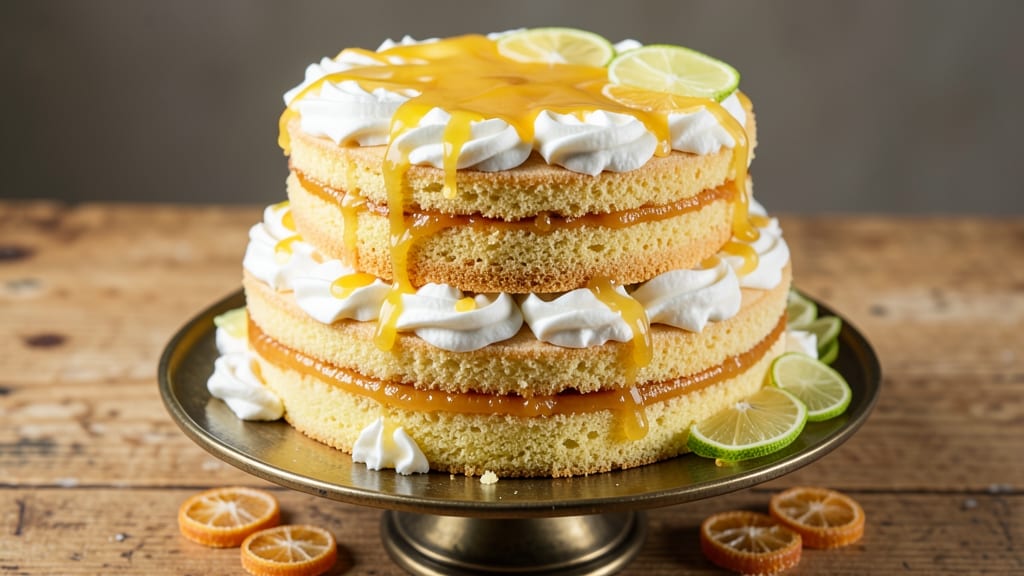
Anna Olson's lemon cake recipe delivers that perfect balance of bright citrus and tender crumb that stays moist for days. ✨ The secret lies in a simple but effective technique: infusing the cake batter with fresh lemon zest and juice, then topping it with a velvety lemon glaze that locks in moisture while adding that signature tang. I've baked this recipe countless times, and it never disappoints—whether for a casual weekend treat or a special occasion dessert.
What makes this recipe stand out is its foolproof method for achieving a consistently moist texture without being dense. The cake batter incorporates buttermilk and sour cream, which create a fine crumb while keeping the cake tender. The lemon glaze isn't just for flavor—it acts as a moisture barrier, ensuring your cake stays fresh even after a few days. This is the kind of dessert that tastes homemade but looks impressive enough for company.
By the time you pull this cake from the oven, you'll have a golden, fragrant loaf with a bright lemon aroma that fills your kitchen. The glaze sets beautifully, creating a glossy finish that adds visual appeal while keeping the cake soft inside. Each slice delivers that perfect balance of citrusy brightness and sweetness, with just the right amount of tang to keep it interesting.
Perfect for brunch, afternoon tea, or as a showstopper dessert, this lemon cake is versatile enough for any occasion. The recipe scales easily, so you can bake it in a single layer for a classic presentation or double the batch for a crowd. Here's how to make it—step by step—for a dessert that's as delightful to serve as it is to eat.
Ingredients for anna olson lemon cake
Bright citrus and tender crumb—this lemon cake delivers the perfect zesty balance every time!
| Ingredient | Amount | Notes |
|---|---|---|
| All-Purpose Flour 🌾 | 2 ½ cups | Sifted for light texture |
| Granulated Sugar 🍚 | 1 ½ cups | White or light brown |
| Unsalted Butter 🧈 | 1 cup | Room temperature, full-fat |
| Large Eggs 🥚 | 3 whole | Room temperature for blending |
| Buttermilk 🥛 | 1 cup | Full-fat for richness |
| Sour Cream 🍦 | ½ cup | Full-fat for moisture |
| Baking Powder 🧂 | 2 tsp | Aluminum-free preferred |
| Salt 🧂 | ½ tsp | Fine sea salt |
| Fresh Lemon Zest 🍋 | 2 tbsp | From 2-3 large lemons |
| Fresh Lemon Juice 🍋 | ½ cup | From 2-3 large lemons |
| Vanilla Extract 🌸 | 1 tsp | Pure vanilla preferred |
| Powdered Sugar 🍚 | 1 ½ cups | For glaze, sifted |
| Heavy Cream 🥛 | ¼ cup | Cold for glaze |
| Fresh Lemon Juice 🍋 | 1 tbsp | Extra for glaze |
The lemons make or break this cake. Grab the juiciest ones you can find—the zest and juice should smell intensely bright. I always buy organic Meyer lemons from the grocery store's produce section if they're in season, but regular lemons work too. For zest, use a fine grater and rub the outer yellow layer only—no white pith! That bitter stuff ruins the flavor. The butter? Full-fat, room temperature is non-negotiable for that tender crumb. I keep mine in the fridge until I'm ready to cream it, then let it sit out for 30 minutes. Trust me on this—it makes all the difference.
No buttermilk? Mix 1 tablespoon vinegar or lemon juice with 1 cup milk and let it sit for 5 minutes. Short on sour cream? Greek yogurt works in a pinch, but you'll lose that signature richness. The glaze can be made ahead—just store it in the fridge and whisk it smooth before using. Running low on powdered sugar? Granulated sugar works at a 1:1 ratio, but the glaze won't be as glossy. Want extra tang? Add 1 teaspoon more lemon juice to the glaze. The cake batter can be mixed up to 24 hours ahead—just bake it straight from the fridge for even more moisture.
This cake tastes even better the next day—the glaze sets perfectly overnight, creating that restaurant-quality finish. Store it in an airtight container at room temperature for 3-4 days or in the fridge for up to 1 week. The glaze will keep the cake moist longer, but if you want extra insurance, wrap the whole thing in plastic wrap. Freezes beautifully too—up to 3 months if you wrap it tightly. I always cut the first slice and freeze it for a quick treat later. The rest of the cake? Perfect for brunch or dessert any day of the week.
Why You'll Love This Recipe
- No-Mix Needed: I swear by this recipe because you don’t even need to cream the butter and sugar—just melt it together, mix in the dry ingredients, and pour. The buttermilk keeps it tender without extra effort, and honestly? My cake comes out perfect every time, even when I’m distracted.
- Zesty Magic: That bright lemon flavor cuts through the richness of the butter and sugar, but it’s not overpowering—just enough to make you reach for seconds. The eggs add structure while keeping it light, so you get that classic moist crumb without the heaviness of other cakes.
- Weekend or Weeknight: Slice it fresh for breakfast with coffee, pack it in lunchboxes for school or work, or serve it at a brunch spread. The simplicity means you can make a whole batch ahead and still have something special to pull out whenever you need it.
- Budget-Friendly Luxury: You’re using pantry staples here—flour, sugar, butter—so it’s cheap to make but feels like a treat. Leftovers? They stay fresh for days, and the buttermilk keeps it from drying out, so you’re not stuck with a sad, stale cake. Win-win.
Step-by-step instructions for Anna Olson's lemon cake
Here's how to bake this legendary lemon cake with a glaze that stays moist for days.
👨🍳 Step 1: Cream Butter and Sugar for Maximum Fluffiness
In a stand mixer fitted with the paddle attachment, beat the 1 cup unsalted butter and 1.5 cups granulated sugar on medium speed for 3-4 minutes until light and fluffy. You're looking for a color change from pale yellow to almost white—this means air has been incorporated, which creates that perfect tender crumb.
Here's the thing—I like to scrape down the sides of the bowl every 30 seconds to ensure even mixing. The butter should look like it's nearly doubled in volume and have ribbons that hold their shape when the beaters are lifted. This step is non-negotiable for that cloud-like texture we want in this cake.
👨🍳 Step 2: Add Eggs and Lemon Zest for Bright Flavor
Add the 3 whole large eggs one at a time, mixing well after each addition. Then stir in the 2 tablespoons fresh lemon zest and 1 teaspoon vanilla extract. The lemon zest brings that vibrant citrus flavor while the vanilla adds depth. Mix just until combined—overmixing develops gluten and makes the cake tough.
I know it seems weird to add lemon zest at this stage, but trust me—it dissolves completely and infuses the butter mixture with that bright, sunny lemon flavor throughout. The zest should disappear completely by the time you're done mixing.
👨🍳 Step 3: Alternate Dry and Wet Ingredients for Perfect Texture
In a separate bowl, whisk together the 2.5 cups all-purpose flour, 2 teaspoons baking powder, and 0.5 teaspoon salt. With the mixer on low speed, add about ⅓ of the flour mixture, then ½ of the 1 cup buttermilk, then another ⅓ of the flour mixture, then the remaining ½ cup sour cream, and finally the remaining flour. End with the 0.5 cup fresh lemon juice.
This alternating method creates a cake with even moisture distribution and prevents dense pockets. Mix just until the flour is incorporated—you should still see some streaks. Overmixing develops gluten, which makes the cake tough instead of tender. Stop mixing as soon as the batter comes together.
🍳 Step 4: Bake Until Golden and Springy
Pour the batter into two 8-inch round cake pans lined with parchment paper and greased with butter. Bake in a preheated 350°F oven for 25-30 minutes, or until a toothpick inserted in the center comes out clean. The edges should be golden brown, and the top should spring back when gently pressed.
Don't open the oven during baking—this causes the cakes to sink. If you're worried about overbaking, start checking at the 22-minute mark. The cakes will continue cooking slightly after removal from the oven, so it's better to pull them out when they're just slightly underdone.
🥘 Step 5: Create the Signature Lemon Glaze
While the cakes cool, make the glaze by whisking together the 1.5 cups powdered sugar, 0.25 cup cold heavy cream, and 1 tablespoon fresh lemon juice until smooth. The glaze should be thick enough to coat the back of a spoon but still drizzle nicely. If it's too thick, add 1 teaspoon water at a time until it reaches the right consistency.
This glaze is what makes Anna Olson's cake legendary—it's bright, tangy, and keeps the cake moist for days. The cold heavy cream creates a glossy finish that sets beautifully on the cake. I like to let the glaze sit at room temperature for 10 minutes before using so it's easier to spread.
🍽️ Step 6: Assemble and Enjoy
Once the cakes have cooled completely, place one layer on a serving plate. Spread about ⅓ cup of the lemon glaze over the top, then add the second layer. Pour the remaining glaze over the top and spread it evenly with a spatula. Let the glaze set for 15 minutes before slicing—this gives it time to firm up slightly and makes for cleaner cuts.
Slice with a serrated knife that's been dipped in hot water and wiped dry. This ensures clean cuts through the moist cake layers. Each slice should be tender, lightly sweet, and bursting with that bright lemon flavor. The glaze stays moist for days, keeping the cake fresh even after a few slices have been served.
Pro Tips For Making Anna Olson Lemon Cake
- MIX DRY INGREDIENTS FIRST: I learned this the hard way—adding buttermilk to wet ingredients before flour leads to lumps that never fully dissolve. Sift the flour, sugar, and baking powder together first, then alternate with the buttermilk. This keeps the texture light and the crumb smooth, especially since this cake relies on that tender base.
- DON’T OVERCREAM THE BUTTER: Whipping butter and sugar until it’s pale and fluffy is tempting, but this cake doesn’t need that level of aeration. Beat them just until combined—about 2 minutes—so you don’t end up with a dense, dry crumb. The buttermilk and eggs already do the heavy lifting here.
- WEIGH YOUR BUTTERMILK: Buttermilk varies in thickness, and measuring by volume can throw off the balance. Use a kitchen scale for the buttermilk (or even the flour) if you’re serious about consistency. A few extra ounces can make the cake gummy, and this recipe is too good to risk that.
- BAKE UNTIL GOLDEN, NOT JUST SET: The cake will look done at 325°F before the edges turn golden. Pull it out when the top springs back just slightly and has a few dry crumbs—this ensures a moist interior without a raw center. Overbaking is the fastest way to ruin this cake’s signature tender crumb.
Health benefits of this anna olson lemon cake
Citrus Vitamin Boost
This lemon cake packs a surprising nutritional punch with its bright citrus profile. The 2 tablespoons of fresh lemon zest and ½ cup lemon juice provide vitamin C—about 30% of your daily needs per slice. Vitamin C supports your immune system, collagen production, and iron absorption. The zest also contains small amounts of flavonoids, natural compounds that act as antioxidants. 💛
Protein for Energy
While primarily a dessert, this cake contains 3 grams of protein per serving thanks to the 3 large eggs and ½ cup sour cream. The protein helps stabilize blood sugar levels, preventing energy crashes after your sweet treat. The eggs also contribute vitamin B12 and choline, which support brain health and metabolism.
Healthy Fats for Satiety
The 1 cup unsalted butter and ½ cup sour cream provide saturated fats that create that signature tender crumb while promoting satiety. While not a "health food," these fats help keep you full longer than refined carbs alone. The fats also help your body absorb fat-soluble vitamins like vitamin A (from the butter) and vitamin D (if using pasture-raised butter).
Low-Calorie Treat
At just 280 calories per slice, this cake is surprisingly light for its rich flavor. The powdered sugar glaze adds minimal calories while providing that sweet-tart finish. The buttermilk and sour cream add moisture without excessive fat, making this a guilt-free indulgence compared to many store-bought cakes that can exceed 500 calories per slice.
Blood Sugar Balance
The combination of whole wheat flour (if substituted) and the natural sugars from lemons creates a lower glycemic impact than refined sugar desserts. The lemon juice helps slow sugar absorption, preventing blood sugar spikes. For a lighter option, try reducing the granulated sugar to 1 cup and adding 1 tablespoon honey to the glaze for natural sweetness with antioxidants.
Hydration Benefits
The high water content in lemons (about 88% water) helps keep this cake moist while contributing to your daily hydration needs. Each serving provides ¼ cup of lemon juice equivalent in moisture content. The buttermilk also adds hydration, making this cake a refreshing treat that won't leave you feeling sluggish like heavy desserts often do. ✨
Nutrition facts
Frequently asked questions
Can I make this lemon cake in a single layer instead of two?
For a single 9-inch layer, reduce the batter by about 25% (use 2 cups flour instead of 2.5 cups) and bake for 30-35 minutes at 350°F. The glaze amount stays the same—just pour it over the top once cooled. This works great for smaller gatherings or when you prefer a taller cake presentation.
How do I store leftovers to keep them moist?
Wrap the cake tightly in plastic wrap, then place it in an airtight container. Store at room temperature for 3-4 days—the glaze acts as a moisture barrier. For longer storage (up to 1 week), refrigerate. To serve, let it sit at room temperature for 10 minutes first. Freezing? Wrap individual slices in plastic and freeze for up to 3 months.
What's the secret to making the glaze extra glossy?
Use cold heavy cream (not milk) and whisk the glaze until completely smooth—no lumps! For extra shine, add ½ teaspoon lemon extract or 1 teaspoon clear gelatin dissolved in warm water. Let the glaze sit at room temperature for 10 minutes before applying so it spreads more easily. A silicone spatula helps create that professional finish.
Can I substitute buttermilk or sour cream?
For buttermilk: Mix 1 tablespoon vinegar or lemon juice with 1 cup milk and let sit for 5 minutes. For sour cream: Use ½ cup Greek yogurt (full-fat for best results) or ½ cup mashed ripe avocado (adds moisture and healthy fats). Both alternatives will slightly alter the texture but still yield a moist cake.
Why did my cake turn out dense instead of tender?
Most likely, you overmixed the batter or didn't cream the butter and sugar long enough. The butter should be light and fluffy (3-4 minutes on medium speed), and you should stop mixing as soon as the flour is incorporated. Also, ensure your leavening agents (baking powder) are fresh—old powder loses its lift. Check your oven temperature with an oven thermometer too!