
Desserts
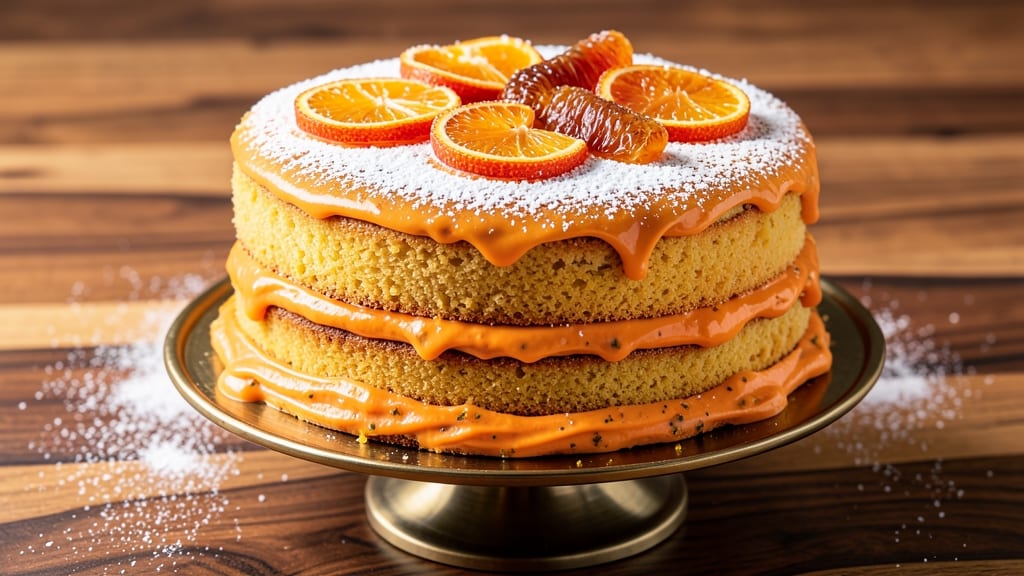
This amazing orange cake recipe delivers a burst of citrusy brightness that'll make every slice feel like sunshine in dessert form. 💛 The secret? Freshly zested orange peel in both the batter and the glaze, creating layers of flavor that balance sweetness with a tangy kick. I developed this recipe after years of baking orange cakes that were either too dry or too cloyingly sweet—this version hits the perfect balance every time.
The magic happens with a classic creaming method that keeps the cake tender and moist, while the orange glaze adds that signature shine and extra zing. You'll need just 10 basic ingredients (plus a few pantry staples) and about 1 hour of active time—most of that is cooling while you make the glaze. The result? A cake that's light enough to eat as a snack but rich enough to be the star of any celebration.
What makes this recipe truly special is how versatile it is. Serve it at brunch with a cup of coffee, as a showstopper for birthdays, or even as a sophisticated dessert for dinner parties. The glaze sets beautifully, so you can slice it cleanly without mess, and the orange flavor pairs perfectly with cream cheese frosting if you want to go extra decadent.
Once you try this orange cake, you'll never go back to store-bought again. The aroma alone will have everyone gathering around the kitchen, and the first bite delivers that perfect mix of sweet, citrusy, and just slightly moist crumb. Let's get baking!
Ingredients for amazing orange cake
Freshly zested oranges and a bright citrus glaze make this cake shine—simple ingredients, big flavor.
| Ingredient | Amount | Notes |
|---|---|---|
| All-Purpose Flour 🌾 | 2 ½ cups | Sifted for light texture |
| Granulated Sugar 🍚 | 1 ½ cups | White or light brown |
| Orange Zest 🍊 | 2 tbsp | Freshly grated peel |
| Orange Juice 🍊 | ½ cup | Freshly squeezed |
| Unsalted Butter 🧈 | 1 cup | Room temperature, softened |
| Large Eggs 🥚 | 3 whole | Room temperature |
| Baking Powder 🧂 | 2 tsp | Aluminum-free preferred |
| Salt 🧂 | ½ tsp | Fine sea salt |
| Vanilla Extract 🌿 | 1 tsp | Pure vanilla preferred |
| Powdered Sugar 🍚 | 2 cups | For glaze |
| Heavy Cream 🥛 | ¼ cup | For glaze |
| Orange Juice 🍊 | ¼ cup | Extra for glaze |
The oranges are everything here. Use Navel or Valencia for the best zest—those thick-skinned varieties yield more peel with less bitterness. Trader Joe's and Whole Foods carry the juiciest oranges year-round, but any fresh fruit stand works too. For the juice, don't bother with concentrate—freshly squeezed makes all the difference. The zest needs to be finely grated (a microplane works best), but don't worry if it's not perfect—just make sure it's bright orange, not white. I always zest 2 oranges but only use 2 tablespoons—half goes in the batter, half in the glaze for that extra zing.
No fresh oranges? Bottled orange juice works in a pinch, but it won't have the same punch. The glaze calls for powdered sugar, but if you're feeling fancy, swap half for confectioners' sugar for extra shine. For the butter, Land O'Lakes or Plugrá are reliable brands—just make sure it's unsalted. If you're watching calories, you can reduce the butter by 2 tablespoons and add an extra tablespoon of orange juice to the batter. The vanilla extract can be imitation, but Madagascar Bourbon vanilla takes this cake to the next level. And trust me, the extra 5 minutes to zest your own oranges is worth it—store-bought zest tastes like sawdust.
This cake keeps beautifully—3 days at room temperature wrapped in plastic, or 1 week in the fridge once sliced. The glaze sets firm enough to slice cleanly after about 2 hours, but it's best served the next day when the flavors meld. I like to make a double batch of glaze and freeze half in an ice cube tray—just thaw and warm for quick touch-ups. The cake freezes well too: 2 months in a sealed container. Just thaw overnight in the fridge before serving. And if anyone asks, the secret ingredient is definitely the zest—not the glaze, not the butter. Just the zest.
Why You'll Love This Recipe
- Pantry-Friendly Magic: I swear by this recipe because it uses what you already have—no specialty ingredients, just flour, sugar, and a bright orange you probably have lingering in your fruit bowl. The butter and orange juice alone make it taste like a bakery secret, not a last-minute scramble.
- Zesty Twist: That orange zest? It’s the star. Freshly grated, it gives this cake a bright, citrusy punch that cuts through the richness of the butter. Honestly, the first time I made it, my husband asked for seconds before the plate was even empty.
- Birthday or Breakfast: Serve it warm with a dusting of powdered sugar for a cozy weekend treat, or slice it cold for a picnic—it’s that versatile. I’ve even used leftover pieces to make quick orange cake truffles (just roll, dip, and chill).
- No-Waste Leftovers: This cake keeps beautifully for days, so you’re not stuck with a sad, dried-out loaf. I’ll be real: I’ve reheated slices in the microwave with a splash of orange juice for a lazy afternoon pick-me-up. Budget win, flavor win.
Step-by-step instructions for orange cake with zesty glaze
Here's how to create a moist, citrusy cake with a bright glaze that'll impress everyone.
👨🍳 Step 1: Prep Ingredients and Preheat Oven
Start by preheating your oven to 350°F. Sift together the 2.5 cups all-purpose flour, 2 tsp baking powder, and 0.5 tsp salt in a medium bowl. Set aside—this dry mix needs to stay light and airy.
While the oven heats, prepare the wet ingredients. In a large mixing bowl, cream together the 1 cup softened unsalted butter and 1.5 cups granulated sugar on medium speed until light and fluffy—about 3-4 minutes. This step is crucial for a tender crumb. Scrape down the sides of the bowl with a spatula to ensure even mixing.
🍳 Step 2: Combine Wet Ingredients
Add the 3 room-temperature large eggs one at a time, mixing well after each addition. Then stir in the 0.5 cup freshly squeezed orange juice and 1 tsp vanilla extract. The batter should be smooth and slightly thick—if it looks too thin, don't worry, the flour will thicken it up.
Gently fold in the 2 tbsp freshly grated orange zest using a spatula. This is where the magic happens—the zest carries the bright citrus flavor throughout the cake. Be careful not to overmix, as this can make the cake dense. The batter should have a few streaks of flour remaining.
🥘 Step 3: Mix and Bake the Cake
Gradually add the dry ingredients to the wet mixture, folding just until combined. Pour the batter into two 9-inch round cake pans lined with parchment paper or lightly greased. Smooth the tops with a spatula for even baking.
Bake for 25-30 minutes or until a toothpick inserted in the center comes out clean. The cake should spring back slightly when pressed in the middle. Real talk: your oven might run hot, so start checking at the 25-minute mark. If the edges brown too quickly, tent the pans with foil.
⏰ Step 4: Prepare the Orange Glaze
While the cake bakes, make the glaze by whisking together the 2 cups powdered sugar, 0.25 cup heavy cream, and 0.25 cup extra orange juice in a bowl. The glaze should be thick but pourable—if it's too thick, add a splash more orange juice; if too thin, add a pinch more powdered sugar.
Here's the thing—this glaze is your secret weapon. It adds moisture, brightness, and that professional finish. Let the glaze sit for 5 minutes to thicken slightly before using. If you're impatient, chill it in the fridge for 10 minutes to get the perfect consistency.
🍽️ Step 5: Assemble and Serve
Once the cakes are completely cooled, place one layer on a serving plate. Pour half of the glaze over the top and spread it evenly with an offset spatula. Add the second layer and pour the remaining glaze on top. Let the glaze drip slightly over the sides for that bakery-style look.
Slice and serve immediately for the freshest experience. The cake should be moist with a tender crumb, and the glaze should add a bright citrus finish that complements every bite. Store leftovers covered at room temperature for up to 3 days—if it lasts that long!
Pro Tips For Making Amazing Orange Cake
- Whisk Butter & Sugar: DESCRIPTION: Cream the butter and sugar until it’s pale and fluffy—think ribbons that hold for 10 seconds. I learned this the hard way: skipping this step makes the cake dense instead of tender. Use a stand mixer if you’re impatient, but don’t rush it.
- Measure Juice Precisely: DESCRIPTION: Use a kitchen scale for orange juice (about 1 cup = 240g) instead of eyeballing it. Too little juice makes the cake dry; too much collapses the structure. Freshly squeezed is best, but bottled works in a pinch—just avoid the pulp.
- Don’t Overmix the Batter: DESCRIPTION: Fold in the flour just until combined—lumps are fine, but don’t turn it into glue. Overmixing develops gluten, and your cake will turn out tough. Think "gentle swirls," not "beat until smooth."
- Rotate the Pan: DESCRIPTION: Swap the cake pan’s position halfway through baking (front to back, top to bottom). My first orange cake had a sunken center because the oven wasn’t even. A quick rotation evens out heat—no fancy tools needed.
Pro cooking tips for amazing orange cake
Creaming Mastery
The key to a tender orange cake starts with proper butter and sugar creaming. Use a stand mixer with the paddle attachment and cream the 1 cup softened butter and 1.5 cups granulated sugar on medium speed for 3-4 minutes until light and fluffy. The butter should look like ribbons pulling away from the bowl—this incorporates air for a lighter texture. I always scrape the bowl down with a rubber spatula every 30 seconds to ensure even mixing. 💛
Pro tip: If your butter isn't quite soft enough, microwave it in 10-second intervals until it yields slightly when pressed. Never use melted butter—this kills the air incorporation that makes the cake tender. I keep my butter at room temperature (about 68°F) for perfect results every time.
Zest vs. Juice Balance
Fresh orange zest is non-negotiable here—it carries the bright citrus flavor. Use a microplane for fine zest (about 2 tbsp from 2 oranges). Fold it gently into the batter at the end to preserve those essential oils. The 0.5 cup orange juice adds moisture without overpowering the sweetness.
For extra brightness, add 1 tsp orange extract (like McCormick) to the wet ingredients. This works in a pinch if you can't zest fresh oranges, though nothing beats the real deal. The juice should be freshly squeezed—never use bottled concentrate or canned juice, as they lack the freshness and acidity needed for that signature tang.
Baking Precision
Bake at 350°F for 25-30 minutes until a toothpick comes out clean. The cake should pull away slightly from the pan edges but still be moist. I always check for doneness at 25 minutes—some ovens run hotter than others. If the tops brown too quickly, tent with foil.
Let the cakes cool in their pans for 10 minutes before transferring to a wire rack. This prevents them from cracking. For even cooling, I invert the cakes onto the rack after removing them from the pans. Patience here prevents doming, which can ruin your beautiful layers.
Glaze Consistency
The glaze should be thick enough to coat the back of a spoon but still pourable. Whisk together 2 cups powdered sugar, 0.25 cup heavy cream, and 0.25 cup orange juice until smooth. If it's too thick, add 1 tsp more orange juice; if too thin, add 1 tbsp powdered sugar.
Let the glaze sit for 5 minutes to thicken slightly before using. For a glossier finish, chill it in the fridge for 10 minutes. This trick ensures it sets properly and doesn't slide off the cake. I always make extra glaze—it's perfect for drizzling over individual slices or gifting a small jar with the cake.
Nutrition facts
Frequently asked questions
Can I substitute store-bought orange juice for fresh?
Freshly squeezed orange juice makes all the difference in flavor and moisture, but you can use store-bought in a pinch. Look for 100% pure orange juice with no added sugars. For extra brightness, add 1 tsp orange extract to compensate for the lack of freshness. The zest is still critical—don't skip that step!
Why does my orange cake sometimes turn out dry?
Dryness usually happens from overbaking or using too much flour. Always check for doneness at 25 minutes—the cake should spring back when pressed. Also, ensure your butter is softened but not melted, and don't overmix the batter. For extra moisture, brush the cooled cake with 2 tbsp orange juice before adding the glaze.
How can I make this cake gluten-free?
Replace the all-purpose flour with a 1:1 gluten-free baking flour blend (like Bob's Red Mill). Add 0.5 tsp xanthan gum to help bind the crumb. For best results, also reduce the orange juice by 2 tbsp since gluten-free flours absorb more liquid. The texture will be slightly denser but still delicious!
Can I use this cake for a wedding dessert?
This cake's bright flavor and elegant glaze make it perfect for celebrations. For a wedding, consider adding a cream cheese frosting between layers and decorating with fresh orange slices or edible flowers. Serve it at room temperature for the best texture and presentation.
What's the best way to store leftovers?
Wrap the cake tightly in plastic wrap and store at room temperature for up to 3 days. For longer storage, refrigerate for up to 1 week or freeze for 2 months. To serve, let it sit at room temperature for 30 minutes before slicing for perfect texture. The glaze stays fresh either way!