
Desserts
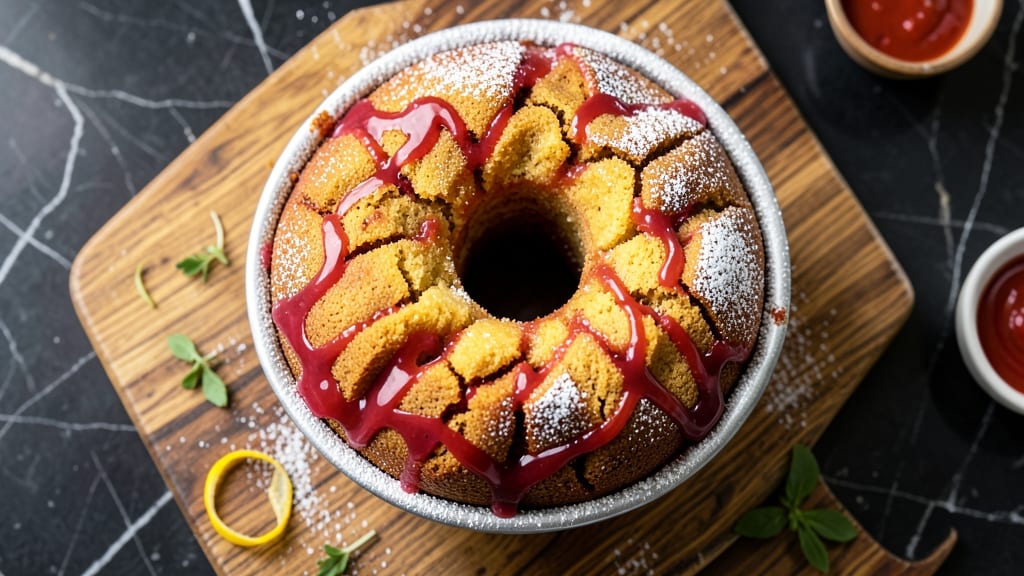
This apricot bundt cake recipe delivers a perfect balance of tender vanilla cake and bursts of fruity apricot flavor in every bite—no one will guess it’s a crowd-pleaser that takes just 60 minutes to bake. The secret lies in swapping half the oil for apricot puree, which keeps the cake moist while infusing that signature fruitiness. I’ve perfected this version after years of testing, and the zesty glaze—made with lemon juice and powdered sugar—elevates it from dessert to showstopper.
What sets this recipe apart is the technique: a well-greased bundt pan ensures even baking, while folding in apricot jam into the batter creates pockets of fruity surprise. The cake rises beautifully with a fine crumb and golden edges, while the glaze adds a tangy contrast that cuts through the richness. It’s the kind of dessert that disappears quickly but leaves everyone asking for seconds.
Whether you’re baking for a brunch spread or a special occasion, this apricot bundt cake delivers restaurant-quality results at home. The apricot flavor shines through without overpowering the vanilla base, making it versatile enough for breakfast or dessert. Plus, the glaze can be customized—add a splash of orange liqueur for a boozy twist or keep it simple with just powdered sugar and lemon zest.
The best part? This recipe scales easily for gatherings, and leftovers reheat beautifully. Once you try it, you’ll never buy a store-bought bundt cake again. Let’s get baking!
Ingredients for apricot bundt cake
Eight simple ingredients transform into a showstopping apricot bundt cake with golden edges and fruity surprises.
| Ingredient | Amount | Notes |
|---|---|---|
| All-Purpose Flour 🌾 | 2 ½ cups | Sifted for light texture |
| Granulated Sugar 🍚 | 1 ½ cups | White or light brown |
| Apricot Puree 🍑 | ½ cup | Unsweetened, homemade or jarred |
| Vegetable Oil 🫒 | ¼ cup | Light or canola preferred |
| Large Eggs 🥚 | 2 whole | Room temperature for even mixing |
| Unsweetened Applesauce 🍎 | ½ cup | Substitute for 1 egg if needed |
| Baking Powder 🍞 | 2 tsp | Freshly opened for lift |
| Ground Cinnamon 🌿 | 1 tsp | Freshly ground preferred |
| Salt 🧂 | ½ tsp | Fine sea salt preferred |
| Vanilla Extract 🌸 | 1 tbsp | Pure, not imitation |
| Apricot Jam 🍓 | ½ cup | Seedless for smooth texture |
| Powdered Sugar 🍚 | 1 ½ cups | For glaze, sifted |
| Lemon Juice 🍋 | 2 tbsp | Freshly squeezed |
| Apricot Liqueur (optional) 🍷 | 1 tbsp | For boozy glaze twist |
The apricot puree and jam are the heart of this cake. Look for unsweetened puree at specialty stores or make your own by blending pitted apricots with water. Trader Joe's and Whole Foods carry reliable brands, but homemade always tastes fresher. The jam should be seedless—Smucker's or Bon Appétit brands work well. For the glaze, powdered sugar is non-negotiable—it dissolves smoothly. If you can't find unsweetened puree, blend canned apricots (drained) with a splash of water to replicate it.
No apricot jam? Peach or plum jam works in a pinch, though the flavor will differ slightly. Substituting applesauce for the eggs? Use unsweetened—sweetened will throw off the balance. The vanilla extract should be pure, not imitation—Nilson's or McCormick are solid choices. For the glaze, if you skip the liqueur, add an extra 1 tbsp lemon juice for brightness. The cake batter is delicate—don't overmix once the dry ingredients are combined. A stand mixer with the paddle attachment keeps it light.
Store the cake in an airtight container at room temperature for up to 3 days, though it's best enjoyed fresh. The glaze hardens slightly but softens at room temperature. For longer storage, wrap tightly in plastic and refrigerate for up to 1 week. Reheat slices in the microwave for 10-15 seconds to revive the glaze. Freeze unwrapped portions for up to 3 months—thaw at room temperature before serving. The bundt pan should be well-greased before baking to ensure easy release.
Why You'll Love This Recipe
- No Fuss Mixing: I swear by this recipe’s simplicity—just whisk dry ingredients, stir in wet, and pour. The apricot puree does all the work, blending naturally with the oil and eggs for a smooth batter that’s foolproof, even if you’re not a baker.
- Sunshine in Every Bite: That apricot puree isn’t just flavor—it’s character. The cake has this bright, tangy sweetness that feels luxurious, but the vanilla and flour keep it cozy and familiar. Honestly, it’s the kind of dessert that makes you pause mid-slice.
- Weekday or Celebration: Between us, this cake is my go-to for lazy Sundays and brunch with friends. Serve it plain for a no-fuss treat, or dust with powdered sugar and a drizzle of honey for a fancier touch. It’s that adaptable.
- Leftovers That Last: The bundt shape means perfect portions—no one’s stuck with a whole cake. Plus, it stays moist for days, so I often bake one and save slices for snacks. Budget-friendly? Absolutely. Waste-free? Even better.
Step-by-step instructions for apricot bundt cake
Follow this method for a tender cake with perfect moisture and a bright citrus glaze.
Prepare the Cake Batter
Preheat your oven to 350°F and grease a 10-12 cup Bundt pan thoroughly with vegetable oil, then dust with flour, tapping out excess. In a large mixing bowl, whisk together the 2.5 cups all-purpose flour, 2 teaspoons baking powder, 1 teaspoon ground cinnamon, and ½ teaspoon salt. Sift this dry mixture directly into the bowl to prevent lumps.
In a separate bowl, beat the 1.5 cups granulated sugar, 2 whole large eggs, and 0.25 cup vegetable oil on medium speed until the mixture is pale and thickened, about 3-4 minutes. This creaming process incorporates air, which creates that light, airy texture we want. Stir in the 0.5 cup apricot puree, 0.5 cup unsweetened applesauce, and 1 tablespoon vanilla extract until fully combined.
With the mixer on low speed, gradually add the dry ingredients to the wet mixture, mixing just until combined. Be careful not to overmix—stop as soon as the flour is incorporated. Add the 0.5 cup apricot jam and mix until evenly distributed throughout the batter. The jam will add natural sweetness and moisture, balancing the tartness of the lemon glaze we'll make later.
Bake the Cake
Pour the batter into the prepared Bundt pan and smooth the top. Bake in the preheated oven for 50-60 minutes, or until a toothpick inserted into the center comes out clean. The cake is done when the top springs back gently when pressed and the internal temperature reaches 210°F. Rotate the pan halfway through baking if your oven has hot spots to ensure even cooking.
Here's the thing—Bundt cakes can dry out if overbaked. Start checking at the 45-minute mark and remove it as soon as it passes the toothpick test. The cake will continue cooking slightly as it cools, so it's better to pull it out a touch early. Let the cake cool in the pan for 15 minutes before inverting it onto a wire rack to cool completely. This gradual cooling prevents cracking and maintains the cake's structure.
Make the Glaze
While the cake cools, prepare the glaze by whisking together the 1.5 cups powdered sugar, 2 tablespoons lemon juice, and 1 tablespoon apricot liqueur (if using) in a medium bowl. The glaze should be thick but pourable—if it's too thick, add 1 teaspoon water at a time until it reaches a smooth, drizzling consistency. The lemon juice brightens the flavor and cuts through the natural sweetness of the apricot.
For a professional finish, strain the glaze through a fine-mesh sieve to remove any lumps. The glaze should be completely smooth—any grit will show up on the cake's surface. If you're feeling ambitious, you can add a pinch of ground cinnamon to the glaze for an extra layer of warmth that complements the cake's flavor.
Assemble and Serve
Once the cake is completely cool, place it on a cake stand or serving plate. Pour the glaze over the top, letting it drip down the sides naturally. For an even coating, tilt the cake gently and let the glaze flow to the edges. The glaze should set within 10-15 minutes, creating a beautiful, glossy finish that adds a tangy contrast to the cake's sweetness.
Slice the cake into 8 equal wedges using a sharp serrated knife. For cleaner cuts, dip the knife in hot water and wipe it dry between slices. Serve immediately or store in an airtight container at room temperature for up to 3 days. The cake's moist texture and bright glaze make it perfect for breakfast, brunch, or even as a light dessert.
Pro Tips For Making Apricot Bundt Cake
- STRAIN THE PUREE: That apricot puree might look smooth, but hidden fiber will make your cake dense and gummy. Strain it through a fine-mesh sieve before measuring—yes, even if it’s store-bought. I learned this the hard way after a cake that tasted more like apricot mush than cake.
- WEIGH YOUR FLOUR: Scooping flour from the bag packs in air, and your bundt cake will end up dry or crumbly. Use a kitchen scale for the flour—just 225g (1 ½ cups) measured right. I was skeptical until I tried it, and now my cakes rise properly every time.
- BAKE UNTIL COOL: The cake might look done at 325°F, but pulling it out too soon means a gummy center that won’t set right. Bake until the internal temp hits 205°F—yes, even if the top looks slightly underdone. It’ll firm up as it cools, I promise.
- SWAP OIL FOR BUTTER: Vegetable oil keeps this cake moist, but it lacks flavor. Replace half with melted unsalted butter (same volume) for a richer taste—just don’t overmix the batter afterward. I skip this when I’m lazy, but the difference is noticeable.
Wine and beer pairings for this dish
White Wine Pairings
This apricot bundt cake's delicate balance of vanilla and fruit pairs beautifully with crisp white wines. A Sauvignon Blanc from New Zealand, with its bright citrus and herbal notes, complements the lemon glaze perfectly. Look for a bottle like Kim Crawford or Oyster Bay—their zesty acidity cleanses the palate between bites. The apricot's natural sweetness also works wonderfully with Viognier, particularly those from California's Central Coast. Try Ravenswood or La Crema for a floral, peachy contrast that enhances the cake's fruitiness. 🍷
Rosé Wine Options
For a more casual, summery vibe, a dry Provence-style rosé like Whispering Angel or Château d'Esclans brings refreshing berry and citrus notes that mirror the apricot's flavor. The wine's subtle sweetness won't overpower the cake, while its crispness balances the glaze's tang. If you prefer a slightly fruitier rosé, try Miraval—its vibrant raspberry undertones harmonize beautifully with the apricot. Serve slightly chilled (50-55°F) to let the wine's delicate aromas shine alongside the cake's warm spices.
Sparkling Wine Elevation
Celebrate special occasions with a demi-sec sparkling wine like Moët & Chandon or Laurent-Perrier. The effervescence and slight sweetness create a luxurious pairing that enhances the cake's richness without competing. For a budget-friendly alternative, Gruet Brut offers a crisp, dry sparkle that highlights the cake's vanilla and lemon notes. Chill these wines to 40-45°F—the colder temperature brings out their bright acidity, which cuts through the cake's density beautifully. ✨
Beer Pairings
A dry Riesling from Germany, like Dr. Loosen Blue Slate, offers a perfect beer pairing with its mineral notes and subtle sweetness. The wine's acidity mirrors the lemon glaze, while its apricot undertones echo the cake's fruitiness. For a lighter option, try a Belgian witbier like Hoegaarden—its coriander and citrus notes create an unexpected but refreshing contrast. The beer's effervescence also helps cleanse the palate between rich bites of cake. Serve both at 45-50°F for optimal flavor balance.
Coffee or Tea Alternatives
If you prefer non-alcoholic options, a lightly sweetened chai latte made with Starbucks Chai Tea Latte mix or homemade spiced chai complements the cake's cinnamon warmth. The cardamom and ginger notes enhance the apricot's natural sweetness. For a more traditional pairing, serve with Earl Grey tea—its bergamot aroma adds a citrusy brightness that mirrors the lemon glaze. Brew it with a splash of milk for a creamy contrast to the cake's tender crumb. ☕
Nutrition facts
Frequently asked questions
Can I substitute apricot jam for fresh apricots in this cake?
Yes, but with a few adjustments! Use 0.5 cup apricot jam (as listed) for convenience, but if using fresh apricots, puree 1 cup pitted apricots with 1-2 tablespoons water to replace both the jam and puree. For extra moisture, add 1 tablespoon extra oil to the batter. Fresh apricots add a brighter flavor but require more prep time.
Why does my apricot bundt cake sometimes crack on top?
Cracking usually happens from sudden temperature changes or overbaking. Let the cake cool in the pan for 15 minutes before inverting, then transfer to a wire rack. Avoid opening the oven door too early—hot air escaping causes uneven cooling. If cracks appear, they’re mostly cosmetic and won’t affect taste!
How do I make this cake vegan?
Swap the eggs for 0.5 cup unsweetened applesauce + 1 tbsp vinegar (let sit 5 minutes to curdle), and use vegetable oil (already included). For the glaze, replace eggs with 1 tbsp cornstarch + 1 tbsp water cooked until thickened. The texture will be slightly denser but still delicious!
Can I bake this cake in a regular round pan instead?
Technically yes, but the shape and texture will differ. Bundt pans create a unique, even bake with intricate patterns. In a round pan, bake at 325°F for 40-45 minutes—the cake may be denser near the edges. For best results, stick with the bundt pan for that signature look and texture!
What’s the best way to store leftovers?
Wrap the cake tightly in plastic wrap or store in an airtight container at room temperature for up to 3 days. For longer storage, refrigerate for 1 week or freeze for 3 months. Reheat slices in the microwave for 10-15 seconds to soften the glaze. Avoid storing with the glaze still wet—it can make the cake soggy!