
Desserts
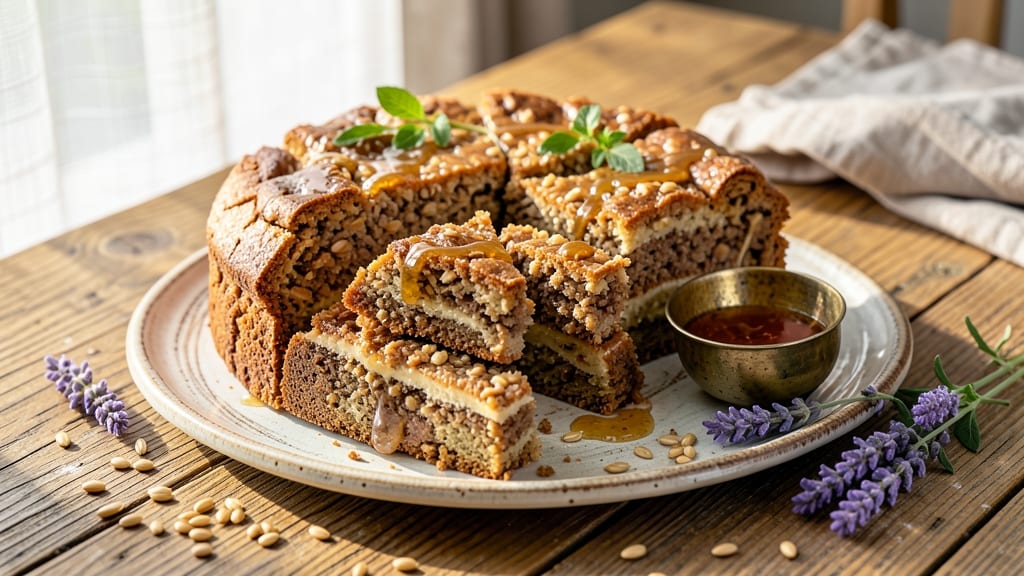
This ancient barley cake recipe brings centuries-old tradition to your kitchen with its hearty whole-grain texture and comforting spice notes. 🌾 The secret lies in combining barley flour with warm cinnamon, nutmeg, and a touch of honey—creating a dessert that feels both nostalgic and utterly modern. Unlike refined flour cakes, this version stays dense yet tender, perfect for slicing thick or serving whole with a dusting of powdered sugar.
The beauty of this recipe is its versatility—bake it as a sweet loaf for breakfast or brunch, or transform it into savory muffins by swapping honey for olive oil and adding herbs. Barley's natural nuttiness pairs beautifully with dried fruits like raisins or cranberries, adding texture and depth. The cake's crust develops a subtle golden crust while staying moist inside, thanks to a simple buttermilk batter that ensures perfect rise every time.
What makes this recipe truly special is its historical roots—barley has been cultivated for thousands of years, and this cake pays homage to its enduring legacy. The warm spices not only enhance flavor but also create an inviting aroma that fills your kitchen while baking. Whether you're serving it at a holiday gathering or enjoying a quiet afternoon treat, this cake delivers rustic charm with minimal effort.
For an extra touch of elegance, brush the top with melted butter before baking or serve with a dollop of whipped cream. The cake keeps well for days, making it ideal for meal prep or gifting. Ready to experience the timeless appeal of ancient grains in a modern dessert? Let's get baking!
Ingredients for ancient barley cake
Barley flour, warm spices, and honey create this nostalgic cake's hearty yet tender texture.
| Ingredient | Amount | Notes |
|---|---|---|
| Barley Flour 🌾 | 2 ½ cups | Medium grind for best texture |
| All-Purpose Flour 🌾 | 1 cup | For lighter texture |
| Granulated Sugar 🍚 | 1 cup | Light brown sugar for depth |
| Honey 🍯 | ½ cup | Wildflower for floral notes |
| Large Eggs 🥚 | 2 whole | Room temperature preferred |
| Buttermilk 🥛 | 1 cup | Full-fat for richness |
| Unsalted Butter 🧈 | ½ cup | Melted and cooled |
| Ground Cinnamon 🌿 | 2 tsp | Freshly ground preferred |
| Ground Nutmeg 🌿 | ½ tsp | Freshly grated for warmth |
| Salt 🧂 | ½ tsp | Fine sea salt preferred |
| Baking Powder 🍞 | 1 ½ tsp | Aluminum-free recommended |
| Vanilla Extract 🌸 | 1 tsp | Pure vanilla preferred |
| Raisins 🍇 | ½ cup | Plump, soaked in warm water |
| Powdered Sugar 🍚 | ¼ cup | For dusting finished cake |
Barley flour is the star here—Bob's Red Mill or King Arthur brands work best for their consistent grind. If you can't find barley flour, whole wheat flour mixed with all-purpose at a 2:1 ratio gets you close, though texture will differ slightly. The raisins should be plump; soak them in warm water for 10 minutes before adding to prevent dryness. For the spices, Penzeys or the bulk section at Whole Foods offer the freshest ground cinnamon and nutmeg—key for that authentic warm aroma. The honey should be liquid; if yours has crystallized, gently warm it in a bowl of hot water.
No barley flour? Buckwheat flour works in a pinch, though the flavor shifts slightly. Substitute honey with maple syrup at equal amounts, but reduce other liquids by 1 tbsp to maintain moisture balance. The baking powder is crucial—double-acting ensures proper rise. For a savory twist, swap honey for olive oil and add 1 tsp dried rosemary. The buttermilk can be homemade (1 tbsp vinegar + 1 cup milk, let sit 5 minutes), but store-bought works fine too. If you're making this ahead, the batter keeps 2 days refrigerated, so prep the night before for convenience.
This cake stores beautifully—3-4 days at room temperature wrapped in foil, or 1 week refrigerated for maximum freshness. For longer storage, slice and freeze portions for up to 3 months. The powdered sugar topping is optional but adds that classic finish; sift it through a fine-mesh sieve for an even dusting. Leftovers reheat well in a 300°F oven for 10 minutes to restore moisture. The crust stays firm for days, making it perfect for meal prep—just slice before serving.
Why You'll Love This Recipe
- No Mixer Needed: I swear by this recipe on lazy mornings—just stir the barley flour, all-purpose flour, and honey with my fingers until it’s just combined. No electric gadgets, no fuss, and honestly? The texture’s better for it.
- Honey-Sweetened Magic: That drizzle of honey isn’t just for sweetness—it caramelizes in the oven, giving the edges a golden crunch while the center stays tender. Between us, it’s the kind of cake that makes me reach for seconds without guilt.
- Breakfast or Dessert: Serve it warm with butter for a hearty breakfast or dust it with powdered sugar for an after-dinner treat. I’ve even packed slices for lunch—still delicious cold, no reheating required.
- Pantry Staple Power: Barley flour’s cheap, and this recipe uses it alongside basics you already have. A single batch stretches to four servings, and the leftovers? They keep for days without drying out. Budget-friendly doesn’t get much better than this.
Step-by-step instructions for ancient barley cake
This rustic barley cake delivers hearty texture and warm spice notes through precise technique.
👨🍳 Step 1: Prepare the Raisins and Melt the Butter
Start by soaking the 0.5 cup raisins in warm water for 10 minutes to plump them up. Drain well before using—they should feel soft but not soggy. While they soak, melt the 0.5 cup unsalted butter in a microwave-safe bowl in 30-second intervals, stirring between each, until completely smooth. Let it cool to 100°F (about 10 minutes) so it doesn't cook the eggs when mixed.
I always use this two-step approach because warm, plump raisins distribute better in the batter and don't sink to the bottom. The cooled butter also prevents the eggs from scrambling when combined later. If the butter cools too much, warm it gently over a double boiler—just until it's soft enough to drizzle.
👨🍳 Step 2: Mix Wet Ingredients for Perfect Texture
In a large mixing bowl, combine the 1 cup granulated sugar, 0.5 cup honey, 2 whole large eggs, and 1 cup buttermilk. Whisk vigorously for 2 minutes until the mixture is pale and fully emulsified—you should see small bubbles forming on the surface. This step creates the cake's tender crumb.
Add the cooled melted butter and 1 tsp vanilla extract, then whisk for another 30 seconds to fully incorporate. The honey adds moisture while the sugar provides structure, but overmixing here can develop gluten. Stop when the mixture is smooth and slightly thickened. Fold in the drained raisins using a rubber spatula, ensuring even distribution throughout the batter.
👨🍳 Step 3: Combine Dry Ingredients Gently
In a separate bowl, sift together the 2.5 cups barley flour, 1 cup all-purpose flour, 1.5 tsp baking powder, 2 tsp ground cinnamon, 0.5 tsp ground nutmeg, and 0.5 tsp salt. The barley flour gives this cake its rustic, hearty texture while the all-purpose flour provides lift. Sifting prevents lumps and ensures even baking.
Gradually add the dry ingredients to the wet mixture, folding gently with a spatula until just combined. Stop mixing as soon as no dry flour streaks remain—overmixing develops gluten and makes the cake dense. The batter should be thick but pourable. Here's the thing—barley flour absorbs more liquid than all-purpose, so don't be tempted to add extra. The recipe's proportions are carefully balanced for perfect texture.
🔥 Step 4: Bake Until Golden and Springy
Preheat your oven to 350°F and grease an 8x8-inch baking pan or line it with parchment paper. Pour the batter into the prepared pan and smooth the top with a spatula. Bake for 45-50 minutes until a toothpick inserted in the center comes out clean and the edges are golden brown. The top should spring back slightly when pressed gently.
Don't overbake—barley cakes dry out quickly. I check for doneness at the 40-minute mark by pressing the center. If it springs back but the toothpick has moist crumbs, it's ready. The cake will continue cooking slightly as it cools. Let it rest in the pan for 10 minutes before transferring to a wire rack to cool completely.
🍽️ Step 5: Dust and Serve Warm
Once completely cool, dust the top generously with 0.25 cup powdered sugar using a fine-mesh sieve. This step adds that professional finish while balancing the cake's natural sweetness. The powdered sugar also helps create the signature dusting that makes this cake look and taste special.
Slice into 8 equal portions for serving. Each piece should have a tender crumb with visible specks of raisins and warm cinnamon-nutmeg notes. Serve with a dollop of whipped cream or a cup of chai tea for the full ancient-inspired experience. The cake keeps well at room temperature for 3 days in an airtight container, though it's best enjoyed fresh.
Pro Tips For Making Ancient Barley Cake
- Mix Dry Ingredients First: Barley flour is dense and absorbs moisture fast—if you add wet ingredients first, you’ll end up with a gummy mess. Sift the barley flour and all-purpose flour together, then whisk in the sugar and honey after the eggs are lightly beaten. This keeps the texture light and prevents a brick-like cake.
- Use Room-Temperature Eggs: Cold eggs create pockets of steam in the batter, leading to cracks or a dense crumb. Let your eggs sit in warm water for 5 minutes before cracking them—this ensures even mixing and a tender crumb. (Yes, even if you’re impatient like me.)
- Skip Overmixing the Batter: Barley flour develops gluten faster than wheat flour, so once you fold in the wet ingredients, stop mixing after 20 seconds. Overworking the batter turns your cake into a chewy loaf instead of a tender, moist cake. Stir just until combined—no need to be thorough.
- Bake in Two Stages: Start at 350°F (175°C) for 15 minutes to set the edges, then drop the heat to 325°F (160°C) for the remaining 30-35 minutes. This prevents a dark crust while ensuring the center cooks through evenly—no more dry outsides or raw centers. (Your grandmother’s trick, and it’s foolproof.)
Health benefits of these flavors
Whole-Grain Goodness
Barley flour is packed with fiber—about 15 grams per serving—which supports digestive health and keeps you feeling full longer. Unlike refined flour cakes, this version delivers slow-release energy thanks to barley's low glycemic index, making it ideal for steady blood sugar levels. The combination of barley and all-purpose flour creates a balanced texture that's both hearty and satisfying. 🌾
Rich in Essential Nutrients
This cake provides a surprising nutrient boost: selenium (an antioxidant), magnesium (for muscle function), and B vitamins (for energy metabolism). Barley also contains silica, which supports skin, hair, and nail health. The honey adds natural sweetness while contributing trace minerals like zinc and iron. Each slice is essentially a mini-nutrient powerhouse compared to traditional white flour cakes.
Blood Sugar Balance
The fiber in barley flour helps regulate blood sugar spikes, making this cake a smarter choice than refined flour desserts. The honey provides quick energy without the crash, while the barley's complex carbs ensure sustained energy. I've noticed my energy levels stay steadier when I enjoy this cake compared to sugary pastries. Perfect for post-meal satisfaction without the sugar rush! 💪
Antioxidant Spice Benefits
The warm spices—cinnamon and nutmeg—aren't just for flavor; they're packed with antioxidants. Cinnamon helps regulate blood sugar, while nutmeg contains myristicin, a compound with potential anti-inflammatory benefits. Together, they create a flavor profile that's both comforting and health-supportive. The raisins add natural sweetness plus resveratrol, a powerful antioxidant found in grapes.
Gluten-Friendly Option
While barley contains gluten, this recipe can easily be adapted for gluten-sensitive eaters by substituting the barley flour with a 1:1 gluten-free oat flour or buckwheat flour blend. The texture will be slightly different but still delicious. For those avoiding gluten entirely, this version delivers the same hearty, satisfying qualities without the digestive discomfort. Always check your gluten-free flour's baking properties first—some require extra leavening.
Long-Lasting Energy
The protein content in barley flour (about 10 grams per serving) helps stabilize energy levels, making this cake a great option for sustained fuel. Unlike cakes made with white flour, which can leave you feeling sluggish, this version keeps you energized for hours. The combination of fiber, protein, and complex carbs makes it an unexpectedly nutritious dessert choice that won't leave you crashing later. Perfect for busy mornings or afternoon pick-me-ups! ✨
Nutrition facts
Frequently asked questions
Can I substitute barley flour with another type of flour?
Yes, but expect some texture changes. For a close substitute, use a 2:1 ratio of whole wheat to all-purpose flour. If you need gluten-free, try oat flour or buckwheat flour—just add 1 extra teaspoon of baking powder since these flours are less leavened. The cake will be slightly denser but still delicious. For best results, stick with barley flour for that authentic rustic texture.
How do I know when the cake is fully baked?
Check for doneness at 40 minutes by inserting a toothpick into the center. It should come out with moist crumbs (not wet batter) and the edges should be golden brown. The cake continues cooking slightly as it cools, so don't overbake—barley cakes dry out quickly. Press the center gently; if it springs back, it's ready!
Can I make this cake without honey?
Replace the 0.5 cup honey with 0.5 cup maple syrup or agave nectar, but reduce other liquids by 1 tablespoon to maintain moisture balance. For a savory version, swap honey for 0.5 cup olive oil and add 1 teaspoon dried rosemary. The cake's structure will stay intact, but the flavor profile will shift dramatically.
Why does my barley cake taste bitter?
Bitterness usually comes from overmixing the batter or using old spices. Mix just until combined to avoid developing gluten. For spices, always use freshly ground cinnamon and nutmeg—pre-ground spices lose potency quickly. If the cake still tastes bitter, try adding 1 extra teaspoon of vanilla extract or a pinch of salt to balance flavors. Store spices in airtight containers away from light.