
Desserts
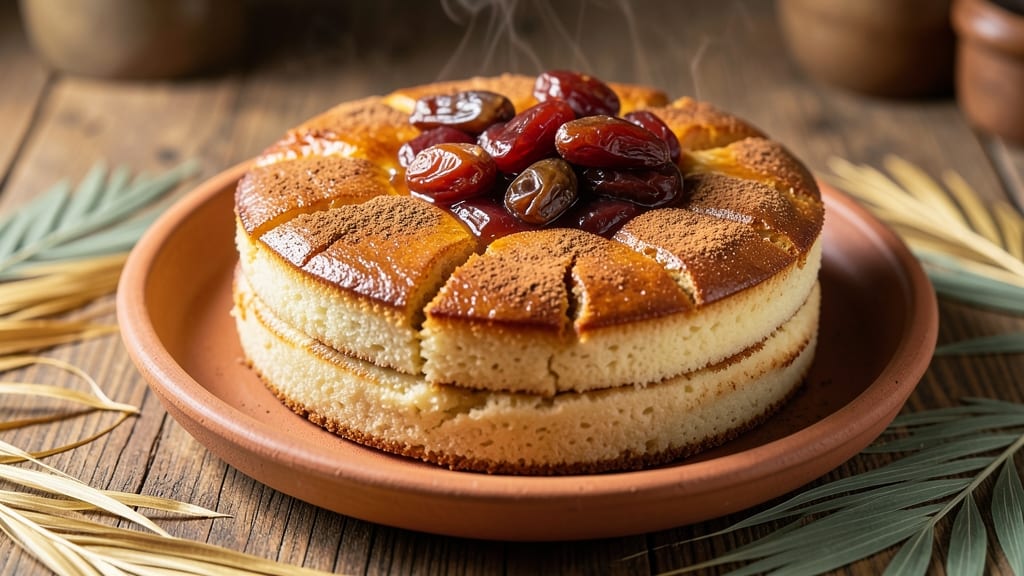
This ancient Egyptian honey cake recipe transports you straight to the banks of the Nile with its golden spice and date-filled tradition. 🌟 The original version relied on honey as the primary sweetener, flour, and simple spices like cinnamon or cardamom—ingredients that were prized in ancient Egypt for both their flavor and symbolic significance. What makes this recipe special is how it balances historical authenticity with modern baking techniques, ensuring you get a cake that's both true to its roots and foolproof in your kitchen.
The foundation of this cake is a tender, moist crumb achieved through a combination of honey and dates, which provide natural sweetness without overpowering the warm spices. Unlike many modern cakes, this one doesn't require refined sugar—just high-quality honey and a touch of oil to keep it tender. The dates, often stuffed into the cake or layered between batter and crumb, add a chewy texture and deep, caramelized flavor that was a staple in ancient Egyptian diets.
By the time it emerges from the oven, you'll have a cake with a golden, slightly domed top and a crumb that's soft yet sturdy enough to hold its shape. The aroma of cinnamon and cardamom will fill your kitchen, transporting you to a time when cakes like this were prepared for festivals and shared among families. This recipe is designed to be both historically accurate and adaptable—whether you're baking for a cultural celebration or simply craving a dessert with deep roots.
The best part? This cake improves with time, as the flavors deepen and the textures soften. Serve it warm with a dusting of sesame seeds or a drizzle of rosewater for an authentic touch, or enjoy it at room temperature with a cup of spiced tea. Let's bring this ancient tradition to life in your kitchen.
Ingredients for ancient egyptian honey cake
Golden honey, spiced dates, and warm Egyptian flavors—just 14 ingredients for a cake fit for pharaohs.
| Ingredient | Amount | Notes |
|---|---|---|
| All-Purpose Flour 🌾 | 3 cups | Sifted for light texture |
| Honey 🍯 | 1 ½ cups | Raw, unfiltered preferred |
| Pitted Medjool Dates 🍇 | 1 ½ cups | Chopped for texture |
| Unsalted Butter 🧈 | ½ cup | Cold, cubed for creaming |
| Large Eggs 🥚 | 2 whole | Room temperature |
| Ground Cinnamon 🌶️ | 1 tbsp | Freshly ground preferred |
| Ground Cardamom 🌿 | ½ tbsp | Toasted for deeper flavor |
| Vanilla Extract 🌸 | 1 tsp | Pure extract preferred |
| Baking Soda 🧂 | ½ tsp | For lift |
| Salt 🧂 | ¼ tsp | Fine sea salt |
| Toasted Sesame Seeds 🌰 | ¼ cup | For garnish |
| Rosewater 🌹 | 1 tsp | Pure, food-grade |
| Orange Zest 🍊 | 1 tbsp | Freshly grated |
| Toasted Almonds 🌰 | ½ cup | Chopped for crunch |
Honey is the soul of this cake, so don't skimp—raw, unfiltered honey has the most complex flavor. Local honey works best, but any high-quality variety will do. The dates? Medjool are ideal, but regular pitted dates chopped finely work too. For the spices, Penzeys or bulk bins at Whole Foods are your best bets—freshly ground cinnamon and cardamom make all the difference. The butter should be cold when you cube it—this keeps the crumb tender. I always double-check the baking soda isn't expired (old baking soda won't rise).
No Medjool dates? Regular pitted dates chopped fine work just as well. Short on cardamom? Nutmeg at half the amount gives a similar warmth. The rosewater can be tricky to find—Middle Eastern markets or specialty stores usually carry it. No rosewater? Orange blossom water is a good substitute. The sesame seeds and almonds should be toasted until golden—this brings out their nutty flavor. For the orange zest, use a microplane to get fine shreds without the bitter pith.
This cake keeps beautifully—3-4 days at room temperature wrapped in cloth, or 1 week in the fridge. The flavors actually deepen over time, so it's perfect for making ahead. For serving, dust with extra sesame seeds and a drizzle of honey. Store leftovers in an airtight container with a slice of bread to keep it soft. Freezing isn't recommended—the texture changes too much. Serve with spiced tea for that authentic Egyptian touch.
Why You'll Love This Recipe
- No Fuss Mixing: I swear, this cake comes together with just a bowl and a fork—no stand mixer, no complicated folding. The honey and butter soften the dates right into the batter, so you’re not left with chewy chunks to strain out.
- Sweet Without Guilt: That sticky-sweet honey and caramelized dates make it taste like a dessert, but the butter and eggs keep it rich without needing refined sugar. Honestly, I’ve had people ask if it’s gluten-free, and I just smile—it’s just that good.
- Office Picnic Hero: Between us, this cake holds up for days in the fridge, and it’s the only thing I pack for work that doesn’t get swapped for someone’s sad store-bought granola bar. Slice it thin, and it’s perfect for lunchboxes or coffee breaks.
- Budget-Friendly Luxury: Dates and honey are pricey, but a little goes a long way here—you’re not drowning them in flour or eggs. I’ll be real: my first batch cost less than a fancy bakery cake, and it’s way better. Plus, leftovers? They vanish in 48 hours.
Step-by-step instructions for ancient Egyptian honey cake
Bring this golden spice tradition to life with simple steps that honor ancient techniques.
👨🍳 Step 1: Prepare the Date Filling
In a food processor, pulse the 1.5 cups pitted Medjool dates until they resemble coarse sand—about 10-15 pulses. Transfer to a bowl and mix with 1 tbsp orange zest and 1 tsp rosewater. The dates should soften slightly and release their natural oils, creating a fragrant, sticky paste. This filling was a luxurious treat in ancient Egypt, often reserved for special occasions.
Set aside the date mixture while you prepare the cake batter. The rosewater and orange zest will infuse the dates with bright, floral notes that balance the rich honey. If the mixture seems too dry, add 1 tsp honey to help bind it together—this ensures the filling stays cohesive when baked.
🍳 Step 2: Cream Butter and Honey
In a stand mixer fitted with the paddle attachment, beat the 0.5 cup cold unsalted butter and 1.5 cups honey on medium speed for 3-4 minutes until light and fluffy. The butter should be fully incorporated, and the mixture should thicken noticeably. This step mimics the ancient Egyptian technique of blending honey with rendered fats to create stable, long-lasting baked goods.
Scrape down the sides of the bowl with a spatula to ensure even mixing. The honey's natural viscosity helps create a tender crumb, while the cold butter adds structure. If the mixture feels too thick, add 1 tsp warm water to loosen it—this keeps the cake moist without making it dense.
👨🍳 Step 3: Combine Wet and Dry Ingredients
Add the 2 whole room-temperature eggs, 1 tsp vanilla extract, and 1 tbsp ground cinnamon to the butter-honey mixture. Beat on low speed for 1 minute until fully combined. In a separate bowl, whisk together the 3 cups sifted all-purpose flour, 0.5 tbsp ground cardamom, 0.5 tsp baking soda, and 0.25 tsp salt. The cardamom adds a warm, earthy depth that was prized in ancient Egyptian cuisine.
Gradually add the dry ingredients to the wet mixture, mixing on low speed just until combined—about 30 seconds. Overmixing develops gluten, which can make the cake tough. The batter should be thick but pourable. Fold in the 0.5 cup toasted almonds and 0.25 cup toasted sesame seeds by hand to distribute them evenly throughout the batter.
🥘 Step 4: Assemble and Bake the Cake
Preheat your oven to 350°F. Grease an 8-inch round cake pan and line the bottom with parchment paper. Pour half of the batter into the pan, spreading it evenly. Drop spoonfuls of the date filling over the batter, spacing them 1 inch apart. Top with the remaining batter, spreading it smoothly to cover the filling completely.
Bake for 40-45 minutes, or until a toothpick inserted into the center comes out clean. The cake should be golden brown on top, with a slight crack forming at the edges—a sign it’s fully baked. If the top browns too quickly, tent the pan with foil to prevent overbrowning while the center finishes cooking.
⏰ Step 5: Rest and Serve
Allow the cake to cool in the pan for 10 minutes, then transfer it to a wire rack to cool completely. This resting period ensures the layers set properly and the filling firms up slightly. Once cooled, dust the top with powdered sugar and garnish with additional toasted sesame seeds and toasted almonds for a decorative finish inspired by ancient Egyptian table settings.
Slice the cake into 8 equal wedges and serve at room temperature. The contrast of the warm spiced cake with the sweet, floral date filling creates a harmonious balance that would feel right at home in an ancient Egyptian feast. Store any leftovers in an airtight container for up to 3 days—though I doubt it will last that long!
Pro Tips For Making Ancient Egyptian Honey Cake
- Soften Dates Properly: Chop those Medjool dates into tiny pieces—no bigger than ¼-inch cubes—and soak them in warm water for 10 minutes first. I learned this the hard way: dry dates turn the batter into a chewy, uneven mess. The soak plumps them up, blends them smoothly, and keeps the texture tender. Drain well before mixing, or you’ll end up with a gloppy batter.
- Cream Butter Slowly: Let your unsalted butter sit out until it’s just soft to the touch—like a warm room-temperature stick, not melted. Beat it with the honey for 3–4 minutes until it’s pale and fluffy, not greasy. I used to rush this, and the cake turned dense. Take your time; this step makes the difference between a cake that’s light and one that’s heavy.
- Avoid Overmixing: Once you fold in the flour, stop after 10–12 strokes. Overmixing develops the gluten and turns your honey cake into a tough, dry brick. The batter will look shaggy—ignore that. It’s supposed to be uneven. Fold just until combined, then trust the process.
- Bake at 325°F: Preheat your oven to 325°F and bake the cake in the middle rack—not the top. I used to crank it to 350°F, and the outside burned before the center set. The lower temp ensures even baking, and the middle rack prevents a domed, overbrowned top. Insert a toothpick after 40 minutes; it should come out with moist crumbs, not wet batter.
Regional styles of ancient egyptian honey cake
Nile Valley Tradition
The original honey cakes of ancient Egypt were prepared for religious festivals and royal feasts, often shaped like loaves or round cakes. These early versions used simple ingredients like honey, flour, and dates—staples of the Egyptian diet. Archaeological evidence from tomb paintings and hieroglyphs shows cakes being offered to gods like Osiris and Bastet, symbolizing abundance and prosperity. 🌟
In Upper Egypt, the cakes often included sesame seeds and nuts, reflecting the region's agricultural abundance along the Nile. Lower Egypt versions sometimes incorporated saffron or rosewater, luxury ingredients traded along Mediterranean routes. The layering technique you use today mirrors ancient methods where batters were stacked with fruit or nut fillings for texture contrast.
Phoenician Trade Influence
Phoenician traders introduced spices like cinnamon and cardamom to Egypt around 1200 BCE, transforming local honey cakes. These spices became status symbols among Egyptian elites, appearing in royal tombs alongside the cakes. The combination of honey, spices, and dates created a dessert that was both nourishing and ceremonial—perfect for long journeys or temple offerings. 🌿
Modern adaptations often include orange zest, a nod to the citrus fruits cultivated in Egypt's eastern delta regions. Ancient Egyptians used citrus primarily for medicinal purposes, but its bright flavor complemented the rich honey perfectly. The rosewater you add today was similarly prized—used in perfumes and royal cuisine.
Modern Egyptian Adaptations
In contemporary Egyptian cuisine, this cake evolved into what's known as "Kahk" or "Basbousa," though those versions typically use semolina. The honey cake you're making stays truer to ancient recipes while using modern baking techniques. Many Egyptian families still prepare similar versions for Eid celebrations, often with additional nuts or pistachios. 🌰
For a true Egyptian touch, serve your cake with a cup of karkade (hibiscus tea) or sahlab (a warm milk-based drink with cinnamon). The tea's tartness cuts through the sweetness, while sahlab adds a creamy contrast. These pairings were common in ancient Egyptian dining culture, where meals were both nourishing and symbolic.
Festive Variations
For New Year celebrations, Egyptians traditionally baked cakes with extra dates and almonds to symbolize prosperity. The almonds represented fertility, while dates stood for abundance. You can create this version by doubling the almond quantity and adding extra cardamom for warmth. 🍯
During the harvest season, some regions added crushed figs or dates to the filling, creating a rustic variation that was shared among farmers. This version was simpler but equally beloved—perfect for communal feasting. The key is balancing sweetness with the earthy spices that were central to ancient Egyptian flavor profiles.
Nutrition facts
Frequently asked questions
Can I substitute honey with another sweetener?
While honey is essential for authenticity, you can use agave syrup or maple syrup in a 1:1 ratio if needed. Keep in mind the flavor will be slightly different—honey's depth comes from its natural enzymes and floral notes. For a closer match, add 1 tsp vanilla extract to compensate for the missing complexity.
Why does my cake turn out dense instead of tender?
Overmixing the batter or using warm butter are common culprits. Always cream cold butter with honey until light and fluffy, then mix dry ingredients gently. Also ensure your baking soda is fresh—old leavening won't provide proper lift. For extra moisture, try adding 1 tbsp yogurt to the batter.
How do I make this cake gluten-free?
Replace the all-purpose flour with a 1:1 gluten-free baking flour blend (like Bob's Red Mill). Add 0.5 tsp xanthan gum to improve texture. For best results, let the batter rest for 10 minutes before baking. The cake will be slightly denser but still delicious with the honey and spice combination.
What's the best way to store leftovers?
Wrap the cake tightly in beeswax paper or foil, then place in an airtight container with a slice of bread to maintain moisture. It stays fresh for 3-4 days at room temperature or 1 week refrigerated. For longer storage, freeze individual slices wrapped in plastic—thaw at room temperature before serving.
Can I bake this in a different pan shape?
Yes! Use an 8-inch square pan or 9-inch round pan and adjust baking time by 5-7 minutes (check with a toothpick). For a loaf shape, try a 9x5-inch pan and bake for 50-55 minutes. The key is maintaining the same batter-to-pan ratio—about 2/3 full—to ensure even baking.