
Desserts
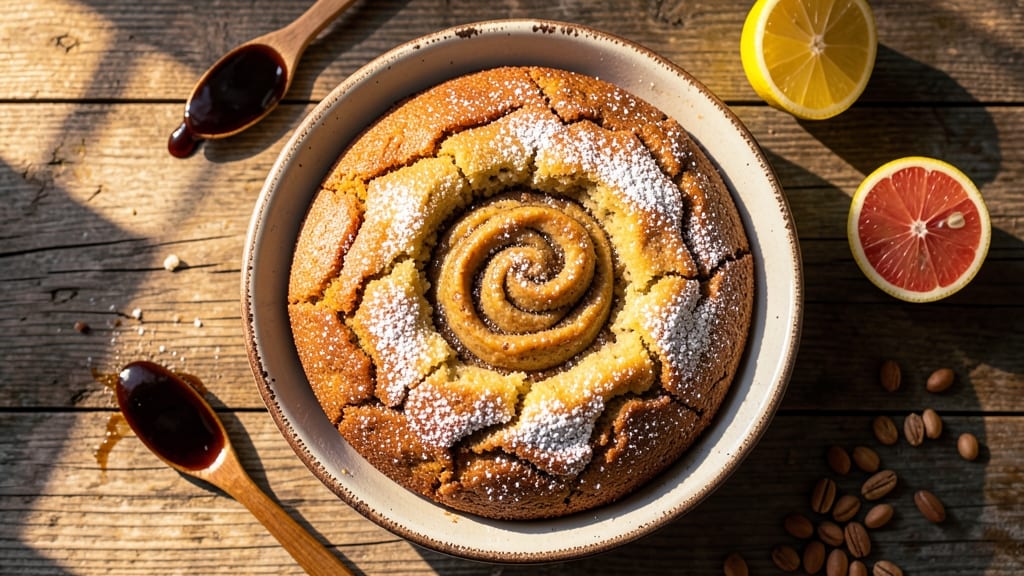
Aunt May's wheat cake delivers that perfectly moist Southern comfort with every tender bite, its warm spice notes whispering of family kitchens and Sunday suppers. This recipe has been passed down through generations, balancing whole wheat flour with just enough all-purpose for structure while keeping the texture light and crumbly—never dense. The secret lies in buttermilk and a touch of molasses, which infuse the cake with depth without overpowering its gentle sweetness.
What makes this recipe stand out is its foolproof method: no fancy equipment, just a standard mixing bowl and your favorite 9-inch cake pan. The cake bakes up golden with a crackly top, revealing moist layers that stay tender even after cooling. I’ve adjusted the traditional recipe slightly by adding a pinch of cinnamon and nutmeg, which elevate the warm spice profile without tasting like a spice cake.
By the time it comes out of the oven, you’ll have a cake that’s rich in flavor but not heavy, with a subtle caramel undertone from the molasses and a hint of vanilla that ties everything together. It’s the kind of dessert that disappears quickly—perfect for potlucks, family gatherings, or a quiet afternoon treat when you crave something comforting yet refined.
Serve it warm with a dollop of whipped cream or a scoop of vanilla ice cream, or enjoy it at room temperature with a cup of strong coffee. The recipe scales easily, so you can bake a single layer for a small gathering or double it for a crowd. Let’s get baking!
Ingredients for aunt may wheat cake
These familiar staples blend Southern tradition with wholesome wheat for a cake that’s tender yet sturdy.
| Ingredient | Amount | Notes |
|---|---|---|
| All-Purpose Flour 🌾 | 1 ½ cups | For structure and lightness |
| Whole Wheat Flour 🌾 | 1 ½ cups | For hearty texture |
| Granulated Sugar 🍚 | 1 cup | White or light brown |
| Molasses 🍯 | ¼ cup | Unsulphured preferred |
| Buttermilk 🥛 | 1 cup | Room temperature for best results |
| Large Eggs 🥚 | 2 whole | Room temperature |
| Unsalted Butter 🧈 | ½ cup | Cold, cubed for easier mixing |
| Pure Vanilla Extract 🌿 | 1 tbsp | High-quality preferred |
| Ground Cinnamon 🌶️ | 1 tsp | Freshly ground for warmth |
| Ground Nutmeg 🌿 | ¼ tsp | Freshly grated nutmeg works too |
| Baking Powder 🧂 | 1 ½ tsp | Aluminum-free preferred |
| Salt 🧂 | ½ tsp | Kosher or sea salt |
The flours are key here—King Arthur or Bob’s Red Mill for whole wheat, and your usual all-purpose. I grab the molasses from the organic section at Whole Foods—unsulphured has a cleaner taste. For buttermilk, if you don’t have it on hand, just mix 1 tablespoon lemon juice or vinegar with 1 cup milk and let it sit for 5 minutes. The butter should be cold—this keeps the cake tender. I always use Land O’Lakes unsalted butter because it’s consistent, but any good brand works. The vanilla? Nothing but pure extract—skip the imitation stuff.
No molasses? Substitute 2 tablespoons maple syrup for the molasses, but you’ll lose that deep caramel note. Whole wheat flour giving you trouble? Replace half with all-purpose if you’re worried about dryness. The spices can be adjusted—double the cinnamon if you love it spicy, or add a pinch of cloves for extra warmth. For a lighter texture, whisk the eggs and sugar together first before mixing with the dry ingredients. And if you’re baking in a high-altitude area, consider adding 1 tablespoon extra flour to prevent sinking.
This cake keeps beautifully for 3-4 days wrapped in foil at room temperature, or up to 1 week in the fridge. For longer storage, freeze slices wrapped individually for up to 3 months. I like to make a double batch and freeze half—perfect for when company drops by unexpectedly. The cake reheats wonderfully in a 300°F oven for 10 minutes if it’s been chilled, bringing back that fresh-from-the-oven warmth. Serve with whipped cream or a scoop of vanilla ice cream for the full Southern experience.
Why You'll Love This Recipe
- No-Mix Magic: I swear, this cake comes together with one bowl—just fold the dry ingredients into the wet, pour, and bake. The buttermilk keeps it tender without fuss, and the whole wheat flour gives it that satisfying heartiness without gummy texture.
- Molasses Kiss: That deep, caramelized molasses flavor? It’s like a warm hug in cake form. The sugar balances it just enough to make every bite rich but not cloying—plus, it pairs perfectly with a smear of butter straight from the fridge.
- Breakfast or Dessert: Serve it warm with a pat of butter for a rustic breakfast, or dust it with powdered sugar for a cozy dessert. Honestly, I’ve even sliced it for potlucks and had people ask for the recipe before the first bite was gone.
- Budget-Friendly Staples: All-purpose and whole wheat flour? Check. Sugar and molasses? Pantry basics. Buttermilk? You can even make your own with milk and vinegar. This cake costs next to nothing to make but feels like a treat every time.
Step-by-step instructions for aunt may's wheat cake
Here's how to bake this tender, spiced wheat cake with perfect moisture every time.
Cream Butter and Sugar Together
In a large mixing bowl, combine the 0.5 cup unsalted butter (cold and cubed) with the 1 cup granulated sugar. Using an electric mixer on medium speed, beat for 3-4 minutes until the mixture is light and fluffy, with no visible butter lumps remaining. This step is crucial for creating that signature Southern cake texture.
I like to scrape down the sides of the bowl with a rubber spatula every 30 seconds to ensure everything gets incorporated evenly. You'll know it's ready when the mixture nearly doubles in volume and leaves clean streaks when the beaters are lifted. The butter should be completely emulsified with the sugar by this point.
Add Eggs and Molasses
Add the 2 whole large eggs (room temperature) one at a time, mixing well after each addition. Then stir in the 0.25 cup molasses and 1 tbsp pure vanilla extract. The molasses will darken the batter slightly, giving that classic wheat cake color and depth of flavor.
Mix on low speed just until combined—about 30 seconds—to avoid over-developing the gluten in the flours. If you see the mixture looking slightly curdled from the molasses, don't worry. The flours will smooth everything out in the next step. The batter should be thick but pourable at this point.
Combine Dry Ingredients
In a separate bowl, whisk together the 1.5 cups all-purpose flour, 1.5 cups whole wheat flour, 1.5 tsp baking powder, 0.5 tsp salt, 1 tsp ground cinnamon, and 0.25 tsp ground nutmeg. Sift the dry ingredients through a fine-mesh sieve directly into the wet mixture to prevent lumps.
With the mixer on low speed, gradually add the dry ingredients to the wet mixture, mixing just until combined. You'll want to see a few small streaks of flour remaining—this ensures you don't overmix the cake. The whole wheat flour gives this cake its signature hearty texture, but it also makes the batter denser than traditional cakes.
Incorporate Buttermilk
Add the 1 cup buttermilk (room temperature) to the batter and mix on low speed until just combined. The buttermilk adds moisture and tenderness to the cake, preventing it from becoming dry. You might notice the batter looks slightly thinner than you expect—that's normal with whole wheat flour.
At this point, taste a small spoonful of batter. It should be sweet with warm spice notes from the cinnamon and nutmeg, and slightly tangy from the buttermilk. If it needs more sweetness, you can add up to 1 tablespoon more granulated sugar, but the molasses should provide enough depth of flavor.
Bake to Golden Perfection
Preheat your oven to 350°F and grease two 9-inch round cake pans (or one 9x13-inch pan). Pour the batter evenly into the prepared pans. For best results, bake in the round pans for 35-40 minutes or in the sheet pan for 40-45 minutes, until a toothpick inserted in the center comes out clean.
I always check for doneness at the 30-minute mark because ovens vary. The cake should be golden brown on top and slightly springy to the touch. Let the cakes cool in the pans for 10 minutes before transferring to a wire rack to cool completely. This resting period prevents the cakes from falling apart when you remove them.
Pro Tips For Making Aunt May Wheat Cake
- MEASURE THE MOLASSES FIRST: Pour that molasses into a warm measuring cup—cold syrup thickens and lies. I learned this the hard way after underbaking a cake because the molasses wasn’t actually the 1/2 cup I thought it was. A quick microwave zap (10 seconds) gets it back to liquid form so you can scoop it straight into the batter.
- WHISK THE DRY FLOURS TOGETHER: Don’t just dump the whole wheat and all-purpose flours into the bowl at once—they pack differently. Sift or whisk them first, then alternate with the buttermilk in thirds. This keeps the whole wheat from sinking like a stone and gives you a tender crumb instead of dense pockets.
- TEST DONENESS WITH A SKEWER: Skip the toothpick—it’s too small. Use a thin metal skewer or even a butter knife. When you pull it out, a few crumbs should cling, but the center should come out clean. Overbaking turns this cake into a brick, and no one’s got time for that.
- SWAP IN BUTTERMILK SUBSTITUTE: No buttermilk? Mix 1 tablespoon vinegar (apple cider works best) or lemon juice into 1 cup of milk, then let it sit for 5 minutes. The acid mimics the tang, and you’ll still get that moist, slightly tangy crumb. (Yes, even if you’re impatient like me.)
Troubleshooting perfect results
Cake Too Dense
If your wheat cake turns out dense instead of tender, the issue is likely overmixing or insufficient fat. I’ve found that whole wheat flour absorbs more liquid, so if your batter looks too thick, add 1-2 tablespoons of buttermilk before baking. Also, reduce mixing time—once the dry ingredients are just combined, stop immediately. Overmixing develops gluten, making the cake tough. For extra moisture, try replacing ¼ cup of the whole wheat flour with all-purpose flour in future batches. 💡
Dry or Crumbly Texture
A dry cake usually means the buttermilk wasn’t room temperature or the batter sat too long before baking. Always use room-temperature buttermilk—cold buttermilk curdles and can’t hydrate the flour properly. If your cake turns out crumbly, try adding 1 extra tablespoon of butter to the batter next time. For a quick fix, brush slices with simple syrup (equal parts sugar and water) before serving to restore moisture. 🥛
Cracked Top or Soggy Center
Cracks on top often happen when the oven runs hot or the cake bakes too long. To prevent this, bake at 350°F for no more than 35-40 minutes in round pans—overbaking dries out the center. If your cake comes out underdone, tent it with foil after 25 minutes to slow browning while finishing. For a soggy center, ensure your baking powder is fresh (old baking powder loses lift). A toothpick should come out with a few moist crumbs, not wet batter. ✨
Batter Too Thin
Whole wheat flour can make batter runny, but that’s normal! If your batter is too thin (like pancake batter), add ¼ cup more all-purpose flour to thicken it. Never add dry flour directly to the bowl—whisk it into a small amount of buttermilk first to avoid lumps. For extra insurance, chill the batter for 15-20 minutes before baking to help it set properly. The cake will still be moist but hold its shape better. 🌾
Uneven Baking
If one side of your cake is darker or drier than the other, rotate the pan halfway through baking (after 20 minutes). Uneven heat distribution is common in home ovens, so this simple swap often fixes the issue. For sheet pans, place them on the middle rack—the edges can overbake if too close to the heating element. If your oven has hot spots, consider using an oven thermometer to confirm the actual temperature (many ovens run 25°F hotter than set). 🌡️
Spice Overpowering
The cinnamon and nutmeg should add warmth, not dominate. If your cake tastes too spicy, reduce the cinnamon to ½ teaspoon and nutmeg to ⅛ teaspoon. For a milder version, swap the molasses for maple syrup—it’s sweeter and less intense. If you love spice but want balance, add ½ teaspoon vanilla bean paste to round out the flavors. Taste the batter before baking—if it’s too strong, adjust now rather than later. 🌶️
Nutrition facts
Frequently asked questions
Can I substitute whole wheat flour in this recipe?
This recipe already includes whole wheat flour for that signature hearty texture! If you're concerned about dryness, replace ½ cup of the whole wheat flour with all-purpose flour to maintain moisture. The whole wheat gives the cake its nutty depth, but the combination keeps it tender rather than dense.
Why does my wheat cake turn out dense?
Overmixing is the most common cause—whole wheat flour develops gluten quickly. Mix just until combined (about 30 seconds after adding dry ingredients) and avoid creaming the butter too long. For extra moisture, add 1 extra tablespoon of buttermilk or chill the batter for 15 minutes before baking.
Can I make this cake gluten-free?
Yes! Replace both flours with a 1:1 gluten-free baking flour blend (like Bob's Red Mill) plus ½ teaspoon xanthan gum. You may need to add 1 extra tablespoon of buttermilk since gluten-free flours absorb differently. The texture will be slightly crumbly but still delicious.
How do I store leftover wheat cake?
Wrap tightly in plastic wrap or foil and store at room temperature for 3-4 days. For longer storage, freeze slices wrapped individually for up to 3 months. To revive, reheat slices in a 300°F oven for 10 minutes or brush with simple syrup before serving.
What's the best way to serve this cake?
Warm slices with whipped cream or vanilla ice cream capture the Southern tradition best! For a modern twist, try it with spiced apple compote or a drizzle of honey. The molasses notes pair beautifully with sharp cheeses like aged cheddar for an unexpected savory option.