
Desserts
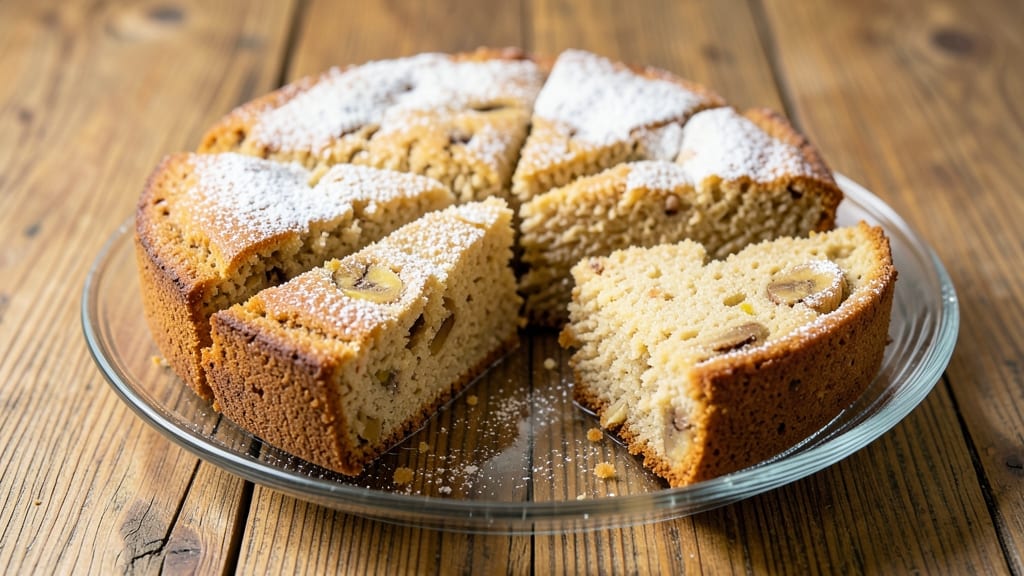
This banana cake recipe with oat flour delivers a moist crumb and nutty depth without relying on traditional wheat flour. The secret lies in blending oat flour with ripe bananas to create a tender, flavorful cake that's naturally gluten-free yet rich in texture. I developed this recipe after years of perfecting gluten-free baking, ensuring every slice stays soft and delicious for days.
The beauty of oat flour lies in its ability to absorb moisture while adding a subtle toasted sweetness that complements the bananas. Unlike dense gluten-free cakes, this version rises beautifully and stays moist thanks to a simple technique: substituting half the flour with oat flour while keeping the structure intact. No special equipment is needed—just a standard mixing bowl and oven.
What you'll end up with is a cake that's naturally sweet, lightly spiced, and packed with that familiar banana flavor without being overly dense. The oat flour adds a pleasant earthiness that pairs perfectly with the bananas, creating a texture that's both familiar and uniquely satisfying. Perfect for breakfast, dessert, or even a snack, this cake proves gluten-free baking can be just as indulgent.
For extra richness, consider adding a simple cream cheese frosting or a drizzle of honey. The cake keeps well at room temperature for up to 3 days, making it ideal for meal prep or gifting. Let's get baking!
Ingredients for banana cake recipe with oat flour
A perfect blend of oat flour and ripe bananas creates a naturally gluten-free cake with moist crumb and nutty depth.
| Ingredient | Amount | Notes |
|---|---|---|
| Ripe Bananas 🍌 | 3 medium | Mashed to smooth consistency |
| Oat Flour 🌾 | 1 ½ cups | Blended from rolled oats |
| All-Purpose Flour 🌾 | 1 cup | For structural balance |
| Granulated Sugar 🍚 | 1 cup | Light brown preferred |
| Coconut Oil 🫒 | ½ cup | Melted, full-fat preferred |
| Unsweetened Almond Milk 🥛 | ¾ cup | Vanilla extract optional |
| Baking Soda 🧂 | 1 tsp | Pure, not baking powder |
| Ground Cinnamon 🌿 | 1 ½ tsp | Freshly ground preferred |
| Vanilla Extract 🍯 | 1 tsp | Pure alcohol-free preferred |
| Salt 🧂 | ½ tsp | Fine sea salt preferred |
| Chopped Walnuts 🌰 | ½ cup | Toasted for enhanced flavor |
| Honey 🍯 | 2 tbsp | For glaze, optional |
The oat flour is the star here—Bob's Red Mill or Quaker Old Fashioned rolled oats work best when blended into flour. For optimal texture, pulse them in a food processor until fine but not powdery. Ripe bananas are non-negotiable; look for ones with brown spots and slight give when pressed. Trader Joe's often carries perfect ones year-round. The walnuts add crunch and richness, so toast them in a dry pan for 3-4 minutes until fragrant before chopping. For the coconut oil, CocoNut Oil brand is my go-to—it's consistently high quality and stays solid at room temperature.
No oat flour? Substitute with certified gluten-free 1:1 flour blend at the same weight, though texture may vary slightly. Running short on walnuts? Pecans or almonds work equally well, though flavor will differ. The honey glaze can be swapped for maple syrup or agave nectar if preferred. For extra moisture, add 2 tablespoons of Greek yogurt to the batter. The baking soda must be fresh—if it's over six months old, it loses its lift. Always measure it by weight if possible for consistency, though volume works in a pinch.
This cake stays moist for 3-4 days at room temperature when stored in an airtight container. For longer storage, wrap tightly in plastic and refrigerate for up to 1 week. Freeze individual slices between parchment paper for 3 months—thaw at room temperature for 10 minutes before serving. The walnuts can be toasted ahead and stored in a sealed container for 2 weeks to save time. For best results, bake in a preheated oven and avoid opening the pan during the first 20 minutes of baking to maintain even rise.
Why You'll Love This Recipe
- No Mixer Needed: I swear by this—just mash those bananas with a fork, stir in the oat flour and coconut oil until it’s just combined. No electric beaters, no overmixing, no stress. The oat flour keeps it light without requiring a stand mixer.
- Banana Buttercream Magic: That caramelized banana flavor? It’s like dessert hugs you. The oat flour adds a subtle nuttiness that pairs perfectly with the sweetness, and the coconut oil makes it ridiculously moist—no dry crumbs here.
- Lunchtime Reinvented: Between us, this cake is my secret weapon for turning a sad Tuesday into a treat. Slice it up the next day, and it’s still perfect for breakfast or an after-school snack. Honestly, I’ve even packed it in my kids’ lunchboxes—no one’s complained yet.
- Pantry Staple Power: You’re using what you already have: overripe bananas, oats, sugar, and oil. No specialty ingredients, no last-minute grocery runs. And since it keeps well for days, I’m always saving money by not ordering takeout when the cravings hit.
Step-by-step instructions for banana cake with oat flour
Here's how to achieve a perfectly moist, gluten-free banana cake with nutty depth and balanced texture.
Prepare the Banana Mixture
Mash the 3 medium ripe bananas until completely smooth, with no visible lumps. I use a fork first for quick work, then transfer to a mixing bowl and press through a fine-mesh sieve to remove any remaining fibers. This step ensures your cake will be tender rather than dense—those fibers can make the crumb tough if not fully broken down.
In a separate small bowl, whisk together the 1.5 cups oat flour, 1 cup all-purpose flour, 1.5 teaspoons ground cinnamon, 0.5 teaspoon salt, and 1 teaspoon baking soda. Sift this dry mixture directly into the mashed bananas to eliminate any clumps. The oat flour adds wonderful texture while maintaining moisture, but it's crucial to sift it to prevent a gritty bite.
Combine Wet Ingredients
In a separate bowl, melt the 0.5 cup coconut oil in 30-second intervals in the microwave (or over low heat) until completely liquid but not smoking. Let it cool slightly—this prevents the bananas from cooking prematurely when combined. Add the melted oil to the banana-flour mixture along with the 1 cup granulated sugar, 1 teaspoon vanilla extract, and 0.75 cup unsweetened almond milk. Mix on medium speed until just combined, about 1 minute.
Here's the thing—don't overmix. You want a thick, slightly lumpy batter. The almond milk keeps the cake moist without making it gummy, while the coconut oil adds richness that balances the natural sweetness of the bananas. The batter should be thick enough to hold peaks when dropped from a spoon.
Fold in Walnuts and Bake
Gently fold in the 0.5 cup chopped walnuts using a spatula, being careful not to deflate the batter. Toasting the walnuts first would intensify their flavor, but if you're short on time, raw walnuts still add wonderful crunch and nuttiness. Transfer the batter to a 9-inch round cake pan lined with parchment paper, smoothing the top with a spatula.
Bake at 350°F for 35-40 minutes, or until a toothpick inserted in the center comes out clean with just a few moist crumbs clinging to it. The cake should spring back slightly when pressed in the center—this is your signal it's perfectly done. If the edges brown too quickly, tent the pan with aluminum foil after the first 20 minutes to prevent over-browning while the center finishes baking.
Glaze and Cool
While the cake bakes, prepare the optional honey glaze by warming the 2 tablespoons honey in a small saucepan over low heat until fully liquid. If it thickens too much, add 1 teaspoon hot water and stir until smooth. Once the cake is done, immediately pour the honey glaze over the warm cake and let it sit for 2 minutes to soak in.
Allow the cake to cool in the pan for 10 minutes, then transfer to a wire rack to cool completely. This gradual cooling prevents the cake from developing a gummy texture. The honey glaze adds a subtle sweetness that complements the warm spices and nutty depth from the walnuts, while the oat flour keeps every slice wonderfully moist without being heavy.
Pro Tips For Making Banana Cake Recipe With Oat Flour
- MASH THE BANANAS FIRST: I learned this the hard way—skip blending the bananas ahead, and your batter will turn into a gloopy mess. Use a fork to smash them right in the bowl until smooth, then fold in the wet ingredients. The less air you introduce early, the better the texture.
- WEIGH THE OAT FLOUR: Oat flour is sneaky—it packs differently than all-purpose. Scooping leads to dry, dense cake. Use a kitchen scale for accuracy (about 1 cup = 100g) or spoon it lightly into cups, then level off. Trust me, your cake will thank you.
- BAKE UNTIL SPRINGY: This cake’s done when the center bounces back when pressed—not when it looks done. Oat flour makes it dense, so pull it at 325°F (163°C) when the edges are just pulling away. Overbaking turns it into a brick.
- SWAP COCONUT OIL FOR BUTTER: Coconut oil keeps the cake moist, but if you’re in a hurry, softened butter adds richness and a better rise. Use the same amount, but cream it with the sugar first—this isn’t the time to cut corners. (Yes, even if you’re impatient like me.)
Dietary considerations for this dish
Gluten-Free Adaptations
This banana cake is naturally gluten-free thanks to the oat flour and all-purpose flour blend, making it perfect for those with celiac disease or gluten sensitivity. The oat flour adds a subtle nutty depth that enhances the banana flavor without compromising texture. I always use certified gluten-free oats—Bob's Red Mill or Quaker Old Fashioned work best—to avoid cross-contamination. 🌾
Vegan-Friendly Options
For a vegan version, simply replace the coconut oil with vegan butter or melted coconut oil (ensure it's refined to avoid coconut flavor). Swap the honey glaze for maple syrup or agave nectar, and use unsweetened almond milk (already included). The baking soda remains vegan-friendly, so no additional adjustments are needed beyond these simple swaps.
Nut-Free Alternatives
If you're avoiding nuts, skip the walnuts entirely or substitute with sunflower seeds or pumpkin seeds for a seed-based crunch. Toast them lightly in a dry pan for 2-3 minutes to enhance their flavor. The cake will still hold its moisture and structure, just without the nutty richness. For extra texture, sprinkle crushed gluten-free pretzels on top before baking.
Allergen Considerations
This recipe is free from common allergens like dairy, eggs, and nuts (if you omit walnuts), making it safe for many dietary restrictions. The almond milk can be swapped for oat milk or soy milk if nut allergies are a concern. Always check labels on your oat flour and vanilla extract to ensure they're processed in nut-free facilities if severe allergies are present.
Lower Sugar Adjustments
To reduce sugar content, replace half the granulated sugar with unsweetened applesauce or mashed banana (though this may slightly alter texture). I recommend starting with ½ cup sugar and ½ cup applesauce to maintain moisture. The cake will still taste sweet but with a lighter touch. Pair it with fresh berries for natural sweetness and acidity balance.
Storage for Dietary Needs
Store leftovers in an airtight container at room temperature for up to 3 days or refrigerate for 1 week to maintain freshness. For longer storage, freeze slices between parchment paper for 3 months. The oat flour helps preserve moisture, so thawed slices stay soft. Reheat briefly in the microwave if needed—10 seconds on low power restores warmth without drying out the cake. ✨
Nutrition facts
Frequently asked questions
Why does this banana cake use both oat flour and all-purpose flour?
The combination creates the perfect balance—oat flour adds moisture and nutty depth while all-purpose flour provides structure. The oat flour absorbs liquid beautifully, preventing dryness, while the all-purpose flour ensures the cake rises properly. This hybrid approach avoids the dense texture common in 100% gluten-free cakes.
Can I make this cake without walnuts?
Skip the walnuts or substitute with sunflower seeds, pumpkin seeds, or crushed gluten-free pretzels for texture. Toast any replacement for 2-3 minutes to enhance flavor. The cake will still be moist and delicious—just without the nutty richness.
How do I know when the cake is fully baked?
Insert a toothpick into the center—it should come out clean with just a few moist crumbs clinging to it. The cake should also spring back slightly when pressed gently. Baking times vary by oven, so start checking at 35 minutes if using a 350°F oven.
Will this cake stay moist for more than 2 days?
Yes! Store it in an airtight container at room temperature for up to 3-4 days, or refrigerate for 1 week to maintain freshness. The oat flour helps preserve moisture, so slices stay tender even after storage. For longer shelf life, freeze individual slices for 3 months.
Can I use this recipe for a vegan version?
Easily! Replace the coconut oil with vegan butter or refined coconut oil, swap the honey glaze for maple syrup, and use oat milk instead of almond milk. All other ingredients are already vegan-friendly. The texture remains perfectly moist and delicious.