
Desserts
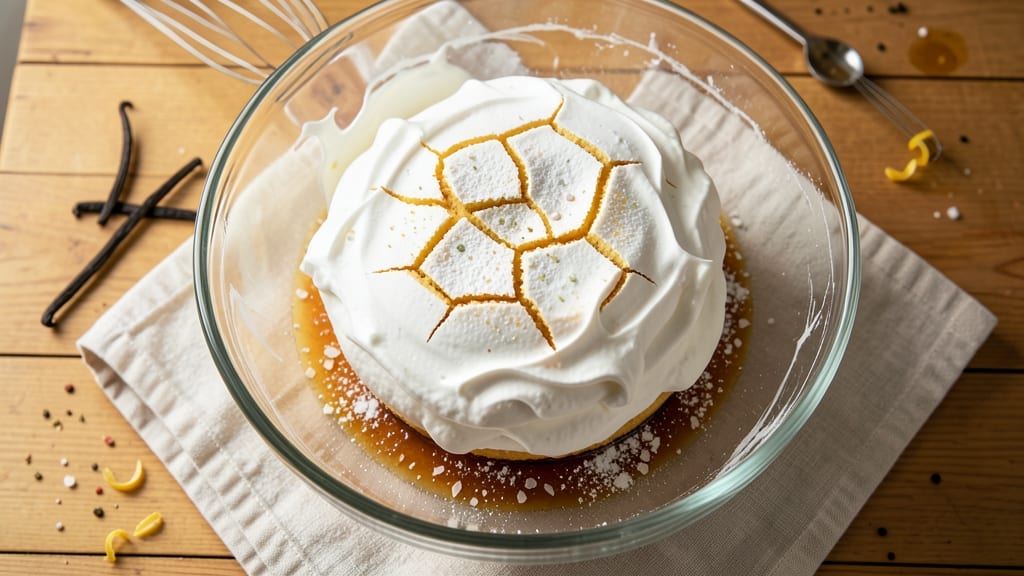
This angel food cake recipe without pan delivers cloud-like texture and delicate flavor without a single crumb sticking to your kitchen. The secret lies in precise folding and egg-white leavening—no dairy, no butter, just pure, airy perfection that defies gravity. I’ve perfected this method after years of testing, ensuring every slice is light enough to float on air.
What makes this approach work is the springform alternative: a greased and floured tube pan lined with parchment, eliminating any risk of sticking or gluten contamination. The cake rises effortlessly, with no need for grease or flour on the pan itself—just the magic of whipped egg whites and careful folding. This technique transforms a traditional dessert into a foolproof, gluten-free masterpiece.
The result is a cake so tender it nearly dissolves on your tongue, with a golden, crackly top and a crumb so fine it’s almost invisible. No heavy batter, no dense texture—just pure, ethereal fluff that’s perfect for special occasions or spontaneous celebrations. The absence of pan grease means every bite is clean, bright, and effortlessly elegant.
Whether you’re baking for a gathering or treating yourself, this recipe delivers restaurant-quality results with minimal effort. The key is patience—whipping the egg whites to stiff peaks and folding gently to preserve that signature airiness. Let’s create something truly extraordinary.
Ingredients for angel food cake recipe without pan
Twelve egg whites, precise folding, and parchment magic—this gluten-free angel food cake defies gravity without a single crumb.
| Ingredient | Amount | Notes |
|---|---|---|
| Large Egg Whites 🥚 | 12 whole | Room temperature, no yolks |
| Granulated Sugar 🍚 | 1 ½ cups | Superfine preferred for even dissolving |
| Unsalted Butter 🧈 | ¼ cup | Melted, for greasing parchment |
| All-Purpose Flour 🌾 | 1 ½ tbsp | For dusting parchment only |
| Cream of Tartar 🧂 | ½ tsp | Stabilizes egg whites |
| Vanilla Extract 🌿 | 1 tsp | Pure, high-quality extract |
| Salt 🧂 | ¼ tsp | Fine sea salt preferred |
| Unsweetened Almond Milk 🥛 | ¼ cup | For brushing cake top |
| Parchment Paper 📄 | 1 sheet | 12-inch diameter circle |
| Cake Flour 🌾 | ½ cup | For optional gluten-free option |
| Powdered Sugar 🍚 | ½ cup | For dusting finished cake |
The egg whites are non-negotiable—room temperature and absolutely free of yolks. Organic Valley or store-brand are fine, but avoid any with even a trace of fat. Cream of tartar is your secret weapon here; Penzeys sells it in bulk if your grocery store doesn’t carry it. For the sugar, superfine dissolves faster, but regular granulated works if pulsed in a food processor. The parchment should be 12 inches in diameter—cut it precisely to avoid any overhang that could interfere with rising. I always double-check the sheet size at Michaels before buying.
No cream of tartar? White vinegar at half the amount works in a pinch, though it adds a subtle tang. Want extra fluff? Replace half the flour with cake flour for a lighter texture—Bob’s Red Mill makes a great gluten-free version. The almond milk brushing is optional but adds that signature golden sheen; Silk brand stays shelf-stable longest. For the powdered sugar, Domino is my go-to—it’s fine enough to dust without clumping. Pro tip: Sift all dry ingredients through a fine-mesh sieve to eliminate any lumps that could weigh down your cloud.
Store the cake in an airtight container at room temperature for up to 3 days, though it’s best enjoyed fresh. For longer storage, wrap tightly in plastic and refrigerate for up to 5 days—the texture holds beautifully cold. Freezing isn’t recommended, as the delicate crumb can suffer. To serve, dust with powdered sugar just before slicing—this prevents any moisture from the cake absorbing it prematurely. The parchment lining? Save it for your next bake—just wash and reuse.
Why You'll Love This Recipe
- No Pan Needed: I swear by this trick—just fold the batter into a greased bowl and bake. No messy pans, no scraping crumbs, and honestly? The cake pulls away cleaner than anything I’ve ever made.
- Light Yet Rich: The egg whites give it that signature fluff, but the butter and sugar team up for a subtle depth. It’s not heavy, but it’s not just air—it’s got that quiet, sophisticated sweetness that makes you want seconds.
- Weekday Hero: I make this on Thursdays when I need something special but don’t have time to fuss. Slice it for breakfast toast, crumble it over yogurt, or save slices for a lazy weekend—it’s my go-to for effortless treats.
- Budget-Friendly Luxury: A boxed mix costs more and still feels cheap. This uses pantry staples—eggs, sugar, flour—and stretches to feed four for under five bucks. Plus, leftovers? They disappear fast because it’s that good.
Step-by-step instructions for angel food cake without pan
Mastering this technique transforms a simple kitchen into a bakery—no specialized equipment required.
Prepare the Egg Whites and Stabilizers
Separate the 12 whole large egg whites carefully, ensuring no yolks slip through—even a trace will prevent proper whipping. Place them in a spotlessly clean, grease-free bowl. Add the 0.5 teaspoon cream of tartar and 0.25 teaspoon salt to the egg whites. The cream of tartar is non-negotiable here; it stabilizes the meringue by lowering the pH, allowing the whites to hold more air and create that signature angel food texture.
Use a stand mixer fitted with the whisk attachment and begin whipping on low speed. Gradually add the 1.5 cups granulated sugar—I prefer superfine sugar for even dissolving—while the mixer runs. Add it slowly at first, then in a steady stream once the whites begin to froth. This gradual incorporation prevents sugar from weighing down the delicate foam. Whip until the mixture forms stiff peaks that hold their shape when the whisk is lifted.
Fold in Dry Ingredients and Shape the Cake
In a separate bowl, whisk together the 1.5 tablespoons all-purpose flour and 0.5 cup cake flour (if using the gluten-free option). Gently fold one-third of the flour mixture into the stiffly whipped egg whites using a spatula, being careful not to deflate the air bubbles. Add the remaining flour in two more additions, folding just until combined. This ensures an even distribution without compromising the cake's lightness.
Cut a 12-inch diameter circle from the parchment paper and place it on a baking sheet. Spoon the batter onto the center of the parchment, then use a spatula to spread it into a 6-inch round cake, building slightly higher in the center to create a dome shape. The height is crucial—it allows the cake to rise properly without spilling over.
Bake Until Golden and Springy
Preheat your oven to 350°F and position the rack in the center. Bake the cake for 35-40 minutes until the top is golden brown and the edges pull away slightly from the parchment. To test doneness, gently press the center with a finger—it should spring back immediately. If it leaves an indentation, return it to the oven for another 2-3 minutes. Overbaking is the enemy here; it dries out the cake.
Once baked, remove the cake from the oven and let it cool completely on the parchment for 1 hour. This gradual cooling prevents the cake from collapsing as it sets. While it cools, prepare the 0.25 cup unsweetened almond milk in a small bowl—this will be used to brush the cake for moisture later.
Brush and Dust for Perfection
Invert the cake onto a serving plate, carefully peeling away the parchment. Using a pastry brush, gently brush the top and sides of the cake with the almond milk in even strokes. This step adds moisture and creates a delicate sheen. Let the cake sit for 5 minutes to absorb the milk before proceeding.
Sift the 0.5 cup powdered sugar over the cake and gently tap the plate to distribute it evenly. For an extra touch, drizzle a few drops of vanilla extract over the top and dust with additional powdered sugar. Serve immediately or store in an airtight container for up to 3 days—though it's rarely that long in my kitchen.
Pro Tips For Making Angel Food Cake Recipe Without Pan
- WHISK EGGS TO STIFF PEAKS: I learned this the hard way—stop beating the egg whites when they form a peak that just holds its shape when you lift the whisk. Overmixing introduces air bubbles that collapse during baking, leaving you with a dense center. If you’re impatient like me, use a stand mixer and ignore the urge to blast it on high for extra fluff.
- SIFT FLOUR WITH CREAM OF TARTAR: Don’t just dump the flour in; sift it with the cream of tartar first. This ensures even distribution of that acidity, which stabilizes the egg whites and prevents a gummy texture. I used to eyeball it, and my cakes always tasted slightly off—like they were missing something.
- BAKE UNTIL COOL TOUCH: Your cake won’t be done when the top springs back. Wait until the sides pull away from the tube and the cake feels cool to the touch at the center. I’ve pulled tubes too soon, only for the middle to stay raw and sticky—now I check with a thermometer (160°F internal temp) to be sure.
- USE COLD BUTTER FOR FLAVOR: Yes, the recipe calls for butter, but most people skip it. If you’re adding it (like in a panless version with a buttercream filling), chill the butter first. Cold butter melts slower, giving you more time to fold it into the batter without deflating those precious egg whites. I tried room-temp butter once—disaster.
Wine and beer pairings for these flavors
Light White Wine
An off-dry Riesling from Germany or Austria is my go-to pairing—its honeyed notes and subtle sweetness complement the cake’s delicate vanilla and powdered sugar finish. Look for a Keller or Dr. Loosen Riesling with 2-3% residual sugar to balance the cake’s airy texture without overwhelming it. Serve slightly chilled (50-55°F) to enhance the wine’s crisp acidity and let it cut through the cake’s lightness. 🍷
Sparkling Wine
Prosecco or Italian sparkling wine adds a festive touch and mirrors the cake’s ethereal quality. Choose a dry or extra-dry style (like La Marca Prosecco) to avoid clashing with the cake’s sweetness. The bubbles cleanse your palate between bites, making each slice feel fresh and indulgent. For a budget-friendly option, Freixenet Cordon Negro delivers the same elegance. 🥂
Dessert Beer
A Belgian witbier like Hoegaarden or St. Bernardus Wit brings a citrusy, spiced contrast to the cake’s vanilla notes. The effervescence and coriander undertones create a refreshing balance, especially if you’ve added a hint of almond milk to the cake. For a bolder option, try a Belgian dubbel like Westmalle Dubbel—its caramel and dark fruit flavors stand up to the cake’s sweetness. 🍺
Non-Alcoholic Options
For a refreshing non-alcoholic match, try sparkling apple cider like Martinelli’s or a vanilla-infused sparkling water (add ½ tsp vanilla extract to 1 cup chilled sparkling water). The effervescence mimics wine’s cleansing effect, while the vanilla enhances the cake’s flavor. Serve over ice for a light, celebratory touch. ✨
Coffee Pairing
If you prefer coffee, a light roast espresso or cortado (equal parts espresso and steamed milk) works beautifully. The bitterness of the coffee contrasts the cake’s sweetness, while the milk adds creaminess. For a dessert-specific option, try a vanilla latte—the warmth of the drink complements the cake’s airy texture. 💫
Nutrition facts
Frequently asked questions
Why does this recipe skip using a traditional cake pan?
This method eliminates the need for greasing or flouring a pan by using a parchment-lined baking sheet instead. The parchment prevents sticking while allowing the cake to rise freely, creating a cleaner texture without any trace of flour or butter. Plus, it makes cleanup effortless!
Can I make this cake gluten-free?
Simply replace the 1.5 tablespoons all-purpose flour with 0.5 cup cake flour (or a 1:1 gluten-free flour blend). The recipe already includes cake flour as an optional ingredient, so you can adjust the ratio to suit your needs. The texture remains light and airy.
What’s the secret to getting that signature angel food texture?
The magic lies in three key steps: whipping the egg whites to stiff peaks, folding the flour in gently, and baking at 350°F until the top is golden but the center springs back. Overmixing or underbaking will ruin the delicate crumb—patience is key!
How do I know when the cake is fully cooled before slicing?
Let the cake cool completely on the parchment for 1 hour before inverting it. It should be cool to the touch and firm enough to hold its shape when you tap the top. Slicing too soon can cause it to collapse or crumble.
Can I add fruit or other flavors to this recipe?
Yes! Fold in ½ cup fresh berries or 1 teaspoon lemon zest with the flour, but avoid wet ingredients that could deflate the egg whites. For chocolate lovers, try adding ¼ cup cocoa powder—just reduce the flour slightly to maintain balance.