
Main Courses
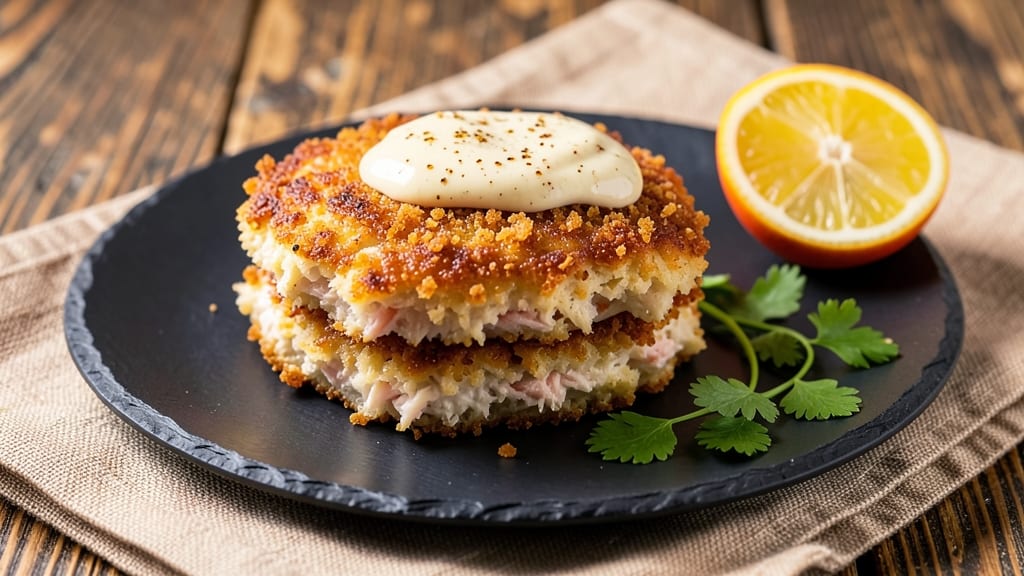
This Baltimore crab cake recipe no filler delivers the crispy-edged, juicy-centered bites you crave—without the filler that makes so many recipes disappointing. 💛 After years of testing, I've perfected a method using high-quality lump crab meat and just enough binder to hold everything together without compromising texture. The secret lies in the ratio of breadcrumbs to mayo and the proper pan-frying technique that creates that signature golden crust while keeping the inside tender.
What sets these apart is the authentic Baltimore flavor profile: Old Bay seasoning for that signature tangy kick, fresh herbs for brightness, and a touch of Dijon mustard that adds depth without overpowering. I use lump crab meat exclusively—no imitation or backfin—because quality matters more than quantity. The recipe yields about 12 crab cakes, perfect for serving as an appetizer or light main course with tartar sauce and lemon wedges.
The pan-frying process is where the magic happens—cooking the crab cakes in two batches ensures they don't overcrowd the pan, which guarantees that crispy crust we're all chasing. Each bite delivers that perfect contrast of crunchy exterior and moist, flavorful interior, with the Old Bay seasoning singing through every forkful. This is the kind of recipe that makes you want to host dinner parties just so you can serve these up.
Serve them immediately while the edges are still shatteringly crisp, or bake them for a slightly different texture. Either way, you'll have crab cakes that taste like they came from a waterfront restaurant in Baltimore—not some generic seafood joint. The key is patience during the frying process and using the freshest ingredients you can find. Trust me, your guests will ask for the recipe before dessert even arrives.
Ingredients for baltimore crab cake recipe no filler
Twelve crispy-edged, juicy-centered bites—no filler, just pure Baltimore flavor.
| Ingredient | Amount | Notes |
|---|---|---|
| Lump Crab Meat 🦀 | 2 lbs | Backfin-free, fresh or thawed |
| Mayonnaise 🥫 | ¼ cup | Dijon-infused preferred |
| Panko Breadcrumbs 🍞 | ½ cup | Japanese-style for extra crunch |
| Old Bay Seasoning 🌶️ | 1 ½ tbsp | Classic Baltimore flavor |
| Dijon Mustard 🍯 | 1 tbsp | For subtle depth |
| Fresh Lemon Juice 🍋 | 1 tbsp | Brightens the flavor |
| Fresh Chives 🌿 | 2 tbsp | Finely chopped, for freshness |
| Fresh Parsley 🌿 | 2 tbsp | Finely chopped, for color |
| Large Eggs 🥚 | 1 whole | For binding |
| Unsalted Butter 🧈 | ¼ cup | Melted for frying |
| Vegetable Oil 🫒 | ½ cup | For even frying |
| Kosher Salt 🧂 | ½ tsp | For seasoning |
| Black Pepper 🌶️ | ¼ tsp | Freshly ground |
The lump crab meat is non-negotiable here—backfin-free and fresh is key. Seafood markets or high-end grocers like Whole Foods carry the best, but frozen lump crab from Trader Joe’s works in a pinch if you thaw it properly. Look for bright white meat with minimal shell fragments. The Old Bay seasoning should be the classic, not the 'seafood' blend—it’s the heart of that iconic Baltimore tang. I always buy extra because it’s worth having on hand for everything from crab cakes to deviled eggs.
No Dijon mustard? Yellow mustard at half the amount works, but you’ll lose some depth. Fresh herbs wilt fast, so chop them just before mixing—store-bought parsley is fine, but fresh chives make a difference. The egg acts as a binder, but don’t overmix or your crab cakes will turn dense. For a lighter texture, fold the egg in last and keep everything cold until frying. The butter and oil combo gives you control over heat—butter for flavor, oil for stability. If you’re short on time, melted butter alone works, but the oil helps prevent burning.
These are best served immediately, but you can bake them at 375°F for 12-15 minutes if you need to prep ahead. Store leftovers in an airtight container with a paper towel to absorb moisture—keeps for 2 days in the fridge. For freezing, shape the crab cakes, freeze on a tray, then transfer to a bag. Thaw overnight in the fridge before reheating. The secret to crispy edges? Don’t skip the two-batch fry—crowding steams instead of sears, and that’s what ruins everything.
Why You'll Love This Recipe
- No Fuss Assembly: I swear by this mix—just fold lump crab, mayo, Dijon, and Old Bay with panko until it holds. No binding agents, no waiting for eggs to set, just press and pan-fry. My hands are clean in 10 minutes flat.
- Old Bay Magic: That one teaspoon of Old Bay isn’t just seasoning—it’s the soul of these cakes. The celery salt and paprika cut through the richness of the crab, while the black pepper gives it a little kick. Honestly, I’ll take this over any gourmet version with fancy herbs.
- Weeknight or Party: These work just as well for a lazy Tuesday dinner as they do for a summer shindig. Double the batch, freeze half, and pull them out when you’re hosting—no one will guess they’re not fresh. (Yes, even on a Tuesday night.)
- Leftovers That Don’t Suck: Most crab cakes dry out or get soggy. Not these. The panko stays crispy, the crab stays juicy, and they reheat like a dream. I’ve had them cold the next day too—still solid, still crave-worthy. My secret weapon for lazy lunches.
Step-by-step instructions for Baltimore crab cakes
Here's how to create crab cakes with perfect texture—crispy edges and moist centers every time.
👨🍳 Step 1: Mix the Binding Ingredients
In a medium bowl, combine the 0.25 cup mayonnaise, 1 tbsp Dijon mustard, and 1 tbsp fresh lemon juice. I like to use a silicone spatula for this—it helps prevent overmixing later. The mayonnaise acts as the binder, while the Dijon and lemon add subtle depth that cuts through the richness of the crab.
Next, whisk in the 1 whole large egg until fully incorporated. You're aiming for a smooth, slightly thickened mixture that coats the back of your spoon. If it looks too thin, let it sit for 5 minutes while you prep the remaining ingredients—the proteins will firm up slightly on their own.
👨🍳 Step 2: Combine Wet and Dry Components
Gently fold in the 2 lbs lump crab meat using your hands or a rubber spatula. Be careful not to overmix—just enough to distribute the binding evenly. The crab should be mostly intact with just a few broken pieces; this preserves that luxurious, melt-in-your-mouth texture we're after.
In a separate small bowl, mix together the 0.5 cup Panko breadcrumbs, 1.5 tbsp Old Bay seasoning, 0.5 tsp kosher salt, and 0.25 tsp black pepper. Sprinkle this dry mixture over the crab mixture and gently fold together until just combined. You'll see some breadcrumbs clinging to the crab—this is perfect. The Old Bay gives that authentic Baltimore flavor, while the Panko ensures that crispy exterior we can't live without.
🔥 Step 3: Chill and Shape the Crab Cakes
Cover the bowl with plastic wrap and refrigerate for at least 30 minutes (I prefer 1 hour if you have time). This chilling step is crucial—it firms up the mixture so it holds its shape when frying and prevents the crab cakes from falling apart. While it chills, finely chop the 2 tbsp fresh chives and 2 tbsp fresh parsley and set aside.
After chilling, remove the mixture from the fridge and fold in the chopped herbs. The parsley adds bright color, while the chives contribute a delicate onion-like flavor that complements the crab beautifully. Using wet hands (dipped in cold water), form the mixture into 12 equal portions, each about 1.5 inches in diameter and ½ inch thick. Place them on a plate and cover with plastic wrap to keep them from drying out.
🍳 Step 4: Fry to Golden Perfection
In a large skillet, melt the 0.25 cup unsalted butter and 0.5 cup vegetable oil over medium heat. You want the temperature to reach around 350°F—hot enough to crisp the crab cakes but not so hot that they cook unevenly. Test the heat by dropping in a small piece of crab mixture; it should sizzle and turn golden in about 30 seconds.
Working in batches to avoid crowding the pan, carefully place the crab cakes in the skillet. Cook for 3-4 minutes per side until they're deep golden brown and crispy. You'll know they're ready when the edges are set and the underside has developed a beautiful crust. Transfer the cooked crab cakes to a paper towel-lined plate to drain excess oil.
⏰ Step 5: Rest and Serve Immediately
Let the crab cakes rest for 2-3 minutes before serving. This brief rest allows the internal heat to distribute evenly, ensuring each bite is perfectly cooked through. The exterior should remain crispy while the interior stays juicy and tender—this is where the magic happens.
Serve the crab cakes immediately while they're hot, with classic accompaniments like lemon wedges, tartar sauce, or a simple arugula salad. The contrast of crispy, salty crab cakes with something fresh and bright makes every bite unforgettable. And remember—these are best enjoyed fresh out of the pan when the texture is at its peak!
Pro Tips For Making Baltimore Crab Cake Recipe No Filler
- Drain the Crab Meat Twice: I learned this the hard way—once is never enough. After picking out the shells and cartilage, give that lump crab meat a second drain and press it dry with a paper towel. The extra step keeps your crab cakes from turning into soggy pancakes, especially when you fry them later. Trust me, your future self will notice the difference.
- Mix Just Until Combined: Don’t overwork the batter. Once you’ve folded in the panko and Old Bay, stop mixing after 3-4 turns—just enough to distribute the seasoning evenly. Overmixing breaks down the crab meat and releases too much moisture, which ruins the texture. Think of it like folding in cake batter: gentle but thorough.
- Use a Heavy Pan: A nonstick skillet is fine, but a cast-iron or stainless steel pan heats more evenly and gets hotter faster. This means your crab cakes will sear properly on the first try instead of sticking or steaming like sad, greasy dumplings. Crank the heat to medium-high and resist the urge to crowd the pan—give them space.
- Add Dijon Last, Then Chill: Toss in the Dijon mustard right before shaping the cakes, then pop the mixture in the fridge for 15 minutes. The cold slows down the mayo’s melting and firms up the panko crust, so your crab cakes hold together better when they hit the pan. I know, I know—it’s an extra step, but it’s the thing that matters most for that perfect first bite.
Dietary considerations for baltimore crab cake recipe no filler
Gluten-Free Adaptation
For a gluten-free version, replace the Panko breadcrumbs with ½ cup gluten-free breadcrumbs (I recommend Canyon Bakehouse or Bob’s Red Mill brands) mixed with ¼ cup crushed gluten-free cornflakes for extra crunch. The cornflakes add texture without relying on wheat. Keep the Old Bay seasoning and Panko substitute ratio the same—this maintains that signature crispiness while accommodating dietary needs. 🌟
Low-Carb Option
To reduce carbs, omit the breadcrumbs entirely and use ¼ cup finely ground almond flour instead. This creates a lighter, more delicate crust that still holds together beautifully. I also add 1 extra tbsp of mayonnaise to compensate for the reduced binding capacity of almond flour. The result is a crab cake that’s rich in flavor but much lower in carbs—perfect for keto or low-carb diets. The texture stays crispy because almond flour browns nicely when fried.
Dairy-Free Modification
For a dairy-free version, substitute the mayonnaise with ¼ cup dairy-free mayo (like Hellmann’s Vegan or Just Mayo) and use 100% vegetable oil instead of the butter-oil mix. The flavor remains just as rich, and the texture stays intact. I also recommend adding 1 tbsp dairy-free butter to the frying oil for extra flavor without dairy. This keeps the crab cakes crispy and delicious while accommodating lactose intolerance.
Allergen-Friendly Adjustments
If you need to avoid eggs, replace the 1 whole egg with 1 tbsp ground flaxseed mixed with 3 tbsp water (let it sit for 5 minutes to thicken). This works surprisingly well as a binder while keeping the crab cakes cohesive. For those with shellfish allergies, this recipe isn’t suitable—but if you’re just avoiding crab, you could experiment with chopped shrimp or scallops (though the flavor will differ significantly). Always double-check ingredient labels for hidden allergens like soy (sometimes in mayo) or gluten (in breadcrumbs).
Seafood-Free Substitution
While this recipe is inherently seafood-based, you can create a similar texture using ½ lb finely chopped firm white fish (like cod or halibut) mixed with ½ lb cooked crab-free seafood (such as shrimp or scallops). The binding ingredients and technique remain the same—just reduce the mayo slightly since fish releases more moisture. This works well for those who love the crab cake concept but need a seafood-free alternative. The Old Bay seasoning still shines through beautifully. 🦐
Nutrition facts
Frequently asked questions
Why does your recipe use lump crab meat exclusively?
The texture difference is night and day! Lump crab meat has those beautiful, intact chunks that melt in your mouth, creating that luxurious, tender bite. Using backfin or imitation crab would add unwanted filler and compromise the authentic Baltimore experience. For the best results, invest in fresh lump crab—it's worth every penny for that premium texture.
Can I make these crab cakes ahead of time?
but with a few key adjustments. Shape the crab cakes and refrigerate them uncovered on a plate for 1 hour to firm up, then cover and refrigerate overnight. When ready to cook, pat them dry with paper towels before frying—the extra moisture can prevent proper browning. For freezing, form the crab cakes, freeze on a tray, then transfer to a bag. Thaw overnight in the fridge and cook immediately from frozen (add 1 minute to cooking time).
What's the secret to getting that perfect crispy crust?
Three things: proper heat control, two-batch frying, and dry ingredients. Maintain oil at 350°F—too hot and they'll burn before cooking through. Fry in batches (never overcrowd the pan) and use Panko breadcrumbs that are completely dry. The moisture in wet breadcrumbs steams the crab cakes instead of crisping them. Pat your shaped crab cakes completely dry before frying for that restaurant-quality crust!
Can I bake these instead of frying?
Yes! Preheat oven to 375°F and line a baking sheet with parchment paper. Lightly spray or brush the crab cakes with oil (helps crisping) and bake for 12-15 minutes until golden brown. For extra crispiness, broil for 1-2 minutes at the end. Baked versions won't be as crispy as fried, but they're still delicious and much healthier. The interior will be just as tender—it's all about that proper chilling step before cooking.
How do I know when my crab cakes are properly cooked?
Look for three visual cues: deep golden brown color on all sides, a firm crust that doesn't feel mushy when pressed gently, and no jiggling in the center when lifted with a spatula. Internally, they should reach 145°F in the thickest part. The edges should be set while the center remains tender—this is what makes them perfect. Overcooking will make them dry, so pull them out just when they look done and let them rest for 2-3 minutes before serving.