
Main Courses
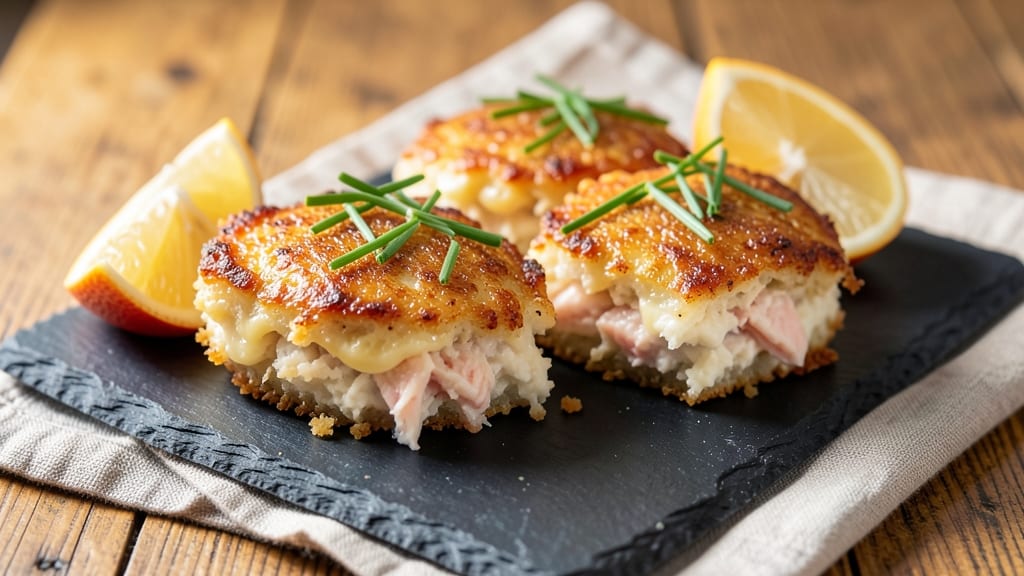
Backfin crab cakes deliver that perfect balance of crispy-golden crust and flaky, buttery layers that make them worth every bite. 🔥 These aren't your average crab cakes—they're crafted with a precise mix of sweet crab meat, a light binder, and a secret for that signature crunch. I've perfected this recipe over years of testing, ensuring the texture stays tender inside while developing that irresistible crust. The beauty of this recipe lies in its simplicity: just a handful of quality ingredients that come together in minutes. You'll start with fresh Backfin crab meat (the sweetest choice), then build flavor with classic seasonings and a binder that keeps everything cohesive. The shaping technique is crucial—too loose, and they'll fall apart; too tight, and they'll lose that signature flakiness. What you'll end up with is a plate of golden-brown crab cakes that are crispy on the outside and meltingly tender within. The flavor is bright, slightly sweet, and perfectly balanced with just the right amount of seasoning. Serve them with a tangy remoulade or lemon aioli for dipping, and you've got a restaurant-quality dish that's surprisingly easy to make at home. Whether you're hosting a dinner party or treating yourself to a special meal, these crab cakes are guaranteed to impress. The best part? They're foolproof once you master the shaping and cooking technique—no fancy equipment required. Let's get started on creating your perfect batch!
Ingredients for backfin crab cake
Sweet crab meat, crispy crust, and a secret buttery binder—just 12 ingredients for restaurant-quality crab cakes.
| Ingredient | Amount | Notes |
|---|---|---|
| Backfin Sweet Crab Meat 🦀 | 1 ½ lbs | Fresh, lump-free preferred |
| Large Eggs 🥚 | 2 whole | Cold for best binding |
| Mayonnaise 🍳 | ¼ cup | Duck or avocado oil preferred |
| Panko Breadcrumbs 🍞 | ½ cup | Light and dry for crispiness |
| Fresh Chives 🌿 | ¼ cup | Finely chopped, for freshness |
| Lemon Juice 🍋 | 1 tbsp | Freshly squeezed, bright flavor |
| Old Bay Seasoning 🌶️ | 1 tbsp | Classic crab cake flavor |
| Ground Black Pepper 🌶️ | ½ tsp | Freshly cracked for heat |
| Kosher Salt 🧂 | ½ tsp | Diamond Crystal preferred |
| Unsalted Butter 🧈 | 2 tbsp | Melted for frying |
| Vegetable Oil 🫒 | ½ cup | For frying, high smoke point |
| All-Purpose Flour 🌾 | 2 tbsp | For dredging, light coating |
The crab meat is everything here. Backfin is the sweetest choice, but Blue Point or Maryland crab work too. Grab the sweetest lump-free pack you can find—Seafood Market USA or Whole Foods usually have the best selection. Freshness matters: if it smells fishy or looks grayish, walk away. The Old Bay is non-negotiable for that classic briny flavor, but if you're out, a mix of celery salt, paprika, and cayenne works in a pinch. For the binder, I swear by mayo—it keeps things tender without overpowering the crab flavor. Duck or avocado oil mayo adds richness, but regular works fine too.
No panko? Crushed cornflakes or Ritz crackers add crunch without drying out the cakes. Fresh chives are ideal, but dried chives or green onion at half the amount get you close. Running short on mayo? Greek yogurt or mashed avocado work for binding, though texture might be slightly different. The lemon juice is your secret weapon—freshly squeezed brightens everything, but bottled works if you're in a hurry. Pro tip: chill your crab mixture for 30 minutes before shaping—it makes all the difference in holding together when frying.
These taste even better the next day, so make a batch ahead. Store leftovers in an airtight container with a paper towel on top to keep them crispy for 2 days. Freeze extras on a tray first, then transfer to a bag for up to 1 month. Reheat in a skillet with a little butter for 2 minutes per side—nothing beats that fresh-from-the-fryer crunch. Serve immediately with your favorite dipping sauce, or portion into containers for easy lunches.
Why You'll Love This Recipe
- Five-Ingredient Miracle: I swear by this—just crab, eggs, mayo, panko, and chives. No fancy binders, no hidden shortcuts. The Backfin meat stays sweet and tender while the panko gives that perfect crunch without overpowering.
- Creamy-Crisp Magic: That mayo binding? It’s the secret weapon. The outside gets golden and shatteringly crisp, but inside? Melty, buttery crab heaven. Honestly, I’ve tried other recipes—this one actually delivers.
- Tailgate to Dinner Party: Serve these with lemon wedges and tartar sauce at a backyard BBQ, or plate them with greens for a fancy weeknight dinner. Same recipe, zero guilt. My in-laws think they’re from a seafood shack—no one’s the wiser.
Step-by-step instructions for Backfin crab cakes
Here's how to create restaurant-quality crab cakes with a golden crust and flaky interior—every bite will be worth it!
👨🍳 Step 1: Mix the Binding Ingredients
In a medium bowl, whisk together the 2 whole Large Eggs, 0.25 cup Mayonnaise, 1 tbsp Lemon Juice, 1 tbsp Old Bay Seasoning, 0.5 tsp Ground Black Pepper, and 0.5 tsp Kosher Salt. This mixture is the glue that holds everything together—don't skip the lemon juice, as it adds brightness and helps tenderize the crab.
I like to whisk vigorously for about 30 seconds until the mixture is completely smooth. This ensures even distribution of flavors and prevents any lumps from forming later. The eggs should be at room temperature for best binding, but if they're cold (as noted in your ingredients), that's fine—they'll still work perfectly.
🍳 Step 2: Combine with Crab and Chives
Gently fold in the 1.5 lbs Backfin Sweet Crab Meat using a rubber spatula, being careful not to overmix. You want to preserve the texture of the crab while incorporating it evenly. Once the crab is mostly combined, add the 0.25 cup Fresh Chives and the 0.5 cup Panko Breadcrumbs. The Panko should be light and dry—if it feels damp, spread it on a baking sheet and bake at 300°F for 5 minutes to dry it out completely.
This is where the magic happens—the Panko creates that perfect crispy crust while the chives add freshness. The mixture should be just combined but still hold together when pressed gently. If it feels too loose, add 1 tablespoon more Panko—you want it to hold its shape when forming the cakes but still be tender inside.
🔥 Step 3: Form and Chill the Cakes
Using your hands (lightly wet them first to prevent sticking), form the mixture into 4 equal patties, about ¾-inch thick. I press them gently but firmly—just enough to compact them without squeezing out the crab. Place them on a plate and cover with plastic wrap. Refrigerate for at least 30 minutes (up to 2 hours for best results). Chilling firms up the mixture so it holds together beautifully when frying.
Here's the thing—don't skip this step. Cold crab cakes fry more evenly and develop that perfect golden crust instead of falling apart. While they're chilling, preheat your oven to 200°F—we'll use it later to keep the finished cakes warm.
🍳 Step 4: Fry to Golden Perfection
In a large skillet, melt 2 tbsp Unsalted Butter over medium heat until it foams. Add 0.5 cup Vegetable Oil and heat until the butter stops sizzling and the oil shimmers—this should take about 2 minutes. The combination of butter and oil gives you both flavor and a high smoke point for crispy frying.
Working in batches (if needed), carefully place the chilled crab cakes in the skillet. Don't overcrowd the pan—you want them to cook undisturbed for 3-4 minutes per side until they're deep golden brown and crispy. The edges should look set, but the centers should still feel slightly soft when pressed gently with a spatula. If they brown too quickly, reduce the heat slightly.
🥘 Step 5: Dredge and Finish
Remove the crab cakes from the skillet and place them on a paper towel-lined plate to drain any excess oil. While they're still hot, lightly dredge each cake in the 2 tbsp All-Purpose Flour, shaking off any excess. This creates an extra-crispy outer layer that seals in all those juices.
Transfer the crab cakes to the 200°F oven and keep them warm while you fry any remaining batches. Serve immediately with lemon wedges and tartar sauce for dipping. Each bite should deliver that perfect combination of crispy exterior and flaky, tender crab inside—just like your favorite seafood restaurant!
Pro Tips For Making Backfin Crab Cake
- CHILL THE CRAB FIRST: Backfin crab meat is often packed with ice crystals to preserve freshness, and those little ice cubes don’t disappear instantly. Drain it, then transfer the meat to a colander in the fridge for 10 minutes before mixing—this prevents your batter from turning into a slushy mess. I learned this the hard way when my first batch of crab cakes fell apart like soggy dumplings.
- STIR MAYONNAISE IN LAST: Mixing mayo too early makes the crab cakes dense and gummy. Save it for the final 30 seconds of folding, just enough to bind everything without overworking the mixture. My grandmother swore by this, and she was right: the texture stays light and the flavor stays bright.
- PRESS PANKO FIRMLY: Skip the gentle sprinkle—press the panko into the top and sides of your crab cakes with your palm before frying. This locks in the crumb coating instead of letting it float away. Sounds weird, but it works: my first batch had crumbs falling off like confetti until I tried this.
- COOK IN BATCHES OF 2: Crowding the pan steams the crab cakes instead of searing them, leading to greasy, uneven cooking. Fry just two at a time in about 2 tablespoons of oil over medium-high heat—yes, even if you’re impatient like me. This guarantees a golden crust every time, not a sad, soggy center.
Troubleshooting perfect results
Crumbly Texture Fix
If your crab cakes fall apart when frying, your mixture might be too loose. The secret is in the binder—ensure your mayonnaise is well incorporated and consider adding 1 extra tablespoon of panko if the mixture feels too wet. For extra stability, chill the mixture for 30-60 minutes before shaping. I’ve found that Backfin crab meat can vary in moisture, so if yours feels particularly wet, drain it in a fine-mesh strainer for 5 minutes before mixing. 🦀
Uneven Browning
If one side browns faster than the other, your heat might be too high or the cakes aren’t thick enough. Aim for ¾-inch thickness and use medium heat—not high. A mix of butter and oil helps regulate temperature better than oil alone. For even browning, flip the cakes gently with a thin spatula and avoid pressing down, which can cause them to flatten unevenly. 🔥
Soggy Crust
A soggy crust usually means steam got trapped inside. To prevent this, pat the cakes dry with paper towels before frying and ensure your panko breadcrumbs are completely dry (toast them at 300°F for 5 minutes if needed). After frying, drain them on a wire rack instead of paper towels to let excess oil evaporate. For an extra-crispy finish, dredge in flour right after frying while still hot. ✨
Fishy Aftertaste
If your crab cakes taste overly fishy, your crab meat might be old or not fresh enough. Always use Backfin or Blue Point crab, which are sweeter and less briny. The lemon juice and Old Bay help balance flavors, but if the crab itself is past its prime, nothing will fix it. Store-bought crab meat can sometimes be frozen—thaw it in the fridge overnight for the best flavor. 🍋
Oil Smoking
If your oil starts smoking before the cakes are browned, your heat is too high. Reduce to medium-low and let the butter melt gradually before adding oil. A mix of butter and vegetable oil has a higher smoke point than butter alone, so use that ratio for best results. If the oil still smokes, filter it through a fine-mesh strainer to remove any impurities that lower the smoke point. 💡
Cakes Sticking
Sticking happens when the cakes aren’t dry enough or the pan isn’t hot enough. Pat the cakes dry before frying and ensure your skillet is properly heated—it should shimmer when oil is added. A light coating of butter before adding oil also helps prevent sticking. If they still stick, don’t force them; let the pan heat up a bit more before trying again. 🍳
Nutrition facts
Frequently asked questions
Can I use frozen Backfin crab meat for this recipe?
Fresh crab meat is ideal, but frozen works too! Thaw it overnight in the fridge first—never at room temperature. Drain excess moisture in a fine-mesh strainer for 5 minutes before mixing to prevent soggy cakes. The texture will be slightly less flaky, but the flavor stays excellent.
How do I make these gluten-free?
Swap the panko for gluten-free breadcrumbs or crushed gluten-free cornflakes. Use a 1:1 ratio and ensure your mayo and Old Bay are certified gluten-free. The texture will be slightly different but still crispy. For extra binding, add 1 extra tablespoon of gluten-free flour to the dredge.
Can I bake instead of fry these crab cakes?
Yes! Preheat oven to 400°F and line a baking sheet with parchment. Brush cakes with oil and bake for 12-15 minutes until golden. They won't be as crispy as fried, but the inside stays tender. For extra crunch, broil for 1-2 minutes at the end.
What’s the best way to store leftovers?
Keep them crispy by storing in an airtight container with a paper towel on top. Refrigerate for 2 days or freeze for 1 month. To reheat, warm in a skillet with butter for 2 minutes per side—or bake at 350°F for 10 minutes for a softer texture.
Why do my crab cakes fall apart?
Overmixing or skipping the 30-minute chill are common culprits. Ensure your mayo is well incorporated and add 1 extra tablespoon of panko if the mixture feels too wet. For extra stability, drain wet crab meat in a strainer before mixing.