
Desserts
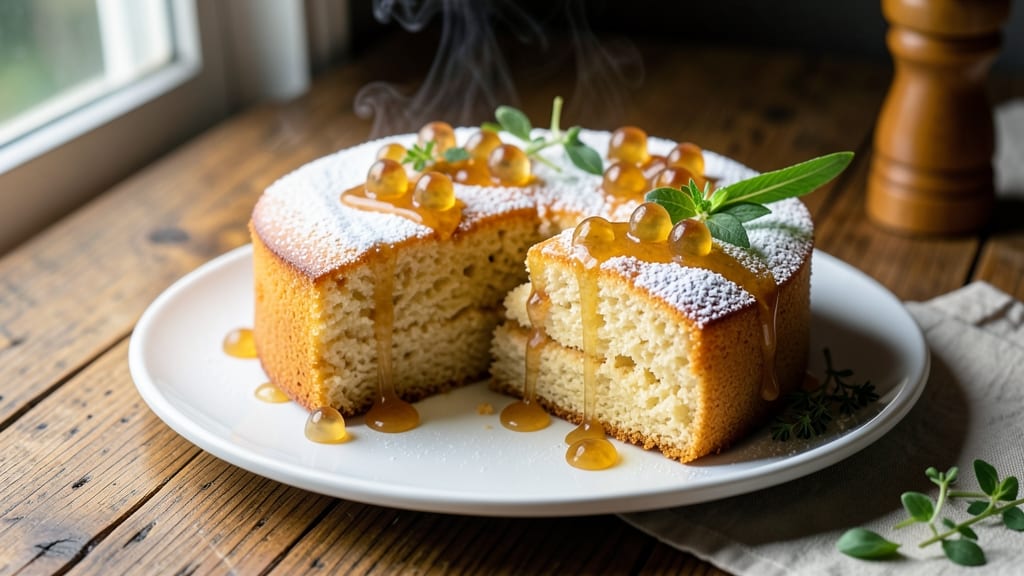
This baked tapioca cake recipe delivers the perfect balance of chewy texture and delicate sweetness—ideal for dessert lovers craving something unique. The secret lies in the tapioca flour, which creates that signature elastic bite while staying moist. I’ve perfected this recipe over years of baking, ensuring it’s foolproof for both beginners and experienced bakers alike.
The cake’s magic comes from a simple yet effective method: combining tapioca flour, eggs, and sugar for a light, airy crumb. For an extra surprise, I fold in chewy boba pearls that add texture and a playful twist. Baking at 350°F for 30–40 minutes ensures a golden top and tender interior, while vanilla or pandan extract enhances the flavor profile.
What you’ll end up with is a dessert that’s moist, fluffy, and irresistibly chewy, with a hint of nostalgia from the boba pearls. It’s perfect for celebrations, potlucks, or a special treat. The recipe also offers a vegan-friendly option, making it inclusive for all dietary preferences.
Whether you’re baking for a crowd or just craving something different, this tapioca cake is sure to impress. Let’s get started—your taste buds will thank you!
Ingredients for baked tapioca cake
Eight simple ingredients transform into a chewy, moist cake with boba pearls for texture.
| Ingredient | Amount | Notes |
|---|---|---|
| Tapioca Flour 🍚 | 2 cups | Fine grade for best texture |
| Granulated Sugar 🍬 | 1 ½ cups | White or light brown preferred |
| Large Eggs 🥚 | 4 whole | Room temperature for even mixing |
| Unsalted Butter 🧈 | ¾ cup | Cold, cubed for creaming |
| Vanilla Extract 🌿 | 1 tbsp | Pure Madagascar preferred |
| Pandan Extract 🌺 | ½ tbsp | Optional for floral aroma |
| Milk 🥛 | ½ cup | Whole milk for richness |
| Baking Powder 🧂 | 1 tsp | Diamond Crystal preferred |
| Salt 🧂 | ¼ tsp | Fine sea salt |
| Chewy Boba Pearls 🍡 | 1 cup | Cooked, drained, and cooled |
| Vegetable Oil 🫒 | ¼ cup | For greasing pan |
| Powdered Sugar 🍬 | ¼ cup | For dusting (optional) |
Tapioca flour is the star here—Bob's Red Mill or Anthony's Goods are my go-tos for fine-grade flour that dissolves smoothly. The boba pearls? Asian markets have the best selection, but those little packages at Trader Joe's work in a pinch. For the vanilla, Madagascar Bourbon extract adds depth, but imitation works if you're on a budget. The butter should be cold when you cream it—this keeps the crumb light. If you're making the vegan version, swap butter for coconut oil and use flax eggs (1 tbsp ground flax + 3 tbsp water per egg).
No tapioca flour? Arrowroot powder is the closest substitute, but texture will differ slightly. Short on boba pearls? Dried cranberries or raisins add chewiness too. The vanilla extract can be swapped for almond extract at half the amount, but you'll lose that classic vanilla sweetness. For the pandan, if you can't find it, a pinch of ground cardamom gives a similar floral note. The milk can be any dairy milk, but for vegan, coconut milk works best. And if you're dusting with powdered sugar, make sure it's 10X finer than granulated—regular sugar won't dissolve properly.
Store the cake in an airtight container at room temperature for up to 3 days, or refrigerate for 5 days. The boba pearls stay chewy best when kept dry, so add them just before serving if possible. For a restaurant-style presentation, dust with powdered sugar and garnish with extra pearls. This cake freezes beautifully too—wrap tightly and freeze for up to 3 months. Thaw at room temperature before serving. Pro tip: If the cake feels dry after baking, brush with a simple syrup (equal parts sugar and water, heated) while still warm.
Why You'll Love This Recipe
- No-Mix Magic: I swear by this—just whisk the eggs, fold in the butter and sugar, then stir in that tapioca flour until it’s just combined. No sifting, no overworking, no stress. The batter’s thick but silky, and it bakes into a cloud-like texture without a single lump in sight.
- Vanilla Butter Bliss: That vanilla extract isn’t just flavor—it’s the secret weapon. The butter melts into the tapioca’s natural starchiness, creating this unexpectedly rich, custardy crumb with a whisper of caramelized sweetness. Honestly, it tastes like a cross between a pound cake and a creme brûlée, but with half the effort.
- Crowd-Pleaser Anywhere: Between us, this cake is my go-to for potlucks, office birthdays, or when I need dessert now but don’t want to bake from scratch. Slice it warm with a dusting of powdered sugar, or save slices for days—the texture holds up better than most cakes. (Yes, even on a Tuesday night.)
- Pantry Staple Power: I keep tapioca flour and sugar on hand for this exact reason—it’s a budget-friendly flex. A single box of flour makes multiple cakes, and the eggs/butter I already had. Plus, leftovers? They reheat in the microwave in 20 seconds, tasting just as good as day one. Minimal ingredients, maximum payoff.
Step-by-step instructions for baked tapioca cake with boba pearl surprise
Here's how to create a moist, chewy tapioca cake with hidden boba pearls that surprise with every bite.
Preheat and Prepare the Boba Pearl Surprise
Preheat your oven to 350°F and grease an 8-inch round cake pan generously with the 0.25 cup vegetable oil, ensuring the sides are well-coated. For the boba pearls, spread the 1 cup chewy boba pearls evenly on a parchment-lined baking sheet. Bake for 8-10 minutes at 350°F until they're lightly toasted and fragrant—this enhances their texture and flavor. Let them cool completely before handling.
I always toast the boba pearls first because it prevents them from turning mushy in the cake batter. The slight crispness also adds an interesting contrast to the soft cake. While they cool, you can move on to preparing the batter—no wasted time here.
Cream Butter and Sugar for Light Texture
In a large mixing bowl, combine the 0.75 cup unsalted butter (cold and cubed) with the 1.5 cups granulated sugar. Using an electric mixer on medium speed, beat for 3-4 minutes until the mixture is light, fluffy, and nearly doubled in volume. This step is crucial for creating that signature chewy texture—don't rush it.
The butter should leave visible ribbons when the beaters are lifted. If the mixture feels too soft, chill the bowl for 10 minutes to help stabilize the fat. I've found that using cold butter gives the best structure without making the cake too dense.
Incorporate Eggs and Aromatics
Add the 4 whole large eggs, one at a time, mixing well after each addition until fully incorporated. Then stir in the 1 tbsp vanilla extract and 0.5 tbsp pandan extract. The pandan adds that distinctive floral aroma that makes this cake special. Mix on low speed for 1 minute to combine without over-developing the gluten.
Here's the thing—pandan extract is potent, so start with the full amount and adjust to taste if needed. The mixture should be smooth and slightly thick, like a well-tempered custard. If you're using room-temperature eggs, they'll blend in more easily, but don't worry if they're slightly cold—they'll warm up as you mix.
Combine Dry Ingredients and Fold in Boba
In a separate bowl, sift together the 2 cups tapioca flour, 1 tsp baking powder, and 0.25 tsp salt. Gently fold this dry mixture into the wet ingredients using a spatula, mixing just until combined—overmixing develops gluten and makes the cake tough. Once incorporated, fold in the cooled boba pearls with a gentle hand to avoid breaking them.
Real talk: the boba pearls are delicate, so be careful not to press too hard. You want them distributed evenly throughout the batter. If you notice any large gaps, gently swirl the batter with a spoon to create pockets where the pearls can nestle naturally.
Bake and Create the Boba Surprise
Pour the batter into the prepared cake pan and smooth the top with a spatula. Bake in the preheated oven for 35-40 minutes until the top is golden brown and a toothpick inserted into the center comes out clean. Let the cake cool in the pan for 10 minutes before transferring it to a wire rack to cool completely.
For the surprise element, I like to cut the cake into 8 equal wedges and carefully insert 2-3 boba pearls into the center of each slice. Dust the top with 0.25 cup powdered sugar for a light, sweet finish. The contrast between the soft cake and the chewy pearls is what makes this dessert truly special.
Pro Tips For Making Baked Tapioca Cake
- Whisk Eggs Until Ribbon Stage: I learned this the hard way—under-whipped eggs make the cake dense and gummy. Beat the eggs and sugar together until the mixture forms a thick ribbon when you lift the whisk. This ensures the right air incorporation for a light, airy texture.
- Melt Butter Slowly: Skip the microwave for this one—melt the butter in a saucepan over low heat until it’s just liquid but not browned. Cold butter mixed with tapioca flour can create lumps, and hot butter can cook the eggs prematurely. Let it warm gently.
- Don’t Overmix the Batter: Tapioca flour develops gluten when overworked, leading to a tough cake. Mix just until the dry ingredients disappear—about 10-12 strokes with a spatula. Then stop. Overmixing is the fast track to a sad, rubbery texture.
- Bake Until Golden, Then Wait: The cake will look set before it’s fully done. Bake until the top is golden brown and a toothpick comes out clean (or with a few moist crumbs). Then, let it cool in the pan for 10 minutes before transferring—this keeps it from collapsing. Patience here makes all the difference.
Serving suggestions for leftovers
Classic Presentation
Serve the cake warm or at room temperature for the best texture contrast. I like to cut it into 8 equal wedges and arrange them on a white porcelain cake stand for an elegant look. Dust each slice generously with powdered sugar and garnish with 2-3 extra boba pearls on top—this adds visual appeal and a fun surprise for guests. 🥄
For a restaurant-style finish, drizzle each slice with warm caramel sauce (just heat ½ cup store-bought caramel until pourable) or a light honey glaze (mix ¼ cup powdered sugar with 1 tbsp honey and 1 tsp milk). The sauce complements the cake's natural sweetness without overpowering it.
Fruit Pairings
Fresh fruit adds brightness to the rich cake. I recommend sliced mango or strawberries for their juicy contrast—arrange them around the cake on the serving platter. For a tropical twist, serve with lychee fruit or passion fruit slices, which pair beautifully with the pandan flavor. 🍍
Citrus lovers should try mandarin orange segments or a lemon curd drizzle (store-bought or homemade). The acidity cuts through the cake's sweetness, balancing the flavors perfectly. Keep the portions small—just a few pieces per plate—to avoid overwhelming the dessert.
Coffee or Tea Service
This cake pairs wonderfully with hot black coffee or jasmine tea—both enhance the cake's floral notes. For a special touch, serve with matcha latte or chai tea to complement the pandan and vanilla flavors. I often prepare a small carafe of coffee and a tea set on the side for guests to customize their experience. ☕
If you're serving it as a dessert after a meal, a strong espresso helps cleanse the palate. For a lighter option, green tea (like Sencha) provides a refreshing contrast without competing with the cake's sweetness. Always serve the tea or coffee at 160-175°F for optimal flavor.
Make-Ahead Tips
This cake is perfect for ahead-of-time prep—bake it 1 day in advance and store it in an airtight container at room temperature. The flavors deepen over time, and the texture becomes even more tender. When ready to serve, simply dust with powdered sugar and add fresh garnishes. ⏰
For freezer prep, wrap the whole cake tightly in plastic wrap followed by aluminum foil to prevent freezer burn. It keeps well for up to 3 months. Thaw overnight in the fridge before serving. If the cake feels dry after thawing, brush it lightly with simple syrup (equal parts sugar and water, heated) to restore moisture.
Nutrition facts
Frequently asked questions
Can I make this tapioca cake without boba pearls?
The cake works beautifully without boba pearls—it'll still have that signature chewy texture from the tapioca flour. For a similar surprise element, try adding 1 cup of dried cranberries or chopped dates to the batter. The texture will be slightly different but just as delicious.
Why is my tapioca cake dense instead of chewy?
Overmixing the batter or using warm butter are the most common culprits. Always use cold butter and mix just until combined—overmixing develops gluten, making the cake tough. For extra chewiness, ensure your tapioca flour is fine-grade (like Bob's Red Mill) and don't skip the 10-minute cooling step after baking.
How do I make this recipe vegan?
Swap the 4 eggs for 4 flax eggs (1 tbsp ground flax + 3 tbsp water per egg, rested for 5 minutes) and replace the butter with 0.75 cup coconut oil. Use coconut milk instead of dairy milk, and ensure your vanilla extract is vegan-certified. The texture will be slightly denser but still moist and delicious!
Can I bake this in a different pan size?
Yes, but adjust the baking time. For a 9-inch pan, reduce time by 5-7 minutes (check at 28 minutes), while an 8-inch pan works perfectly as written. If using a square pan, bake for 30-35 minutes—the sides will cook faster. Always use an oven thermometer to ensure accurate temperature.
What's the best way to store leftovers?
Keep the cake in an airtight container at room temperature for up to 3 days, or refrigerate for 5 days. For longer storage, freeze wrapped tightly for 3 months. Thaw overnight in the fridge—never at room temperature. If the cake feels dry after freezing, brush with simple syrup (equal parts sugar and water, heated) to restore moisture.