
Desserts
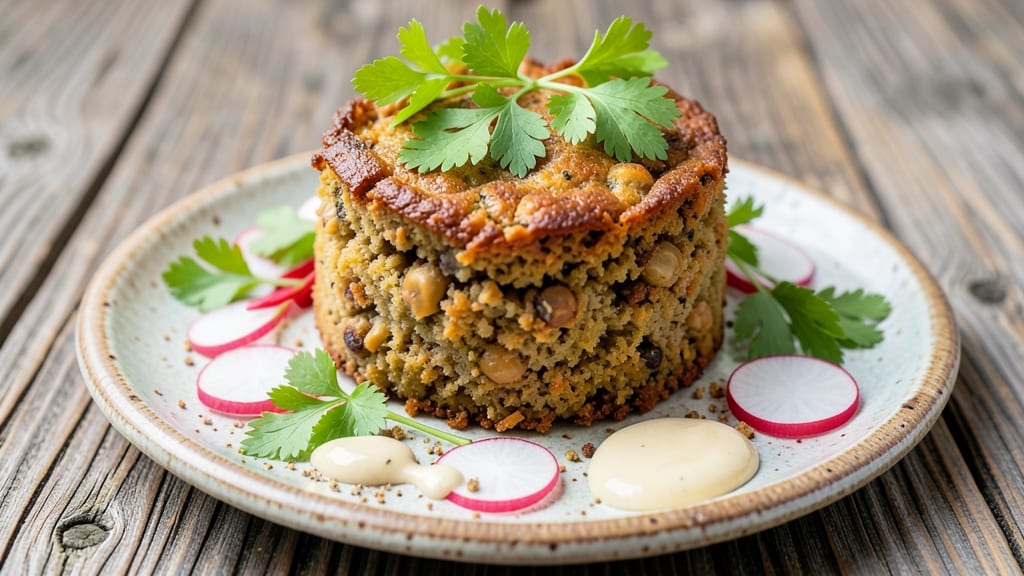
This baked falafel cake recipe transforms humble chickpeas into a crispy, herbaceous masterpiece that defies expectations. 🌟 The secret lies in blending chickpeas with fresh parsley, garlic, and cumin until the texture becomes perfectly crumbly yet sturdy enough to hold its shape when baked. Unlike traditional falafel, this version forms a golden, cake-like structure that's ideal for slicing and serving—whether as a savory dessert or a hearty appetizer.
The magic happens in the baking process, where high heat creates a crispy exterior while keeping the interior tender and flavorful. No deep-frying required—just a simple batter, shaped into a cake, and baked until the edges turn deep golden brown. The result is a dish that balances earthy chickpeas with bright herbs and warm spices, making it a standout for any meal.
This recipe delivers restaurant-quality texture with minimal effort—perfect for those who love Middle Eastern flavors but want a foolproof, baked alternative. The cake holds together beautifully when sliced, making it easy to serve with tahini drizzle, pickled vegetables, or a cooling yogurt sauce. Each bite offers a satisfying contrast of crunchy edges and herby crumbles, proving that plant-based desserts can be just as impressive as their traditional counterparts.
Whether you're hosting a dinner party or simply craving something unique, this baked falafel cake is a game-changer. The best part? It’s versatile enough to adapt to different dietary needs while keeping the bold, aromatic essence of falafel intact. Let’s get baking!
Ingredients for baked falafel cake
Transform simple pantry staples into a golden, crispy falafel cake with Middle Eastern spice magic.
| Ingredient | Amount | Notes |
|---|---|---|
| Dried Chickpeas 🌾 | 1 ½ cups | Soaked overnight, drained |
| Fresh Parsley 🌿 | ¾ cup | Stems removed, finely chopped |
| Fresh Cilantro 🌿 | ½ cup | Stems removed, finely chopped |
| Garlic Cloves 🧄 | 6 cloves | Peeled, minced finely |
| Ground Cumin 🌶️ | 2 tbsp | Freshly toasted preferred |
| Ground Coriander 🌶️ | 1 tbsp | For authentic flavor |
| Smoked Paprika 🌶️ | 1 tbsp | For depth of flavor |
| Salt 🧂 | 1 ½ tsp | Diamond Crystal preferred |
| Black Pepper 🌶️ | ½ tsp | Freshly ground |
| Extra-Virgin Olive Oil 🫒 | ½ cup | For richness and binding |
| Vegetable Oil 🫒 | 2 tbsp | For crispiness |
| All-Purpose Flour 🌾 | ½ cup | For structure |
| Cold Water 💧 | ¼ cup | For binding batter |
| Lemon Juice 🍋 | 2 tbsp | Freshly squeezed |
The chickpeas are the foundation—soaking overnight ensures they blend into a smooth, crumbly texture. Trader Joe's or Whole Foods carry high-quality dried chickpeas, but any organic brand works. For the herbs, fresh parsley and cilantro from the grocery store's produce section are ideal, but if you're short on time, dried herbs at one-third the amount will suffice. The garlic should be freshly minced—pre-minced garlic lacks the bright flavor needed here. Toasting the cumin and coriander in a dry pan for 30 seconds before grinding amplifies their aroma, but it's optional if you're in a hurry.
No smoked paprika? Substitute with regular paprika plus a pinch of liquid smoke for depth. The flour acts as a binder—gluten-free all-purpose flour works if needed, though texture may vary slightly. For extra crispiness, add 1 tbsp nutritional yeast to the batter. The lemon juice brightens the entire dish, so use freshly squeezed—bottled lemon juice lacks the same zing. If you're concerned about the cake being too dense, whisk the batter vigorously before baking to incorporate air. The vegetable oil is crucial for that perfect golden crust—don't skip it.
This cake keeps beautifully in the fridge for up to 5 days, though it's best enjoyed within the first 2 days for maximum crispiness. Reheat slices at 350°F for 5-7 minutes to restore crunch. For longer storage, wrap tightly in parchment paper and freeze for up to 3 months. Thaw at room temperature before reheating. The batter can be prepped ahead and refrigerated for up to 24 hours—just let it sit at room temperature for 10 minutes before baking. Slice into 1-inch thick pieces for perfect portions.
Why You'll Love This Recipe
- No-Soaking Needed: Honestly, I used to dread the long soak for falafel—until I discovered these dried chickpeas just blend right up after a quick overnight soak (or even a speed-soak). No fuss, no waiting hours, and the texture stays perfectly tender.
- Herb-Packed Punch: That fresh parsley and cilantro combo isn’t just garnish—it’s the star. The garlic and cumin deepen the flavor, but the herbs keep it bright and fresh, like a Mediterranean breeze in every bite. (Yes, even on a Tuesday night.)
- Meal-Prep MVP: This cake holds up amazingly for lunches or snacks—slice it, wrap it in foil, and it’s ready for the week. I’ve packed it in salads, eaten it cold with hummus, or even reheated it straight from the fridge. Versatile enough for picnics or lazy afternoons.
- Budget-Friendly Crunch: Dried chickpeas are my secret weapon for stretching meals without breaking the bank. A single batch feeds four, and leftovers? They disappear faster than I can say “second helping.” Plus, no deep-frying means no splurges—just pure, satisfying flavor.
Step-by-step instructions for baked falafel cake
Transform soaked chickpeas into a flavorful, layered cake with crispy edges and tender crumb.
👨🍳 Step 1: Process the Chickpea Mixture
Drain the soaked chickpeas and pat them completely dry with a clean kitchen towel. Remove any loose skins—this ensures a smoother texture. In a food processor, pulse the chickpeas until they form a coarse meal with some small pieces remaining. You want a texture between fine powder and coarse crumbs, not a smooth paste.
Transfer the processed chickpeas to a large mixing bowl. Add the 0.75 cup fresh parsley, 0.5 cup fresh cilantro, 6 cloves garlic cloves, 2 tbsp ground cumin, 1 tbsp ground coriander, 1 tbsp smoked paprika, 1.5 tsp salt, and 0.5 tsp black pepper. Mix thoroughly with your hands or a rubber spatula, pressing the herbs and spices into the chickpea mixture. This step is crucial for even distribution of flavors throughout the cake.
🍳 Step 2: Bind and Rest the Batter
In a separate small bowl, whisk together the 0.5 cup extra-virgin olive oil, 2 tbsp vegetable oil, and 2 tbsp lemon juice until fully combined. Pour this mixture over the chickpea blend and stir gently until everything is evenly moistened. The batter should hold together when pressed but still be slightly crumbly—this is ideal for a tender yet firm cake.
Add the 0.5 cup all-purpose flour and mix just until incorporated. The flour helps bind the mixture and adds structure. Pour in the 0.25 cup cold water gradually while stirring, allowing the batter to come together. If it feels too dry, add an additional 1 tablespoon cold water—the batter should hold its shape when pressed but not be sticky. Cover the bowl with plastic wrap and refrigerate for 30 minutes to allow the flavors to meld and the mixture to firm up slightly.
🔥 Step 3: Preheat and Prepare the Pan
Preheat your oven to 375°F. Lightly grease an 8-inch round cake pan or line it with parchment paper, ensuring the paper touches the sides for easy removal. The batter should be cold when you begin baking, so remove it from the refrigerator just before you're ready to shape and bake.
Transfer the batter to the prepared pan and smooth the top with a wet spatula. Press down gently but firmly to create an even surface—this prevents cracking during baking. Bake for 40-45 minutes until the top is golden brown and a toothpick inserted into the center comes out clean. The cake should feel firm to the touch but still moist inside.
⏰ Step 4: Rest and Serve
Remove the cake from the oven and let it cool in the pan for 10 minutes. Then transfer it to a wire rack to cool completely. The cake will firm up as it cools, making it easier to slice. For best results, serve at room temperature, allowing the flavors to fully develop.
Slice the cake into 6 equal wedges and serve with your favorite dipping sauce, such as tahini or garlic yogurt. The exterior should be lightly crisp, while the interior remains tender and packed with the vibrant flavors of fresh herbs and warm spices. Store leftovers in an airtight container in the refrigerator for up to 3 days or freeze for longer storage.
Pro Tips For Making Baked Falafel Cake
- SOAK CHICKPEAS 12 HOURS: I learned this the hard way—rushing the soak leaves you with a dense, gummy mess. Twelve hours in cool water (not hot) with a splash of baking soda guarantees they’ll break down evenly and blend smoothly. No exceptions.
- CHOP HERBS FINE: I used to toss in roughly chopped parsley and cilantro, thinking it would blend itself. Wrong. Pulse them in the food processor until they’re almost paste-like—this distributes flavor evenly and keeps the cake from turning to mush when baking.
- PRESS THE CAKE: Skip the temptation to bake it immediately after shaping. Press the mixture firmly into the pan (even if it feels uncooperative) and let it rest 10 minutes under foil. This prevents crumbling and ensures a clean slice—no sticky fingers or collapsed edges.
- BAKE LOW AND SLOW: High heat = burnt outside, raw inside. Start at 350°F (175°C) for 30 minutes, then crank to 375°F (190°C) for the last 15. The lower temp builds structure first, while the finish seals the crust properly—no dry, rubbery texture.
Dietary considerations for this dish
Vegan-Friendly Foundation
This recipe is naturally vegan—no eggs, dairy, or animal products are needed! The chickpeas provide all the protein and structure, while the extra-virgin olive oil and flour bind the mixture perfectly. For even more binding power, I sometimes add 1 tbsp ground flaxseed mixed with 3 tbsp water as an egg substitute, but the batter holds together beautifully without it. 🌱
Gluten-Free Adaptation
To make this gluten-free, simply swap the all-purpose flour for a 1:1 gluten-free baking flour blend like Bob’s Red Mill or King Arthur. The texture will still be sturdy but slightly denser. If you're worried about dryness, add an extra 1 tbsp cold water to the batter. The cake will still hold its shape when baked, just with a slightly more tender crumb.
Nut-Free & Allergen-Free
This recipe is nut-free and safe for those with common food allergies. The only potential allergen is sesame if you use tahini for dipping, but the cake itself contains no nuts, dairy, or eggs. For extra safety, I always double-check the labels on my ground spices—some brands process them in facilities that handle nuts. Store-bought dried chickpeas are also usually safe, but opt for certified organic brands if you're highly sensitive.
Low-Carb Option
For a lower-carb version, reduce the flour to ¼ cup and replace the rest with 2 tbsp psyllium husk powder (mixed with 2 tbsp water to form a gel). This keeps the cake moist and binds well while cutting carbs. The texture will be slightly denser but still hold together beautifully. Pair it with a cauliflower-based tahini sauce to keep it keto-friendly. 💪
Storage & Freezing
The cake stores well for 5 days in the fridge in an airtight container, though it’s best enjoyed within 2 days for maximum crispiness. For longer storage, wrap tightly in parchment paper and freeze for up to 3 months. Thaw at room temperature before reheating at 350°F for 5-7 minutes to restore crunch. The batter itself can be prepped ahead and refrigerated for 24 hours, making this a great make-ahead option for busy days.
Nutrition facts
Frequently asked questions
Why does this recipe call for soaked chickpeas instead of canned?
Soaking chickpeas overnight ensures a smoother, more uniform texture in your falafel cake. Canned chickpeas contain excess water and skins, which can make the batter gummy or uneven. Plus, dried chickpeas absorb flavors better, giving your cake that authentic herby depth. If you're in a hurry, you can use canned chickpeas (drained and rinsed thoroughly), but the texture may be slightly less crisp.
Can I make this cake in a different shape or size? This batter works beautifully in round, square, or even rectangular pans. For a 9x13-inch pan, reduce baking time to 30-35 minutes—the thinner shape cooks faster. If using a smaller pan (like 6-inch), increase baking time by 5-10 minutes. Just
How do I prevent the cake from cracking or falling apart?
Cracking usually happens when the batter isn't pressed firmly enough or the oven isn't hot enough. First, press the batter down gently but firmly into the pan—this creates a sturdy base. Second, ensure your oven is fully preheated to 375°F before baking. Finally, avoid opening the oven door during the first 20 minutes of baking, as temperature fluctuations can cause cracks. If it does crack slightly, don't worry—it's still delicious!
What are the best dipping sauces to serve with this cake?
This cake pairs perfectly with rich, creamy, or tangy dips. Try classic tahini sauce (tahini + lemon juice + garlic + water), garlic yogurt sauce (Greek yogurt + minced garlic + lemon zest), or a spicy harissa mayo (mayo + harissa paste + smoked paprika). For something lighter, a cool cucumber yogurt dip (grated cucumber + yogurt + mint) balances the hearty flavors beautifully.
Can I add vegetables to this falafel cake?
Yes! Finely grated or puréed vegetables like zucchini, carrots, or beets work well—they add moisture and natural sweetness. Start with ½ cup grated zucchini (squeeze out excess water first) or ¼ cup puréed roasted red peppers