
Desserts
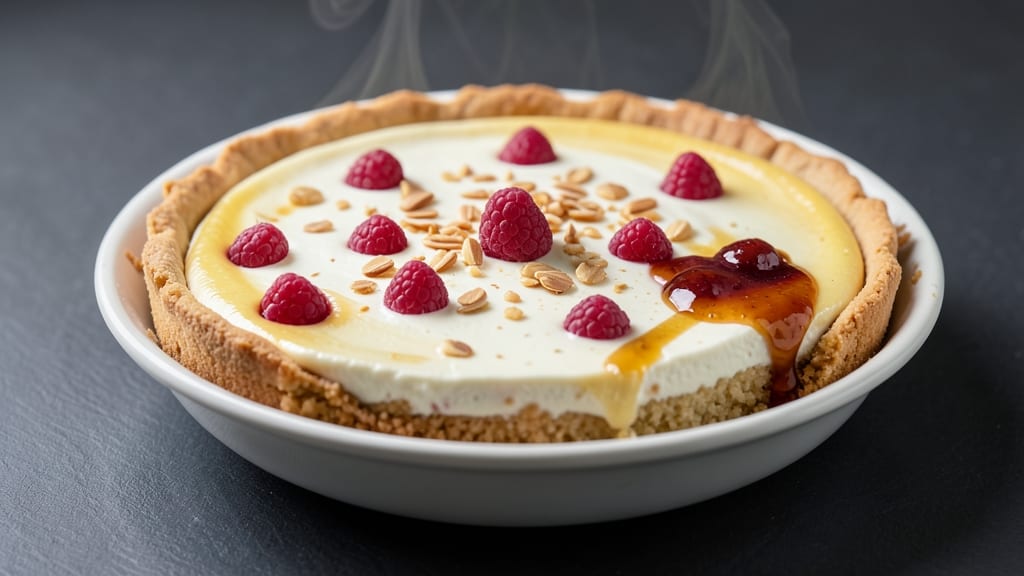
This baked cheesecake recipe with cottage cheese delivers the perfect balance—ultra light yet dense, with a velvety texture that never cracks. 💛 The secret lies in blending cottage cheese with cream cheese for a rich, moist filling that stays firm at room temperature, making it ideal for gatherings. Unlike traditional cheesecakes, this version relies on a simple crust and a foolproof baking technique that eliminates the dreaded cracks while keeping the center perfectly set.
The beauty of this recipe is its versatility and simplicity. You’ll need just a handful of ingredients, including a buttery crust and a filling that combines cottage cheese’s tang with cream cheese’s creaminess. Baking at a low temperature ensures even cooking, while a water bath guarantees a smooth top and no cracks. It’s a game-changer for anyone who’s struggled with cheesecake failures in the past.
What sets this recipe apart is its restaurant-quality texture—creamy yet firm, with a subtle tang that pairs beautifully with fruit toppings or a drizzle of caramel. The crust stays crisp, and the filling holds its shape without turning rubbery. Whether you’re hosting a dinner party or treating yourself, this cheesecake delivers professional results with minimal effort.
For added flair, consider a gluten-free crust or reduced sugar options, making it adaptable to dietary needs. Top with berry compote, whipped cream, or a sprinkle of cinnamon for extra indulgence. Let’s get baking—this cheesecake is worth every slice.
Ingredients for baked cheesecake recipe with cottage cheese
Cottage cheese and cream cheese blend for a velvety texture—no cracks, just restaurant-quality perfection.
| Ingredient | Amount | Notes |
|---|---|---|
| Large Eggs 🥚 | 4 whole | Room temperature preferred |
| Full-Fat Cottage Cheese 🧀 | 24 oz | 2% or 4% fat for creaminess |
| Full-Fat Cream Cheese 🧀 | 16 oz | Room temperature for blending |
| Granulated Sugar 🍚 | 1 ½ cups | Superfine for smoother texture |
| All-Purpose Flour 🌾 | ½ cup | Sifted for lightness |
| Unsalted Butter 🧈 | ½ cup | Cold, cubed for crust |
| Vanilla Extract 🌿 | 1 tbsp | Pure Madagascar preferred |
| Lemon Juice 🍋 | 2 tbsp | Freshly squeezed |
| Diamond Crystal Kosher Salt 🧂 | ½ tsp | Fine grain preferred |
| Ground Black Pepper 🌶️ | ¼ tsp | Freshly cracked |
| Graham Cracker Crumbs 🍪 | 1 ½ cups | Homemade or quality brand |
| Light Corn Syrup 💧 | ¼ cup | For moisture retention |
| Heavy Whipping Cream 🥛 | ¼ cup | Optional for topping |
The cottage cheese is non-negotiable here—full-fat (2% or 4%) delivers that signature tang without dryness. Trader Joe's or Whole Foods carry the highest-quality tubs, but any small-curd variety works. Room temperature cottage and cream cheese blend smoother, so let them sit out for 30 minutes before mixing. The cream cheese should be room temperature too—cold lumps ruin the texture. For the crust, graham crackers from the bakery section (not the pre-crumbled kind) yield better texture. Honey Maid or Kellogg's are reliable choices, but homemade crumbs with extra butter elevate it further.
No cottage cheese? Ricotta cheese at 1.5x the amount mimics the texture, though it lacks the tang. Substitute cream cheese with mascarpone for richness, but reduce by 1 oz to avoid heaviness. Corn syrup can be swapped for honey (same amount), but it adds moisture differently—adjust baking time accordingly. Vanilla extract is crucial; imitation lacks depth. Lemon juice brightens the flavor—bottled works, but fresh is superior. Salt matters: Diamond Crystal dissolves better than table salt, so use it if you're precise. Pepper adds subtle complexity—freshly cracked is ideal, but pre-ground is fine in a pinch.
This cheesecake must bake in a water bath for that silky texture. Prevent cracks by ensuring your oven is preheated fully (325°F) and the filling is smooth as silk. Room temperature components are key—cold ingredients cause cracks. Store in an airtight container for up to 4 days in the fridge. Freeze for 2 months—thaw overnight in the fridge. Topping ideas: whipped cream, berry compote, or a drizzle of caramel sauce (store-bought or homemade). Gluten-free? Swap graham crackers for almond flour crust—just bake it longer to crisp.
Why You'll Love This Recipe
- No Mixer Needed: I swear by this recipe because it’s the only cheesecake I’ve ever made without a mixer—just a whisk and a bowl. The cottage cheese blends smooth as butter when you beat it with the eggs and cream cheese, no lumps or stress.
- Creamy Without the Guilt: Here’s what sold me—the texture. That full-fat cottage cheese gives it a lighter crumb than traditional cheesecake, but the cream cheese keeps it rich. Honestly, it’s the kind of dessert that makes me forget it’s basically a baked custard.
- Weeknight Dinner Guest: Between us, this is my go-to for when friends drop by unannounced. It bakes in one hour, sets overnight, and serves a crowd without looking like you slaved over it. (Yes, even on a Tuesday night.)
- Budget-Friendly Luxury: I make this twice a month because it’s cheaper than store-bought but tastes like a bakery piece. The flour in the crust cuts costs, and leftovers? They last five days in the fridge—no one ever turns down a slice.
Step-by-step instructions for cottage cheese cheesecake with perfect texture
This method delivers a silky, crack-resistant cheesecake with a dense yet tender crumb.
🍳 Step 1: Prepare the Crust and Pre-Bake
Preheat your oven to 325°F and grease a 9-inch springform pan thoroughly with butter. In a bowl, combine the 1.5 cups graham cracker crumbs, 0.5 cup unsalted butter (cold and cubed), and 0.25 cup light corn syrup. Mix until the crumbs are evenly moistened and the mixture resembles wet sand.
Press the crumb mixture firmly into the bottom of the prepared pan, using the back of a measuring cup to create an even, compact layer. Bake for 10 minutes until the edges are lightly golden. Remove from the oven and let cool while you prepare the filling.
👨🍳 Step 2: Blend the Cheese Filling to Perfection
In a large mixing bowl, combine the 24 oz full-fat cottage cheese and 16 oz full-fat cream cheese. Use a hand mixer to blend until completely smooth, about 2-3 minutes. This step is critical—any lumps will create texture inconsistencies in your finished cheesecake.
In a separate bowl, whisk together the 4 whole large eggs, 1.5 cups granulated sugar, 1 tbsp vanilla extract, 2 tbsp lemon juice, 0.5 tsp kosher salt, and 0.25 tsp ground black pepper. Gradually pour this mixture into the cheese blend while mixing on low speed. Then add the 0.5 cup all-purpose flour and mix until just combined.
Here's the thing—don't overmix. You want the batter to be smooth but still slightly thick. The mixture should coat the back of a spoon but still hold its shape when dropped from a spoon. This ensures a dense yet creamy texture without being gummy.
🥘 Step 3: Assemble and Bake for Dense Texture
Pour the cheese filling over the pre-baked crust, smoothing the top with a spatula. Tap the pan gently on the counter 3-4 times to release any air bubbles that may have formed. Place the pan on a baking sheet lined with parchment paper to catch any potential drips.
Bake at 325°F for 50-60 minutes. The cheesecake is done when the edges are set but the center still has a slight wobble—it should look firm but not completely solid. A toothpick inserted in the center should come out with a few moist crumbs, not wet batter. This indicates proper doneness without overbaking.
Real talk: Don't open the oven door during baking. Each time you peek, you risk creating temperature fluctuations that can lead to cracking. The oven's steady heat is what creates that perfect dense texture we're after.
⏰ Step 4: Cool Gradually for Stability
Turn off the oven and crack the door open slightly. Let the cheesecake cool inside for 30 minutes—this gradual temperature drop prevents sudden contraction that causes cracks. Then remove from the oven and let it cool completely at room temperature for 1-2 hours.
Once cooled, cover the cheesecake with plastic wrap and refrigerate for at least 4 hours or overnight. This long chilling period allows the flavors to meld and the texture to firm up properly. The cheesecake will be dense but still tender, with a clean break rather than a crumbly texture.
🍽️ Step 5: Serve with Optional Cream Topping
Before serving, you can add a light topping if desired. Whip the 0.25 cup heavy whipping cream until soft peaks form, then spread it over the top of the cheesecake. The contrast between the dense cheesecake and light cream topping creates an elegant presentation.
Slice using a hot, clean knife—dip the blade in hot water and wipe dry between cuts. This ensures clean slices with minimal crumbling. Serve chilled, and you'll be rewarded with a cheesecake that's rich, creamy, and perfectly dense without any cracks.
Pro Tips For Making Baked Cheesecake Recipe With Cottage Cheese
- Preheat Like It’s Serious: Crank that oven to 350°F and let it scream for at least 20 minutes before baking—this recipe relies on a hot start to prevent a gummy center. I learned this the hard way when my first batch sat in a lukewarm oven and came out undercooked no matter how long I baked it.
- Drain That Cottage Cheese: Line a colander with cheesecloth and let the cottage cheese drain for 10 minutes before mixing—this removes excess moisture that turns your cheesecake into a soggy mess. (Yes, it’s annoying, but your future self will notice the difference.)
- Don’t Overmix the Batter: Stir the cottage cheese, cream cheese, and sugar just until combined—lumpy is fine, but whipping it into oblivion incorporates too much air, leading to cracks. I used to overdo it, and my cheesecakes would split like overinflated balloons.
- Water Bath Without the Drama: Wrap the springform pan in foil first, then place it in a roasting pan with 2 inches of boiling water—this guarantees even heat without making a giant mess. (And skip the foil on top; the cheesecake needs to breathe.)
Regional styles of these flavors
New York Classic
This is the original version you’ll find at iconic spots like Junior’s or Cheesecake Factory. The key difference? A graham cracker crust baked until crisp, followed by a filling that includes 16 oz cream cheese and 24 oz cottage cheese for that signature tang. The secret weapon? A water bath during baking at 325°F for 50-60 minutes—this creates the ultra-smooth texture without cracks. Top with sour cream and a dusting of cinnamon for the classic NY finish. 💛
Southern Comfort
Down South, they take cheesecake to another level by adding ½ cup pecans to the crust and a sweet tea glaze on top. Swap the graham crackers for pecan shortbread (crush 1 cup pecans with 1 cup flour, ½ cup butter, and ¼ cup sugar) and bake the crust for 12 minutes. The filling stays the same, but the Southern twist comes with ¼ cup bourbon added to the batter for depth. Serve with peach compote for a true Southern dessert. 🥜
Italian Twist
Italy’s answer to cottage cheese cheesecake swaps the crust for amaretti cookies (crush 1.5 cups with ½ cup butter and 2 tbsp orange zest) and infuses the filling with 1 tsp orange extract and ½ tsp cardamom. The Italians also reduce the sugar to 1 cup and add 2 tbsp mascarpone for extra richness. Bake in a water bath at 325°F for 55 minutes, then chill for 6 hours. Top with orange zest and a drizzle of honey for a bright, citrusy finish. 🍊
Gluten-Free Adaptation
For a gluten-free version, replace the graham cracker crust with a crust made from 1.5 cups almond flour, ½ cup melted butter, and 2 tbsp maple syrup. Press firmly into the pan and bake for 12 minutes. The filling remains the same, but use gluten-free flour (like King Arthur’s) and increase the baking time by 5-10 minutes to ensure the crust is fully set. This version holds its shape beautifully and pairs well with berry compote or dark chocolate ganache. 🌾
Low-Sugar Version
Cut the sugar by half (use ¾ cup) and replace the rest with ¼ cup honey or monk fruit sweetener. The cottage cheese’s natural tang shines through, and the texture stays dense thanks to the corn syrup in the crust. Add 1 tsp vanilla bean paste for extra depth, and bake as usual. Top with fresh berries or a sprinkle of coconut flakes for a lighter, guilt-free indulgence. 🍯
Nutrition facts
Frequently asked questions
Why does cottage cheese make this cheesecake lighter than traditional recipes?
Cottage cheese adds moisture and protein while reducing fat, creating a lighter yet dense texture. The small curds blend into a velvety filling that stays firm at room temperature—unlike regular cheesecakes that can turn rubbery. The key is using full-fat cottage cheese (2% or 4%) for creaminess without dryness.
Can I make this cheesecake without a water bath?
Technically yes, but you risk cracks and uneven baking. The water bath creates gentle, even heat that prevents sudden temperature shifts. For best results, wrap the pan in foil and place it in a larger pan filled with 1 inch of hot water—this ensures a silky texture and no cracks.
How do I fix a cheesecake that cracked during baking?
Don't panic! Let it cool completely, then cover with a thin layer of whipped cream or sour cream before chilling. The cracks will disappear once fully set. For next time, ensure all ingredients are room temperature and avoid opening the oven door during baking.
What’s the best way to store leftover cheesecake?
Wrap tightly in plastic wrap and refrigerate for up to 4 days. For longer storage, freeze slices in airtight containers for 2 months. Thaw overnight in the fridge—never at room temperature. The texture remains perfect when properly stored!
Can I substitute cream cheese with ricotta?
Yes, but the texture will differ slightly. Use 1.5x the amount of ricotta (so 24 oz instead of 16 oz cream cheese) for a lighter, less rich result. The cheesecake will still be delicious, but the tang will be more pronounced. For richness, add 2 tbsp mascarpone to the ricotta mixture.