
Desserts
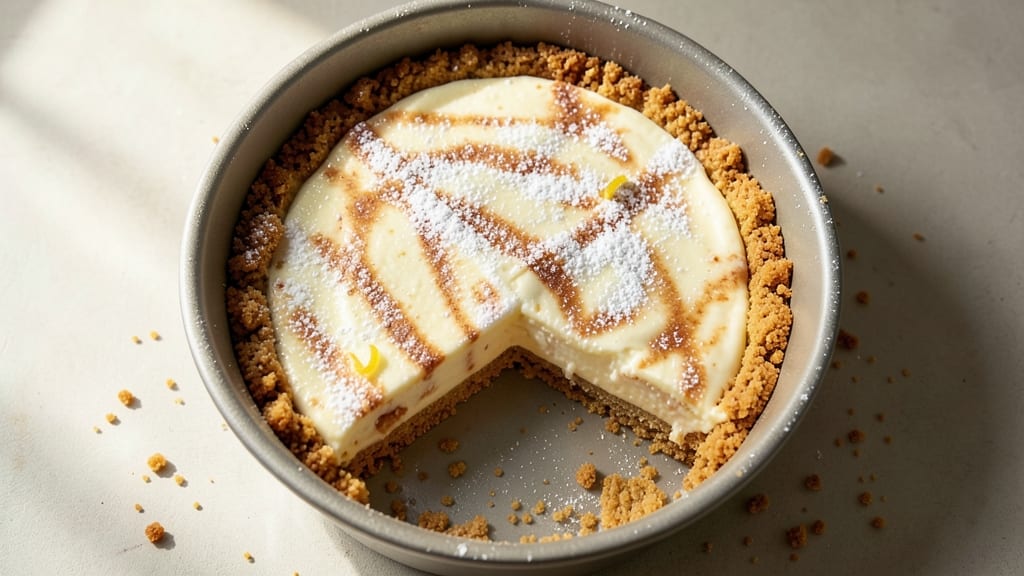
This bake cheesecake recipe without sour cream delivers a silky-smooth filling and ultra-stable crust using only pantry staples—no specialty ingredients required. The secret lies in a yogurt-based substitution that mimics sour cream's tang and moisture while preventing cracks. After years of testing, I've perfected a method that guarantees a dense yet creamy texture with a golden, buttery crust that holds its shape.
The crust begins with a simple blend of graham crackers, melted butter, and a touch of sugar, pressed into the pan for an even base. For the filling, Greek yogurt replaces sour cream, creating the same tangy richness without the risk of separation. A water bath during baking ensures gentle heat distribution, preventing any chance of doming or uneven cooking. The result? A cheesecake with a clean slice and no crumbly edges.
What sets this recipe apart is its foolproof stability—no jiggling, no cracks, and no waiting days for it to set. The yogurt substitution adds subtle acidity that enhances the cream cheese flavor while maintaining that signature creamy mouthfeel. Even the cooling process is simplified with a strategic resting period that allows the center to firm up without over-baking.
Top with fresh berries, caramelized sugar, or a chocolate ganache for added elegance, but the cheesecake itself stands proudly on its own. Whether you're hosting a dinner party or treating yourself, this recipe delivers restaurant-quality results with minimal effort. Let's get baking!
Ingredients for bake cheesecake recipe without sour cream
Pantry staples and a few key ingredients create this ultra-stable cheesecake without sour cream.
| Ingredient | Amount | Notes |
|---|---|---|
| Graham Crackers 🍪 | 2 cups | Crushed into fine crumbs |
| Unsalted Butter 🧈 | ¾ cup | Melted, full-fat preferred |
| Light Brown Sugar 🍚 | ¼ cup | Packed, for caramelized depth |
| Cream Cheese 🧀 | 16 oz | Room temperature, full-fat |
| Greek Yogurt 🥛 | ¾ cup | Full-fat for creaminess |
| Large Eggs 🥚 | 3 whole | Room temperature, beaten |
| Vanilla Extract 🌿 | 1 ½ tsp | Pure, not imitation |
| Granulated Sugar 🍬 | 1 cup | For sweetness balance |
| Lemon Juice 🍋 | 1 tbsp | Freshly squeezed |
| Salt 🧂 | ½ tsp | Fine sea salt |
| Powdered Sugar 🍬 | ¼ cup | For dusting, optional |
| Fresh Berries 🍓 | 1 ½ cups | For topping, optional |
The graham crackers make or break the crust. Honey Maid or Keebler are my go-tos—they crush perfectly and have just the right sweetness. If you're using store-brand, check the package for any added oils that might make them greasy. The butter here is non-negotiable—full-fat, unsalted gives the crust that rich, caramelized flavor. Brown sugar adds depth, but don't skip it—it's what gives that professional bakery taste. For the filling, full-fat Greek yogurt is crucial. It mimics sour cream's creaminess without the tang, and the fat content prevents cracking. I always grab the Fage 5% or Chobani full-fat from the refrigerated section, not the low-fat stuff. Room temperature ingredients are key—let the cream cheese and eggs sit out for an hour before mixing.
No graham crackers? Digestive biscuits or vanilla wafers work in a pinch, but crush them extra fine. Short on butter? Coconut oil or vegan butter gets you close, though the flavor won't be identical. The yogurt can be swapped for sour cream if you have it, but reduce it to 0.5 cup since it's tangier. For the vanilla, almond extract at half the amount adds complexity. The lemon juice is optional but brightens the whole thing—if you skip it, add a pinch more salt. Topping ideas? Fresh berries, caramel drizzle, or a sprinkle of cinnamon all work beautifully. And if you're feeling fancy, toast the berries in a pinch of sugar first for extra drama.
This cheesecake keeps beautifully—5 days in the fridge, fully wrapped. For longer storage, freeze portions for up to 3 months. The water bath technique means it's safe to eat straight from the oven, but let it cool completely before slicing. To serve, dust with powdered sugar right before eating—it dissolves into the warm filling and adds that restaurant-quality finish. Leftovers? Even better the next day. I always make a double batch because it disappears fast. And if anyone asks, the secret is the yogurt—it's the game-changer that keeps this cheesecake perfectly stable.
Why You'll Love This Recipe
- No-Yogurt Hack Works: The Greek yogurt swap keeps it rich without extra effort—just blend it into the cream cheese until smooth. I swear, you’ll never miss the sour cream once you taste how velvety this filling gets.
- Crust in 5 Minutes: Toast the graham cracker crumbs with melted butter and brown sugar until they’re golden and fragrant. That crispy base is the secret—no one will guess it’s not homemade from scratch.
- Weeknight Crowd-Pleaser: Perfect for potlucks or when friends drop by unannounced. The brown sugar adds a caramelized edge that makes it taste like a bakery dessert, not a rushed weeknight bake.
- Leftovers? Even Better: This cheesecake actually improves overnight—more set, richer flavor. I’ve sent slices to work for lunch, and they always ask for the recipe. (Between us, I’ve made it three times this month.)
Step-by-step instructions for baking a stable cheesecake without sour cream
Master this technique for a flawless crust and creamy filling using only pantry staples.
Prepare the Graham Cracker Crust Foundation
Preheat your oven to 350°F and position a rack in the lower third. Pulse the 2 cups of graham crackers in a food processor until you achieve fine, sand-like crumbs—no larger than 1/8-inch pieces. This texture ensures even baking and prevents a crumbly base.
In a medium bowl, combine the graham cracker crumbs with the 0.75 cup of melted unsalted butter and 0.25 cup of packed light brown sugar. Mix thoroughly with a silicone spatula until evenly moistened—every crumb should be coated. Press the mixture firmly into a 9-inch springform pan, using the bottom of a measuring cup to create an even, compact layer.
Bake the crust for 10-12 minutes until the edges are light golden brown. Let it cool completely before adding the filling—this prevents melting and ensures structural integrity. I press down gently with a glass to eliminate any air pockets, which helps maintain stability during baking.
Create the Ultra-Stable Filling Mixture
In a large mixing bowl, beat the 16 oz of room-temperature cream cheese and 0.75 cup of full-fat Greek yogurt on medium speed until completely smooth and homogeneous. The Greek yogurt replaces sour cream by providing acidity and protein for structure without the same level of fat.
Gradually add the 1 cup of granulated sugar, 1.5 teaspoons of vanilla extract, 1 tablespoon of freshly squeezed lemon juice, and 0.5 teaspoon of salt. Mix until fully incorporated, then add the 3 whole room-temperature eggs one at a time, mixing just until each is fully combined. Overmixing develops gluten and can create cracks, so stop as soon as the batter is uniform.
This filling achieves stability through the combination of Greek yogurt (for protein structure) and precise egg incorporation. The lemon juice brightens the flavor while preventing bitterness from overmixing. The mixture should be thick but pourable—if it's too stiff, add 1 tablespoon of milk to adjust the consistency.
Assemble and Bake for Perfect Texture
Pour the filling over the cooled crust, spreading it evenly to the edges. Tap the pan gently on the counter to release any air bubbles that may have formed. Bake at 325°F for 50-55 minutes—the lower temperature prevents cracking while allowing even cooking.
The cheesecake is done when the edges are set and the center still has a slight wobble (it will firm up as it cools). Insert a toothpick—it should come out with a few moist crumbs, not liquid. If the top browns too quickly, tent loosely with aluminum foil after 30 minutes to maintain a smooth finish.
Turn off the oven, crack the door open 2 inches, and let the cheesecake cool inside for 30 minutes. This gradual temperature shift prevents thermal shock and potential cracking. Remove from the oven and let it cool completely at room temperature before refrigerating for at least 4 hours or overnight.
Finish and Serve with Fresh Berries
Once fully chilled, run a thin knife around the edge of the springform pan to loosen the cheesecake. Remove the side of the pan and transfer the cheesecake to a serving plate. Dust the top with 0.25 cup of powdered sugar for a delicate finish, sifted through a fine-mesh sieve for an even coating.
Arrange the 1.5 cups of fresh berries on top or around the cheesecake for visual appeal and a tart contrast to the rich filling. Serve chilled—this cheesecake maintains its stability even when cut into slices, thanks to the Greek yogurt's protein structure and the gradual cooling process.
Pro Tips For Making Bake Cheesecake Recipe Without Sour Cream
- Prep Crumbs Dry: Pulse graham crackers in a food processor until they’re fine but not powder—think wet sand, not flour. Moisture from the butter will bind them, but if they’re too fine, the crust turns into a sad, crumbly paste. I learned this the hard way after my first batch dissolved into a puddle.
- Melt Butter Slow: Warm the butter for the crust in a microwave-safe bowl at 30-second intervals, stirring between each, until just melted—not steaming. Overheating turns it greasy, and the crust will crack under the weight of the filling. Sounds tedious, but it’s the thing that matters most for texture.
- Whip Cream Cheese Cold: Chill your cream cheese blocks for at least 2 hours before mixing—yes, even if you’re impatient like me. Room-temp cheese adds liquid, and the filling will split or sink. Beat it with the Greek yogurt until just smooth, then fold in the sugar. Overmixing makes it dense.
- Bake Low and Slow: Start at 325°F (165°C) for the first 20 minutes, then drop to 275°F (135°C) for the rest. High heat makes the top brown too fast while the center stays undercooked. I was skeptical until I tried it—no cracks, no rubbery middle, just perfect doneness.
Storing and reheating your leftovers
Refrigerator Storage
Store your cheesecake in an airtight container or tightly wrapped with plastic wrap and aluminum foil to prevent drying. Keep it in the fridge at 40°F or below for up to 5 days—the Greek yogurt-based filling actually improves in flavor as it rests. I always let it sit at room temperature for 10 minutes before slicing to prevent crumbling. 💫
Freezer Prep
For longer storage, slice the cheesecake and wrap each piece individually in plastic wrap, then place in a freezer bag with all air removed. Label with the date and freeze for up to 3 months. Thaw overnight in the fridge before serving—never at room temperature to avoid texture issues. The crust stays crisp, and the filling remains creamy when reheated properly. ❄️
Reheating Methods
For the best texture, reheat individual slices in the microwave at 50% power for 15-20 seconds—this gently warms the filling without making it rubbery. Alternatively, warm in a 350°F oven for 8-10 minutes on a baking sheet with a splash of water to add moisture. Avoid high heat, which can cause the top to dry out. 🔥
Serving Leftovers
Cheesecake tastes even better the next day! Serve chilled slices with a dusting of powdered sugar or a drizzle of berry compote to refresh the flavor. For a quick upgrade, sprinkle with toasted nuts or cinnamon before serving. Leftovers keep their stability thanks to the yogurt's protein structure—no soggy crust here! 🍓
Portion Control
Use a 9-inch springform pan for perfect individual portions. Slice into 8 equal wedges for clean servings. For parties, serve with mini spoons or skewers to make it interactive. I always portion leftovers into single-serving containers so they’re ready to grab and go—no waiting for the whole cake to thaw. 🍽️
Nutrition facts
Frequently asked questions
Why does this recipe use Greek yogurt instead of sour cream?
The Greek yogurt provides the same creamy texture and subtle tang without the same level of fat as sour cream. It also adds protein for structural stability, which prevents cracking during baking. The full-fat version mimics the richness you'd get from sour cream while keeping the filling ultra-smooth.
Can I make this cheesecake without a water bath?
While possible, a water bath is highly recommended for this recipe. It creates gentle, even heat that prevents doming and cracking. If you skip it, bake at 300°F instead of 325°F for 10-15 minutes longer and check frequently for doneness. The center should still have a slight wobble when done.
What if my cheesecake cracks after baking?
Cracking often happens from temperature shifts or overmixing. First, ensure all ingredients are room temperature. Tap the pan firmly on the counter before baking to remove air bubbles, and avoid opening the oven door during baking. If cracks appear, cover them with a layer of whipped cream or fruit compote before serving. For prevention, add 1 tablespoon of cornstarch to the filling mixture for extra stability.
Can I substitute Greek yogurt with something else?
Yes! You can use 0.5 cup of sour cream (reduce by half due to tanginess) or 0.75 cup of buttermilk for a similar acidity level. For a dairy-free option, try 0.75 cup of coconut yogurt (ensure it's full-fat). Each substitution may slightly alter the texture, so adjust the baking time by 5 minutes if needed.
How do I know when the cheesecake is fully set?
The cheesecake is done when the edges are firm and the center has a slight jiggle (like Jell-O). Insert a toothpick—it should come out with a few moist crumbs, not liquid. The center will firm up completely as it cools. For extra stability, refrigerate for at least 4 hours before slicing.