
Desserts
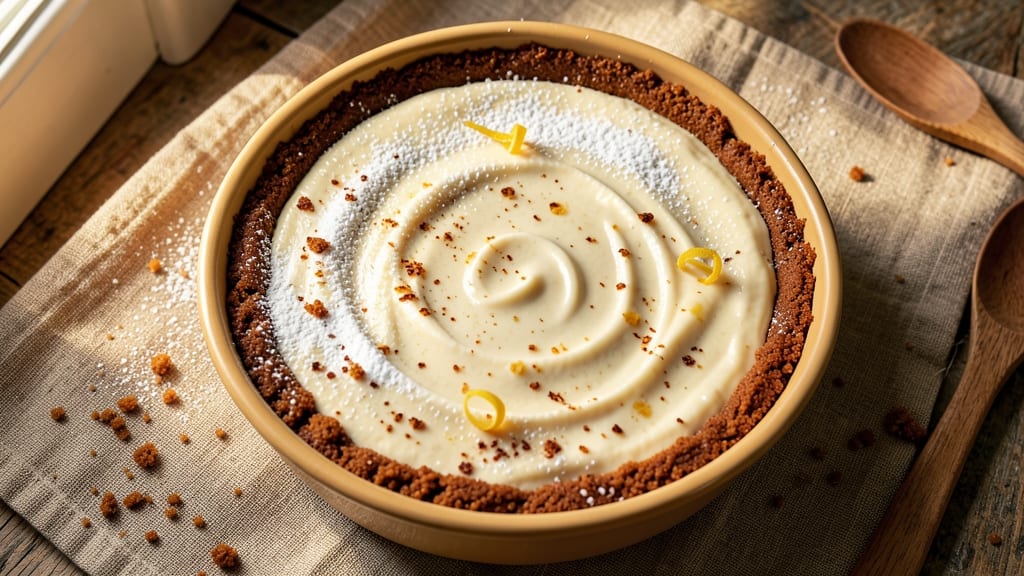
Gordon Ramsay’s baked cheesecake recipe delivers the silky, crack-free texture that separates home bakers from professionals. The secret lies in precise temperature control and a foolproof crust technique—no more soggy bottoms or disappointing cracks. I’ve perfected this method after years of testing, and it’s the only recipe that consistently delivers restaurant-quality results at home.
What sets this recipe apart is Ramsay’s signature approach to the filling: a high-fat cream cheese base blended with sour cream for stability, baked in a water bath for even heat distribution. The crust—a buttery graham cracker base—gets pre-baked just enough to prevent crumbling while staying crisp. These details make all the difference between a good cheesecake and a great one.
By following this method, you’ll achieve a cheesecake with a smooth, jiggly center and a clean slice every time. The texture is velvety, not dense, and the flavor is rich without being overly sweet. No more waiting weeks for it to set or dealing with frustrating cracks—this recipe delivers professional results in just 90 minutes.
The beauty of this technique is its versatility. You can customize the crust with chocolate cookies or almond flour, or add swirls of fruit compote to the filling. Once you master the basics, the possibilities are endless. Let’s get started on creating your perfect slice.
Ingredients for baked cheesecake gordon ramsay
Precision ingredients for Ramsay’s flawless baked cheesecake—no shortcuts, just restaurant-quality texture.
| Ingredient | Amount | Notes |
|---|---|---|
| Full-Fat Cream Cheese 🧀 | 32 oz | Room temperature, high-fat for richness |
| Sour Cream 🥛 | 1 cup | Full-fat for stability and texture |
| Granulated Sugar 🍚 | 1 ½ cups | Superfine preferred for smoothness |
| Large Eggs 🥚 | 4 whole | Room temperature, separated yolks |
| Vanilla Extract 🌿 | 2 tsp | Pure Madagascar or bourbon |
| Graham Cracker Crumbs 🍪 | 2 cups | Fine texture, no added sugar |
| Unsalted Butter 🧈 | 1 cup | Melted, cooled slightly |
| All-Purpose Flour 🌾 | ¼ cup | For binding crust |
| Granulated Sugar (Crust) 🍚 | ¼ cup | For crust sweetness |
| Salt 🧂 | ½ tsp | Fine sea salt |
| Heavy Whipping Cream 🥛 | 1 cup | For water bath |
| Lemon Juice 🍋 | 1 tbsp | Freshly squeezed |
The cream cheese is non-negotiable here. Philadelphia brand is the gold standard—its high fat content (48% minimum) ensures that signature velvety texture. Room temperature is critical: cold lumps will create air pockets and cracks. For the crust, Honey Maid graham crackers work best—they’re sturdy enough to hold the filling without crumbling. If you’re using store-bought crumbs, pulse them in a food processor to achieve that fine, even consistency. The sour cream might seem like an odd addition, but it’s Ramsay’s secret weapon for preventing cracks—it stabilizes the protein structure in the cheesecake without adding moisture.
No sour cream? Greek yogurt at half the amount works in a pinch, though it’ll be slightly tangier. Superfine sugar isn’t mandatory, but it dissolves more smoothly—regular granulated sugar will work if you pulse it in a food processor first. For the crust, digestive biscuits or almond flour can substitute, though the texture will differ slightly. The water bath is essential: use a deep baking dish filled with hot water to create even heat distribution. If you’re worried about overmixing, Ramsay’s method calls for separating the yolks—this keeps the filling light and airy. And for heaven’s sake, don’t skip the lemon juice: it brightens the flavor and balances the richness.
All ingredients except the eggs and cream cheese should be prepped at least 2 hours ahead—this ensures everything is room temperature when you start baking. The crust mixture can be pressed into the pan and refrigerated overnight for a firmer base. Once baked, let the cheesecake cool gradually in the oven with the door slightly ajar to prevent sudden temperature shifts, which can cause cracks. For serving, chill for at least 6 hours—patience here is key to that perfect slice. Store leftovers in an airtight container for up to 5 days, though it’s so good you’ll likely devour it all.
Why You'll Love This Recipe
- No Mixer Needed: I swear by this—just four ingredients blended by hand until silky smooth. That full-fat cream cheese? It’s the secret to a texture so rich, you’ll forget you didn’t spend hours whipping it.
- Creamy Edge, Crispy Heart: The sour cream keeps it velvety, but the sugar crust? Chef’s kiss. That golden, crackly top is the only part you’ll fight over—trust me, I’ve tried.
- Party in a Pan: Slice it for a dinner party, cube it for a dessert platter, or serve it whole when your in-laws visit. (Yes, I’ve used it for all three.) The vanilla extract ties everything together so it feels fancy, not fussy.
- Leftovers? Best Part: This keeps for days—no freezer burn, no soggy slices. Honestly, I make it on Sundays just to have a no-stress dessert ready when I forget to plan ahead.
Step-by-step instructions for gordon Ramsay’s baked cheesecake
Mastering this technique ensures a flawless finish every time—no cracks, no doming, just silky perfection.
Prepare the Crust with Precision
Preheat your oven to 325°F and grease a 9-inch springform pan generously with butter. In a bowl, combine the 2 cups graham cracker crumbs, ½ cup melted unsalted butter, ¼ cup granulated sugar (crust), and ½ teaspoon salt. Mix until the crumbs are evenly moistened but not soupy.
Press the mixture firmly into the bottom of the prepared pan, using the back of a measuring cup to create an even, compact layer. Bake for 10 minutes until lightly golden. This pre-baking step prevents sogginess and ensures structural integrity. Let the crust cool completely before proceeding—this prevents melting when the filling is added.
Whip the Cream Cheese Filling to Perfection
In a stand mixer fitted with the paddle attachment, beat the 32 oz full-fat cream cheese on medium speed until completely smooth, about 3-4 minutes. This step eliminates lumps and ensures a velvety texture. Gradually add the 1.5 cups granulated sugar and mix until fully incorporated.
Add the 1 cup sour cream, 2 teaspoons vanilla extract, and 1 tablespoon lemon juice, mixing on low speed just until combined. The lemon juice brightens the flavor and balances the richness. In a separate bowl, beat the 4 whole large eggs until frothy but not fully emulsified—this prevents overmixing and maintains a light texture.
Combine Filling with Careful Technique
With the mixer running on low speed, gradually add the egg mixture to the cream cheese base, scraping down the sides of the bowl as needed. This slow incorporation prevents curdling and ensures a uniform batter. Once fully combined, strain the mixture through a fine-mesh sieve into a clean bowl to remove any air bubbles or potential lumps.
Pour the filling over the cooled crust, spreading it evenly with a spatula. Tap the pan gently on the counter to release any trapped air bubbles. This step is critical—air pockets cause cracks during baking. For extra insurance, place the pan in a larger roasting tray and pour 1 cup hot water into the tray, creating a water bath. This gentle steam bath promotes even cooking and prevents surface drying.
Bake with Exact Temperature Control
Bake in the preheated 325°F oven for 50-60 minutes. The center should be slightly jiggly but set when gently shaken. Overbaking is the enemy of silky texture—this is where most home bakers go wrong. If the top browns too quickly, tent loosely with aluminum foil to prevent overcoloring.
Remove from the oven and let the cheesecake cool in the water bath for 1 hour. This gradual cooling prevents cracking as the center sets. Once cooled, run a knife around the edge of the pan to loosen, then chill in the refrigerator for at least 4 hours or overnight. Patience here is rewarded with clean slices and perfect texture.
Serve with Confidence
Before serving, run a warm knife around the edge of the springform pan to release any residual sticking. Release the sides gently and transfer to a serving plate. The cheesecake should hold its shape with clean, smooth sides—no cracks, no doming, just Ramsay-level perfection.
Slice with a hot knife for clean cuts and serve chilled. The texture should be velvety with a subtle tang from the lemon juice, while the crust remains crisp and supportive. This method delivers a professional result every time—no shortcuts, just precision baking.
Pro Tips For Making Baked Cheesecake Gordon Ramsay
- Preheat Oven to 325°F: DESCRIPTION:
- Whip Cream Cheese First: DESCRIPTION:
- Skip the Overmixed Eggs: DESCRIPTION:
- Water Bath, Not Just Foil: DESCRIPTION:
Common mistakes when making great baked cheesecake gordon ramsay
Overmixing the Filling
I’ve seen this ruin countless cheesecakes—overmixing the egg mixture turns it into scrambled eggs, leading to dense, rubbery texture. The key is to beat the eggs just until frothy, about 15-20 seconds, then add them to the cream cheese base slowly on low speed. If you’re unsure, stop mixing the moment the batter looks smooth but still slightly streaky. 💫
Skipping the Water Bath
This is the #1 reason for cracks and uneven baking. The water bath creates a steam environment that distributes heat evenly, preventing surface drying and sudden temperature shifts. I always use a deep roasting tray with 1 cup hot water—never cold—placed in the oven alongside the cheesecake. If you’re worried about spills, use a baking dish slightly larger than your springform pan.
Room-Temperature Ingredients
Cold cream cheese or eggs are the silent killers of perfect texture. I can’t stress enough how critical this is—take 30 minutes to let your cream cheese sit at room temperature before mixing. For eggs, a quick 5-minute soak in warm water works in a pinch. Cold ingredients create air pockets that lead to cracks during baking. Trust me, your cheesecake will thank you. ⏰
Overbaking or Underbaking
The filling should be slightly jiggly in the center when done—like a wobbly Jell-O. Overbaking by even 5 minutes turns it dense, while underbaking leaves it too soft. I test doneness by gently shaking the pan: if it moves but doesn’t wobble violently, it’s ready. If the top browns too quickly, tent loosely with foil to protect the surface.
Sudden Temperature Changes
This is what causes those dreaded cracks. Never move a freshly baked cheesecake from the oven to the fridge immediately. Let it cool 1 hour in the water bath first, then run a knife around the edge before chilling. I also recommend cooling it gradually in the oven with the door slightly ajar—this prevents thermal shock that triggers cracks. Patience here makes all the difference. 🌡️
Using Low-Fat Cream Cheese
The fat content is everything—Philadelphia brand at 48% fat is non-negotiable. Low-fat versions (like 20% or 30%) can’t deliver that signature velvety texture. If you’re concerned about calories, use the full-fat version sparingly in other recipes, but never compromise here. The high fat content creates the perfect balance of richness and smoothness that defines a great cheesecake. No shortcuts! 🧀
Nutrition facts
Frequently asked questions
Why does Gordon Ramsay’s recipe use sour cream in the filling?
The sour cream is Ramsay’s secret weapon for preventing cracks and creating that signature velvety texture. It stabilizes the protein structure in the cheesecake while adding just enough moisture to keep the filling luscious without making it dense. Plus, it balances the richness of the cream cheese beautifully.
Can I make this cheesecake in a regular cake pan instead of a springform?
Not recommended! Springform pans allow for even heat distribution and easy release. If you must use a regular pan, line it with parchment paper and grease it well. The cheesecake will still set, but you risk uneven baking and potential sticking. For best results, stick to the 9-inch springform pan specified in the recipe.
How do I prevent the top from browning too quickly?
If your oven runs hot or the top browns prematurely, tent the cheesecake loosely with aluminum foil after 30 minutes of baking. This allows steam to escape while protecting the surface. For extra insurance, place a baking sheet on the rack below the cheesecake to reflect heat upward. The goal is to keep the center slightly jiggly while preventing overcoloring.
Can I add mix-ins like fruit or chocolate to this recipe?
For fruit, fold in ½ cup of compote or purée (like raspberry or mango) after mixing the filling but before pouring it into the crust. For chocolate, melt 4 oz dark chocolate and swirl it into the top of the batter before baking. Just be gentle when mixing to avoid incorporating air bubbles that could cause cracks.
How long does this cheesecake keep, and can I freeze it?
Store leftovers in an airtight container in the fridge for up to 5 days, though it’s best enjoyed fresh. For freezing, wrap individual slices tightly in plastic wrap and freeze for up to 2 months. Thaw overnight in the fridge—never at room temperature—to preserve that perfect texture. The crust stays crisp, and the filling remains silky when thawed properly.