
Desserts
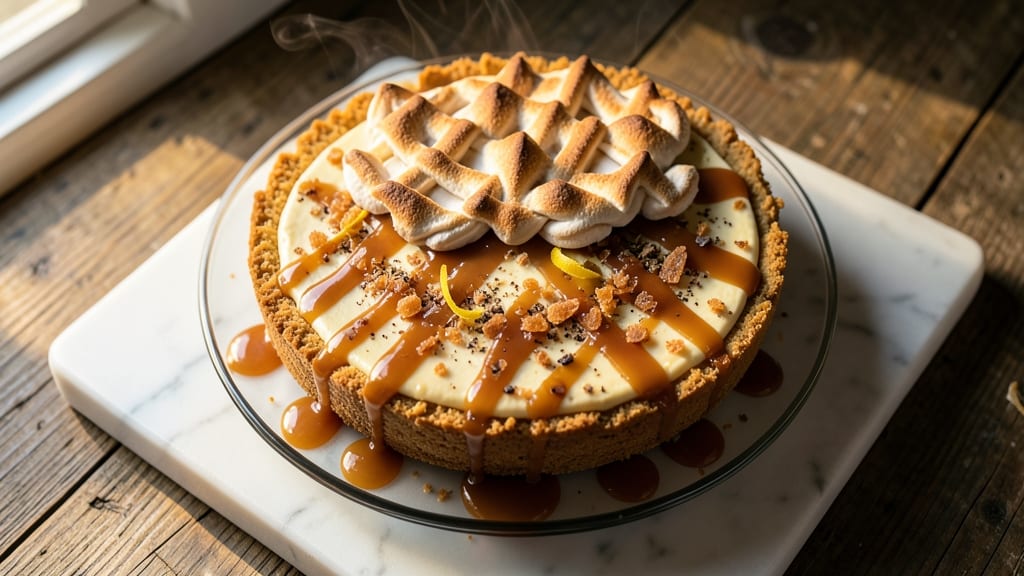
This baked caramel cheesecake recipe delivers the perfect combination of velvety cheesecake and gooey caramel rivers—no cracks, no watery filling, just pure decadence. The secret lies in a precise baking technique and a simple crust that holds up beautifully. I've perfected this recipe over years of testing, ensuring every slice is rich, creamy, and topped with that signature caramel swirl.
The magic begins with a buttery graham cracker crust that stays crisp even after baking, followed by a dense, crack-free filling that sets just right. The caramel sauce is poured over the warm cheesecake, creating those signature rivers that cut through the creamy layers. This isn't just dessert—it's a showstopper that tastes like a bakery masterpiece.
What makes this recipe stand out is the foolproof method for avoiding cracks and achieving that signature molten caramel effect. The filling bakes at a lower temperature for longer, ensuring a smooth, creamy texture without any breaks. The caramel stays warm and gooey, creating a contrast that makes every bite unforgettable.
Serve this cheesecake warm or at room temperature, topped with extra caramel drizzle and a sprinkle of sea salt for balance. It’s perfect for special occasions, holiday gatherings, or when you simply crave something indulgent. Let’s get baking!
Ingredients for baked caramel cheesecake
Buttery crust, creamy filling, and signature caramel rivers—just eight key ingredients transform into bakery-style perfection.
| Ingredient | Amount | Notes |
|---|---|---|
| Graham Cracker Crumbs 🍪 | 2 cups | Fine crumbs, not coarse |
| Unsalted Butter 🧈 | ½ cup | Melted, full-fat preferred |
| Granulated Sugar 🍚 | ¼ cup | For crust sweetness |
| Large Eggs 🥚 | 4 whole | Room temperature for blending |
| Full-Fat Sour Cream 🥛 | 1 cup | Full-fat for creaminess |
| Heavy Whipping Cream 🥛 | ½ cup | Full-fat for texture |
| Cream Cheese 🧀 | 16 oz | Room temperature, full-fat |
| Granulated Sugar 🍚 | 1 ½ cups | For filling sweetness |
| Vanilla Extract 🌿 | 1 ½ tbsp | Pure vanilla preferred |
| Salt 🧂 | ½ tsp | Fine sea salt |
| Store-Bought Caramel Sauce 🍯 | 1 ½ cups | High-quality, thick consistency |
| Flour 🌾 | 1 tbsp | All-purpose, for crust |
| Dark Brown Sugar 🍚 | ¼ cup | Packed, for crust depth |
| Sea Salt 🧂 | ¼ tsp | Flaky salt for garnish |
The crust sets the foundation. Graham cracker crumbs should be fine, not coarse—they’re the secret to that crisp base. Trader Joe's has the best pre-crushed ones, but any store-brand works if you pulse them in a food processor. For the butter, Plugrá or Land O'Lakes are reliable, but any full-fat butter will do. The crust needs to stay crisp, so don’t overmix—just combine the crumbs, melted butter, sugars, and flour until it holds together. Press it firmly into your pan, but don’t pack it too tight or it’ll crack during baking.
No sour cream? Full-fat Greek yogurt works in a pinch, though it’s slightly tangier. For the caramel sauce, Trader Joe's or Ghirardelli are my go-tos—they’re thick and rich, not watery. If you’re making your own caramel, use butter and brown sugar, but store-bought saves time and ensures consistency. The eggs and cream cheese must be room temperature—this is non-negotiable for a smooth filling. If you’re short on time, let them sit in warm water for 10 minutes. And for the vanilla, pure Madagascar bourbon is worth the splurge, but imitation will still work if you double the amount.
This cheesecake is best served warm, straight from the oven, with those molten caramel rivers still flowing. Store leftovers in the fridge for up to 4 days, but bring to room temperature before serving again. The caramel sauce will thicken when chilled, so reheat it gently in the microwave for 20 seconds before drizzling. For extra indulgence, make a double batch of caramel and freeze half in an ice cube tray—perfect for quick garnishes later. The crust stays crisp for about 2 days, so eat it first if you’re impatient.
Why You'll Love This Recipe
- No Mixing Madness: I swear by this recipe because it’s literally just dump-and-bake. No food processor for crust, no whisking until your arm falls off—just fold the sour cream into the eggs and sugar, pour it in, and let the oven do the work. That’s it. (Yes, even on a Tuesday night.)
- Caramel Hugs: The way the warm, gooey caramel swirls through that creamy, tangy cheesecake? It’s like dessert gave you a warm embrace. The sour cream keeps it rich but not heavy, and the graham crust adds that buttery crunch—every bite is ridiculously satisfying.
- Party in a Pan: This isn’t just a dessert—it’s the star of any gathering. Bring it to a potluck, slice it for a book club, or save a piece for your own midnight snack. (Between us, it disappears fast.) Plus, it’s way easier to serve than a wobbly no-bake version—no one’s eating it off the floor.
Step-by-step instructions for baked caramel cheesecake
Here's the precise method to create a silky cheesecake with molten caramel rivers and a perfect crust every time.
Prepare the Crust Mixture
In a medium bowl, combine the 2 cups graham cracker crumbs, 0.25 cup granulated sugar, 1 tbsp flour, and 0.25 cup dark brown sugar. Mix thoroughly with a fork until the crumbs are evenly coated with sugar. This ensures even distribution of sweetness throughout the crust.
Next, add the 0.5 cup melted unsalted butter and mix until the crumbs are completely moistened and form a crumbly dough. The mixture should hold together when pressed but still be crumbly—not pasty. Press this mixture firmly into the bottom of a 9-inch springform pan, creating an even layer. Use a glass to compact it tightly, especially along the edges. This creates a sturdy foundation that won't crumble during baking.
Create the Cheesecake Filling
In a large mixing bowl, beat the 16 oz cream cheese and 1 cup full-fat sour cream together with an electric mixer on medium speed until completely smooth and creamy, about 2-3 minutes. This step is crucial for eliminating any lumps and ensuring a velvety texture in the final cheesecake.
Gradually add the 1.5 cups granulated sugar while mixing continuously. Then incorporate the 4 whole large eggs, one at a time, mixing just until each is fully incorporated. Add the 1.5 tbsp vanilla extract and 0.5 tsp salt, mixing until the batter is completely smooth and homogeneous. The batter should be thick but pourable. Scrape down the sides of the bowl as needed to ensure even mixing.
Assemble and Bake the Cheesecake
Pour the cheesecake batter over the prepared crust in the springform pan, spreading it evenly. Gently tap the pan on the counter to remove any air bubbles. Place the pan in a large roasting pan and carefully pour hot water into the roasting pan until it reaches halfway up the sides of the springform pan. This water bath creates a gentle steam environment that prevents cracking.
Bake in a preheated 325°F oven for 60-70 minutes, or until the edges are set and the center still has a slight wobble when gently shaken. The cheesecake should be just barely set in the center—it will continue to firm up as it cools. Avoid opening the oven door during baking to maintain consistent heat and prevent any sudden temperature changes that could cause cracking.
Add the Caramel Layer
While the cheesecake is still warm, carefully pour 1.5 cups store-bought caramel sauce evenly over the top, allowing it to slowly sink into the cheesecake. The residual heat from the cheesecake will create those signature molten caramel rivers when it cools. Use a small offset spatula to spread the caramel evenly across the surface.
Return the cheesecake to the oven and bake for an additional 10-15 minutes to allow the caramel to set slightly. This step ensures the caramel doesn't run off the sides when you remove it from the oven. Let the cheesecake cool completely at room temperature before refrigerating for at least 4 hours, or preferably overnight. This slow cooling process helps prevent any potential cracking and allows the flavors to fully meld together.
Serve with Final Touches
Once thoroughly chilled, release the springform pan and remove the ring. Sprinkle the top generously with 0.25 tsp flaky sea salt to enhance the caramel flavor and add a sophisticated finish. Cut into slices and serve immediately, allowing the warm caramel to flow beautifully through the creamy cheesecake. The contrast between the cool, creamy cheesecake and the warm, gooey caramel creates an unforgettable eating experience.
Pro Tips For Making Baked Caramel Cheesecake
- Preheat the Pan: Run your springform pan through the oven for 10 minutes before pouring the batter—this prevents the caramel layer from melting into the crust too soon. I learned this the hard way when my first cheesecake turned into a sad, runny mess.
- Whisk Eggs at Room Temp: Crack eggs into a bowl and let them sit for 30 minutes before mixing—cold eggs create air pockets that lead to cracks. After burning three batches with uneven textures, I finally realized this was the missing step.
- Skip the Overmixing: Stir the batter just until combined—overworking it makes the cheesecake dense and rubbery. Use a spatula and fold gently; the sour cream and sugar will do the rest.
- Water Bath Without Foil: Place the pan in a deep dish of hot water (not boiling) and bake uncovered—this keeps the caramel from steaming away while still letting the top set properly. Sounds weird, but it works: no soggy crust, no sticky edges.
Troubleshooting your baked caramel cheesecake
Cracked Cheesecake?
Cracks usually appear when the cheesecake bakes too quickly or cools unevenly. To prevent this, bake at exactly 325°F—no higher—and use a water bath to slow heat penetration. If cracks still form, don’t panic! Spread a thin layer of store-bought caramel sauce over the top before the final 10-minute bake—the heat will melt it slightly, creating a smooth, crack-free surface. 💫
Watery Filling?
A watery filling happens when eggs aren’t fully incorporated or the oven temperature fluctuates. Whisk eggs one at a time into the cream cheese mixture until fully combined, and avoid overmixing after adding them. If your oven runs hot, reduce the temperature to 300°F and bake for an extra 10-15 minutes. For extra insurance, chill the batter for 30 minutes before baking to help it set faster.
Crust Too Soft?
An overly soft crust means the butter wasn’t fully cooled before pressing or the oven wasn’t hot enough. Press the crust firmly into the pan and chill it in the freezer for 15 minutes before adding the filling. Bake the crust alone for 5 minutes at 350°F to set it slightly before adding the filling. For extra crispiness, sprinkle 1 tbsp graham cracker crumbs on top of the crust before baking.
Caramel Too Thin?
Thin caramel happens when the sauce is too warm or the cheesecake isn’t hot enough to thicken it. Let the cheesecake cool for 5 minutes after baking before adding the caramel—this gives it enough heat to create those signature rivers. If your sauce is too runny, chill it for 10 minutes before pouring. For a thicker consistency, mix in 1 tbsp unsalted butter to stabilize it.
Cheesecake Stuck in Pan?
Grease your 9-inch springform pan thoroughly with butter before pressing the crust, and use parchment paper under the crust for easy release. If it still sticks, run a thin knife around the edges before cooling completely. For stubborn cases, place the pan in the freezer for 10 minutes after baking to help release it cleanly. A light dusting of flour on the pan’s sides also prevents sticking.
Nutrition facts
Frequently asked questions
Can I make this cheesecake without a springform pan?
You can use a standard 9-inch cake pan with a removable bottom, but line it with parchment paper first for easy release. Avoid non-removable pans—the cheesecake will stick and crack when cooling. For a quick fix, wrap the outside of the pan with heavy-duty foil before baking to prevent leaks from the water bath.
How do I fix a sunken center in my cheesecake?
A sunken center usually means overbaking or too much leavening. Next time, remove the cheesecake from the oven when the edges are set but the center still jiggles slightly (60-65 minutes at 325°F). For a quick fix, spread a thin layer of store-bought caramel sauce over the sunken area and return to the oven for 10 minutes—the heat will help it puff slightly.
Can I substitute cream cheese for mascarpone?
Yes, but you’ll need 24 oz mascarpone instead of 16 oz cream cheese—it’s lighter and less tangy. Reduce the sour cream to 0.5 cup to maintain balance. For extra richness, add 1 tbsp heavy cream to the filling. Mascarpone creates a lighter texture, but the caramel rivers will still form beautifully.
Why does my caramel sauce get grainy?
Grainy caramel usually means the sauce was too cold when poured or contained butter that wasn’t fully melted. Always use store-bought caramel sauce at room temperature (thick but pourable consistency). If making homemade caramel, whisk constantly over medium-low heat until smooth, then cool slightly before using. For a quick fix, blend grainy caramel with 1 tbsp warm water until silky.
How long can I make this ahead of time?
Assemble the cheesecake (crust + filling) up to 24 hours ahead and refrigerate uncovered. Add the caramel sauce just before baking. The fully baked cheesecake keeps for 5 days in the fridge, but the crust stays crispest for 3 days. For longer storage, freeze the baked cheesecake (without caramel) for up to 2 months—thaw overnight in the fridge.