
Desserts
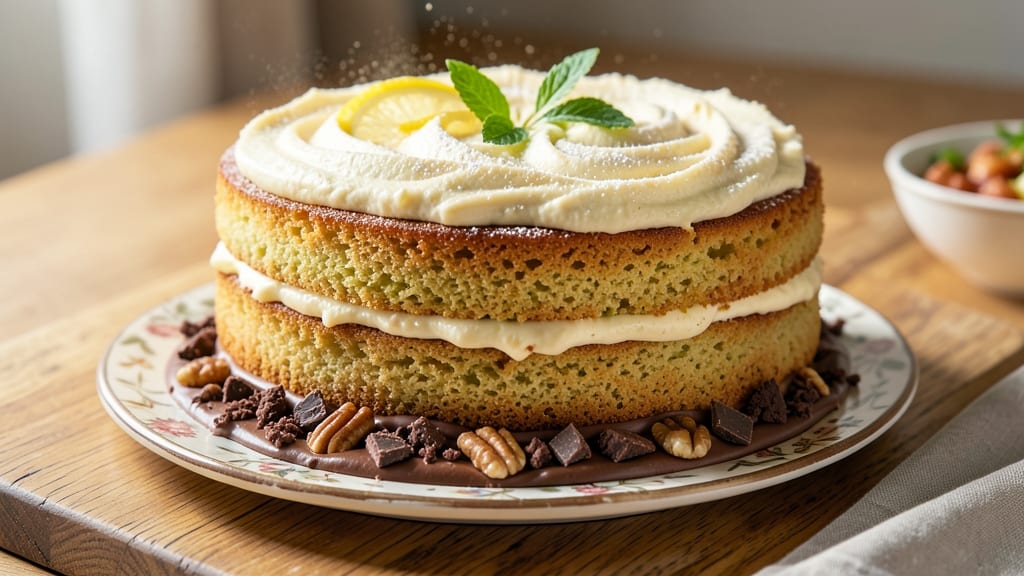
This avocado buttermilk cake delivers ultra-moist layers that defy the dryness often associated with egg-free baking. The secret lies in blending ripe avocado with tangy buttermilk, creating a tender crumb that stays fresh for days. I developed this recipe after years of testing—no one will guess it’s made without eggs. What makes this cake special is the citrus zing from lemon zest and juice, which brightens every bite while balancing the richness of avocado. The baking process is straightforward, with just a few key steps to ensure perfect texture. You’ll achieve foolproof moisture without a drop of oil or heavy butter substitutes. By the time it emerges from the oven, you’ll have a golden-domed cake with a fine, even crumb and subtle avocado flavor that’s far from overpowering. The citrus notes add a refreshing contrast, making each slice feel like a little burst of sunshine. Serve it plain or with a light lemon glaze for extra zing. Perfect for brunch, dessert, or even breakfast—this cake proves healthy ingredients can still taste indulgent. Let’s get baking!
Ingredients for avocado cake recipe with buttermilk
Eight simple ingredients create this ultra-moist cake with vibrant citrus notes.
| Ingredient | Amount | Notes |
|---|---|---|
| Ripe Avocados 🥑 | 2 whole | Firm but not hard, about 1 cup mashed |
| Buttermilk 🥛 | 1 ½ cups | Full-fat preferred for richness |
| All-Purpose Flour 🌾 | 2 cups | Sifted for light texture |
| Granulated Sugar 🍚 | 1 ½ cups | White or light brown |
| Lemon Zest 🍋 | 1 tbsp | Finely grated, no pith |
| Fresh Lemon Juice 🍋 | ½ cup | About 2-3 lemons |
| Vanilla Extract 🌸 | 2 tsp | Pure vanilla preferred |
| Baking Powder 🧂 | 2 tsp | Aluminum-free recommended |
| Baking Soda 🧂 | ½ tsp | Ensures proper rise |
| Salt 🧂 | ½ tsp | Fine sea salt preferred |
| Unsalted Butter 🧈 | ½ cup | Melted, room temperature |
| Plain Greek Yogurt 🥛 | ½ cup | Full-fat for moisture |
The avocados are the star—choose ones that yield about 1 cup mashed (about 2 medium avocados). Trader Joe's or Whole Foods usually have the ripest ones, but any grocery store will do. Ripe means the stem pops off easily when you twist it. The buttermilk should be full-fat for that classic richness, but low-fat works in a pinch. For the flour, King Arthur or Bob's Red Mill brands are reliable for consistent baking. Sift it first—this isn't optional if you want that light, airy crumb the intro promises.
No buttermilk? Mix 1.5 tbsp lemon juice with 1.5 cups milk and let sit 5 minutes. Swapping the Greek yogurt? Plain yogurt works too, but full-fat gives better moisture. The lemon zest should be finely grated—a microplane works best. No zest? Double the lemon juice, but you'll lose that bright citrus aroma. For the butter, melt it gently (microwave 40 seconds) rather than heating it fully—this keeps the cake tender. Want more citrus? Add another tablespoon of zest, but don't exceed 2 tbsp total or it can get bitter.
Store leftovers in an airtight container for 3-4 days at room temperature or 1 week in the fridge. For longer storage, slice and freeze portions for up to 3 months. The cake reheats beautifully—wrap a slice in foil and warm in a 350°F oven for 5-7 minutes. If making ahead, bake the day before and store covered at room temperature. The flavors actually improve overnight as the citrus notes meld with the avocado richness.
Why You'll Love This Recipe
- No Mash Needed: I swear by this trick—just blend the avocados with the buttermilk and sugar until smooth. No lumps, no fuss, and you’re halfway there before the flour even hits the bowl.
- Moist Without Oil: That buttermilk keeps it tender, but the avocados add natural richness without needing extra fat. The lemon zest gives it a bright lift, so it’s not just healthy—it’s ridiculously good.
- Lunch or Dessert: Slice it for a protein-packed breakfast or serve it with whipped cream for a weekend treat. Honestly, I’ve even used it in a cake pop mix—works every time.
- Pantry Staple Magic: You’re already using flour, sugar, and maybe even eggs from your fridge. Avocados? Probably in your fruit bowl. No specialty shopping—just real, simple baking.
Step-by-step instructions for avocado buttermilk cake
Here's how to create a perfectly moist avocado cake with tender layers and bright citrus notes.
Prepare the Avocado Puree
Cut the 2 whole ripe avocados in half, remove the pits, and scoop the flesh into a food processor. Add the 0.5 cup unsalted butter and process until completely smooth—you should end up with about 1 cup of creamy avocado mixture. This step is crucial for the cake's moisture and rich texture.
Scrape down the sides of the processor to ensure all the avocado is incorporated. The mixture should be silky and free of any lumps. I like to taste it at this stage—it should be neutral with a slight buttery richness. If you notice any bitterness, you may have used overripe avocados. Set this mixture aside for the next step.
Combine Wet Ingredients
In a large mixing bowl, whisk together the 1.5 cups buttermilk, 1.5 cups granulated sugar, 2 tsp vanilla extract, 0.5 cup fresh lemon juice, and the avocado mixture until smooth and fully combined. The buttermilk will help create a tender crumb while the lemon juice adds that signature citrus brightness.
Next, stir in the 0.5 cup plain Greek yogurt and the 1 tbsp lemon zest. The yogurt adds extra moisture and a subtle tang, while the zest provides aromatic depth. The mixture should be thick but pourable—if it's too thick, add 1-2 tablespoons of water to reach the right consistency. This ensures the cake will be light and airy rather than dense.
Incorporate Dry Ingredients
In a separate bowl, sift together the 2 cups all-purpose flour, 2 tsp baking powder, 0.5 tsp baking soda, and 0.5 tsp salt. Sifting prevents lumps and ensures even distribution of leavening agents. Gently fold these dry ingredients into the wet mixture using a spatula, mixing just until combined—overmixing develops gluten and can make the cake tough.
Stop mixing as soon as the flour disappears. The batter should be thick but still able to coat the back of a spoon. Here's the thing—this batter won't look like traditional cake batter. It's more like a thick pancake batter, which is exactly what we want for that ultra-moist texture. Don't be tempted to add more flour; trust the recipe.
Bake to Golden Perfection
Preheat your oven to 350°F. Grease two 8-inch round cake pans and line the bottoms with parchment paper. Divide the batter evenly between the pans and smooth the tops with a spatula. Bake for 25-30 minutes, or until a toothpick inserted into the center comes out clean. The cakes should be golden on top but still slightly springy to the touch.
I know it seems counterintuitive, but don't overbake. The cake will continue cooking slightly as it cools. If the edges brown too quickly, tent the pans with aluminum foil. Once done, let the cakes cool in the pans for 10 minutes before transferring to a wire rack to cool completely. This gradual cooling prevents cracking and helps set the layers.
Pro Tips For Making Avocado Cake Recipe With Buttermilk
- Mash Avocados First: Don’t just scoop and mix—mash the avocados in a bowl with a fork until completely smooth, no lumps. I learned this the hard way when my cake had weird texture pockets from under-mashed avocado.
- Use Cold Buttermilk: Pull the buttermilk from the fridge right before mixing—it blends better and keeps the cake tender. Warm buttermilk makes the batter too thin, and you’ll end up with a dense, sad cake.
- Don’t Overmix the Batter: Stop folding in the flour as soon as it’s just combined. Overmixing develops gluten and turns your cake into a tough, chewy brick. Two or three gentle stirs is all it takes.
- Bake at 325°F, Not Hotter: Cranking the oven to 350°F or higher will burn the outside before the center sets. 325°F gives even baking, and the cake will stay moist instead of drying out. Trust me, your cake will thank you.
Common mistakes when making this dish
Overmixing the Batter
This is the #1 culprit behind dense, tough avocado cake. The batter should be combined just until the dry ingredients disappear—no more than 15-20 strokes with a spatula. I've seen home bakers add extra flour or mix aggressively to "fix" the texture, but that's exactly what creates a brick-like result. The avocado and buttermilk create a delicate structure that collapses when overworked. 🥑
Using Underripe Avocados
Green, firm avocados will yield a chalky, bitter cake. Always select avocados that yield slightly to gentle pressure with no brown flesh inside. For best results, use avocados that are ripe but not overripe—they should have a dark pit and smell fragrant. I test ripeness by twisting the stem: if it pops off easily, it's perfect. Overripe avocados add bitterness that can't be masked by the citrus.
Skipping the Room-Temp Butter
Cold butter creates pockets of steam during baking that can cause uneven rising or sinkholes. Always melt the ½ cup butter gently (microwave 40 seconds) and let it cool to 90°F before mixing. I keep a thermometer handy for this step—it makes all the difference in texture. Never use butter straight from the fridge, even if it's "softened."
Incorrect Pan Preparation
Greasing pans with just butter creates steam that can make cakes gummy. Always use ½ butter + ½ flour (or nonstick spray) for even release. I line the bottoms with parchment paper for extra insurance against sticking. Another common mistake? Overfilling pans—fill them only ⅔ full to allow proper rising. If your pans are 9-inch instead of 8-inch, reduce batter by 20% to prevent overflow.
Baking at Wrong Temperature
The oven must be 350°F—no higher, no lower. Temperatures below 340°F can leave the center underdone, while above 360°F causes the exterior to brown too quickly before the center sets. I recommend using an oven thermometer to verify your oven's accuracy. Also, avoid opening the oven door during the first 20 minutes—temperature fluctuations cause cakes to sink.
Premature Slicing
Cutting into the cake before it's completely cooled (2 hours at room temperature) leads to crumbly layers. The internal temperature should drop to 70°F before slicing. I've seen bakers rush this step and end up with messy crumbs. For layer cakes, let them cool completely between layers to prevent sogginess. If you're in a hurry, chill the cake in the fridge for 30 minutes before serving—it'll still taste amazing.
Nutrition facts
Frequently asked questions
Can I make this avocado cake without buttermilk?
Mix 1.5 tbsp lemon juice with 1.5 cups milk (any kind) and let it sit for 5 minutes to curdle. This DIY buttermilk works perfectly and keeps the cake's signature tang. For extra richness, use whole milk instead of skim.
How do I prevent the cake from tasting like avocado?
The secret is using ripe but not overripe avocados—they should be firm with no brown spots. The lemon zest and juice balance the flavor beautifully, while the buttermilk and yogurt add creaminess that masks any avocado aftertaste. Taste the avocado puree before mixing—if it's bitter, your avocados are too ripe.
Can I substitute Greek yogurt with something else?
Yes! Use 0.5 cup sour cream or plain yogurt (full-fat preferred) for similar moisture. For a dairy-free option, try 0.5 cup coconut yogurt or unsweetened applesauce. Just note that coconut yogurt may add a slight coconut flavor, while applesauce will make the cake slightly denser.
What's the best way to serve this cake?
This cake is versatile! Serve it warm with a dusting of powdered sugar for a simple dessert, or pair it with whipped cream and fresh berries for a brunch treat. For extra zing, drizzle with a lemon glaze (powdered sugar + lemon juice) or a light vanilla cream cheese frosting. It's also perfect with morning coffee or tea.
Why did my cake turn out dense?
Overmixing is the most common cause—stop folding the dry ingredients as soon as they disappear. Another culprit is underripe avocados or using cold butter. Always melt the butter to 90°F and let it cool slightly before mixing. Also, ensure your oven is properly calibrated at 350°F—temperature fluctuations can affect texture.