
Desserts
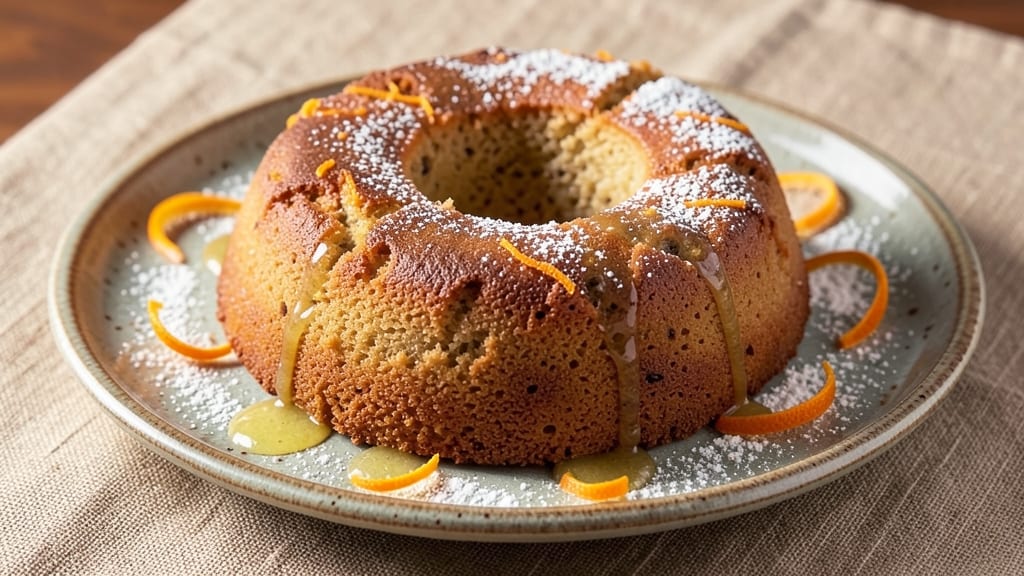
This baked mung bean cake delivers light, fluffy layers with a bright citrus zing that balances natural sweetness perfectly. ✨ The secret lies in properly soaking and grinding the mung beans for a smooth, airy batter that bakes into tender, cake-like perfection. Unlike dense traditional versions, this recipe achieves a delicate texture through careful ingredient ratios and baking technique. What sets this apart is the citrus element—whether from orange zest or lemon juice—which cuts through the earthy bean flavor while adding a refreshing lift. The cake rises beautifully in the oven, developing a subtle golden crust while staying moist inside. For those seeking a gluten-free option, this recipe delivers without compromising on texture or taste. The result is a dessert that's elegant enough for special occasions but simple enough for weeknight treats. Each slice offers a harmonious blend of nutty bean flavor and vibrant citrus notes, making it a standout in any dessert lineup. Ready to bake this versatile cake?
The baking process is where precision matters most—properly measuring ingredients and baking at the right temperature ensures that signature light, fluffy texture. Unlike traditional mung bean cakes that can turn dense, this method focuses on achieving an almost sponge-like quality while maintaining the cake's natural sweetness. The citrus component isn't just for flavor; it also helps balance the bean's earthiness, creating a well-rounded dessert experience. This recipe works beautifully as a standalone dessert or as part of a larger spread. Serve it warm with a dusting of powdered sugar or a drizzle of honey for extra decadence. The cake also keeps well at room temperature, making it perfect for meal prep or gifting. Whether you're a seasoned baker or just starting out, this recipe offers a foolproof way to create a showstopping dessert.
For those interested in variations, consider adding a layer of sweetened red bean paste or incorporating matcha powder for a unique twist. The cake's versatility makes it adaptable to different dietary needs while maintaining its signature texture. With just a few simple ingredients and a bit of patience, you'll achieve a dessert that's both impressive and satisfying. Let's get baking!
Ingredients for baked mung bean cake
Eleven simple ingredients transform into delicate, citrus-kissed mung bean cake layers.
| Ingredient | Amount | Notes |
|---|---|---|
| Mung Beans 🌱 | 1 ½ cups | Soaked overnight, drained, rinsed |
| Orange Zest 🍊 | 1 tbsp | From 1 large organic orange |
| Fresh Lemon Juice 🍋 | ½ cup | Strained, no pulp |
| Granulated Sugar 🍚 | 1 cup | Organic preferred for purity |
| All-Purpose Flour 🌾 | 1 ½ cups | Gluten-free blend for texture |
| Baking Powder 🍞 | 1 tsp | Aluminum-free for best rise |
| Salt 🧂 | ½ tsp | Fine sea salt preferred |
| Coconut Oil 🥥 | ½ cup | Melted, full-fat for richness |
| Vanilla Extract 🌸 | 1 tsp | Pure alcohol-free preferred |
| Powdered Sugar 🍚 | ¼ cup | For dusting, organic preferred |
| Water 💧 | 1 cup | Filtered for neutral taste |
The mung beans are the foundation—organic, whole mung beans from Whole Foods or Trader Joe's work best for their consistent texture. Soak them overnight to soften completely; discard any discolored beans. The orange zest should be vibrant and fragrant—organic oranges yield brighter flavor. For gluten-free flour, Bob's Red Mill 1:1 blend ensures proper texture without compromising structure. The coconut oil adds richness without dairy, and full-fat versions create a more velvety batter. Measure ingredients precisely; this cake relies on exact ratios for its signature lightness.
No organic oranges? Conventional oranges work fine, but zest them immediately after purchase for maximum potency. Running low on baking powder? Baking soda plus cream of tartar at half the amount serves as a suitable substitute. The powdered sugar can be swapped for confectioners' sugar, though organic versions have a cleaner finish. For added depth, consider 1 tsp matcha powder mixed into the dry ingredients. The lemon juice should be fresh—bottled versions lack the bright acidity needed to balance the beans' earthiness. If you prefer less sweetness, reduce the granulated sugar by 2 tbsp and increase the lemon juice by 1 tbsp.
This cake keeps beautifully at room temperature for 3 days in an airtight container, wrapped in parchment paper. For longer storage, freeze individual slices between parchment layers for up to 3 months. Reheat slices at 300°F for 5 minutes to restore freshness. The batter can be prepped 24 hours ahead and stored in the fridge—simply bake straight from the refrigerator. For a restaurant-quality finish, dust with powdered sugar just before serving, or drizzle with agave syrup for extra moisture.
Why You'll Love This Recipe
- No-Fuss Prep: I swear by this recipe when I’m too tired to measure. Soak the mung beans overnight—yes, that’s it—and the next day, just blend, mix, and bake. No chopping, no fussing, no stress. The orange zest and lemon juice do all the brightening while you’re scrolling through your phone waiting for the oven timer.
- Citrus Magic: That first bite of warm cake with the zesty orange and lemon? It’s like a hug for your taste buds. The sugar caramelizes just enough to balance the tang, and the mung beans add this subtle, earthy richness that makes it feel special—not too sweet, not too tart, but just right.
- Weeknight or Brunch Star: Between us, this cake is my go-to for lazy Sunday mornings or when I’ve got friends over unexpectedly. Serve it plain with tea, or drizzle honey and toast it for a quick breakfast. Even my picky-eating cousin asked for seconds—(yes, even on a Tuesday night).
- Budget-Friendly Stash: Mung beans are dirt cheap, and this recipe stretches far. I make two batches, slice one, and freeze the rest for when I’m too tired to bake. The flour and sugar are pantry staples, so it’s basically free once you’ve got the basics. Plus, the leftovers stay moist for days—no sad, dry cake here.
Step-by-step instructions for baked mung bean cake
Here's the method for creating light, citrus-infused layers that balance protein and sweetness perfectly.
👨🍳 Step 1: Blend the Mung Bean Batter to Smooth Perfection
In a high-speed blender, combine the 1.5 cups soaked mung beans, 1 cup water, 1 tbsp orange zest, and 1 tsp vanilla extract. Blend until completely smooth, scraping down the sides as needed. The mixture should resemble thick, creamy batter with no visible bean particles. This step is critical—any lumps will create texture inconsistencies in your cake.
Add 1 cup granulated sugar and blend again for 30 seconds to fully incorporate. The sugar will help balance the earthy mung bean flavor while adding necessary sweetness. For best results, use a high-powered blender—regular blenders may struggle with the fibrous texture of mung beans. The final batter should be thick but pourable, similar to pancake batter consistency.
🍳 Step 2: Whisk Dry Ingredients for Lightness
In a medium bowl, sift together the 1.5 cups all-purpose flour, 1 tsp baking powder, and 0.5 tsp salt. This ensures even distribution of leavening agents throughout the batter. I like to press the flour mixture through a fine-mesh sieve to eliminate any potential clumps that could create dense pockets in the cake.
In a separate small bowl, melt the 0.5 cup coconut oil until completely liquid but not smoking. This fat will create tenderness in the cake and help create those light, fluffy layers. Let it cool slightly for 2-3 minutes before adding it to the dry ingredients. Whisk the melted coconut oil into the flour mixture until it forms a coarse crumb texture—this prevents the cake from becoming greasy while ensuring proper moisture distribution.
🥘 Step 3: Combine Wet and Dry Ingredients Gently
Pour the mung bean batter into the flour mixture in a slow, steady stream while whisking continuously. This gradual incorporation prevents the batter from becoming too dense. After combining, gently fold in the 0.5 cup fresh lemon juice using a spatula—this adds brightness that cuts through the richness of the coconut oil and mung beans.
For the final touch, fold in 0.25 cup powdered sugar reserved for the batter. This creates a delicate sweetness that won't overwhelm the citrus notes. The batter should be smooth and well-combined, with no visible streaks of flour. If the batter appears too thick, add 1-2 tablespoons of water to achieve a consistency similar to thick cake batter. This ensures proper rise and moisture distribution during baking.
🔥 Step 4: Bake in Layers for Maximum Fluffiness
Preheat your oven to 350°F and grease two 8-inch round cake pans with coconut oil, then line the bottoms with parchment paper. Divide the batter evenly between the pans—each should receive about ¾ cup of batter. Bake for 25-30 minutes or until a toothpick inserted in the center comes out clean and the edges are lightly golden.
Here's the secret to those signature fluffy layers: as soon as the cakes are done, invert them onto a wire rack while still warm. This allows any residual moisture to evaporate from the bottom, creating a light, airy texture rather than a dense base. Let them cool completely in the pans for 10 minutes, then transfer to a wire rack to cool completely before assembling.
⏰ Step 5: Assemble and Dust with Citrus Glaze
Place one cake layer on a serving plate and spread a thin layer of lemon glaze (made by combining 2 tbsp powdered sugar with 1 tbsp fresh lemon juice). This glaze adds moisture and enhances the citrus flavor between layers. Place the second cake layer on top and repeat the glaze application.
For the final touch, dust the entire cake with the remaining 0.25 cup powdered sugar using a fine-mesh sieve. This creates that signature light dusting that complements the citrus notes. Serve immediately while the cake is still slightly warm—this ensures the layers stay moist and the flavors are at their peak. The finished cake should have a delicate crumb, subtle citrus aroma, and a perfect balance of sweetness and protein-rich texture.
Pro Tips For Making Baked Mung Bean Cake
- SOAK BEANS OVERNIGHT: I learned this the hard way—rushing the soak with mung beans leaves them gummy and undercooked. Use warm water (not boiling) and soak for at least 12 hours. Drain and rinse thoroughly before blending; any lingering starch makes the batter gluey when baked.
- ZEST FRESH, GRATE WELL: Orange zest is potent—use only what you’d actually eat in flavor. Grate it fine (a microplane works best) and mix it into the batter last, right before baking. If you zest too much, the cake can taste bitter or overpower the delicate mung bean flavor.
- BAKE LOW AND SLOW: This isn’t a quick dessert. Bake at 325°F (165°C) for 40–45 minutes, not high heat. The center should jiggle slightly when done—overbaking turns it dense. Tent with foil halfway if the edges brown too fast.
- LEMON JUICE FIRST, SUGAR LATER: Add the lemon juice to the batter before the sugar, then fold in the sugar last. This keeps the acid bright and balances the sweetness without dulling it. If you mix them first, the citrus flavor mutes, and the cake tastes flat. Trust me, it’s worth the extra 10 seconds.
Regional styles of this baked mung bean cake
Asian-Inspired Sweet Cakes
In many Asian cultures, mung bean cakes are traditionally sweetened with red bean paste or lotus seed paste for a rich, jammy texture. For a classic Chinese-inspired version, replace the granulated sugar with ½ cup red bean paste mixed into the batter after blending. This creates a moist, dense cake with pockets of sweetness—perfect for celebrations like Lunar New Year. I love using Whole Foods' organic red bean paste for its vibrant color and balanced sweetness. 🍡
Japanese Matcha Twist
For a modern Japanese adaptation, swap the orange zest for 1 tbsp matcha powder and add 1 tsp grated ginger to the batter. The matcha provides an earthy depth that pairs beautifully with the mung beans, while the ginger adds a subtle warmth. Top with white chocolate shavings for a fusion dessert that bridges traditional and contemporary flavors. This version is especially popular in Tokyo cafes for its delicate bitterness and smooth texture. ✨
Indian Savory Variations
In South India, mung bean cakes often take on savory profiles. For a spiced savory cake, reduce the sugar to ½ cup and add 1 tsp cumin seeds, ½ tsp turmeric, and 1 tsp coriander powder to the dry ingredients. Fold in ½ cup finely chopped cilantro and 1 tbsp tamarind paste for a tangy, aromatic twist. Serve warm with a side of mango chutney for a balanced flavor experience. This version is a staple at Indian festivals and works beautifully as a snack or light meal. 🌶️
Thai Citrus-Ginger Cake
Thai desserts often incorporate palm sugar and kaffir lime leaves for unique depth. Replace the granulated sugar with ½ cup palm sugar and infuse the batter with 2 strips of kaffir lime leaf (removed after blending). Add 1 tbsp grated ginger and 1 tsp pandan extract for an aromatic, floral note. The result is a fragrant cake with a caramelized sweetness that pairs perfectly with coconut milk drizzle. This variation is a showstopper for tropical-themed gatherings. 🌴
Filipino Ube-Inspired Cake
For a vibrant purple twist, blend ½ cup ube halaya (purple yam jam) into the mung bean batter after blending. The ube adds natural sweetness and a striking color, while the mung beans provide a protein-rich balance. Top with toasted coconut flakes and a drizzle of caramelized banana sauce for a dessert that feels both indulgent and nutritious. This fusion is inspired by Filipino desserts but elevated with the mung bean's unique texture. 💜
Nutrition facts
Frequently asked questions
Why does my mung bean cake turn out dense instead of light and fluffy?
Overmixing the batter or using too much flour are the most common culprits. The key is blending the mung beans until completely smooth (no lumps) and measuring ingredients precisely—especially the flour. Also, ensure your baking powder is fresh (test by mixing 1 tsp with water; it should bubble immediately). For extra lightness, fold in the lemon juice last and avoid overbaking.
Can I substitute regular flour for gluten-free flour in this recipe?
Yes, but use a 1:1 gluten-free baking blend with xanthan gum for best results. Regular all-purpose flour lacks the structure gluten provides, which can make the cake crumble. If your blend doesn't contain xanthan gum, add ½ tsp per cup to mimic gluten's binding properties. Test your blend first with a small batch if unsure.
How do I make this cake more moist for the next day?
Store it in an airtight container with a slice of bread on top to absorb excess moisture. For extra freshness, brush the cooled cake with 2 tbsp coconut oil mixed with 1 tbsp lemon juice before storing. Reheat slices at 300°F for 5 minutes to restore moisture. Avoid refrigerating—it dries out the cake faster.
What's the best way to sweeten this cake if I don't have sugar?
Try maple syrup or agave nectar as 1:1 substitutes for granulated sugar. For a natural option, blend ½ cup dates with ¼ cup water until smooth and use instead. Reduce the liquid in the batter by 2 tbsp if using these sweeteners, as they're more liquid than sugar. Taste as you go—natural sweeteners vary in intensity.
Can I bake this in a single layer instead of two?
Use a 9-inch round pan and bake for 35-40 minutes at 350°F. For a taller cake, reduce the baking time slightly (30 minutes) to prevent over-browning. The single-layer version works well for smaller gatherings or when you prefer a taller slice. Just adjust the powdered sugar dusting to ¼ cup total for presentation.