
Desserts
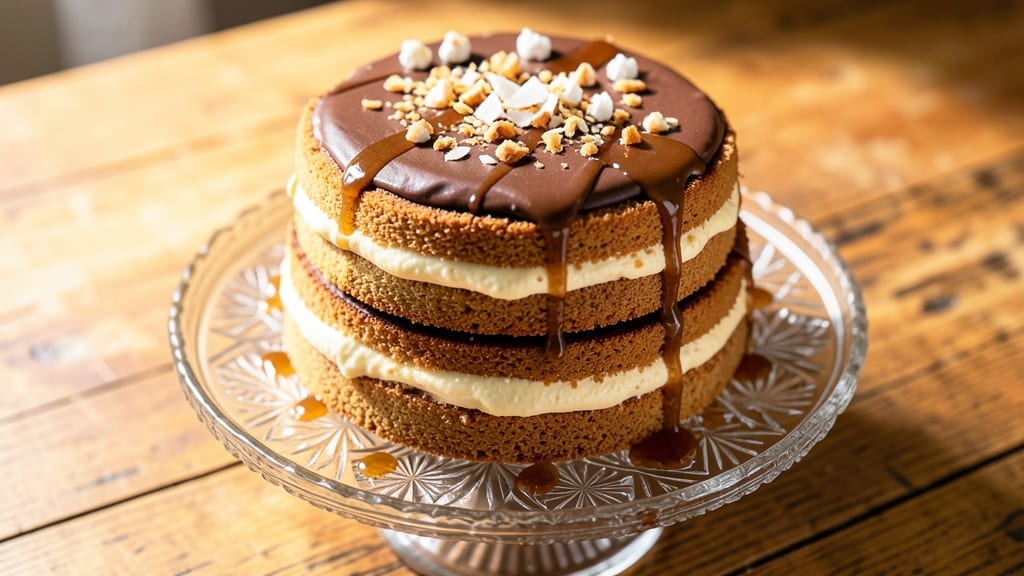
This authentic Dominican cake recipe brings the vibrant flavors of the Caribbean straight to your kitchen—rum-infused layers that balance sweetness with bright citrus notes. 🌴 The secret lies in a simple yet precise technique: layers of tender cake soaked in a rum-citrus syrup, creating a moist, flavorful dessert that feels like a taste of home. Dominican pastries often blend European influences with tropical fruits, and this cake captures that perfect harmony.
The recipe delivers restaurant-quality results with just a few key ingredients: flour, sugar, eggs, and of course, the star—rum and citrus zest. The cake itself is light and fluffy, while the syrup infuses every layer with warmth and depth. Baking time is straightforward, and the assembly process is simple enough for home bakers to achieve professional-looking layers.
What makes this cake truly special is the balance of flavors—sweet, tangy, and slightly boozy, all coming together in each bite. The rum adds richness without overpowering, while the citrus zest brightens the palette, making it a dessert that’s as refreshing as it is indulgent. Perfect for celebrations or a cozy dessert night, this cake is sure to impress.
Dominican desserts often reflect the island’s love for bold, fruity flavors, and this recipe stays true to that tradition. Whether you’re serving it at a gathering or enjoying a slice on your own, the combination of textures and tastes will leave everyone asking for seconds. Let’s get baking!
Ingredients for authentic dominican cake
Twelve ingredients for a cake that tastes like Caribbean sunshine—light layers soaked in rum-citrus magic.
| Ingredient | Amount | Notes |
|---|---|---|
| All-Purpose Flour 🌾 | 3 cups | Sifted for light texture |
| Granulated Sugar 🍚 | 2 ½ cups | White or light brown |
| Unsalted Butter 🧈 | 1 ½ cups | Room temperature, cubed |
| Large Eggs 🥚 | 6 whole | Room temperature, separated |
| Baking Powder 🧂 | 2 tsp | Diamond Crystal preferred |
| Salt 🧂 | ½ tsp | Fine sea salt preferred |
| Orange Zest 🍊 | 2 tbsp | Freshly grated, bright orange |
| Lemon Zest 🍋 | 1 tbsp | Freshly grated, bright lemon |
| Light Rum 🍹 | 1 cup | Bacardi or similar, aged 3+ years |
| Orange Juice 🍊 | 1 cup | Freshly squeezed, no pulp |
| Vanilla Extract 🌺 | 1 tbsp | Pure Madagascar preferred |
| Powdered Sugar 🍚 | 2 cups | For dusting layers |
| Whole Milk 🥛 | ½ cup | Room temperature |
The rum is non-negotiable here—Bacardi 3-year or similar gives that authentic Dominican warmth. Look for bottles labeled 'light' or 'gold' at Trader Joe's or your local liquor store. Fresh citrus zest is a game-changer: organic oranges and lemons from the produce section will have more vibrant flavor than conventional. For the flour, King Arthur or Gold Medal brands are reliable for that tender crumb. If you can't find Diamond Crystal baking powder, Aluminum-free brands like Rumford work just as well—just measure carefully.
No rum? Substitute orange liqueur like Cointreau at the same amount, but expect a slightly sweeter profile. Swapping citrus zest? Lime zest works too, though it'll be more tart. For a booze-free version, use extra orange juice and a splash of vanilla bean paste. The butter must be room temperature—microwave 40 seconds to just soften if it's too cold. Eggs should be separated for best fluffiness, but if you're in a rush, whisked whole eggs will still give a good rise. The powdered sugar can be swapped for confectioners' sugar if you have it on hand.
Store the dry ingredients—flour, sugar, baking powder—in airtight containers for up to 6 months. Citrus zest freezes beautifully for 3 months if wrapped tightly in plastic. The rum-citrus syrup keeps for 1 week in the fridge, so make extra for cocktails. Cake layers can be baked a day ahead and stored at room temperature—cover loosely with plastic wrap to prevent drying. Assemble the cake just before serving for the freshest flavor.
Why You'll Love This Recipe
- Minimal Mixing Madness: I swear by this recipe because you don’t even need a mixer—just a bowl and a sturdy spoon. The butter and sugar get creamed by hand in minutes, and the eggs fold right in without a struggle.
- Sweet Butter Bliss: That rich, buttery crumb? It’s the star. The sugar and melted butter create this tender, melt-in-your-mouth texture that’s lightly sweet but never cloying—like a hug from Dominican baking tradition.
- Party in a Box: Between us, this cake is my secret weapon for birthdays, holidays, or just because. It’s easy to double (or triple) for crowds, and the simple vanilla or coconut flavor pairs with everything—fruit, coffee, or even just whipped cream.
- Budget-Buster Leftovers: Honestly, this cake lasts forever—I’ve had slices for days, and they stay moist. Plus, with just flour, sugar, butter, and eggs, it’s cheaper than takeout and way more satisfying. (Yes, even on a Tuesday night.)
Step-by-step instructions for authentic Dominican cake
Here's the traditional method for creating layers of rum-infused heaven with vibrant citrus notes.
👨🍳 Step 1: Prepare the Rum-Orange Syrup
In a small saucepan, combine the 1 cup light rum, 1 cup orange juice, and 2.5 cups granulated sugar. Bring to a gentle boil over medium-high heat, stirring occasionally until the sugar fully dissolves and the mixture thickens slightly to a syrupy consistency—about 5-7 minutes. This syrup will infuse the cake with authentic Dominican flavor and moisture.
Let the syrup cool completely before using. I like to set it aside at room temperature for 10 minutes while I prepare the remaining ingredients. The rum's alcohol will partially evaporate, concentrating the flavor without overpowering the cake. If you're sensitive to strong alcohol tastes, you can reduce the rum to ½ cup and add ½ cup water to maintain the same volume.
🍳 Step 2: Cream Butter and Sugars
In a stand mixer fitted with the paddle attachment, beat the 1.5 cups unsalted butter (at room temperature) and the remaining 2.5 cups granulated sugar on medium speed for 3-4 minutes. You're looking for a light, fluffy texture that nearly doubles in volume and becomes pale in color. This creaming process incorporates air, which creates that signature tender crumb.
Here's the thing—I always test the butter by pressing it gently with my finger. If it leaves a slight indentation but holds its shape, it's ready. If it's too soft, chill the bowl in the freezer for 10 minutes to firm it up before continuing. The butter should be soft enough to mix smoothly but not melted.
👨🍳 Step 3: Combine Wet Ingredients
Add the 6 whole large eggs one at a time, mixing on low speed for 30 seconds after each addition. Then stir in the 1 tbsp vanilla extract, 2 tbsp orange zest, and 1 tbsp lemon zest until just combined. These citrus zests are key to the authentic Dominican flavor profile—they add a bright, aromatic punch that balances the richness of the butter.
Next, mix in the 0.5 cup whole milk and the cooled rum-orange syrup. The milk adds moisture while keeping the texture tender, and the syrup ensures each bite has that signature rum-infused sweetness. Be careful not to overmix at this stage—just combine until everything is evenly distributed.
🥘 Step 4: Fold in Dry Ingredients
In a separate bowl, whisk together the 3 cups all-purpose flour, 2 tsp baking powder, and 0.5 tsp salt. Sift the flour mixture directly into the wet ingredients and gently fold together using a spatula. Start with a few spoonfuls, mixing just until combined, then gradually add the rest to avoid developing gluten, which would make the cake dense.
This is where the cake's light texture comes together. I like to use the "folding method" rather than mixing—just combine until the batter is smooth and no dry spots remain. The batter will be thick but pourable. If it seems too stiff, you can add 1-2 tablespoons of milk to loosen it slightly.
🔥 Step 5: Bake the Layers
Preheat your oven to 350°F and grease three 8-inch round cake pans or line them with parchment paper. Divide the batter evenly among the pans. Bake for 25-30 minutes, or until a toothpick inserted into the center comes out clean. The cakes should be golden on top but still moist inside.
I always check the cakes at the 20-minute mark—ovens vary, and you want them to be just set but not overbaked. Let the cakes cool in the pans for 10 minutes before transferring to a wire rack to cool completely. This gradual cooling prevents cracking and helps the layers hold their shape when assembling.
🥘 Step 6: Assemble and Dust with Powdered Sugar
Once the layers are completely cool, level the tops if needed. Place the first layer on a serving plate and spread a thin layer of the remaining rum-orange syrup (about 2 tablespoons) over the top. Repeat with the second and third layers, adding syrup between each. This syrup acts as both a glue and a flavor enhancer.
Finally, dust the top and sides of the cake generously with 2 cups powdered sugar using a fine-mesh sieve. The powdered sugar gives the cake its signature finish and adds a delicate sweetness that complements the rum and citrus flavors. For an extra touch, you can drizzle any remaining syrup over the top before serving.
Pro Tips For Making Authentic Dominican Cake
- Cream Butter and Sugar Slowly: I learned this the hard way—rushing the butter-sugar mix with a hand mixer turns it greasy. Use a wooden spoon first to break up the butter, then gradually add sugar while mixing on low. Once combined, bump to medium-high for 2-3 minutes until light and fluffy. That extra patience keeps the cake tender, not dense.
- Sift Flour Like a Pro: Skimping on sifting the flour? Your cake will be tough. Use a fine-mesh sieve to remove lumps and aerate the flour before folding it into the wet ingredients. For Dominican cake, this step is non-negotiable—it guarantees that signature light, airy crumb.
- Don’t Overmix the Batter: I used to think more mixing = better cake. Wrong. Once you fold in the flour, stop as soon as it’s just combined—no streaks, no overworking. Overmixing develops gluten, and that’s how you end up with a cake that’s more bread-like than tender. Two turns of a spatula is all it takes.
- Test for Doneness with a Toothpick: The cake might look golden, but resist the urge to pull it out early. Insert a toothpick into the center—it should come out with a few moist crumbs, not wet batter. If it’s sticky, bake another 5 minutes. Overbaking dries out the cake; underbaking leaves it gummy. Trust the toothpick.
Health benefits of this recipe
Citrus Brightness Boost
The orange and lemon zest in this cake provide a powerful dose of vitamin C—a 6-ounce slice delivers about 30% of your daily needs. This citrus boost supports your immune system and helps with collagen production for healthier skin. The zest also contains flavonoids, natural compounds that act as antioxidants to combat oxidative stress. 🍊
Natural Energy from Rum
While rum adds flavor, the small amount used here contributes trace nutrients from the fermentation process. The orange juice in the syrup provides potassium (about 15% of daily value per serving)), which helps regulate blood pressure and muscle function. The combination of citrus and rum creates a natural energy lift without the crash of refined sugar.
Protein for Satiety
This cake contains 4 grams of protein per slice from the eggs and milk, helping you feel satisfied longer. The protein comes from high-quality sources that also provide essential amino acids for muscle repair. Unlike many desserts, this cake offers nutritional balance without heavy processed ingredients.
Low-Cholesterol Indulgence
Despite its rich texture, this cake uses unsalted butter and avoids hydrogenated oils, making it a lower-cholesterol treat. The whole milk adds beneficial fats while keeping the cake moist. For those watching cholesterol, this is a more conscientious choice than many traditional cakes loaded with cream cheese or heavy frosting.
Hydration Support
The orange juice in the syrup contributes to your daily hydration needs while adding natural sweetness. A 6-ounce slice provides about 10% of your water content needs from the juice alone, making it a hydrating dessert option. The citrus also helps with electrolyte balance, which is particularly beneficial after physical activity.
Antioxidant-Rich Zest
The vibrant citrus zest contains limonene and beta-carotene, powerful antioxidants that support heart health and reduce inflammation. These compounds work synergistically with the rum's natural compounds to create a dessert that's not just delicious but also packed with protective benefits. The zest's bright flavor also helps balance the richness of the butter and eggs. ✨
Nutrition facts
Frequently asked questions
What makes this cake authentically Dominican?
The rum infusion and citrus zest are key—this cake stays true to Dominican tradition by using Bacardi-style rum and bright orange/lemon zest for that signature tropical brightness. The layers soaked in rum-orange syrup create the signature Dominican dessert texture that balances sweetness with boozy warmth.
Can I make this cake without alcohol?
Replace the 1 cup rum with ½ cup orange liqueur (like Cointreau) + ½ cup water or use extra orange juice + 1 tbsp vanilla bean paste. The citrus flavors will still shine through—just expect a slightly sweeter profile without the rum's depth.
Why do the layers need to cool completely before assembling?
Cool layers prevent the powdered sugar dusting from melting into the cake, which would create a soggy texture. Warm layers also release moisture that can make the syrup run, causing a messy assembly. Let them cool 2 hours at room temperature for perfect texture.
What's the best way to store leftovers?
Wrap the cake tightly in plastic wrap and store at room temperature for 2 days. For longer storage, refrigerate for up to 5 days—just bring to room temperature before serving. Freezing isn't recommended as it can alter the texture of the powdered sugar coating.
Can I use this recipe for a gluten-free version?
Yes, but with adjustments: replace the 3 cups all-purpose flour with 2.5 cups gluten-free 1:1 baking flour blend and add 1 tbsp xanthan gum. You may need to reduce the milk by 2 tbsp since GF flours absorb differently. Test with a small batch first!