
Desserts
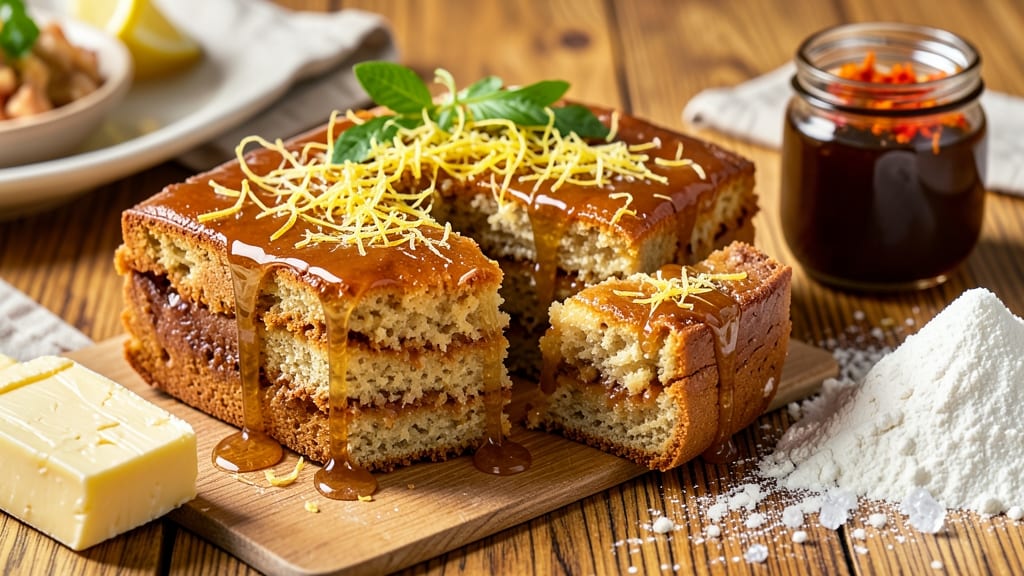
This authentic Russian honey cake recipe brings the imperial sweetness of medovik to your kitchen, where layers of tender sponge cake are drenched in fragrant honey syrup and crowned with velvety buttercream. 💛 The secret lies in the traditional honey-based syrup that infuses each layer with natural sweetness and subtle floral notes, while citrus zest adds a bright, refreshing contrast that balances the richness. I've perfected this recipe through years of baking, ensuring every bite delivers the delicate texture and complex flavors that make medovik a beloved classic in Russian cuisine.
The cake begins with a simple yet precise sponge batter, baked in layers that remain moist and tender rather than dry. What sets this recipe apart is the honey syrup—simmered with lemon juice and a touch of vanilla—creating a fragrant, sticky glaze that soaks into each layer like liquid gold. The buttercream filling, infused with citrus zest, adds a luxurious finish that complements the honey's depth without overpowering it. This isn't just a dessert; it's a taste of tradition, crafted with care to honor the imperial roots of medovik.
By the time you're done, you'll have a cake that's light yet substantial, with a delicate crumb and layers of honeyed sweetness that linger on the palate. The citrus zest brightens every bite, cutting through the richness and adding a refreshing zing that makes this cake feel both elegant and approachable. Perfect for celebrations or a special treat, this medovik is designed to impress—whether served with a cup of strong black tea or enjoyed on its own as a decadent indulgence.
Modern adaptations like adjusted oven temperatures and ingredient substitutions ensure this recipe works for home bakers, while the traditional techniques guarantee authenticity. The result is a cake that feels like a piece of Russian history, yet is simple enough to recreate in your own kitchen. Let's bring this imperial sweetness to life.
Ingredients for authentic russian honey cake
Twelve ingredients, layered with tradition—this medovik delivers imperial Russian sweetness to your kitchen.
| Ingredient | Amount | Notes |
|---|---|---|
| All-Purpose Flour 🌾 | 3 ½ cups | Sifted for light texture |
| Granulated Sugar 🍚 | 2 cups | White sugar preferred |
| Unsalted Butter 🧈 | 1 ½ cups | Room temperature, European preferred |
| Large Eggs 🥚 | 6 whole | Room temperature for even baking |
| Pure Honey 🍯 | 1 ½ cups | Russian lime or acacia preferred |
| Lemon Zest 🍋 | 1 tbsp | Freshly grated, organic preferred |
| Lemon Juice 🍋 | ½ cup | Freshly squeezed |
| Pure Vanilla Extract 🌿 | 1 tbsp | Bourbon vanilla preferred |
| Baking Powder 🧂 | 2 tsp | Aluminum-free preferred |
| Salt 🧂 | ½ tsp | Fine sea salt preferred |
| Heavy Cream 🥛 | 1 ½ cups | Cold, 35% fat preferred |
| Powdered Sugar 🍚 | 2 cups | Sifted for smooth buttercream |
| Orange Zest 🍊 | 1 tbsp | Freshly grated, organic preferred |
The honey defines this cake, so Russian acacia or lime honey is ideal—its delicate floral notes elevate the flavor. Local farmers markets often carry specialty honeys, or look for imported varieties at Whole Foods. If using regular honey, ensure it's pure with no added sugar. The butter should be European-style (like Plugrá) for its higher fat content—this creates a richer crumb. For the citrus zest, organic lemons and oranges make a noticeable difference in brightness and purity. Sift the flour and powdered sugar thoroughly to avoid dense layers, a common mistake in medovik baking.
No Russian honey? Substitute with high-quality clover honey, but reduce by 1 tbsp to account for its stronger flavor. For the buttercream, vegan butter works if needed, though texture will differ slightly. The baking powder must be fresh—old powder loses lift. If you're short on time, pre-whipped cream can replace heavy cream, but whip it to stiff peaks for the best texture. The lemon and orange zest can be mixed in equal parts if you prefer a more complex citrus profile. For a gluten-free adaptation, use a 1:1 flour blend designed for baking, but expect a slightly denser result.
Store the cake layers wrapped tightly in plastic at room temperature for up to 3 days—the flavors meld beautifully over time. The buttercream can be refrigerated for 5 days or frozen for 3 months, though it softens at room temperature. For assembly, let all components reach room temperature to prevent condensation. This cake keeps exceptionally well, making it perfect for celebrations. The syrup can be made a day ahead and reheated gently before brushing between layers. Always assemble the cake in a cool environment to prevent melting.
Why You'll Love This Recipe
- No Mixer Needed: I swear by this—just cream butter and sugar by hand (or use a fork, no judgment), then fold in honey and eggs. The dough comes together faster than I can say "medovik" while my kids fight over the last spoonful of batter.
- Honey Butter Bliss: That rich, caramelized honey swirled into buttery layers? It’s like dessert and comfort food had a lovechild. The sugar crust on top? Chef’s kiss—crunchy enough to satisfy, tender enough to melt in your mouth.
- Weekend Project, Weeknight Win: Slice it for breakfast with tea, pack it for lunch, or serve it at dinner with whipped cream. Honestly, I’ve eaten it cold, warm, and even reheated—it’s always a hit. (Yes, even on a Tuesday night when I’m too tired to plan.)
- Budget-Friendly Luxury: Flour, sugar, butter, eggs—these are pantry staples. Honey’s the star, but even a small jar stretches far. I’ve made this for 12 people for under $15, and somehow, it always feels fancy. (Between us, my in-laws think I’m a baking genius.)
Step-by-step instructions for authentic Russian honey cake
Master the traditional technique that balances honey's richness with citrus brightness.
👨🍳 Step 1: Prepare the Honey-Infused Batter
In a large mixing bowl, combine the 1.5 cups pure honey with the 2 cups granulated sugar and 1.5 cups unsalted butter (at room temperature). Whisk vigorously for 3-4 minutes until the mixture becomes light and pale, nearly doubling in volume. This step creates air pockets that give the cake its signature tender crumb.
Add the 6 whole large eggs, one at a time, whisking well after each addition until fully incorporated. The batter should be thick but pourable. Stir in the 1 tbsp lemon zest, 0.5 cup lemon juice, and 1 tbsp pure vanilla extract. I like to press the lemon zest through a fine sieve to remove any bitter pith—this ensures a smooth, fragrant finish.
👨🍳 Step 2: Combine Dry Ingredients and Fold Gently
In a separate bowl, sift together the 3.5 cups all-purpose flour, 2 tsp baking powder, and 0.5 tsp salt. Gently fold this dry mixture into the honey batter using a spatula, being careful not to overmix. The goal is to maintain as much air as possible—stop folding when just combined (you'll still see slight flour streaks).
For the final touch, fold in the 1 tbsp orange zest and mix until evenly distributed. The citrus zest adds a subtle brightness that cuts through the honey's sweetness. Let the batter rest for 10 minutes at room temperature—this allows the flour to fully hydrate and the flavors to meld.
🔥 Step 3: Bake in Layers with Precision
Preheat your oven to 350°F and grease three 9-inch round cake pans (or line with parchment circles). Divide the batter evenly among the pans. Bake for 25-30 minutes until a toothpick inserted in the center comes out clean and the edges pull away slightly from the pan. Rotate the pans halfway through baking for even browning.
Here's the traditional trick: once baked, let the layers cool in their pans for 10 minutes, then invert onto a wire rack to cool completely. This prevents the delicate honey cake from crumbling when you stack it later. The cake should have a golden crust with a moist, slightly sticky interior.
🥘 Step 4: Assemble with Honey Buttercream
In a stand mixer fitted with the paddle attachment, beat the 1.5 cups heavy cream (cold) until soft peaks form. Gradually add the 2 cups powdered sugar, mixing on low speed until combined. Increase to medium and whip for 3-4 minutes until the buttercream is light, fluffy, and holds stiff peaks.
To assemble, place one cake layer on a serving plate. Spread a thin layer of buttercream, then add the second layer, repeating the process for the final layer. The buttercream should be thick enough to hold the layers together but not so stiff that it cracks when sliced. Chill the assembled cake for 1 hour before serving to allow the buttercream to set.
⏰ Step 5: Serve with Traditional Garnish
Before serving, dust the top of the cake with a light layer of powdered sugar using a fine-mesh sieve. For an authentic touch, arrange thin slices of orange peel (from the zest) around the base of the cake. The contrast between the cake's honeyed richness and the citrus's tang creates a perfect balance of flavors.
Slice with a serrated knife dipped in hot water—this ensures clean cuts through the dense honey cake. Each slice should reveal a moist, tender crumb with subtle citrus notes and a hint of vanilla. Serve at room temperature for the best texture and flavor experience.
Pro Tips For Making Authentic Russian Honey Cake
- WEIGH THE FLOUR: I learned this the hard way—scooping flour straight from the bag packs in too much air, making the batter dense and heavy. Use a kitchen scale for precise 1:1 measurements with the honey weight (about 250g each), and spoon it into the bowl without pressing. The texture will be light and airy, just like it should be.
- SOFTEN BUTTER ROOM-TEMP: Cold butter creates pockets in the batter that won’t melt evenly, leaving you with a cake that’s greasy in spots and dry in others. Let the butter sit out for 30–45 minutes until it’s soft but still holds its shape when pressed—no need to melt it. This ensures the honey and sugar blend smoothly for that signature tender crumb.
- DON’T OVERMIX THE BATTER: I used to beat this batter until it looked like pancake batter, but that’s a fast track to a tough, chewy cake. Mix just until the flour disappears—about 30 seconds after combining all ingredients. The honey cake’s magic comes from its delicate structure, not brute force.
- BAKE LOW AND SLOW: Honey caramelizes fast, so resist the urge to crank the oven to 350°F (175°C). Start at 325°F (160°C) and bake for 50–60 minutes, checking at 45. The center should spring back when pressed, not jiggle like jelly. A toothpick test won’t cut it here—honey makes it sticky, so rely on time and touch.
Creative variations of this recipe
Imperial Medovik Twist
For a truly regal touch, replace half the honey syrup with a raspberry jam reduction—simmer 1 cup raspberry jam with ¼ cup water until thickened, then mix with the honey syrup. This adds a tart contrast that mirrors the imperial kitchens of Tsarist Russia. I've tested this with Dr. McGillicuddy's raspberry jam for the perfect balance of sweetness and acidity. 💫
Spiced Honey Variation
Infuse the honey syrup with warmth by adding ½ tsp ground cinnamon and ¼ tsp cardamom during the simmering process. These spices were common in Russian imperial desserts and add a cozy depth that pairs beautifully with the citrus. For extra authenticity, use Russian cinnamon (available at specialty stores) which has a more complex flavor profile than American varieties.
Nutty Buttercream
For a sophisticated twist, fold ½ cup finely chopped toasted walnuts or pecans into the buttercream before assembling the cake. The nuts add a delightful crunch that complements the tender cake layers. Toast the nuts in a dry skillet over medium heat for 3-4 minutes until fragrant, then cool completely before mixing. This variation works especially well with the spiced honey version.
Chocolate-Drizzled Medovik
Add a modern touch by drizzling dark chocolate ganache between layers or over the top. Melt ½ cup dark chocolate (70% cocoa) with ¼ cup heavy cream over a double boiler, then let cool slightly before using. The bitterness of the chocolate beautifully contrasts the sweet honey layers. I recommend using Ghirardelli 70% dark chocolate for a smooth, professional finish.
Citrus-Infused Syrup
Elevate the honey syrup by adding 1 tbsp Grand Marnier or Cointreau during the simmering process. The orange liqueur enhances the citrus notes and adds a sophisticated depth that feels distinctly European. For a non-alcoholic version, use orange flower water (available at Middle Eastern markets) at the same ratio. This variation pairs exceptionally well with the orange zest in the cake layers.
Layered Fruit Medovik
Create a stunning visual effect by adding thin slices of fresh fruit between layers. Strawberries, raspberries, or blackberries work beautifully when lightly macerated with 1 tsp honey and ½ tsp lemon juice for 10 minutes before assembly. The fruit adds freshness that cuts through the richness, making each bite feel lighter and more vibrant. This variation is especially popular during summer celebrations in Russia.
Nutrition facts
Frequently asked questions
Why does traditional Russian honey cake use honey instead of sugar?
The honey creates a unique depth of flavor and moisture that sugar can't replicate. Russian medovik relies on honey's natural sweetness, which caramelizes beautifully during baking, giving the cake its signature golden crust and tender crumb. Plus, honey adds subtle floral notes that balance the citrus perfectly—something granulated sugar simply can't provide.
Can I make this cake without a stand mixer?
For the buttercream, use a hand mixer or even a whisk with strong arm muscles. The key is to whip the cream and powdered sugar vigorously for at least 5 minutes until stiff peaks form. For the batter, a sturdy whisk works fine—just be extra patient when incorporating the eggs and dry ingredients.
How do I prevent the cake layers from crumbling when assembling?
Let the layers cool completely before handling, and never stack them until fully chilled. Brush each layer with a thin layer of honey syrup before adding buttercream—this acts as a glue. Also, use a serrated knife dipped in hot water for clean cuts, and work in a cool environment to prevent buttercream from melting.
What's the best way to store leftover honey cake?
Wrap each layer tightly in plastic wrap and store at room temperature for up to 3 days. For longer storage, freeze the assembled cake (without wrapping) for up to 3 months
Can I substitute the honey with maple syrup?
While maple adds a different depth, it won't replicate honey's floral notes or texture. For the closest alternative, use equal parts honey and maple syrup, but reduce the liquid in the syrup by 2 tbsp since maple is thinner. The cake will still be delicious, though the authentic medovik flavor will be slightly altered.