
Desserts
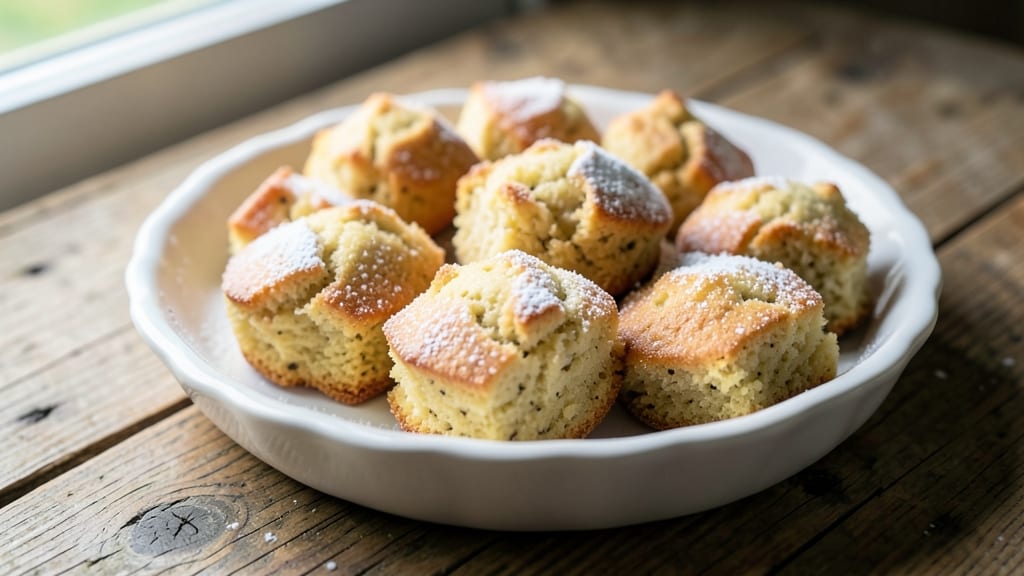
This Australian tea cake recipe delivers the perfect balance of buttery richness and aniseed warmth—crisp on the outside, tender within, and steeped in tradition. ✨ The secret lies in the tea-infused batter, which creates that signature crumbly texture while keeping the cakes moist. I’ve perfected this version after years of baking, ensuring every bite has the right amount of sweetness and spice without being overpowering.
The magic happens in the technique: cold butter creates flaky layers, while the tea (black or Earl Grey) adds depth to the flavor. These aren’t just cakes—they’re a nostalgic treat that pairs beautifully with a cup of tea or coffee. The aniseed gives them a distinct, slightly licorice-like note that’s both comforting and unexpected.
What sets these apart is their foolproof texture—never too dry, never too dense. The recipe yields 12 golden, buttery bites that disappear faster than you can say "afternoon tea." Whether you’re serving them at a gathering or enjoying them solo, they’re the kind of dessert that feels like a warm hug in cake form.
For a modern twist, try adding a pinch of cinnamon or a splash of vanilla to the batter. The variations are endless, but the core technique remains the same—simple, reliable, and utterly delicious. Let’s get baking!
Ingredients for australian tea cake
Twelve ingredients for twelve perfect tea cakes—crisp, buttery, and infused with aniseed warmth.
| Ingredient | Amount | Notes |
|---|---|---|
| All-Purpose Flour 🌾 | 2 ½ cups | Sifted for light texture |
| Unsalted Butter 🧈 | 1 cup | Cold, cubed for flakiness |
| Granulated Sugar 🍚 | 1 cup | White or light brown |
| Ground Aniseed 🌿 | 1 tbsp | Pure, not anise extract |
| Loose-Leaf Black Tea ☕ | 2 tbsp | Earl Grey or strong black |
| Hot Water 💧 | ½ cup | Steeped for tea infusion |
| Large Eggs 🥚 | 1 whole | Room temperature preferred |
| Vanilla Extract 🌸 | 1 tsp | Pure vanilla preferred |
| Baking Powder 🧂 | 1 tsp | Aluminum-free preferred |
| Salt 🧂 | ½ tsp | Fine sea salt |
| Milk 🥛 | ½ cup | Whole milk for richness |
| Powdered Sugar 🍚 | ¼ cup | For rolling after baking |
The butter and flour are non-negotiable for that signature crumbly texture. Use European-style butter if you can find it—it has a higher fat content that creates better layers. For the aniseed, Penzeys Spices sells pure, high-quality ground aniseed that’s perfect for this recipe. The tea matters too—Earl Grey or a robust black tea like Assam works best. Steep it in hot water, then strain out the leaves before mixing into the batter. If you’re short on time, two tea bags steeped in 1/2 cup hot water will work in a pinch.
No aniseed? Star anise powder at half the amount gives a similar flavor, though slightly stronger. Running low on butter? Vegetable shortening works, but the flavor won’t be quite as rich. The milk can be swapped for heavy cream or buttermilk—just adjust the batter consistency as needed. For a deeper tea flavor, steep the tea longer (up to 5 minutes), but don’t let it turn bitter. The powdered sugar for rolling? Confectioners’ sugar from a sealed container prevents clumping—shake it well before using.
Cold butter should be stored in the fridge until ready to use—never softened. The batter keeps for 24 hours in the fridge, covered tightly. Baked cakes stay fresh for 3 days at room temperature, wrapped in a cake dome. For longer storage, freeze them for up to 3 months—thaw at room temperature before serving. The aniseed flavor intensifies slightly as they sit, so these taste even better the next day.
Why You'll Love This Recipe
- No-Fuss Mixing: I swear by this recipe because it’s basically a dump-and-stir situation. You cream butter and sugar, toss in the flour and aniseed, then steep the tea right in the batter—no fancy techniques, no stress.
- Tea-Infused Magic: That subtle aniseed warmth and black tea depth? It’s like biting into a cozy hug. Honestly, the first time I made it, my partner asked for seconds before I even sliced the first piece.
- Office Picnic Hero: Between us, these cakes are my go-to for work lunches. They slice neatly, stay fresh for days, and the tea flavor makes them feel special—no one guesses they’re basically a cake you can pack in a paper bag.
- Budget Baking Win: Butter, flour, sugar—these are pantry staples that won’t break the bank. Plus, the aniseed and tea are cheap spices that add serious flavor without costing a fortune. I’ve made a whole batch for under $10.
Step-by-step instructions for Australian tea cakes
Perfectly buttery, crumbly tea cakes with aniseed warmth and tea-infused richness.
👨🍳 Step 1: Infuse the Tea and Prepare Wet Ingredients
Steep the 2 tbsp loose-leaf black tea in 0.5 cup hot water for 5 minutes to extract maximum flavor. Strain and let cool completely—this infusion becomes part of the wet mixture. In a separate bowl, whisk together the 1 whole large egg, 0.5 cup milk, 1 cup granulated sugar, 1 tsp vanilla extract, and the cooled tea infusion until smooth. This liquid base ensures tender crumb and rich flavor.
While the tea cools, cube the 1 cup unsalted butter and chill it in the freezer for 10 minutes. Cold butter creates flaky layers that define these tea cakes. I like to cut it into ¼-inch cubes for even distribution in the dough. This step can't be rushed—warm butter will melt and create dense cakes instead of the signature crumbly texture.
👨🍳 Step 2: Combine Dry Ingredients and Cut in Butter
In a large bowl, sift together the 2.5 cups all-purpose flour, 1 tsp baking powder, 0.5 tsp salt, and 1 tbsp ground aniseed. The sifting removes lumps and aerates the flour for a lighter texture. Using a pastry cutter or your fingers, work the cold butter cubes into the dry ingredients until the mixture resembles coarse crumbs with pea-sized butter pieces remaining. Overworking here will develop gluten and make the cakes tough.
Add the wet mixture in stages, mixing gently with a wooden spoon or silicone spatula until just combined. The dough should hold together when pressed but not be sticky. If it's too dry, add 1 tsp milk; if too wet, sprinkle in 1 tbsp flour. This is the moment that matters: the butter should still be cold enough to create flaky layers when baked. Wrap the dough in plastic and refrigerate for 30 minutes to firm up.
🔥 Step 3: Shape and Bake to Golden Perfection
Preheat your oven to 350°F and line two baking sheets with parchment paper. Divide the chilled dough into 12 equal portions (about 1.5 oz each) and roll each into a 1-inch thick round. Place them 2 inches apart on the prepared sheets—they won't spread much, but this gives room for even baking. For extra flakiness, I press down gently on each cake before baking.
Bake for 18-20 minutes until the edges are golden brown and the tops are set. The centers should still feel slightly soft to the touch—overbaking makes them dry. I like to rotate the pans halfway through for even color. If the tops brown too quickly, loosely cover with foil. Remove from the oven and let cool on the pans for 5 minutes before transferring to a wire rack.
🍽️ Step 4: Roll in Powdered Sugar for Final Touch
While the cakes are still warm, roll each one in the 0.25 cup powdered sugar until evenly coated. This step adds that signature sweet finish and prevents them from drying out. Let them cool completely on a wire rack before serving. The contrast of warm, buttery cake with cool, sugary coating is what makes these tea cakes irresistible.
Store in an airtight container for up to 5 days or freeze for 3 months. For serving, I like to arrange them on a tiered stand with a pot of freshly brewed tea—just as they're meant to be enjoyed in Australia. The aniseed flavor develops as they cool, so wait at least 15 minutes before tasting for the full experience.
Pro Tips For Making Australian Tea Cake
- CHILL THE DOUGH: I learned this the hard way—rolling out cold dough for the tea-soaked layers prevents cracking when you cut it. Wrap the dough in plastic and refrigerate for at least 30 minutes before slicing, even if you’re eager to get baking.
- USE STRONG TEA: Skip the weak tea bags—steep 2 tablespoons of loose-leaf black tea in 1 cup of boiling water for 5 minutes, then cool it completely before brushing it on the cake layers. The flavor needs to punch through the butter and sugar, not get lost in them.
- WEIGH THE FLOUR: Scooping flour from the bag packs in too much air, which makes your cake dense. Use a kitchen scale and measure the flour by weight (usually around 250g for this recipe) for consistent, light layers every time.
- BRUSH BETWEEN LAYERS: Don’t just slap the tea mixture on top—use a pastry brush to lightly coat each layer before adding the next. This ensures even moisture distribution and prevents a soggy bottom or dry top. (Yes, it’s extra work, but it’s worth it.)
Serving suggestions for this australian tea cake
Tea Pairing Perfection
A classic Australian tea cake deserves a proper cuppa to complement its buttery, aniseed warmth. I always serve these with Earl Grey tea—the bergamot notes echo the aniseed flavor beautifully. For a stronger pairing, try Assam black tea, which stands up to the richness. Brew a fresh pot using loose-leaf tea for the best flavor, and serve it in fine china teacups for that traditional afternoon tea experience. 🍵
Creamy Coffee Contrast
While tea is traditional, these cakes also shine with a strong dark roast coffee. The bitterness cuts through the sweetness, creating a perfect balance. I recommend a flat white or cappuccino for a creamy contrast. For a modern twist, try matcha latte—the earthy notes pair surprisingly well with the aniseed. Serve the coffee in small espresso cups to maintain the cozy, intimate vibe of an Australian afternoon tea. ☕
Fruit Accompaniments
Fresh fruit adds a bright, refreshing contrast to the rich, buttery cakes. I love serving sliced strawberries or raspberries on the side—their acidity balances the sweetness. For a tropical twist, try mango slices or passionfruit pulp. Arrange the fruit on a wooden serving board alongside the cakes for an elegant presentation. A drizzle of honey or lemon curd elevates the fruit even further. 🍓
Cheese and Charcuterie
For a savory-sweet combination, pair these tea cakes with aged cheddar or brie. The sharpness of the cheese complements the aniseed and butter flavors beautifully. Add prosciutto or salami for a salty crunch, and include crackers or water crackers for texture. Arrange everything on a tiered platter for a stunning spread. This works perfectly for afternoon tea gatherings or light dinner parties. 🧀
Modern Twist: Spiced Latte
For a cozy, modern pairing, serve these cakes with a spiced latte—add a pinch of cinnamon and cardamom to your steamed milk. The warm spices enhance the aniseed flavor in the cakes, creating a harmonious blend. Top the latte with whipped cream and a sprinkle of cocoa powder for extra indulgence. This pairing feels like a hug in a mug, especially on chilly afternoons. ✨
Nutrition facts
Frequently asked questions
Why do Australian tea cakes have that crumbly texture?
The signature crumbly texture comes from two key techniques: using cold cubed butter and a light touch when mixing. The cold butter creates flaky layers that melt into crumbs during baking, while gentle folding prevents gluten development. The tea infusion also keeps them tender without being dense.
Can I make these without aniseed?
Swap the 1 tbsp ground aniseed for ½ tsp cinnamon or ½ tsp vanilla bean powder for a different but equally delicious flavor. The texture remains the same—just the aromatic profile changes. For a neutral version, simply omit it and add 1 tbsp extra flour to balance the batter.
How do I prevent my tea cakes from spreading too much?
To maintain their shape, keep the dough cold and roll the cakes to 1-inch thickness before baking. Chill the shaped cakes for 15 minutes before baking, and use parchment paper on your trays. Bake at 350°F—higher temps cause spreading, while lower temps risk dryness. Rotate pans halfway for even baking.
What's the best way to store leftover tea cakes?
Store them in an airtight container at room temperature for up to 5 days. For longer storage, freeze them for 3 months—wrap individually in plastic wrap to prevent freezer burn. Thaw at room temperature before serving. The flavor actually improves slightly after 24 hours as the aniseed notes develop.
Can I use a different type of tea?
Yes! While Earl Grey or black tea works best, you can experiment with green tea (for a lighter flavor) or chamomile (for a floral note). Just steep 2 tbsp in ½ cup hot water for 5 minutes and strain. Herbal teas work too—try hibiscus for a tart twist. The key is using loose-leaf for maximum flavor infusion.