
Desserts
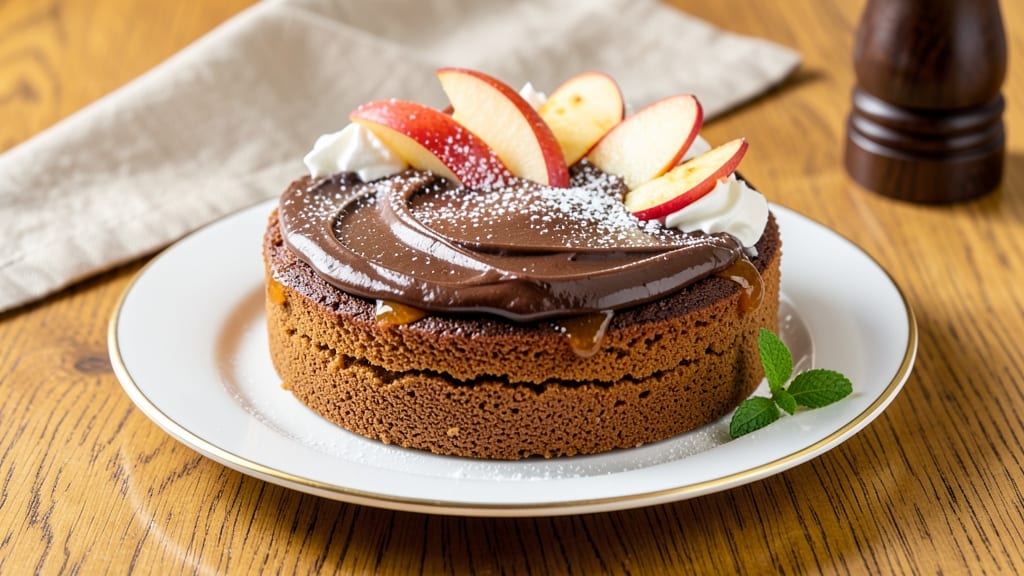
This Austrian tea cake recipe brings Viennese elegance to your kitchen with layers of buttery pastry and rich chocolate swirls. 💛 The delicate balance of crispy, flaky crust and tender, nutty filling makes these perfect for afternoon tea or special occasions. I've perfected the technique to ensure every bite delivers that signature melt-in-your-mouth texture and deep chocolate flavor that defines Austrian pastries.
The secret lies in chilled butter and proper layering—key elements that create those signature buttery layers you'd expect from a Viennese café. This recipe uses a simple dough that comes together quickly, but the magic happens during the baking process where the chocolate swirls develop their signature caramelized edges. The addition of hazelnuts adds that authentic Austrian touch while keeping the texture perfectly tender.
What you'll end up with are golden-brown tea cakes with visible chocolate swirls that peek through the delicate pastry layers. Each bite offers a harmonious blend of buttery crust, creamy chocolate, and nutty crunch. These are elegant enough for a formal tea service but simple enough for a cozy weeknight treat.
Serve warm with a dusting of powdered sugar and a cup of hot tea for the full Austrian experience. The versatility of this recipe allows you to experiment with different fillings while maintaining that classic Viennese aesthetic. Let's create these beautiful tea cakes together!
Ingredients for austrian tea cake
Buttery layers, chocolate swirls, and nutty crunch—just 12 ingredients for Viennese elegance.
| Ingredient | Amount | Notes |
|---|---|---|
| All-Purpose Flour 🌾 | 3 cups | Sifted for light texture |
| Unsalted Butter 🧈 | 1 cup | Cold, cubed for flaky layers |
| Granulated Sugar 🍚 | ½ cup | Plus 1 tbsp for brushing |
| Large Eggs 🥚 | 1 whole | Room temperature for blending |
| Vanilla Extract 🌸 | 1 tsp | Pure vanilla preferred |
| Salt 🧂 | ½ tsp | Fine sea salt preferred |
| Dark Chocolate Chips 🍫 | 1 cup | 70% cocoa or higher |
| Toasted Hazelnuts 🌰 | ½ cup | Finely chopped, skin-on |
| Powdered Sugar 🍚 | ¼ cup | For dusting and filling |
| Heavy Cream 🥛 | ½ cup | Cold for swirls |
| Lemon Zest 🍋 | 1 tsp | Brightens the flavor |
| Almond Extract 🌿 | ½ tsp | For nutty aroma |
The butter is non-negotiable here. European-style butter (like Plugrá or Kerrygold) has higher fat content, which gives those signature flaky layers. If you can only find regular butter, make sure it's 100% fat and cold—cut it into cubes and freeze for 20 minutes before using. The hazelnuts should be toasted until golden and skin-on for that authentic crunch. Trader Joe's sells pre-toasted hazelnuts, but I always toast my own for better flavor. For the chocolate, Callebaut or Ghirardelli chips melt beautifully without seizing.
No vanilla extract? Vanilla bean paste works too—just use half the amount. Short on hazelnuts? Walnuts or pecans add a different buttery crunch. The powdered sugar can be swapped for confectioners' sugar (same thing), but make sure it's sifted—lumps ruin the texture. For a richer chocolate flavor, add 1 oz of chopped dark chocolate to the dough. And if you're feeling fancy, infuse the cream with a splash of rum before making the swirls—trust me, it's worth it.
Keep everything chilled until ready to use—cold butter and dough are key for those perfect layers. The dough can be made a day ahead and stored in the fridge, wrapped tightly in plastic. For the filling, mix the chocolate and cream just before baking so it stays gooey. Once baked, these stay fresh for 3 days at room temperature, wrapped in a cake dome. For longer storage, freeze the whole cake (unfrosted) for up to 2 months. Reheat slices in the oven for 10 seconds to bring back that bakery-fresh warmth.
Why You'll Love This Recipe
- No-Fuss Mixing: I swear by this recipe’s simplicity—just creamed butter, sugar, and eggs, then fold in flour like you’re making pancakes. No food processor, no tricky steps, just a bowl and a whisk.
- Buttery Vanilla Hug: That rich butter and vanilla combo? It’s like a warm embrace in cake form. The sugar caramelizes just enough to give every bite a subtle, sweet crunch—no artificial flavors, just pure comfort.
- Weekday or Celebration: Same dough, endless uses. Bake it for a quick breakfast, slice it for coffee cake, or even freeze portions for lazy mornings. My kids grab them straight from the oven—no fuss, just happy faces.
- Budget-Friendly Staples: Flour, butter, sugar, eggs—these are pantry basics that won’t break the bank. A single batch stretches for days, and leftovers? They disappear faster than I can say “second slice.”
Step-by-step instructions for Austrian tea cakes
Here's how to create those iconic buttery layers with nutty chocolate swirls.
👨🍳 Step 1: Make the Chocolate-Hazelnut Filling
In a medium bowl, combine the 1 cup dark chocolate chips and 0.5 cup heavy cream. Microwave in 30-second bursts until the chocolate melts completely, stirring between each interval. The mixture should be smooth and glossy with a rich chocolate aroma.
Remove from microwave and stir in the 0.5 cup toasted hazelnuts, 0.25 cup powdered sugar, 1 tsp lemon zest, and 0.5 tsp almond extract. Mix until the hazelnuts are evenly distributed and the filling has a thick, spreadable consistency. Let this cool for 10 minutes while you prepare the dough—it needs to be just warm enough to swirl but not melted when incorporated.
👨🍳 Step 2: Create the Buttery Dough Layers
In a large mixing bowl, combine the 3 cups all-purpose flour, 0.5 cup granulated sugar, 0.5 tsp salt, and 1 tsp vanilla extract. Whisk together until evenly distributed. Cut in the 1 cup cold cubed butter using a pastry cutter or your fingers until the mixture resembles coarse crumbs with pea-sized butter pieces.
Add the 1 whole room-temperature egg and mix gently with a fork until the dough just comes together. The dough should be soft but not sticky—if it feels too dry, add 1 teaspoon cold water at a time until it holds together when pressed. Divide the dough into two equal portions and flatten each into a 6-inch round on parchment paper.
🥘 Step 3: Assemble the Tea Cakes
Preheat your oven to 350°F with a baking sheet ready. Place one dough round on the baking sheet and roll it out to about ⅛-inch thickness. Spread the cooled chocolate-hazelnut filling evenly over the dough, leaving a ½-inch border around the edges. Don't worry if it looks messy—this is where the magic happens.
Roll up the dough tightly from one side, pinching the seam to seal. Using a sharp knife, cut the log into 12 equal pieces and arrange them cut-side down on the baking sheet, spacing them about 1 inch apart. Brush the tops with a mixture of 1 tablespoon melted butter and 1 tablespoon granulated sugar for that classic Austrian glaze.
🔥 Step 4: Bake to Golden Perfection
Bake for 18-20 minutes until the tea cakes are golden brown on top and the edges are set. The filling should be warm but not melted through the dough. If the tops brown too quickly, tent with foil for the last 5 minutes of baking.
Remove from oven and let cool on the baking sheet for 10 minutes before transferring to a wire rack. The centers should be warm and gooey when you cut into one—this is what makes these tea cakes so irresistible. Dust with additional powdered sugar before serving for that classic Austrian touch.
Pro Tips For Making Austrian Tea Cake
- CREAM THE BUTTER SLOWLY: After burning batches of butter-sugar mixtures, I learned to mix these two at low speed in a stand mixer—no more than 2 minutes or the butter will turn into soup. If you’re doing it by hand, use a wooden spoon and fold gently, or you’ll end up with a greasy mess instead of fluffy dough.
- WEIGH YOUR FLOUR: Austrian tea cakes rely on precise ratios, and scooping flour from the bag is a disaster waiting to happen. Use a kitchen scale—1 cup of flour can vary by 20 grams depending on how you pack it. Pack it lightly, then level it off with a knife. Trust me, your cake’s texture will thank you.
- DON’T OVERMIX THE DOUGH: Once you add the flour, stop mixing the second everything comes together. Overworking the dough makes tea cakes dense and tough—like eating a brick dipped in vanilla. The moment the dough clumps and pulls away from the bowl, call it done.
- LET THE DOUGH REST: I used to skip this step because I was eager to bake, but resting the dough for 30 minutes in the fridge makes all the difference. It relaxes the gluten, so the cakes rise evenly and stay tender. Cover it loosely with plastic wrap—no need to seal it like a Tupperware bomb.
Flavor customization for these flavors
Classic Chocolate Swirl
This is the signature version from Viennese cafés, where the rich chocolate-hazelnut filling creates those signature swirls that peek through the buttery layers. For the best results, use 70% dark chocolate chips like Ghirardelli or Valrhona—they melt smoothly without graininess. Toast your hazelnuts until golden brown and chop them coarsely for that perfect crunch. The lemon zest brightens the chocolate flavor beautifully, while almond extract adds depth. 💛
Nutty Vanilla Twist
Swap the chocolate for a vanilla-hazelnut filling by replacing the chocolate chips with ½ cup softened butter and ½ cup powdered sugar. Mix in 1 tbsp vanilla bean paste (or 2 tsp vanilla extract) and the toasted hazelnuts. This version keeps the buttery layers but offers a lighter, sweeter profile that pairs perfectly with Earl Grey tea. The vanilla extract should be pure—McCormick Pure Vanilla works well.
Spiced Orange Glaze
For a festive twist, add 1 tsp orange zest and ½ tsp cinnamon to the chocolate filling. Brush the baked tea cakes with a glaze made from ½ cup powdered sugar, 2 tbsp heavy cream, and 1 tsp orange juice. This adds a warm, citrusy aroma and a glossy finish that’s perfect for holiday gatherings. The cinnamon enhances the nutty flavor while keeping the chocolate’s richness intact.
Fruit-Infused Variations
For a lighter option, replace half the chocolate with ½ cup apricot jam or raspberry purée. The fruit adds natural sweetness and a vibrant color contrast. Alternatively, fold in ¼ cup dried cherries or chopped dried apricots for a chewy texture. These variations work best with a slightly reduced sugar content in the dough—cut the granulated sugar to ⅓ cup to balance the fruit’s sweetness.
Boozy Chocolate Swirl
Infuse the chocolate filling with 1 tbsp Grand Marnier or 1 oz dark rum for an adult-friendly twist. The alcohol adds depth and a subtle warmth that complements the hazelnuts. For a non-alcoholic version, use 1 tsp orange extract instead. This variation is especially popular in Austrian Christmas markets, where spiced rum is often served alongside tea cakes. Always let the boozy filling cool before assembling the dough to prevent melting.
Salted Caramel Option
Create a decadent filling by melting ½ cup dark chocolate with ½ cup heavy cream and adding ¼ cup caramel sauce (store-bought or homemade). Sprinkle in ½ tsp flaky sea salt and ¼ cup chopped salted almonds for a salty-sweet contrast. This version is richer and pairs beautifully with a bold black tea like Assam. The salt enhances the caramel’s sweetness while balancing the chocolate’s bitterness.
Nutrition facts
Frequently asked questions
What makes these Austrian tea cakes different from other buttery pastries?
The key lies in the chilled butter technique and the signature chocolate-hazelnut swirls. Austrian tea cakes use European-style butter (higher fat content) for ultra-flaky layers, while the warm filling creates those iconic caramelized edges. The hazelnuts add a nutty crunch that's distinctly Austrian, unlike fruit-based pastries.
Can I make these tea cakes ahead of time?
Yes! The dough can be prepared 1 day ahead and stored in the fridge. For best results, assemble and bake the tea cakes 2-3 hours before serving—this allows the filling to set slightly while keeping the layers tender. Store leftovers in an airtight container for up to 3 days at room temperature.
Why did my tea cakes turn out dense instead of flaky?
This usually happens when the butter melts during mixing or the dough gets too warm. Always use cold cubed butter and keep everything chilled. If your kitchen is warm, chill the dough for 30 minutes before rolling. Also ensure you're not overworking the dough—just mix until it comes together.
What's the best tea pairing for these tea cakes?
Traditional Austrian pairings include Earl Grey (bergamot complements the chocolate) or black tea with lemon. For a lighter version, try jasmine tea. Avoid overly sweet teas—they can overpower the delicate flavors. Serve at 185°F for the perfect balance of warmth and aroma.
Can I substitute hazelnuts with other nuts?
Yes! Try walnuts (toasted and chopped) for a richer flavor or pecans for a buttery texture. For a lighter option, use almonds. Toast all nuts until golden brown to enhance their natural oils. Just remember, hazelnuts give that classic Austrian crunch—other nuts will change the flavor profile slightly.