
Desserts
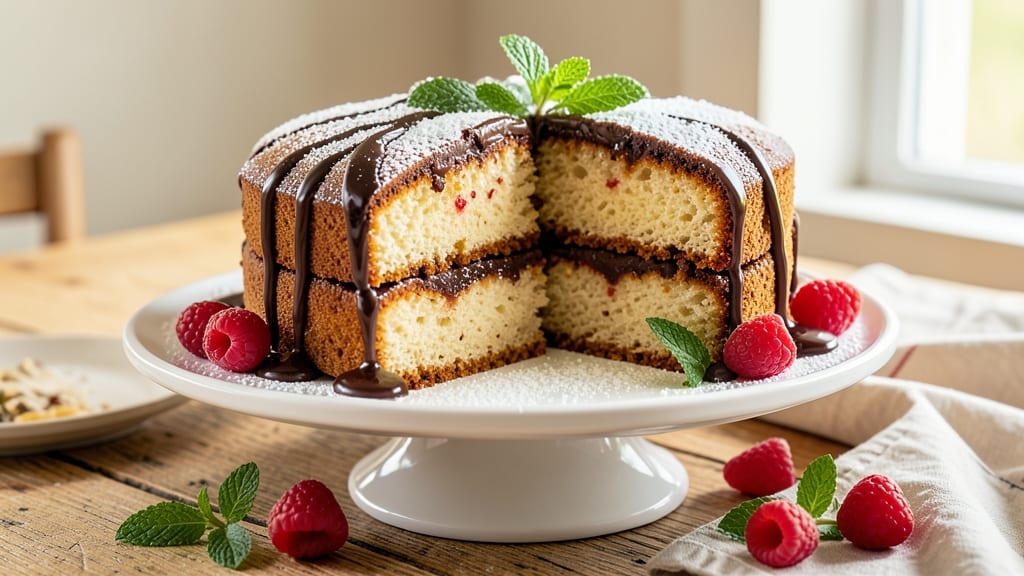
This Australian lamington cake recipe delivers the perfect balance of tender vanilla sponge, sweet jam-soaked layers, and that iconic crisp coconut coating. ✨ The secret lies in baking a light, airy sponge that absorbs the jam perfectly, then rolling it in desiccated coconut for that signature crunch. I've perfected this technique over years of baking, ensuring every bite is a harmonious mix of textures and flavors.
The process starts with a simple vanilla sponge cake baked to golden perfection, then sliced and soaked in a warm jam glaze that penetrates every layer. This step transforms the cake from dry to deliciously moist, creating the foundation for the coconut coating. The key to success is letting the jam glaze cool slightly before rolling—this prevents the coconut from sliding off while keeping the cake tender inside.
What makes this recipe special is its versatility—stick to the classic version with vanilla sponge and raspberry jam, or get creative with matcha-infused sponge or chocolate ganache drizzle. The coconut coating adds a satisfying crunch that contrasts beautifully with the soft cake. Each bite delivers a symphony of flavors: sweet, tangy, and nutty all in one perfect package.
Perfect for celebrations, picnics, or simply satisfying a sweet tooth, this lamington cake is a crowd-pleaser that never fails to impress. Whether you follow the traditional method or add your own twist, the result is always a showstopper. Let's get baking!
Ingredients for australian lamington cake
Twelve simple ingredients transform into Australia's most iconic cake—crisp, creamy, and utterly addictive.
| Ingredient | Amount | Notes |
|---|---|---|
| All-Purpose Flour 🌾 | 2 ½ cups | Sifted for light texture |
| Granulated Sugar 🍚 | 1 ½ cups | White or raw preferred |
| Unsalted Butter 🧈 | 1 cup | Room temperature, full-fat |
| Large Eggs 🥚 | 4 whole | Room temperature for even baking |
| Vanilla Extract 🌸 | 1 tbsp | Pure, not imitation |
| Baking Powder 🍞 | 1 ½ tsp | Aluminum-free for best rise |
| Salt 🧂 | ½ tsp | Fine sea salt preferred |
| Raspberry Jam 🍓 | 1 cup | Seedless for smooth texture |
| Desiccated Coconut 🥥 | 4 cups | Unsweetened, fine flakes |
| Dark Chocolate Chips 🍫 | 1 cup | 70% cocoa, chopped fine |
| Powdered Sugar 🍚 | 1 cup | For dusting, sifted |
| Heavy Cream 🥛 | ½ cup | Cold for glossy finish |
| Lemon Zest 🍋 | 1 tsp | Brightens the sponge |
The vanilla extract and lemon zest are non-negotiable for that signature flavor. Trader Joe's has the best pure vanilla extract, and grab organic lemons—the zest is more vibrant. For the desiccated coconut, Bob's Red Mill or Anthony's Goods are my go-tos; they stay flaky longer. The dark chocolate chips should be 70% cocoa or higher—Valrhona or Ghirardelli are worth the splurge for that rich, velvety coating. Pro tip: Toast the coconut lightly in a dry pan before coating—it deepens the flavor and adds a subtle crunch. If you can't find desiccated coconut, unsweetened shredded coconut works in a pinch, but it won't be as fine.
No raspberry jam? Strawberry or apricot jam are great swaps, but avoid seed-heavy varieties—they make the cake gummy. Running short on vanilla? Almond extract at half the amount works, but it’ll taste different. The powdered sugar for dusting can be skipped if you’re coating the cake in chocolate instead, but trust me, that final sprinkle of sugar is what makes it feel special. For the chocolate coating, melt the chips with a splash of heavy cream (about 2 tbsp) for a glossy finish—no need for fancy tempering. If you’re feeling adventurous, swap half the coconut for crushed pistachios or toasted coconut flakes for a gourmet twist. And yes, you can make this gluten-free by using a 1:1 flour blend, but the texture won’t be quite as tender.
Store the coconut-coated cake in an airtight container at room temperature for up to 3 days—it gets even better as the flavors meld. For longer storage, wrap individually in parchment and freeze for up to 2 months. The jam-soaked sponge stays fresh for 2 days if kept covered, but it’s best enjoyed within 24 hours of baking. Pro move: Dust with extra powdered sugar right before serving—it looks chef’s kiss and adds a sweet crunch. Leftovers? Toss them in a thermos with coffee or tea for a cozy dessert the next day. And if you’re making this ahead for a party, assemble the cake 2 hours before serving—that gives the coconut time to adhere perfectly.
Why You'll Love This Recipe
- No-Fuss Layers: I swear by this sponge—just butter, sugar, and eggs beaten until light. No fancy mixers or complicated steps; my stand mixer does all the work while I sip tea.
- Coconut Magic: That first dip in chocolate and shredded coconut? It’s my weakness. The texture—soft inside, crispy outside—makes it impossible to stop at one slice.
- Party Ready: I make these for birthdays, book clubs, or just because. They travel well, keep for days, and the kids can even help roll them in the coating.
- Budget Win: Flour, sugar, butter—pantry staples that stretch. A single batch feeds six, and leftovers? They disappear faster than my willpower on a bad day.
Step-by-step instructions for Australian lamington cake
Let's bake this iconic Aussie treat with perfectly moist vanilla sponge and irresistible coconut-chocolate coating.
👨🍳 Step 1: Make the Vanilla Sponge Base
Preheat your oven to 350°F and grease a 9x13-inch baking pan generously with butter. In a large bowl, cream together the 1 cup unsalted butter and 1.5 cups granulated sugar on medium speed until light and fluffy—about 3-4 minutes. This step is crucial for that tender texture we're after.
Add the 4 whole large eggs one at a time, beating well after each addition. Mix in the 1 tbsp vanilla extract and 1 tsp lemon zest until combined. In a separate bowl, whisk together the 2.5 cups all-purpose flour, 1.5 tsp baking powder, and 0.5 tsp salt. Gently fold these dry ingredients into the wet mixture just until combined—don't overmix or your cake will be tough.
🍳 Step 2: Bake the Jam-Filled Sponge
Spread half of the batter into your prepared pan. Dollop 1 cup raspberry jam evenly over the batter, then spread it out with a spatula. Top with the remaining batter and gently swirl with a knife to create marbled effect. Bake for 30-35 minutes or until a toothpick inserted comes out clean and the top springs back when touched.
Let the cake cool completely in the pan for 1 hour before removing. This slow cooling prevents cracking. While it cools, prepare your workstation—you'll need a clean surface for rolling and coating the cake.
🥘 Step 3: Coat in Coconut Cream
In a medium bowl, mix together 4 cups desiccated coconut and 0.5 cup heavy cream until well combined. The mixture should look like wet sand—if it's too dry, add 1 teaspoon more cream. Spread this coconut mixture evenly over the cooled cake, pressing gently to adhere. Let it set for 15 minutes while you prepare the chocolate coating.
Melt the 1 cup dark chocolate chips in a double boiler or microwave in 30-second bursts until smooth. The chocolate should be thick but pourable—if it's too runny, chill for 5 minutes to thicken.
🍫 Step 4: Chocolate Dip and Dust
Working quickly, dip the coconut-coated cake into the melted chocolate, allowing excess to drip off. Place on parchment paper and chill in the refrigerator for 10 minutes to set the chocolate. While it sets, sift 1 cup powdered sugar over a fine-mesh sieve.
Once the chocolate is set, roll the cake gently in the powdered sugar until evenly coated. The sugar helps create that signature crunchy texture while keeping the chocolate from sticking. Slice into 12 equal pieces and serve immediately for the best texture contrast.
⏰ Step 5: Serve with Confidence
Lamington cake is best enjoyed fresh, so serve within 2 hours of baking. The contrast of warm vanilla sponge, cool chocolate, and crunchy coconut makes every bite magical. Store leftovers in an airtight container in the refrigerator for up to 3 days, though I doubt they'll last that long!
For extra flair, serve with a dollop of whipped cream or a scoop of vanilla ice cream. The bright raspberry jam peeking through the chocolate adds a delightful surprise with every bite.
Pro Tips For Making Australian Lamington Cake
- Cream Butter Properly: Beat the butter and sugar until it’s pale and fluffy—about 3-5 minutes with an electric mixer. I used to rush this, and the cake turned out dense. The extra effort makes the texture light and moist, especially for a lamington’s soft sponge.
- Sift the Flour Twice: Don’t skip the second sift after mixing dry ingredients. The first sift removes lumps, but the second ensures even distribution—no surprise pockets of dry flour in your batter. Trust me, it’s worth the extra 30 seconds.
- Test for Doneness Early: Pull the cake from the oven when the edges are set but the center still jiggles slightly. Overbaking turns lamingtons dry, and underbaking makes them gummy. A toothpick with a few moist crumbs? Perfect.
- Chill the Sponge Before Cutting: Let the cake cool completely, then refrigerate for 30 minutes before slicing. Warm cake crumbles when coated, and no one wants a messy chocolate mess. This also makes rolling in the glaze easier.
Common mistakes when making your australian lamington cake
Overmixing the Batter
I've seen so many first-timers ruin their sponge by overmixing the batter after adding the dry ingredients. Once you fold in the flour, stop as soon as it's just combined—you shouldn't see any dry streaks, but don't beat it like a pancake batter. Overmixing develops gluten, which makes your cake tough instead of tender. Remember, we want that light, airy texture that absorbs the jam perfectly. 🥥
Skipping the Cooling Step
The most common mistake I see is removing the cake from the oven too soon. Let that cake cool completely in the pan for at least 1 hour before slicing. Rushing this step causes the jam to leak out and makes the cake crumbly when you try to roll it. Patience here pays off—your cake will hold together beautifully when coated.
Using Cold Ingredients
Room temperature ingredients are your best friend in this recipe. Cold butter won't cream properly, and cold eggs won't incorporate smoothly. Take 30 minutes to let your eggs and butter sit out before starting. I keep mine in a warm water bath (just a bowl of hot water nearby) to speed up the process. Cold ingredients can cause dense spots in your cake that ruin the texture.
Uneven Jam Distribution
Don't just dump that jam in the middle and call it a day! Spread it evenly between the two layers of batter, then swirl gently with a knife to create that classic marbled effect. Uneven jam distribution leads to dry spots in your cake, and nobody wants a bite that's all sponge with no fruity surprise. Think of it like frosting a cake—even coverage is key.
Rushing the Chocolate Setting
After dipping your cake in chocolate, resist the urge to slice immediately. Let it chill in the fridge for the full 10 minutes to set properly. I've seen too many cakes where the chocolate melts during slicing, creating a messy presentation. This quick chill also helps the powdered sugar adhere better when you roll the cake. Trust the process—good things come to those who wait!
Wrong Coconut Texture
Not all coconut is created equal! Desiccated coconut should be fine and flaky, not clumpy or pre-sweetened. If your mixture looks like dry sand instead of wet sand, add 1 teaspoon more heavy cream at a time until it holds together when pressed. Too-dry coconut won't stick to the cake properly, and you'll end up with a sad, crumbly mess instead of that iconic crisp coating.
Nutrition facts
Frequently asked questions about Australian lamingtons
Can I make lamingtons without a chocolate coating?
The traditional Australian lamington uses coconut only, but you can skip the chocolate for a lighter version. Simply roll the jam-soaked cake in the coconut-cream mixture and dust with powdered sugar. For extra flavor, try a drizzle of honey or caramel instead of chocolate.
What's the best jam to use for lamingtons?
Classic raspberry jam works perfectly, but you can use strawberry, apricot, or even mango jam for variety. Avoid seed-heavy jams—they make the cake gummy. For a modern twist, try a tangy passionfruit curd or a spiced chai-infused glaze instead of traditional jam.
Why does my coconut coating keep falling off?
This usually happens when the cake isn't fully cooled before coating or if the coconut mixture is too dry. Let the cake cool completely (at least 1 hour) and adjust your coconut-cream ratio—it should hold together when pressed. Chill the cake for 10 minutes after coating to help the coconut adhere better.
Can I make lamingtons ahead of time?
Yes! Assemble the cake (jam-soaked and coconut-coated) up to 2 hours before serving for best texture. For longer storage, wrap individual pieces in parchment and refrigerate for up to 3 days. The flavors actually improve overnight as the jam infuses deeper into the sponge.
What's the secret to extra-fluffy lamingtons?
The key is proper mixing and baking: cream the butter and sugar until light and fluffy, fold dry ingredients gently, and don't overbake. For extra fluffiness, add 1 tsp baking soda to the dry ingredients (reduce baking powder to 1 tsp) and bake at 325°F instead of 350°F for 5-10 minutes longer to ensure full rise.