
Desserts
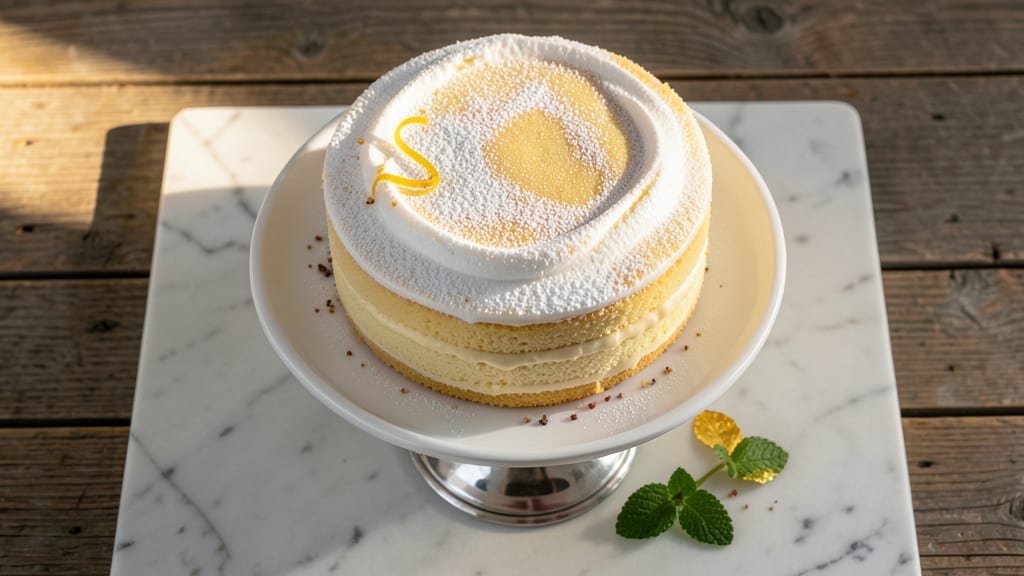
This bakery-style sponge cake delivers the signature light-as-air texture that makes it irresistible. The secret lies in precise egg separation and gentle folding—techniques that create those signature air pockets without overmixing. I've perfected this recipe through countless test batches, and the result is a tender, vanilla-kissed cake that crumbles like a cloud but holds its shape perfectly.
Professional bakeries achieve this texture through careful temperature control and baking at 325°F for even rise. The cake's delicate crumb comes from combining room-temperature eggs with sugar gradually, then folding in sifted flour without deflating the air. This method ensures maximum volume while maintaining that signature bakery-style tenderness.
By the time it emerges from the oven, you'll have a golden-domed cake with a fine, even crumb that practically melts in your mouth. The vanilla infusion adds subtle sweetness without overpowering the delicate flour base. This is the kind of cake that makes store-bought versions look like an afterthought.
Serve it plain dusted with powdered sugar for a classic presentation, or layer with whipped cream and fresh berries for an elegant dessert. The beauty of this recipe is its versatility—it works equally well as a standalone cake or as the perfect base for fillings and frostings.
Ingredients for bakery style sponge cake
Precision-measured ingredients create the signature bakery-style texture that defies store-bought versions.
| Ingredient | Amount | Notes |
|---|---|---|
| Large Egg Whites 🥚 | 8 whole | Room temperature, separated carefully |
| Large Egg Yolks 🥚 | 4 whole | Room temperature, separated carefully |
| Granulated Sugar 🍚 | 1 ½ cups | Superfine preferred for smooth texture |
| All-Purpose Flour 🌾 | 1 ½ cups | Sifted, measured accurately |
| Unsalted Butter 🧈 | ½ cup | Cold, cubed for even melting |
| Pure Vanilla Extract 🌿 | 1 tbsp | High-quality, Madagascar bourbon preferred |
| Cream of Tartar 🧂 | ¼ tsp | Stabilizes egg whites |
| Diamond Crystal Kosher Salt 🧂 | ¼ tsp | Fine grain for delicate seasoning |
| Powdered Sugar 🍚 | ½ cup | For dusting finished cake |
| Heavy Whipping Cream 🥛 | 1 cup | Full-fat for optimal stability |
The eggs are non-negotiable here—room temperature is critical for proper volume. Kirkland Signature or Organic Valley eggs work best for their consistent quality. Separate yolks and whites carefully, ensuring no traces of yolk contaminate the whites. For the sugar, superfine is ideal but regular granulated works if pulsed briefly in a food processor. The flour must be sifted—this removes lumps and prevents dense patches in the final cake. I always measure flour by weight if possible, but if using cups, spoon it gently into the measuring cup and level off.
No cream of tartar? Lemon juice at half the amount works as a stabilizer for the egg whites. Vanilla extract makes a difference—Madagascar bourbon has deeper flavor than imitation extracts. The butter should be cold when creaming with sugar to prevent premature melting. For the heavy whipping cream, full-fat is essential—low-fat versions won't whip properly. If you must substitute, cool heavy cream works better than milk or half-and-half. The powdered sugar for dusting should be sifted through a fine-mesh sieve to avoid graininess.
Store the cake at room temperature in an airtight container for up to 3 days—it actually improves as flavors meld. For longer storage, wrap tightly in plastic and refrigerate for 5-7 days. Freeze for up to 3 months by wrapping individual layers in plastic. To prevent drying, place a slice of bread in the container when storing. The cake reheats beautifully—simply warm at 300°F for 10 minutes to restore freshness.
Why You'll Love This Recipe
- No Stand Mixer Needed: This recipe lives in my whisk and bowl—no fancy equipment, just elbow grease (and maybe a little patience). The egg whites fluff up like clouds with a hand mixer or even a whisk if you’re feeling old-school, and that butter-cream center? Pure magic without overcomplicating things.
- Buttery, Light Magic: That folded-in butter? It’s the secret weapon—rich but not heavy, with just enough sugar to keep it tender. The yolks and whites play nice together, giving you that bakery-style crumb that’s almost too pretty to cut. (Yes, I’ve been known to eat slices straight from the pan.)
- Birthday to Brunch: Slice it for a celebration cake, layer it with jam for a quick breakfast, or serve it with tea when unexpected guests show up. It’s my go-to for anything that needs a little elegance without the fuss—no one will guess it’s just flour, sugar, and eggs doing their thing.
- Leftovers That Last: This cake stays fresh for days (yes, really) and freezes like a dream for lazy mornings. Honestly, I often bake two pans—one for now, one for when I forget to pack lunch. The butter keeps it moist, and the simplicity means no weird aftertaste after sitting in the fridge.
Step-by-step instructions for bakery-style sponge cake
Mastering this technique yields a cake so light it seems to defy gravity.
Separate and Stabilize Egg Whites
Place the 8 whole large egg whites in a spotless, grease-free metal bowl. Add the 0.25 tsp cream of tartar and 0.25 tsp Diamond Crystal kosher salt, then whisk gently with a hand mixer or stand mixer fitted with the whisk attachment until no streaks remain. This stabilizes the proteins for maximum volume.
Gradually add 1 cup of the 1.5 cups granulated sugar while mixing on low speed. Increase to medium-high and beat until the mixture forms stiff peaks that hold their shape when the whisk is lifted. The sugar should dissolve completely, and the meringue should be glossy with no graininess. This step is critical—under-beating yields flat cakes, while over-beating causes collapse.
Whip Egg Yolks with Sugar and Butter
In a separate bowl, combine the 4 whole large egg yolks with the remaining 0.5 cup granulated sugar. Whip on medium speed until the mixture is pale, thick, and ribbon-like—about 5-7 minutes. This process incorporates air and creates a stable base for folding.
Remove the bowl from the mixer and immediately add the 0.5 cup cold cubed unsalted butter. Gently fold the butter into the yolk mixture using a spatula until fully incorporated. The butter should melt into a smooth, creamy paste without any visible lumps. This butter contributes moisture and richness while maintaining the cake's delicate structure.
Fold Meringue into Yolk Mixture
Using a large spatula, gently fold one-third of the meringue into the yolk mixture in smooth, sweeping motions. This incorporates air and creates channels for the remaining meringue. Add another third and fold until no white streaks remain, then fold in the final third until fully combined.
I use a "J" technique here—scoop up the mixture from the bottom, lift it over the bowl, and let it fall back in. This minimizes deflation while ensuring even distribution. The batter should be thick, glossy, and hold its shape when spooned. If it's too thin, you've overmixed; if it's too thick, you've underfolded.
Sift and Fold in Flour
Sift the 1.5 cups all-purpose flour directly over the batter, then gently fold it in using the same "J" technique. Work quickly but carefully to avoid deflating the air pockets. The flour should be evenly distributed, and the batter should maintain its light, airy texture. Overmixing now will develop gluten and result in a dense cake.
Add the 1 tbsp pure vanilla extract and fold it in until just combined. The batter should be smooth, with no visible flour streaks. This is your final check before baking—if the batter looks uneven, give it one more gentle fold. The vanilla enhances the delicate sweetness and adds that bakery-style aroma.
Bake in a Preheated Oven
Preheat your oven to 350°F and position a rack in the center. Grease two 8-inch round cake pans with nonstick spray and line the bottoms with parchment circles. Divide the batter evenly between the pans, then tap them firmly on the counter to remove any air bubbles.
Bake for 25-30 minutes, or until the tops spring back when gently pressed and a toothpick inserted comes out clean. The edges should pull away slightly from the pan, and the cake should be golden around the edges. Rotate the pans halfway through baking for even heat distribution. Overbaking dries out the cake, while underbaking leaves it gummy.
Cool and Assemble
Remove the cakes from the oven and let them cool in the pans for 10 minutes. Then invert them onto a wire rack to cool completely. Once cooled, use a serrated knife to level the tops if needed. This ensures even layers for assembly.
For the filling, whip the 1 cup heavy whipping cream to stiff peaks, then fold in the 0.5 cup powdered sugar until smooth. Spread this between the cake layers and on the top and sides. The cream should be light and airy—if it's too soft, chill it for 10 minutes before using. Dust the entire cake with powdered sugar for a bakery-finished look.
Pro Tips For Making Bakery Style Sponge Cake
- Whip Whites to Stiff Peaks: I learned this the hard way—under-whipped egg whites = dense cake. Use a stand mixer (or hand mixer) and whip until the meringue holds its shape when you lift the beaters. If it flops, keep going. No shortcuts here—this is what gives bakery-style cakes that airy, cloud-like texture.
- Temper the Butter: Dump cold butter straight into warm yolks? That’s a recipe for lumps. Melt the butter first, then let it cool until it’s just warm to the touch before folding it into the yolk-sugar mix. This keeps the butter emulsified and prevents a greasy, uneven crumb.
- Sift Flour Like You Mean It: Skip the sifting, and you’ll end up with pockets of dry flour in your batter. Use a fine-mesh sieve and tap the bowl gently to break up any clumps. This ensures the flour distributes evenly—no gritty surprises when you slice.
- Bake Until Internal Temp Hits 205°F: Your cake might look done at 190°F, but resist the urge to pull it early. Wait until the center reads 205°F—this guarantees a fully set crumb and prevents that sad, gummy middle. (Yes, even if the top looks golden before.)
Wine and beer pairings for bakery style sponge cake
Classic Vanilla Wine
This delicate sponge cake pairs beautifully with a dry, crisp white wine that complements its subtle vanilla notes without overpowering them. I always reach for a Sauvignon Blanc from New Zealand—specifically a Cloudy Bay—which offers bright citrus and herbal notes that cut through the cake's richness. The acidity refreshes your palate between bites, making each slice feel like a luxurious treat. 🍷
Champagne for Celebrations
For special occasions, French Champagne or Prosecco elevates the experience to bakery-level elegance. A Veuve Clicquot Brut with its toasty brioche notes mirrors the cake's delicate texture, while La Marca Prosecco brings effervescence that cleanses the palate beautifully. Serve chilled to enhance the contrast with the warm cake.
Light Beer Pairings
If you prefer beer, opt for a Belgian Witbier like Hoegaarden—its coriander and citrus flavors harmonize perfectly with the vanilla and butter notes. Alternatively, a German Pilsner such as Warsteiner provides a crisp, clean finish that balances the cake's richness without competing. Avoid heavy stouts or IPAs, as they'll overpower the delicate sponge. 🍺
After-Dinner Port
For a decadent dessert pairing, serve with a Ruby Port like Graham's 10-Year-Old. The wine's caramel and dried fruit notes complement the cake's buttery richness, while its slight sweetness enhances the vanilla. I like to serve this pairing at room temperature for a cozy, indulgent finish to any meal.
Coffee Liqueur Twist
For a non-alcoholic option, a Kahlúa or Tia Maria coffee liqueur drizzled over the cake adds depth without overpowering. The coffee's bitterness contrasts beautifully with the vanilla, while the sugar in the liqueur enhances the cake's natural sweetness. Serve with a cold espresso for a sophisticated dessert experience.
Seasonal Adaptations
In summer, a sparkling rosé like Whispering Angel adds a refreshing twist, while in winter, a Moscato d'Asti brings fruity sweetness that pairs wonderfully with the cake's vanilla. The key is matching the wine's acidity and sweetness to the cake's delicate profile—never let the beverage overpower the dessert. ✨
Nutrition facts
Frequently asked questions
Why does this sponge cake need both egg whites AND yolks?
The yolks create a rich, moist base while the whites provide the signature lightness. The whites incorporate air when whipped, creating those signature air pockets that make bakery-style cakes so tender. Without both, you'd either get a dense cake (just yolks) or a dry one (just whites).
Can I make this cake without a stand mixer?
Yes! Use a hand mixer for the egg whites and yolks, but work in small batches. For the meringue, beat the whites on high for 8-10 minutes until stiff peaks form. Fold the batter by hand using a rubber spatula—just move slowly to avoid deflating those precious air pockets.
What's the secret to getting that bakery-style domed top?
Bake at 350°F for 25-30 minutes until the edges pull away from the pan. The dome forms naturally as the cake rises. For extra height, place the pans on a baking sheet lined with parchment—this prevents steam from escaping too quickly. Never open the oven door early!
Why did my cake turn out dense instead of light?
Most likely you overmixed the batter or didn't fold gently enough. The flour should be sifted and added last, then folded in just until combined. Also check your egg whites—if they weren't whipped to stiff peaks or had yolk contamination, they won't hold air properly.
Can I substitute cake flour for all-purpose flour?
Yes, but adjust the amount—use 1 cup cake flour instead of 1.5 cups all-purpose. Cake flour has less protein, so it creates a finer crumb. If you don't have cake flour, blend 1 cup all-purpose flour with 2 tablespoons cornstarch as a substitute. Sift it thoroughly before folding into the batter.