
Desserts
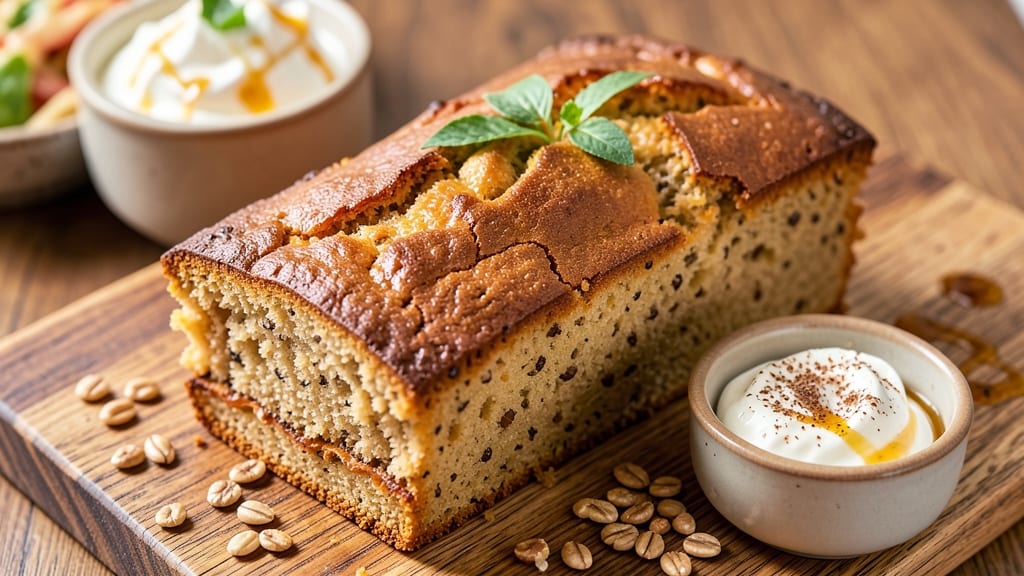
This atta cake recipe with egg delivers flaky layers and aromatic warmth that taste like home. 💛 Born from traditional Indian baking techniques, this whole wheat cake combines the rustic charm of atta (whole wheat flour) with the richness of eggs for a texture that's light yet sturdy—perfect for breakfast or festive occasions.
The secret to achieving those signature flaky layers lies in the cold butter method and proper dough handling. Unlike traditional cakes, atta cakes rely on the natural gluten in whole wheat for structure, while eggs bind the dough for a tender yet sturdy crumb. This recipe balances simplicity with authenticity, making it accessible for beginners while delivering restaurant-quality results.
What you'll end up with is a cake that's golden brown on the outside, with delicate layers that crumble just enough to release pockets of spiced warmth. The aroma of cardamom and cinnamon fills the kitchen as it bakes, creating an experience as comforting as it is delicious. Whether served with tea or as a sweet treat, this cake brings a touch of tradition to every bite.
Ready in about 45 minutes, this recipe scales beautifully for gatherings or keeps well for days. The versatility of atta flour means you can adapt it to both sweet and savory variations—ideal for those who love exploring global baking techniques. Let's get started on creating this timeless dessert.
Ingredients for atta cake recipe with egg
Whole wheat flour and eggs create delicate layers with aromatic cardamom and cinnamon.
| Ingredient | Amount | Notes |
|---|---|---|
| Atta (Whole Wheat Flour) 🌾 | 3 cups | Freshly milled for optimal texture |
| Large Eggs 🥚 | 2 whole | Room temperature for even mixing |
| Unsalted Butter 🧈 | 1 cup | Cold, cubed for flaky layers |
| Granulated Sugar 🍚 | 1 ½ cups | White or brown preferred |
| Greek Yogurt 🥛 | ½ cup | Full-fat for moisture retention |
| Ground Cardamom 🌿 | 1 tsp | Freshly ground for aromatic depth |
| Ground Cinnamon 🌶️ | ½ tsp | Warm, earthy flavor profile |
| Baking Soda 🧂 | ½ tsp | Pure, aluminum-free preferred |
| Salt 🧂 | ¼ tsp | Fine sea salt for balance |
| Vanilla Extract 🍯 | 1 tsp | Pure, alcohol-free preferred |
| Milk 🥛 | ½ cup | Whole milk for richness |
| Powdered Sugar 🍚 | ¼ cup | For dusting finished cake |
The atta flour is the heart of this recipe—opt for freshly milled flour from Indian specialty stores or health food sections at Whole Foods for the best texture. The cold butter method is non-negotiable here; European-style butter with 82% fat content yields superior flakiness. Cardamom should be freshly ground (or lightly toasted whole seeds) for that signature aromatic punch. For the yogurt, full-fat Greek yogurt provides the right balance of moisture and structure without making the cake dense.
No cardamom? Double the cinnamon and add 0.25 tsp nutmeg for warmth. Running short on butter? Coconut oil at the same quantity works in a pinch, though texture may differ slightly. The vanilla extract can be swapped for 1 tsp vanilla bean paste if you're feeling indulgent. For the milk, any dairy milk works, but for a richer version, consider heavy cream at half the quantity. The baking soda must be fresh—if it's more than six months old, replace with 0.75 tsp baking powder for reliable rise.
Store the cake in an airtight container at room temperature for up to 3 days—the layers firm up beautifully overnight. For longer storage, wrap tightly in plastic and refrigerate for up to 1 week or freeze for 2 months. To reheat, warm slices in a 200°F oven for 5-8 minutes to restore that fresh-from-the-oven texture. The powdered sugar dusting should be done just before serving to maintain crispness.
Why You'll Love This Recipe
- No-Fuss Mixing: I swear by this recipe because it’s basically no work—just fold the yogurt into the atta, crack in the eggs, and let the butter and sugar do their magic. No sifting, no kneading, no stress.
- Buttery Sweet Magic: That egg-yolk richness paired with warm whole wheat? It’s like a hug in cake form. The butter melts into the crumb just enough to make every bite feel indulgent—no one will guess it’s secretly healthy.
- Weeknight Hero: I make these when I’m exhausted but still want something special. They’re ready in under 40 minutes, and I can even prep the batter the night before. Perfect for when you’re too tired to bake but still crave something homemade.
- Budget Baking: Attta and eggs are pantry staples, and this recipe stretches further than most cakes. I’ve fed a crowd with one batch, and the leftovers? They’re even better the next day—if they last that long.
Step-by-step instructions for atta cake with egg
Master the art of flaky layers with this precise method for tender, aromatic atta cake.
👨🍳 Step 1: Prepare the Butter and Dry Ingredients
Cut the 1 cup unsalted butter into ½-inch cubes and place them in the freezer for 10 minutes to firm up slightly. In a medium bowl, whisk together the 3 cups atta (whole wheat flour), 0.5 tsp baking soda, 0.25 tsp salt, 1 tsp ground cardamom, and 0.5 tsp ground cinnamon. Sift this mixture through a fine-mesh sieve directly into a large mixing bowl to aerate the flour and prevent lumps.
I press down gently on the flour mixture with my fingers to break up any remaining clumps—this ensures a smooth batter. The spices should be evenly distributed, creating a fragrant base for the cake. Set this mixture aside while you prepare the wet ingredients.
🍳 Step 2: Cream Butter and Sugar for Flaky Layers
In a stand mixer fitted with the paddle attachment, beat the 1 cup unsalted butter (still slightly cold) with the 1.5 cups granulated sugar on medium speed for 3-4 minutes. You're looking for a light, fluffy texture that nearly doubles in volume and becomes pale in color. This creaming process incorporates air, which creates those signature flaky layers.
Don't rush this step—under-creamed butter leads to dense cake. Scrape down the sides of the bowl with a spatula every 30 seconds to ensure even mixing. The mixture should look like whipped buttercream when finished.
👨🍳 Step 3: Add Eggs and Yogurt for Moisture
Add the 2 whole large eggs (at room temperature) one at a time, mixing on low speed for 30 seconds after each addition until fully incorporated. Then add the 0.5 cup Greek yogurt and 0.5 cup milk, mixing on low speed until just combined. The batter should be thick but pourable—if it looks too stiff, add 1 tablespoon milk at a time until it reaches the right consistency.
Here's the thing—Greek yogurt adds moisture and tenderness, but too much liquid can make the cake dense. The batter should coat the back of a spoon but still hold its shape when dropped from a spoon. If it's too thin, the cake will be gummy; if too thick, it won't rise properly.
🥘 Step 4: Combine Wet and Dry Ingredients
With the mixer on low speed, gradually add the sifted dry ingredients to the wet mixture. Mix just until combined—no more than 30 seconds—to avoid developing gluten, which would make the cake tough. Scrape down the sides of the bowl once more to ensure even distribution of the flour.
Add the 1 tsp vanilla extract and mix for 10 seconds until evenly incorporated. The batter should be thick and slightly sticky, with visible flecks of flour. If you're using brown sugar, you might see a slightly darker batter—this just means more caramelized flavor.
⏰ Step 5: Bake for Evenly Risen Layers
Preheat your oven to 350°F and grease two 8-inch round cake pans generously with butter, then dust with flour. Divide the batter evenly between the pans. Bake for 30-35 minutes or until a toothpick inserted into the center comes out clean and the top springs back when pressed gently.
The cake should rise evenly, creating those beautiful flaky layers. If the top browns too quickly, tent the pans with aluminum foil after 20 minutes of baking. Let the cakes cool in the pans for 10 minutes, then transfer to a wire rack to cool completely before dusting with the 0.25 cup powdered sugar.
Pro Tips For Making Atta Cake Recipe With Egg
- Whisk Eggs Like Butter: Beat those eggs for a solid 3 minutes with a hand mixer—until they’re thick, pale, and ribbon-like. I used to skip this, and my cakes turned out dense. The air in those eggs is what keeps the crumb light, especially when paired with whole wheat flour.
- Melt Butter Slowly: Warm the butter in a saucepan over low heat until it’s just melted but not browned—about 2 minutes. Overheating turns it nutty and bitter, and your cake will taste off. Trust me, you’ll notice the difference.
- Fold Yogurt Gently: Add the yogurt to the batter last and fold it in with a spatula in a down-and-up motion—don’t stir vigorously. Whole wheat flour loves to toughen when overmixed, and rough handling with yogurt makes the texture gummy. Keep it delicate.
- Chill Batter 30 Minutes: Let the batter sit in the fridge while you preheat the oven—no exceptions. The flour absorbs the liquid better, and the eggs set slightly, preventing cracks when baking. I learned this after my first batch split open like a volcano.
Regional styles of this recipe
North Indian Style
The classic North Indian version of atta cake, often called besan ka halwa when made with gram flour, incorporates ghee instead of butter for a richer, nuttier flavor. Replace the 1 cup butter with ½ cup ghee and add ½ cup roasted besan (gram flour) to the dry ingredients for a denser, caramelized texture. Garnish with chopped pistachios and silver leaf (varak) for festive occasions like Diwali or weddings. 💛
South Indian Adaptation
In South India, this cake often includes coconut and jaggery for a tropical twist. Swap the 1.5 cups sugar with 1 cup jaggery (melted) and fold in ½ cup desiccated coconut into the batter. Add ½ tsp grated ginger for warmth. Serve with filter coffee or masala chai for a perfect breakfast pairing. The jaggery adds a deep, molasses-like sweetness that balances the cardamom beautifully.
Pakistani Sheer Khurma Fusion
For a luxurious variation inspired by Pakistani sheer khurma, mix ½ cup chopped dried apricots and ½ cup chopped almonds into the batter. Replace ½ cup milk with ½ cup rose water for fragrance. After baking, drizzle with a sugar syrup (equal parts sugar and water, simmered for 5 minutes) and top with saffron-infused cream. This version is often served at Eid celebrations and pairs wonderfully with kashmiri tea.
Bengali Mishti Doi Twist
Bengali desserts often feature mishti doi (sweet yogurt), so this version incorporates yogurt in a different way. Replace 0.5 cup Greek yogurt with 0.5 cup hung curd (thickened yogurt) and add 1 tsp poppy seeds to the batter. After baking, soak the cake in a light syrup made with ½ cup sugar and ½ cup warm milk, then chill for 2 hours before serving. The result is a moist, slightly tangy cake with a silky texture. 🌟
Maharashtrian Anarsa Style
In Maharashtra, anarsa is a traditional cake made with semolina and coconut. For an atta-anarsa fusion, replace 1 cup butter with ½ cup coconut oil and add ½ cup roasted semolina to the dry ingredients. Fold in ½ cup shredded coconut and garnish with grated coconut after baking. The semolina adds a nutty crunch, while the coconut oil keeps the cake tender. This version is often enjoyed during Ganesh Chaturthi festivals.
Modern Fusion: Chocolate-Attar
For a contemporary twist, add ½ cup cocoa powder to the dry ingredients and reduce the sugar to 1 cup. Replace 1 tsp vanilla extract with 1 tsp orange zest for brightness. After baking, drizzle with dark chocolate ganache and sprinkle with sea salt flakes for a sophisticated dessert. This version appeals to chocolate lovers while keeping the traditional spiced warmth intact. Perfect for birthday cakes or holiday desserts.
Nutrition facts
Frequently asked questions
Can I substitute atta flour with all-purpose flour?
The texture will change significantly—atta flour gives this cake its signature flaky layers and rustic charm. If you must substitute, use a blend of 70% all-purpose flour and 30% whole wheat flour, but expect a denser result. The cake will still be delicious, though it won't achieve the same delicate crumb.
Why does my atta cake turn out dense instead of flaky?
Overmixing the batter or using warm butter are the most common culprits. The cold butter method is crucial—it creates steam during baking that separates the layers. Also, mix the wet and dry ingredients just until combined (no more than 30 seconds) to avoid developing gluten. Let the cake cool completely before slicing too!
How do I make this cake egg-free?
Replace the 2 eggs with ½ cup unsweetened applesauce or ½ cup mashed banana for moisture, plus 1 tbsp flaxseed meal mixed with 3 tbsp water as an egg substitute. The texture will be slightly denser but still delicious. For binding, add 1 extra tbsp yogurt to the batter.
Can I bake this in a different pan shape?
Yes! This recipe works well in 9-inch round pans (reduce bake time by 5 minutes) or a 9x13-inch baking dish (reduce by 10 minutes). For a single-layer cake, use a 9-inch pan and bake for 25-30 minutes. Always check doneness with a toothpick—it should come out clean.
What's the best way to store leftovers?
Wrap the cake tightly in plastic wrap or store in an airtight container at room temperature for up to 3 days. For longer storage, refrigerate for 1 week or freeze for 2 months. To restore freshness, warm slices in a 200°F oven for 5-8 minutes before serving.