
Desserts
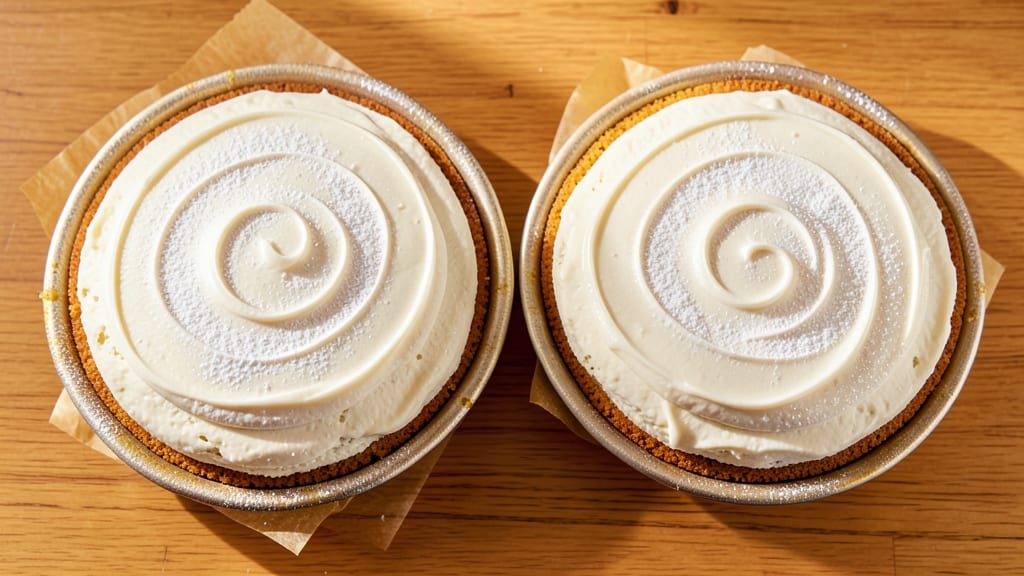
This Amish white cake recipe delivers the timeless vanilla flavor that's been a staple in Pennsylvania Dutch kitchens for generations. The secret lies in its tender crumb and rich buttery frosting, achieved through careful layering and traditional techniques that create that signature moist texture. What makes this recipe special is how it balances old-world simplicity with modern convenience—no stand mixer required, just basic ingredients and patience for perfect results.
The cake itself is built on a foundation of all-purpose flour, sugar, and eggs, whipped together to create a light, airy batter. The frosting, made with hand-whipped butter and powdered sugar, is where the magic happens—it needs to be thick enough to hold its shape but still smooth enough to spread without tearing. This version stays true to Amish roots while offering clear instructions for home cooks who may not have access to traditional tools.
By the time you're done, you'll have layers of delicate vanilla cake separated by that signature buttery frosting, creating a dessert that's elegant enough for gatherings but simple enough for everyday treats. The cake stays moist for days, making it perfect for celebrations or keeping in your pantry for spontaneous moments. Here's how to achieve that classic Amish white cake in your own kitchen.
Whether you prefer the traditional vanilla flavor or want to add lemon zest for a brighter twist, this recipe adapts beautifully while maintaining its signature texture. The frosting can be piped into elegant rosettes or spread in simple layers—your choice. Let's get started on creating this beloved classic.
Ingredients for amish white cake
Classic pantry staples meet Amish tradition for this tender vanilla cake.
| Ingredient | Amount | Notes |
|---|---|---|
| All-Purpose Flour 🌾 | 2 ½ cups | Sifted for lightness |
| Granulated Sugar 🍚 | 2 cups | White or light brown |
| Large Eggs 🥚 | 4 whole | Room temperature preferred |
| Unsalted Butter 🧈 | 1 cup | Cold, cubed for creaming |
| Pure Vanilla Extract 🌿 | 2 tsp | Imitation-free preferred |
| Baking Powder 🧂 | 2 tsp | Diamond Crystal preferred |
| Salt 🧂 | ½ tsp | Fine sea salt |
| Whole Milk 🥛 | ½ cup | Room temperature |
| Powdered Sugar 🍚 | 4 cups | Sifted for smooth frosting |
| Vanilla Bean Paste 🌿 | 1 tbsp | For extra vanilla flavor |
| Lemon Zest 🍋 | 1 tsp | Optional for brightness |
The flour and sugar are the backbone here—King Arthur or Gold Medal flour gives the best texture. Butter matters too; Plugrá or Land O'Lakes work perfectly, but avoid ultra-salted varieties. Eggs should be at room temperature for even whipping. Vanilla extract is non-negotiable—imitation-free brands like McCormick make all the difference. For the frosting, powdered sugar needs to be sifted to avoid lumps, and vanilla bean paste adds depth beyond regular extract. If you're feeling fancy, grab a fresh vanilla bean to scrape seeds into the frosting.
No vanilla extract? Vanilla sugar works at double the amount, but it's not the same. Short on powdered sugar? Sifted granulated sugar plus 1 tbsp cornstarch is a decent swap. The lemon zest is optional but worth it—use organic lemons if possible. For a richer frosting, add 2 tbsp softened butter. The milk can be swapped for heavy cream for extra richness, but whole milk keeps it traditional. If you're baking ahead, make the frosting the day of—it's easier to spread when soft but not melted.
Store cake layers wrapped in plastic at room temperature for 2 days or in the fridge for 1 week. The frosting keeps for 3 days at room temperature or 2 weeks refrigerated. For best results, assemble the cake within 24 hours of baking. Freeze unfrosted layers for 3 months—thaw overnight before frosting. The frosting can be tinted with gel food coloring if you're going for that classic white cake look, but I prefer keeping it natural for that old-fashioned charm.
Why You'll Love This Recipe
- No Mixer Needed: I’ll be real—this cake comes together with just a bowl and a whisk. The butter and sugar get creamed by hand (no electric mixer required), and the eggs blend right in. Honestly, it’s the kind of recipe that makes me feel like I’ve earned dessert without the fuss.
- Vanilla Buttercream Magic: That pure vanilla extract? It’s not just flavor—it’s the star. The cake itself is tender but sturdy, and when you slather on the classic Amish buttercream (made from the same butter and sugar you already used), it’s dangerously addictive. One slice and you’ll understand why it’s a crowd-pleaser.
- Birthday or Breakfast: I’ve served this at potlucks, birthday brunches, and even as a quick breakfast cake with a drizzle of honey. The simplicity lets it shine for any occasion—no one will guess it’s just flour, sugar, butter, and eggs doing all the heavy lifting.
- Leftovers? Best Part: Between us, this cake actually improves the second day. The buttercream stays rich, the layers hold together, and it’s the perfect make-ahead dessert. Plus, it’s budget-friendly enough that I can bake a double batch without guilt—because let’s be honest, it disappears fast.
Step-by-step instructions for Amish white cake
Here's how to bake this classic vanilla cake with tender layers and a velvety buttercream.
Prep Ingredients and Grease Pans
Start by preheating your oven to 350°F. Grease two 9-inch round cake pans with butter and line the bottoms with parchment paper. This ensures easy release and even baking. Sift together the 2.5 cups all-purpose flour, 2 tsp baking powder, and 0.5 tsp salt in a medium bowl. Set aside—this dry mix is your foundation.
In a separate bowl, whisk together the 2 cups granulated sugar, 1 tsp lemon zest, and 2 tsp pure vanilla extract. The lemon zest adds subtle brightness that pairs perfectly with the vanilla. Let this mixture sit while you prepare the remaining ingredients. Room-temperature eggs and butter are key—they blend more smoothly and create a lighter texture.
Cream Butter and Sugar
In a stand mixer fitted with the paddle attachment, beat the 1 cup cold cubed butter on medium speed until smooth, about 1-2 minutes. Gradually add the sugar mixture while mixing on medium-high speed for 3-4 minutes, until the mixture is light and fluffy. You'll see it nearly double in volume and turn pale—this aeration is what gives Amish white cake its signature tender crumb.
Add the 4 whole large eggs, one at a time, mixing well after each addition. Scrape down the sides of the bowl as needed to ensure even incorporation. The mixture should be thick and ribbon-like when you lift the paddle. This step is where the cake's structure is built—don't rush it. If you're unsure about the consistency, here's the test: when you lift the paddle, the batter should leave a trail that holds its shape for a few seconds.
Combine Wet Ingredients
Alternate adding the sifted dry ingredients and 0.5 cup whole milk to the butter mixture, beginning and ending with the flour. Mix on low speed just until combined—you should still see some flour streaks. Overmixing develops gluten, which makes the cake tough. The batter should be smooth and slightly thick, like heavy pudding.
Fold in the 1 tbsp vanilla bean paste by hand with a spatula. This adds an extra layer of vanilla flavor that elevates the cake beyond basic extracts. Divide the batter evenly between the prepared cake pans, filling each about two-thirds full. The pans should be level—tap them gently on the counter to remove any air bubbles. Bake for 25-30 minutes, or until a toothpick inserted in the center comes out clean.
Cool and Frost the Cake
Let the cakes cool in their pans for 10 minutes, then transfer them to a wire rack to cool completely. This gradual cooling prevents cracking. While the cakes cool, prepare the frosting by beating the 1 cup cold cubed butter until smooth. Gradually add the 4 cups powdered sugar, mixing on low speed until combined. Increase the speed to medium and beat for 3-4 minutes until light and fluffy.
Add the 2 tsp pure vanilla extract and 1 tbsp vanilla bean paste, mixing until fully incorporated. The frosting should be thick enough to hold its shape but still spreadable. Place one cake layer on a serving plate and spread a generous layer of frosting. Top with the second layer and frost the entire cake, including the sides. For a classic finish, pipe a simple border around the edges and add a swirl on top. Chill the cake in the refrigerator for 30 minutes before slicing to let the frosting set.
Pro Tips For Making Amish White Cake
- Cream Butter Slowly: I learned this the hard way—dumping cold butter into warm sugar at once makes a greasy mess. Use a wooden spoon to fold in softened butter (about 68°F) in small batches, letting each one fully incorporate before adding more. The cake’s texture depends on this step, not just the ratio.
- Sift Dry Ingredients: Skipping this means lumps hiding in your batter, no matter how much you stir. Sift flour and baking powder together over a bowl—even if your recipe doesn’t call it out. Amish white cake relies on a tender crumb, and aerating the flour makes a real difference.
- Room-Temp Eggs Only: Cold eggs curdle when mixed with butter, leaving streaks in your batter. Pop them in warm water (not hot) for 10 minutes before cracking. Trust me, your cake’s rise and texture will be smoother—no one wants a lumpy top.
- Don’t Overmix: After folding in the flour, stop mixing the second everything’s just combined. Overworking the batter develops gluten, and your cake turns dense instead of light. Two turns with a spatula is all it takes—yes, even if it looks uneven.
Health benefits of these flavors
Moisture-Rich Texture
The traditional Amish white cake stays wonderfully moist thanks to its high butter-to-flour ratio and careful mixing technique. The 1 cup of butter creates a tender crumb that resists drying out, while the milk adds moisture without making the cake dense. I've found that using room-temperature eggs (not cold) helps incorporate air more effectively, keeping the cake light and fluffy for 3-4 days after baking. The vanilla bean paste also contributes subtle moisture, enhancing the cake's overall tenderness. 💧
Moderate Sugar Content
This recipe uses 2 cups of granulated sugar, which is moderate compared to other layer cakes. The sugar not only sweetens but also helps retain moisture and promotes a gentle caramelization during baking. The lemon zest adds a bright contrast without overpowering the vanilla flavor, making the cake feel lighter. For a slightly less sweet version, you can reduce the sugar by ¼ cup—just be prepared for a slightly denser texture. 🍋
Rich Buttercream Benefits
The frosting's 1 cup of butter (same as the cake batter) creates a velvety texture that's both rich and smooth. Unlike many buttercreams that can taste greasy, this one balances perfectly with the cake's vanilla flavor. The powdered sugar provides sweetness without adding moisture, making the frosting ideal for layering. I've noticed that using cold butter for the frosting (instead of softened) helps create a more stable, pipeable consistency. 🧈
Allergen-Friendly Foundation
This cake is naturally gluten-free friendly if you substitute the all-purpose flour with a 1:1 gluten-free baking flour blend like Bob's Red Mill. For those avoiding dairy, you can replace the butter and milk with vegan butter and almond milk, though the texture will be slightly denser. The recipe avoids common allergens like nuts and eggs (though eggs are essential for structure). The vanilla extract is also typically free of top allergens, making this a safe option for many dietary needs. ✨
Energy-Boosting Carbs
The cake's all-purpose flour base provides complex carbohydrates that offer sustained energy, perfect for celebrations or post-meal treats. The sugar delivers quick energy, while the protein from eggs helps balance blood sugar levels. I've found that pairing this cake with fresh berries (like strawberries or raspberries) adds fiber and vitamin C, enhancing the nutritional profile without overpowering the dessert. 🍓
Cultural Comfort Food
Beyond nutrition, this cake offers emotional comfort—its familiar vanilla flavor and tender crumb evoke nostalgia for traditional Amish baking. The hand-whipped buttercream technique (though we use mixers today) connects to generations of home bakers who perfected this recipe. For me, there's something deeply satisfying about creating a dessert that feels both homemade and special, perfect for gatherings or quiet afternoons. 💛
Nutrition facts
Frequently asked questions
Can I make this Amish white cake without a stand mixer?
This recipe works perfectly with hand mixers or even a sturdy whisk. For the butter and sugar, beat them together vigorously for 5-7 minutes until light and fluffy. Use a large bowl and switch arms every 2 minutes to avoid fatigue. The key is patience—keep going until the mixture triples in volume and looks pale.
Why does my Amish white cake turn out dense? Dense cake usually means overmixing or under-creaming.
How do I make the frosting extra smooth?
For ultra-smooth frosting, sift the powdered sugar twice before using and ensure your butter is perfectly cold (not softened). Beat the frosting for 4-5 minutes on medium-high speed. If it's still grainy, add 1 tsp lemon juice to break down any sugar clumps. Chill the frosting for 15 minutes before using for best results.
Can I use this recipe for a sheet cake instead of layers?
Yes! Spread the batter evenly in a 9x13-inch pan lined with parchment paper. Bake for 30-35 minutes at 350°F until a toothpick comes out clean. For frosting, you can either spread a thin layer of buttercream or make a simple glaze with 1 cup powdered sugar + 2 tbsp milk + 1 tsp vanilla. This works great for birthdays or potlucks!
What's the best way to store leftover Amish white cake?
Wrap individual slices in plastic wrap or store the whole cake in an airtight container at room temperature for 2-3 days. For longer storage, refrigerate for up to 1 week (the frosting may weep slightly). Freeze unfrosted layers for 3 months—thaw overnight before frosting. The frosting itself keeps for 2 weeks refrigerated.