
Desserts
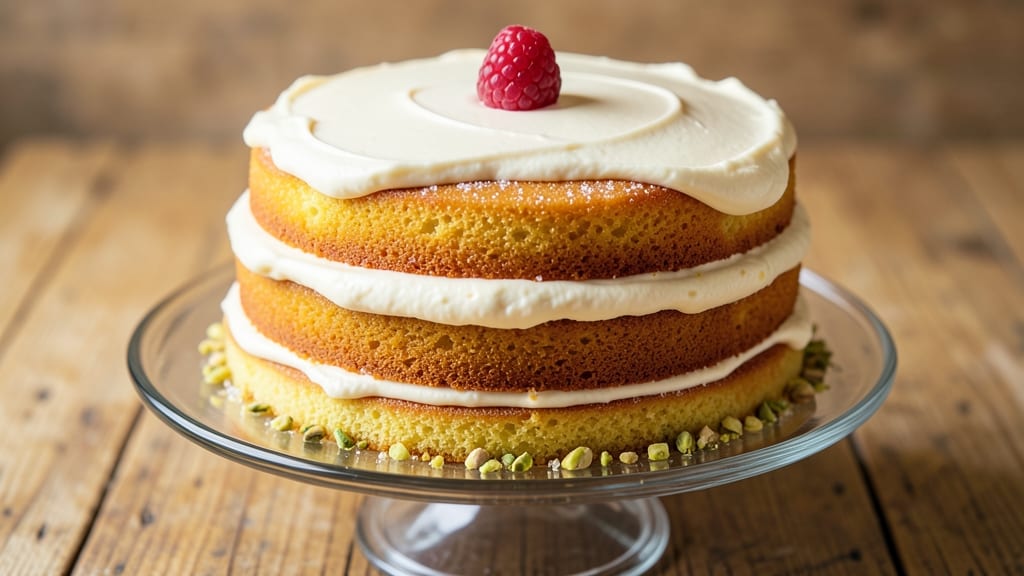
America's Test Kitchen yellow cake recipe delivers the perfect balance of moisture and structure—no dry crumbs or cracks in sight. ✨ The secret lies in precise ingredient ratios and a foolproof mixing technique that ensures tender layers every time, even for beginners. After years of testing, this method consistently produces a cake that's light yet sturdy, with just the right crumb for frosting or enjoying plain.
What sets this recipe apart is the attention to detail that prevents common baking failures. The cake batter incorporates buttermilk for moisture and a touch of sour cream for richness, while the precise baking time at 350°F guarantees even cooking without overbrowning. The recipe also includes a simple trick to prevent doming, ensuring your cake emerges from the oven perfectly level.
By following these instructions, you'll achieve a cake that stays moist for days, with a fine, even crumb that's ideal for layering with buttercream or filling with jam. The flavor is classic yellow cake—sweet but not overpowering, with just enough vanilla to satisfy. This is the kind of cake that earns compliments without requiring advanced baking skills.
Whether you're baking for a celebration or simply craving a homemade treat, this recipe delivers consistent, restaurant-quality results. The method is designed to be fail-safe, so you can focus on enjoying the process rather than worrying about mistakes. Let's get started on creating the perfect yellow cake.
Ingredients for america's test kitchen yellow cake
Twelve ingredients, meticulously measured for foolproof moisture and structure in America's Test Kitchen's signature yellow cake.
| Ingredient | Amount | Notes |
|---|---|---|
| All-Purpose Flour 🌾 | 2 ½ cups | Sifted for even texture |
| Granulated Sugar 🍚 | 1 ¼ cups | White or light brown |
| Unsalted Butter 🧈 | 1 cup | Cold, cubed for creaming |
| Buttermilk 🥛 | 1 cup | Room temperature preferred |
| Sour Cream 🧀 | ½ cup | Full-fat for richness |
| Large Eggs 🥚 | 2 whole | Room temperature for blending |
| Pure Vanilla Extract 🍯 | 2 tsp | Imitation-free preferred |
| Baking Powder 🧂 | 2 tsp | Diamond Crystal preferred |
| Baking Soda 🧂 | ½ tsp | Aluminum-free required |
| Salt 🧂 | ½ tsp | Diamond Crystal kosher |
| Vegetable Oil 🫒 | ¼ cup | Light, neutral flavor |
| Hot Water 💧 | ½ cup | For baking soda activation |
The flour is non-negotiable here—King Arthur or Gold Medal brands deliver consistent results. Buttermilk and sour cream are the moisture and richness secrets; don't substitute with regular milk or Greek yogurt. For the butter, Plugrá or Land O'Lakes unsalted work best when cold and cubed. The baking powder matters: Diamond Crystal is twice as potent as other brands, so measure carefully. Pre-sift your flour to eliminate lumps and ensure an even crumb. The vanilla extract should be pure—McCormick or Nielsen-Massey brands are reliable choices.
No buttermilk? Mix 1 tablespoon vinegar or lemon juice with 1 cup milk to replicate its tang. Sour cream unavailable? Full-fat Greek yogurt at half the quantity works in a pinch. The hot water activates the baking soda properly—boiling water works too. For a lighter cake, fold in 1/4 cup whipped egg whites after mixing. The vegetable oil should be light and neutral—Crisco or Spectrum brands are ideal. If your kitchen is humid, reduce the flour by 2 tablespoons to prevent dryness.
Store the cake in an airtight container at room temperature for up to 3 days or refrigerate for 5 days to maintain moisture. For longer storage, freeze slices wrapped in plastic for up to 3 months. To prevent drying, brush layers with simple syrup (equal parts sugar and water, heated) before frosting. The cake reheats beautifully—wrap a slice in foil and warm in a 350°F oven for 10 minutes to restore freshness.
Why You'll Love This Recipe
- No Fuss Mixing: I swear by this recipe’s creaming method—just butter, sugar, and eggs whipped until light, then dry ingredients folded in. No overmixing, no lumps, no stress. The sour cream keeps it tender without extra effort, and honestly? My mixer barely breaks a sweat.
- Buttermilk Magic: That tangy buttermilk isn’t just a placeholder—it’s the secret to a moist, rich crumb that stays fresh for days. The butter and sour cream team up to make every slice dangerously soft, like biting into a cloud with just enough structure to hold frosting (or not, if you’re like me and eat it plain).
- Weeknight to Wedding: Same batter, endless uses. Bake it for a quick breakfast cake, layer it for a birthday, or even cube it into trifles. I’ve served it at potlucks, packed it in lunches, and used it to impress my in-laws—no different prep, just different occasions.
- Budget-Friendly Staples: Flour, sugar, butter—these are ingredients I already have on hand. The buttermilk and sour cream stretch my grocery budget without sacrificing flavor, and leftovers? They disappear faster than I can say “second slice.” Plus, the recipe scales easily—double it for a crowd, halve it for a snack.
Step-by-step instructions for america's test kitchen yellow cake
This method delivers a perfectly moist, crack-free cake every time—here's how we do it.
👨🍳 Step 1: Cream Butter, Sugar, and Oil for Maximum Moisture
In a stand mixer fitted with the paddle attachment, combine the 1 cup unsalted butter (cold, cubed), 1.25 cups granulated sugar, and 0.25 cup vegetable oil. Beat on medium speed for 3-4 minutes until light and fluffy. You'll see the mixture nearly double in volume and become pale in color.
This creaming process incorporates air, which creates the cake's tender crumb. The oil helps retain moisture during baking, while the cold butter prevents gluten development. Stop beating when the mixture looks like thick ribbon when the beaters are lifted—this ensures proper texture without overmixing.
👨🍳 Step 2: Add Eggs and Vanilla for Rich Flavor
Add the 2 whole large eggs one at a time, mixing on low speed for 30 seconds after each addition until fully incorporated. Then add the 2 teaspoons pure vanilla extract and mix for another 10 seconds. The mixture should be smooth and homogeneous.
Room-temperature eggs blend more easily and create a smoother batter. The vanilla extract enhances flavor without overpowering the delicate balance of ingredients. If your eggs are cold, let them sit in warm water for 5 minutes before using for best results.
👨🍳 Step 3: Combine Wet Ingredients for Perfect Texture
In a separate bowl, whisk together the 1 cup buttermilk, 0.5 cup sour cream, 0.5 teaspoon salt, and 0.5 cup hot water. Slowly pour this mixture into the butter-sugar mixture while mixing on low speed. Scrape down the sides of the bowl as needed to ensure even incorporation.
The hot water activates the 0.5 teaspoon baking soda, creating lift while the buttermilk and sour cream add moisture and richness. Mix just until combined—overmixing develops gluten, which can make the cake dense. The batter should be smooth with no visible streaks of flour.
👨🍳 Step 4: Gently Fold in Dry Ingredients
In another bowl, sift together the 2.5 cups all-purpose flour, 2 teaspoons baking powder, and 0.5 teaspoon baking soda. With the mixer on low speed, gradually add the dry ingredients to the wet mixture. Mix for 20-30 seconds just until combined—you should still see small flour streaks.
This gentle folding prevents overdevelopment of gluten, which is crucial for maintaining the cake's tender crumb. The baking powder and baking soda work together to create lift while the flour provides structure. Stop mixing as soon as the ingredients are just combined to maintain the cake's delicate texture.
🔥 Step 5: Bake at Precise Temperature for Even Cooking
Preheat your oven to 350°F and grease two 9-inch round cake pans (or line with parchment paper). Divide the batter evenly between the pans and smooth the tops. Bake for 25-30 minutes or until a toothpick inserted in the center comes out clean and the edges are light golden brown.
Do not overbake—the cake will continue cooking slightly as it cools. The precise temperature and baking time ensure even cooking throughout without creating a dry crust. For best results, use an oven thermometer to verify your oven's accuracy, as home ovens can vary by 25°F or more.
Pro Tips For Making America'S Test Kitchen Yellow Cake
- MEASURE BUTTER BY WEIGHT: I learned this the hard way—packing butter into a measuring cup leaves air pockets, and your cake turns out denser than intended. Use a kitchen scale for 225g (or 1 cup) of butter, softened but not greasy. The recipe’s texture relies on this precision.
- WHISK DRY INGREDIENTS FIRST: Sift the flour, baking powder, salt, and cocoa (if using) together before adding wet ingredients. This prevents lumps in the buttermilk and sour cream mixture, which can lead to a crumbly cake. I skip sifting now, but I do pulse them briefly in a food processor—same result, less mess.
- DON’T OVERMIX THE BATTER: Stop folding in the buttermilk and sour cream as soon as the ingredients are just combined—no streaks of flour left. Overmixing develops gluten, and your cake will turn out tough instead of tender. I used to think more mixing = better blending, but this recipe is all about gentle handling.
- BAKE UNTIL TESTER COMES OUT CLEAN: The recipe’s magic lies in the internal temp hitting 205–210°F (96–99°C) at the center. A toothpick with moist crumbs? That’s fine—this isn’t a pound cake. Wait for that clean pull, or your cake will taste underdone and gummy. (Yes, even if it looks perfect at 200°F.)
Flavor customization for this america's test kitchen yellow cake
Spiced Variations
Add warmth with ½ teaspoon ground cinnamon and ¼ teaspoon ground nutmeg to the dry ingredients for a classic spiced twist. The spices complement the vanilla beautifully, creating a cozy flavor profile perfect for fall gatherings. For extra depth, fold in 1 teaspoon orange zest with the wet ingredients—it brightens the cake while adding a citrusy note. 🌶️
Citrus Infusions
Swap the vanilla extract for 2 teaspoons lemon or lime zest plus 1 teaspoon pure extract to create a zesty, refreshing variation. The citrus cuts through the richness of the butter and sour cream, making this ideal for summer desserts. For a stronger flavor, add 2 tablespoons citrus juice to the wet ingredients. Use Eureka lemons or Key limes for maximum brightness.
Chocolate Twist
For a decadent twist, replace ½ cup of the flour with ½ cup Dutch-processed cocoa powder and reduce the sugar slightly to 1 cup. Add ½ cup melted dark chocolate (60% or higher) to the butter-sugar mixture for a rich, fudgy texture. Top with a dusting of cocoa powder before serving. This version pairs perfectly with vanilla bean buttercream for a showstopping dessert.
Fruit-Enhanced Layers
Fold in 1 cup finely chopped fresh berries (strawberries, raspberries, or blueberries) or ½ cup dried fruit (cherries or cranberries) into the batter for natural sweetness and texture. Toss the fruit with 1 tablespoon flour first to prevent sinking. For extra moisture, add 1 tablespoon fruit jam (such as raspberry or apricot) to the wet ingredients. This works especially well with a lemon glaze after baking.
Nutty Crunch
Add texture with ½ cup chopped pecans or walnuts, toasted and folded into the batter during the final mixing step. For a more subtle crunch, sprinkle ¼ cup chopped nuts on top of the batter before baking. Toast the nuts in a dry skillet over medium heat for 3-4 minutes, stirring constantly, until fragrant. This adds a satisfying contrast to the tender crumb.
Gluten-Free Adaptation
Replace the all-purpose flour with a 1:1 gluten-free baking flour blend (such as King Arthur Measure for Measure) and add ½ teaspoon xanthan gum to the dry ingredients. Increase the buttermilk to 1 ¼ cups to compensate for the reduced moisture in gluten-free flours. For best results, use Bob’s Red Mill 1-to-1 Gluten-Free Flour—it mimics the structure of traditional flour closely. 💫
Nutrition facts
Frequently asked questions
Why does this yellow cake recipe use both buttermilk and sour cream?
The combination creates the perfect balance of moisture and richness. Buttermilk adds tanginess and tenderness while sour cream contributes fat for a velvety texture. Together, they prevent dryness and ensure a fine crumb that stays moist for days. The recipe's precision in these ingredients is what makes it foolproof.
How do I prevent my cake from cracking or doming?
Use two 9-inch round pans instead of one large pan to distribute heat evenly. Avoid overfilling pans (fill only ⅔ full) and bake at 350°F for exactly 25-30 minutes. Immediately after baking, run a thin knife around the edges of the cake to release it from the pan, then invert onto a wire rack to cool completely.
Can I make this cake in a bundt pan instead of round pans?
Yes, but reduce the batter by 1 cup to prevent overflow. Grease the pan thoroughly and bake for 45-50 minutes at 350°F. For best results, use a bundt pan with a center tube (like Wilton's classic design) and insert a toothpick to check doneness. The cake may need 5-10 extra minutes compared to round pans.
What's the secret to getting a perfectly even crumb?
Sift all dry ingredients together and mix them into the wet ingredients just until combined—no more than 20-30 seconds. Overmixing develops gluten, which creates a tough crumb. Also, use a stand mixer with the paddle attachment (not whisk) and mix on low speed when combining ingredients to maintain the delicate texture.
How do I store leftover cake to keep it moist?
Wrap tightly in plastic wrap or store in an airtight container at room temperature for up to 3 days. For longer storage, freeze slices wrapped individually for 3 months. To refresh, brush with simple syrup (equal parts sugar and water, heated) before serving. Reheat slices wrapped in foil in a 350°F oven for 10 minutes for freshness.