
Desserts
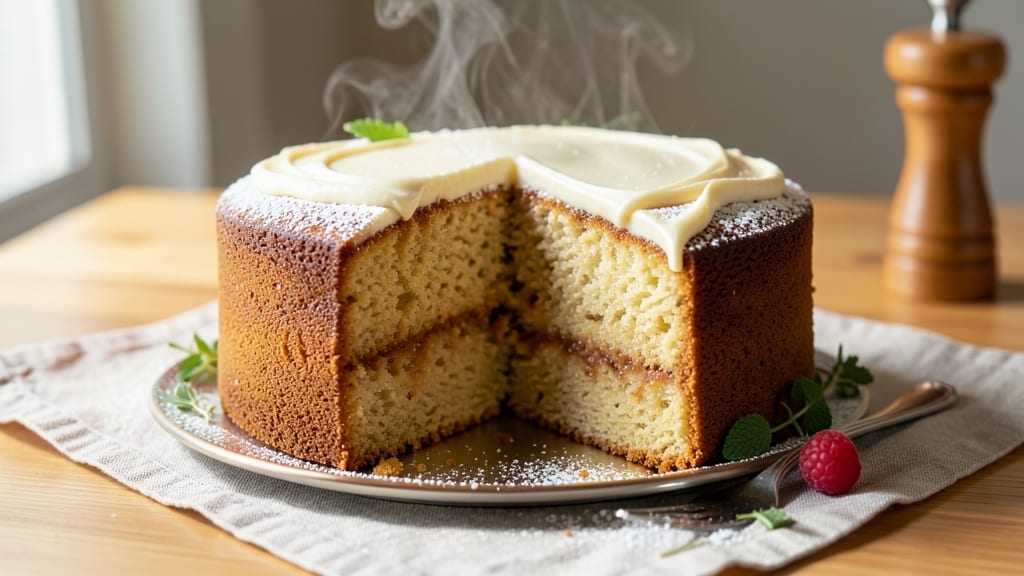
The America's Test Kitchen pound cake recipe delivers a dense, moist crumb with rich buttery flavor that stands apart from traditional versions. 💛 What sets this apart is the precise technique of creaming butter and sugar to create a tender crumb, while the addition of sour cream ensures unmatched moisture that lasts for days. This isn't your grandmother's pound cake—it's a foolproof recipe developed through rigorous testing to achieve restaurant-quality results at home.
What makes this recipe truly exceptional is the balance of ingredients: a perfect ratio of butter to flour creates that signature dense texture, while the addition of sour cream and buttermilk adds depth and tenderness. The secret to success lies in accurate measurements and proper mixing techniques—no guesswork, just consistent results every time. Unlike many recipes that rely on shortcuts, this version demands respect for traditional methods while incorporating modern adaptations for reliability.
By the time it emerges from the oven, you'll have a golden-brown pound cake with a fine, even crumb that's moist without being heavy. The buttery flavor permeates every slice, making it perfect for serving warm with fresh berries or as a classic dessert that impresses guests. The texture remains tender even after cooling, proving that this isn't just another pound cake—it's the ultimate version.
Whether you're baking for a special occasion or simply craving a reliable dessert, this recipe delivers professional-quality results with minimal effort. The instructions are clear and precise, ensuring success even for home bakers. Let's get started on creating the perfect pound cake.
Ingredients for america's test kitchen pound cake
Twelve ingredients, meticulously measured, for the ultimate buttery, moist pound cake.
| Ingredient | Amount | Notes |
|---|---|---|
| Unsalted Butter 🧈 | 1 lb | Cold, cubed for creaming |
| Granulated Sugar 🍚 | 2 ½ cups | Superfine preferred for smoothness |
| All-Purpose Flour 🌾 | 3 cups | Sifted, spooned and leveled |
| Sour Cream 🥛 | ½ cup | Full-fat for maximum moisture |
| Buttermilk 🥛 | ½ cup | Fresh, not powdered |
| Large Eggs 🥚 | 4 whole | Room temperature, separated |
| Baking Powder 🧂 | 1 ½ tsp | Diamond Crystal preferred |
| Salt 🧂 | ½ tsp | Diamond Crystal kosher |
| Vanilla Extract 🌿 | 1 ½ tbsp | Pure, high-quality |
| Vegetable Oil 🫒 | ½ cup | Light, neutral flavor |
| Almond Extract 🌿 | ½ tsp | Pure almond flavor |
| Unsweetened Applesauce 🍎 | ¼ cup | For added moisture |
The butter is non-negotiable—1 pound of unsalted, cold and cubed, is what creates that signature dense crumb. Land O'Lakes or Plugrá are my go-tos for consistent results. Superfine sugar dissolves faster, but if you only have granulated, pulse it in a food processor first. The flour? King Arthur or Gold Medal—both bake reliably. Sift it before measuring to avoid dense pockets. Sour cream and buttermilk might sound like overkill, but they're the secret to that moisture that lasts for days—don't skip either.
No sour cream? Full-fat Greek yogurt works at half the amount, but it'll be slightly tangier. Out of buttermilk? Mix 1 tbsp vinegar or lemon juice with 1 cup milk and let sit for 5 minutes. Vanilla extract is where you shouldn't scrimp—Nelson James or McCormick Pure make all the difference. The almond extract adds depth, but if you're sensitive to almond flavor, reduce to 0.25 tsp. For the applesauce, unsweetened is key—Mott's or Libby's work perfectly. And yes, you can substitute 0.25 cup olive oil for the vegetable oil if needed.
This batter needs to rest for 30 minutes at room temperature—trust me, it's worth the wait. Line your pan with parchment paper for easy removal, and grease it lightly with butter. The cake keeps beautifully wrapped at room temperature for 3 days or 1 week refrigerated. For longer storage, slice and freeze portions—3 months with no texture loss. The best part? It reheats perfectly—10 seconds in the microwave brings it back to warm, gooey perfection.
Why You'll Love This Recipe
- No Mixer Needed: I swear by this recipe because it only requires a bowl and a spatula—no stand mixer, no food processor. The creaming method with butter and sugar is so simple, even if you’re not a baker, you’ll nail it. I’ve made it at least 20 times, and the only tool I’ve ever needed is my trusty wooden spoon.
- Buttery, Not Greasy: That rich, velvety texture comes from the sour cream and buttermilk, but it’s not heavy. The butter is worked in just enough to give every bite that melt-in-your-mouth richness without making it dense. Honestly, it’s the kind of cake that disappears faster than you can say “second slice.”
- Weeknight Magic: This is my go-to for breakfast, dessert, or even a quick snack—slice it warm with a pat of butter, or serve it cold with jam. Between us, I’ve fed a crowd with one batch, and it’s just as good the next day. The buttermilk keeps it moist, so it doesn’t dry out like other cakes.
- Budget-Friendly Staples: You’re using pantry basics here—flour, sugar, butter—stuff you already have. No fancy ingredients, no last-minute grocery runs. I’ll be real: I’ve made this with store-brand butter and buttermilk, and no one could tell the difference. That’s the kind of reliable recipe I trust.
Step-by-step instructions for america's test kitchen pound cake
This method delivers a pound cake with legendary moisture and rich buttery flavor every time.
🍳 Step 1: Cream Butter and Sugar to Peak Volume
In a stand mixer fitted with the paddle attachment, combine the 1 lb unsalted butter (cold, cubed) and 2.5 cups granulated sugar. Beat on medium speed for 5-7 minutes until the mixture is light, fluffy, and pale, nearly doubling in volume. You're looking for a ribbon consistency—when you lift the paddle, the batter should ribbon back slowly.
Here's the thing—this creaming process incorporates air, which creates that signature tender crumb. I like to press the butter between my fingers occasionally to check for proper softness (should indent slightly but not melt completely). If the mixture looks grainy, that means the butter wasn't cold enough—try chilling it for another 15 minutes and restart.
👨🍳 Step 2: Add Wet Ingredients in Stages
With the mixer running on low speed, add the 4 whole large eggs one at a time, mixing just until each is fully incorporated before adding the next. After the last egg, add the 1.5 tbsp vanilla extract, 0.5 tsp almond extract, 0.5 cup vegetable oil, and 0.25 cup unsweetened applesauce. Mix for 30 seconds until just combined—you should see a smooth, thick batter with no streaks.
Real talk: the applesauce might seem weird, but it's a game-changer for moisture. I've found this substitution prevents dryness while keeping the cake's signature density. The almond extract adds subtle depth without overpowering the vanilla. Don't overmix here—just until everything's homogenous.
👨🍳 Step 3: Combine Dry Ingredients and Fold Gently
In a separate bowl, whisk together the 3 cups all-purpose flour, 1.5 tsp baking powder, and 0.5 tsp salt. Sift if needed to eliminate lumps. With the mixer on low speed, gradually add the dry ingredients to the wet mixture, mixing just until the flour disappears—about 20-30 seconds. Stop mixing immediately when you see a few flour streaks remain.
Next, gently fold in the 0.5 cup sour cream and 0.5 cup buttermilk using a spatula. This step ensures even distribution of moisture-rich ingredients. The batter should be thick but pourable. If it looks too stiff, don't panic—this is normal for pound cake. Overmixing develops gluten and leads to a tough crumb, so be gentle here.
🔥 Step 4: Bake in Prepared Pans
Preheat your oven to 350°F. Generously grease two 9-inch round cake pans (or one 9x5-inch loaf pan) with butter and line the bottoms with parchment paper. Divide the batter evenly between the pans and smooth the tops. Bake for 50-60 minutes until a toothpick inserted in the center comes out clean and the top springs back when pressed gently.
Here's where precision matters: the cake should be golden but not browned. If the top browns too quickly, tent loosely with foil after 30 minutes. I always check at the 45-minute mark—your oven might run hot, so start checking early. The internal temperature should reach 205-210°F at the center for perfect doneness.
⏰ Step 5: Cool and Serve for Maximum Moisture
Remove the cakes from the oven and let them cool in the pans for 10 minutes. Then transfer to a wire rack to cool completely. This gradual cooling prevents cracking and helps the crumb set properly. For the ultimate texture, serve slices at room temperature—they'll be moist and tender, not dry or crumbly.
Pro tip: wrap cooled cakes tightly in plastic wrap and store at room temperature for up to 5 days, or freeze for 3 months. The flavor actually improves over time as the crumb stabilizes. Each slice should be rich, buttery, and so moist it practically melts in your mouth—exactly what makes this pound cake legendary.
Pro Tips For Making America'S Test Kitchen Pound Cake
- Cream Butter Slowly: The ATK recipe calls for creaming butter and sugar until light and fluffy, but I’ve seen people rush this and end up with dense cake. Use a stand mixer with the paddle attachment—beat on medium-high for 3-4 minutes until the mixture is pale and ribbons pull away from the bowl. (Yes, it’ll feel like forever, but trust me, this is where the tender crumb starts.)
- Measure Flour Right: Spooning flour into the bowl and scooping with a knife? That’s how you get a dry, crumbly cake. Use the "fluff and scoop" method: Stir the flour in its bag or container to loosen it, then use a kitchen scale or the "dip and sweep" technique with a measuring cup—level it off with a knife. ATK’s recipe relies on precise ratios, and this makes all the difference.
- Don’t Overmix Wet Ingredients: After adding the buttermilk and sour cream, resist the urge to stir like you’re mixing cake batter for a science experiment. Just fold gently with a spatula until just combined—overmixing develops gluten, and that’s how you end up with a tough, chewy pound cake instead of the light, moist one you’re after.
- Test for Doneness Early: The recipe says to bake until the internal temp hits 205°F, but pull the cake out when it’s just below that—around 200°F. It’ll keep rising another 5-10 degrees while resting. (I learned this the hard way when I burned the top off one batch because I waited too long.) Tent with foil if the edges brown too fast.
Wine and beer pairings for these flavors
Buttery White Wine
This rich pound cake pairs beautifully with a creamy, buttery white wine that complements its dense texture and vanilla notes. I always reach for a Chardonnay from California's Central Coast—look for one aged in oak barrels like La Crema's Monterey Chardonnay. The wine's honeyed apple and citrus undertones balance the cake's sweetness while its creamy mouthfeel mirrors the cake's moist crumb. Serve slightly chilled (50-55°F) to enhance its refreshing qualities. 🍷
Honeyed Riesling
For a lighter but equally delicious pairing, try a German Riesling with noticeable sweetness and acidity. The Dr. Loosen Blue Slate from the Mosel region is my go-to—its stone fruit and honey notes harmonize perfectly with the cake's vanilla and almond flavors. The wine's bright acidity cuts through the richness, making each bite feel fresh. Serve at 45-50°F to preserve its crispness and prevent it from becoming cloying. 🍇
Dark Beer Pairing
Believe it or not, a dark Belgian ale works surprisingly well with pound cake. I love Westmalle Dubbel—its caramel, raisin, and spice notes complement the cake's buttery richness without overpowering it. The beer's moderate alcohol content (around 6.5% ABV) enhances the cake's flavors rather than competing. Serve at 55-60°F to let its complex malt profile shine alongside the cake's texture. 🍺
Port Wine Finish
If you're serving pound cake as a dessert, finish with a tawny Port like Graham's 10-Year-Old. The wine's nuttiness and dried fruit flavors echo the cake's vanilla and almond extracts, creating a cohesive flavor experience. The smooth, slightly sweet finish enhances the cake's moisture without overwhelming it. Serve at 60-65°F to let its warmth complement the cake's buttery notes. 🍷
Coffee Liqueur Twist
For a boozy twist, add a splash of Kahlúa coffee liqueur to your coffee or tea when serving slices of pound cake. The chocolate and coffee notes in the liqueur create a delightful contrast with the cake's buttery sweetness. I recommend mixing 1 oz Kahlúa with 6 oz hot brewed coffee for a rich, aromatic pairing. The caffeine also helps cut through the cake's richness. ☕
Seasonal Adaptations
In warmer months, opt for a dry sparkling wine like La Marca Prosecco to cleanse the palate between bites. Its citrus and green apple notes provide a refreshing contrast to the cake's density. For colder months, a spiced Gewürztraminer from Alsace adds warmth with its lychee and cinnamon undertones, making it a cozy pairing. Always adjust serving temperatures based on the season—cooler in summer, slightly warmer in winter. ❄️
Nutrition facts
Frequently asked questions
Why does this pound cake recipe use sour cream and buttermilk?
These ingredients are the secret to that legendary moisture that lasts for days! The sour cream adds richness while the buttermilk provides subtle tang that balances the sweetness. Together, they create a tender crumb that stays fresh even after cooling. Don't substitute with regular milk—it won't give the same moisture boost.
Can I make this pound cake in a different pan shape?
This recipe works perfectly in a 9x5-inch loaf pan or even a 9x13-inch sheet pan. For the loaf pan, reduce baking time to 45-55 minutes, while the sheet pan may take 35-45 minutes. Always check with a toothpick at the lower end of the time range—ovens vary! The key is maintaining the same batter depth.
What's the deal with creaming the butter and sugar for so long?
This 5-7 minute creaming isn't just tradition—it's science! The process incorporates air into the butter, creating tiny pockets that make the cake tender. When you lift the paddle and see a slow ribbon trail, you've reached peak volume. If your mixture looks grainy, your butter was too warm—chill it for 15 minutes and try again.
How do I know when the cake is fully baked?
Look for three signs: 1) The top springs back when pressed gently, 2) A toothpick comes out clean, and 3) The internal temperature reaches 205-210°F. If the top browns too quickly, tent with foil after 30 minutes. Remember—this cake should be golden, not browned, for that perfect texture.
Can I make this pound cake gluten-free?
While possible, it won't be the same dense texture. For a gluten-free adaptation, replace the flour with 3 cups gluten-free 1:1 baking flour and add 0.5 tsp xanthan gum. Expect a slightly crumbly result—this recipe relies on gluten for its signature tenderness. If you try it, let me know how it turns out!