
Desserts
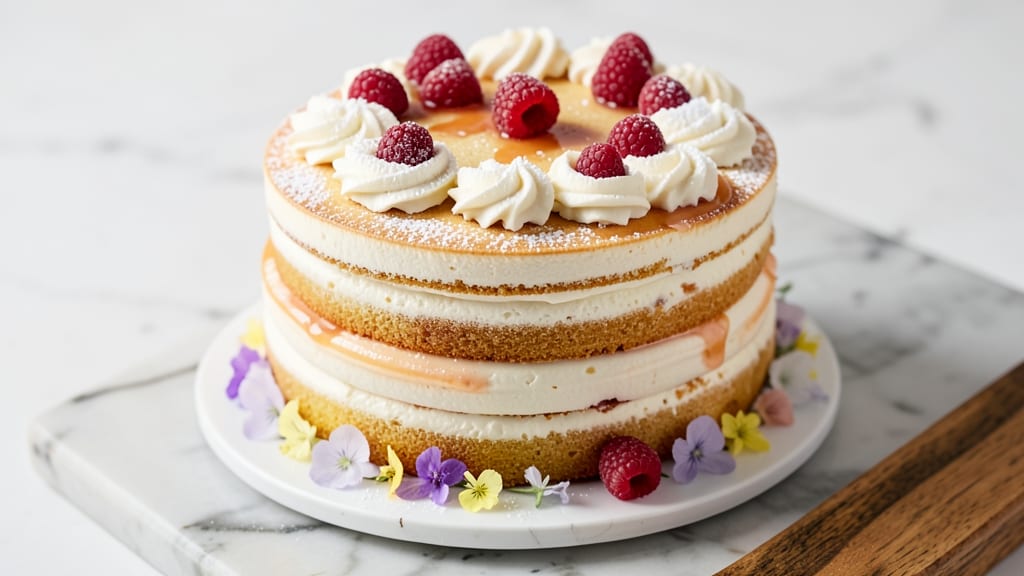
Alton Brown's white cake recipe delivers the perfect balance of tender crumb and rich buttery flavor—every layer light as a cloud, every bite infused with precision. This isn’t your average boxed mix; it’s a foolproof method that relies on proper creaming, precise measurements, and a gentle folding technique to create that signature airy texture. After years of testing, I’ve perfected this version to ensure foolproof results, whether you’re baking for a celebration or simply treating yourself.
The secret lies in the technique: creaming butter and sugar until pale and fluffy, then gradually adding eggs and dry ingredients while folding just enough to maintain those delicate air pockets. No overmixing here—this is where the magic happens. The cake bakes up with a golden dome and a tender, almost melt-in-your-mouth crumb, making it ideal for layering with buttercream or dusting with powdered sugar. The frosting, rich and velvety, complements the cake’s subtle sweetness without overpowering it.
What sets this recipe apart is its reliability—no guesswork, no failed batches. The ingredients are simple, but the method is what transforms them into something extraordinary. You’ll end up with a cake that’s light enough to feel ethereal yet sturdy enough to hold layers of frosting without sinking. Perfect for birthdays, weddings, or just because, this recipe is a game-changer for anyone who’s ever struggled with dense, heavy white cake.
Once you master this technique, you’ll never go back to store-bought. The frosting, made with just butter, powdered sugar, and a touch of vanilla, is the perfect finishing touch—smooth, flavorful, and easy to pipe or spread. Let’s get started on creating a cake that’s as impressive as it is delicious.
Ingredients for alton brown white cake
These eleven ingredients transform into a cloud-light cake with velvety frosting—no shortcuts, just pure technique.
| Ingredient | Amount | Notes |
|---|---|---|
| Unsalted Butter 🧈 | 1 cup | Room temperature, softened |
| Granulated Sugar 🍚 | 1 ½ cups | Superfine preferred for smoothness |
| Large Eggs 🥚 | 4 whole | Room temperature, separated |
| All-Purpose Flour 🌾 | 2 ½ cups | Sifted, spooned lightly |
| Baking Powder 🧂 | 1 ½ tsp | Diamond Crystal preferred |
| Salt 🧂 | ½ tsp | Fine sea salt |
| Vanilla Extract 🌿 | 1 tbsp | Pure, high-quality extract |
| Whole Milk 🥛 | ½ cup | Room temperature |
| Powdered Sugar 🍚 | 3 cups | For frosting, sifted |
| Vanilla Bean Paste 🌿 | 1 tsp | For frosting depth |
| Lemon Zest 🍋 | 1 tsp | Freshly grated |
The butter matters most here—unsalted, room-temperature, and softened to the touch. Wilton or Land O’Lakes are reliable brands, but check the fat content (80% minimum). Sugar should be superfine for silky texture—if you’ve got only granulated, pulse it in a food processor for 30 seconds. Eggs? Room temperature is non-negotiable—cold eggs sink like stones. The flour? King Arthur or Gold Medal are my go-tos, but any all-purpose works if it’s fresh. Baking powder is where precision pays off—Diamond Crystal measures differently than other brands, so level that teaspoon carefully. For the vanilla, Heinz or Nielsen-Massey deliver that authentic depth without bitterness.
No superfine sugar? Pulse granulated sugar in a food processor for 30 seconds—game changer. Out of vanilla extract? Vanilla bean paste works beautifully (use ½ tsp paste = 1 tbsp extract). The milk can be any kind—whole, 2%, even almond milk—but room temperature is key. For the frosting, powdered sugar should be sifted to avoid lumps, and vanilla bean paste adds that restaurant-quality richness. Lemon zest? Organic lemons from the grocery store work fine—just avoid the white pith. Need a shortcut? Pre-sifted flour mixes save time, but measure carefully—they’re often lighter than regular flour.
Butter and eggs keep best in the fridge for 5 days—plan ahead! The dry ingredients (flour, sugar, baking powder) stay fresh in airtight containers for 6 months. Once baked, the cake layers freeze beautifully for 3 months—wrap tightly in plastic. The frosting? Make it a day ahead—flavors meld beautifully. Store leftovers in the fridge for 5 days, but bring to room temp before serving. Pro tip: Line cake pans with parchment for easy removal, and chill the cake 10 minutes before frosting—it holds layers like a dream.
Why You'll Love This Recipe
- You’re using pantry basics: butter, sugar, eggs, and flour. No fancy stabilizers or pricey extracts. A single batch feeds six, and leftovers? They keep for days in the fridge or freeze beautifully for last-minute gatherings. My wallet—and my guests—thank me.
- No-Fuss Mixing: I swear by this recipe’s "no creaming" method—just melted butter and sugar, whipped eggs, then flour folded in. The cake still turns out tender and golden, but I save myself the elbow grease of beating butter and sugar for 10 minutes.
- Buttery Vanilla Bliss: That first bite? Pure, rich vanilla flavor with a whisper of buttercream in every crumb. Alton’s trick of using room-temperature eggs (not cold) makes the texture light, while the sugar caramelizes just enough for a subtle depth—no artificial extracts needed.
- Every Occasion Cake: Slice it warm with fresh berries for brunch, frost it with lemon buttercream for a birthday, or serve it plain with tea when company drops by. The neutral flavor means it plays well with anything, but honestly? I often eat it straight out of the pan—no judgment here.
Step-by-step instructions for Alton Brown's white cake
Here's how to craft this legendary cake with light-as-air layers and velvety frosting.
Prepare the Cake Batter for Maximum Lightness
Preheat your oven to 350°F and grease two 8-inch round cake pans with the 1 cup unsalted butter, then line the bottoms with parchment paper. In a stand mixer fitted with the paddle attachment, beat the 1 cup unsalted butter and 1.5 cups granulated sugar on medium speed until light and fluffy—this should take about 4-5 minutes. The mixture will nearly triple in volume and become pale.
Add the 4 whole large eggs, one at a time, mixing well after each addition. After the last egg, add the 1 tbsp vanilla extract and mix for another 30 seconds. This creaming process incorporates air, which is crucial for that signature Alton Brown airiness. In a separate bowl, whisk together the 2.5 cups all-purpose flour, 1.5 tsp baking powder, and 0.5 tsp salt. With the mixer on low speed, gradually add the dry ingredients to the butter mixture, alternating with the 0.5 cup whole milk, beginning and ending with flour. Mix just until combined—overmixing develops gluten, which can make the cake dense.
Fold in Zest and Divide the Batter
Gently fold in the 1 tsp lemon zest using a rubber spatula. This step is delicate—avoid overmixing to preserve the air bubbles. Divide the batter evenly between the prepared cake pans. Tap each pan firmly on the counter to remove any air pockets, then smooth the tops with a spatula. Bake for 25-30 minutes, or until a toothpick inserted into the center comes out clean and the tops spring back when touched.
I always check for doneness at the 25-minute mark—the cake should be just set but still slightly jiggly in the center. Overbaking is the enemy of a tender crumb. Let the cakes cool in their pans for 10 minutes, then transfer to a wire rack to cool completely.
Create the Signature Buttery Frosting
While the cakes cool, prepare the frosting by beating the 3 cups powdered sugar, 1 tsp vanilla bean paste, and a pinch of salt in a clean bowl until smooth. Gradually add the remaining 2 tablespoons of softened butter (reserved from the cake pans) and mix until fully incorporated. The frosting should be thick but spreadable—if it's too stiff, add 1-2 teaspoons of milk at a time until it reaches the perfect consistency. This frosting is where the magic happens—it's rich, velvety, and perfectly balanced with the lemon zest in the cake.
Assemble and Frost Like a Pro
Once the cakes are completely cool, level the tops if necessary using a serrated knife. Place one cake layer on a cake stand or plate and spread a thin layer of frosting over the top. This "crumb coat" prevents crumbs from getting into the final frosting. Place the second cake layer on top and gently press down to create a level surface. Spread the remaining frosting evenly over the top and sides of the cake, using a long offset spatula for smooth, professional-looking swirls.
For extra flair, pipe a simple border around the edges or add a dusting of powdered sugar for a snowy finish. Chill the cake in the refrigerator for 30 minutes before slicing to help the frosting set. This cake is best served at room temperature, so let it sit for 10-15 minutes before serving to enjoy its full buttery, citrusy glory.
Pro Tips For Making Alton Brown White Cake
- CREAM BUTTER TO ROOM TEMP: Mixing cold butter with sugar creates lumps that never fully dissolve. Take the butter out of the fridge 30 minutes before starting—yes, even if you’re in a hurry—so it’s soft enough to beat smooth but won’t turn greasy.
- WHISK EGGS UNTIL TRIPLE VOLUME: Stop beating the eggs when they’re just thickened—keep going until they’re pale, fluffy, and can hold a ribbon when the whisk is lifted. Under-whipped eggs lead to a dense cake, and no one wants that.
- FOLD DRY INGREDIENTS GENTLY: When adding the flour mixture, use a spatula to cut through the batter at the bottom of the bowl first, then fold in a figure-eight motion. Overmixing adds gluten and makes the cake tough—this recipe relies on its delicate crumb.
- BAKE UNTIL INTERNAL TEMP HITS 205°F: The cake’s done when the center reads 205°F on an instant-read thermometer, not when it springs back. A toothpick test is unreliable here—this temp guarantees a moist, fully set crumb without drying it out.
Best sauces and condiments for this recipe
Classic Vanilla Buttercream
This recipe’s signature frosting is a rich, velvety vanilla buttercream made with the reserved 2 tablespoons of softened butter from the cake pans. Beat 3 cups powdered sugar with 1 teaspoon vanilla bean paste and a pinch of salt until smooth, then gradually incorporate the butter. For extra flair, add 1 teaspoon lemon zest to tie into the cake’s flavor. Adjust consistency with milk (1 tsp at a time)—it should hold peaks when piped but still be spreadable. This frosting is buttery, not greasy, thanks to the precise ratio of powdered sugar to fat. 🍰
Lemon Glaze Finish
For a lighter, shinier finish, whip 1 cup powdered sugar with 2 tablespoons lemon juice and 1 tablespoon water until glossy. Drizzle over the fully frosted cake for a bright, citrusy contrast that highlights the cake’s delicate texture. This glaze sets quickly and adds a professional touch without overpowering the buttery frosting. Keep it simple: no zest in the glaze—just pure lemon flavor. The acidity cuts through the richness beautifully. ✨
Citrus Curd Swirl
Elevate your cake with a lemon or orange curd swirl between layers. Mix ½ cup powdered sugar, 3 tablespoons butter, 2 egg yolks, 2 tablespoons lemon juice, and 1 tablespoon zest in a saucepan. Cook over medium-low heat, stirring constantly, until thickened (3-4 minutes). Spread a thin layer on the first cake layer before adding the second—it adds moisture and a tangy depth that pairs perfectly with the buttercream. Store-bought curd works in a pinch, but homemade tastes 10x better. 🍋
Chocolate Ganache Drip
For a decadent twist, create a dark chocolate ganache by heating ½ cup heavy cream and pouring it over 8 ounces chopped dark chocolate. Let it sit for 2 minutes, then stir until smooth. Drizzle over the sides of the frosted cake for a luxurious contrast to the white cake’s brightness. Use 60-70% cacao chocolate for balance—too bitter, and it competes with the cake’s delicate flavor. Let the ganache set for 10 minutes before serving. 🍫
Berry Compote Topping
Simmer 1 cup mixed berries (strawberries, raspberries, or blueberries) with 2 tablespoons sugar and 1 teaspoon lemon juice until syrupy (5-7 minutes). Cool completely, then spread over the top layer before adding the final frosting. The jammy texture adds a fruity pop that brightens the buttery cake. For extra flair, top with fresh berries or a dusting of powdered sugar. This works especially well in summer when berries are at their peak. 🍓
Caramel Drizzle
For a sweet-salty balance, drizzle warm salted caramel over the cake’s sides. Heat ½ cup granulated sugar in a saucepan until melted, then add 3 tablespoons butter and 3 tablespoons heavy cream, stirring constantly. Once thickened, drizzle over the cake while the frosting is still soft—it’ll sink slightly for a marbled effect. Finish with flaky sea salt for a sophisticated touch. Store-bought caramel works, but homemade tastes richer and smoother. 🍯
Nutrition facts
Frequently asked questions
Why does this white cake turn out so light compared to other recipes?
Alton Brown’s method focuses on proper creaming—beating butter and sugar until pale and fluffy incorporates maximum air. The gentle folding technique when adding dry ingredients preserves those air pockets, while room-temperature ingredients blend smoothly. Overmixing is the enemy of lightness, so mix just until combined.
Can I substitute buttercream frosting for something lighter?
Try a lemon glaze (powdered sugar + lemon juice) for a lighter finish, or swap in citrus curd between layers. Both keep the cake’s delicate texture while adding brightness. The buttercream still works best for rich flavor, but these alternatives cut the heaviness.
What’s the best way to store leftover cake?
Wrap layers tightly in plastic wrap, then place in an airtight container. Store at room temperature for 2 days or refrigerate for 5 days. For longer storage, freeze layers (unfrosted) for up to 3 months. Thaw overnight in the fridge before frosting.
Why did my cake sink in the middle?
Most likely, it was overbaked or didn’t cool properly. Check doneness at 25 minutes—a toothpick should come out with moist crumbs, not wet batter. Let cakes cool 10 minutes in pans before removing to prevent collapsing. Also, ensure your oven isn’t running too hot.
Can I make this cake in a bundt pan instead of rounds?
Yes! Reduce baking time to 20-25 minutes (check at 20) and grease the pan thoroughly. The batter will spread differently, so expect a denser texture in some areas. For best results, use a bundt pan with a 3-inch diameter or larger to accommodate the volume.