
Desserts
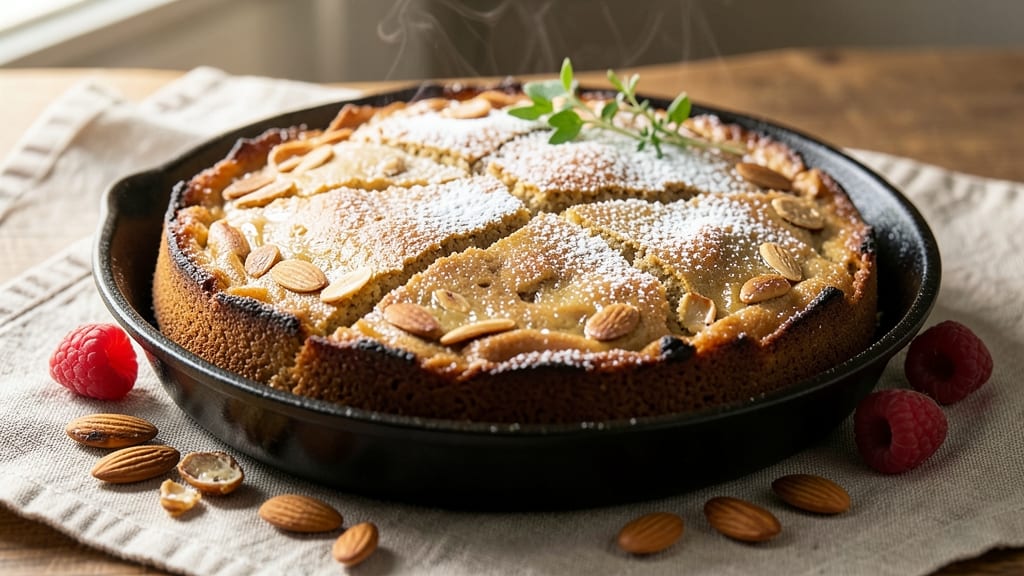
This almond skillet cake delivers the perfect balance of silky moistness and crispy edges, all in one golden-brown skillet. The secret lies in almond flour and extract, which infuse every bite with nutty warmth while keeping the texture tender. Baking in a cast-iron skillet creates that coveted caramelized crust, making it feel like a restaurant dessert with minimal effort.
The recipe combines simple pantry staples—like almond flour, eggs, and a touch of cinnamon—for a cake that’s rich yet not overly sweet. A quick prep time of 15 minutes and 30 minutes in the oven means you’ll have a warm, fragrant dessert ready when company arrives. The skillet’s natural heat distribution ensures even baking, so no dry edges or undercooked centers here.
What sets this apart is the dual texture: a crisp, golden crust that contrasts beautifully with the soft, cakey interior. The almond flavor shines through without being overpowering, making it a crowd-pleaser for both almond lovers and newcomers. Serve it warm with a dusting of powdered sugar or a drizzle of fruit compote for an extra touch of elegance.
This cake is also adaptable—swap regular milk for almond milk and flax eggs for a vegan-friendly version without sacrificing flavor. The skillet’s versatility means you can bake it on the stovetop or in the oven, giving you flexibility for any kitchen setup. Ready to impress with a dessert that’s as beautiful as it is delicious?
Ingredients for almond skillet cake
Simple pantry staples transform into a restaurant-worthy dessert with this almond skillet cake.
| Ingredient | Amount | Notes |
|---|---|---|
| Almond Flour 🌰 | 1 ½ cups | Finely ground, unsweetened preferred |
| Large Eggs 🥚 | 3 whole | Room temperature for even baking |
| Granulated Sugar 🍚 | ¾ cup | Light brown sugar for extra moisture |
| Unsalted Butter 🧈 | ½ cup | Cold, cubed for even distribution |
| Almond Extract 🌰 | 1 tsp | Pure, high-quality for authentic flavor |
| Vanilla Extract 🌿 | 1 tsp | Pure vanilla for depth of flavor |
| Ground Cinnamon 🌶️ | 1 tsp | Freshly ground for warmth |
| Salt 🧂 | ½ tsp | Fine sea salt for balance |
| Whole Milk 🥛 | ½ cup | Room temperature for smooth batter |
| Powdered Sugar 🍚 | ¼ cup | For dusting, sifted for even coverage |
| Cast-Iron Skillet 🍳 | 1 whole | 10-inch, well-seasoned for crisp edges |
The almond flour is the star here—Bob's Red Mill or Anthony's Goods brands are my go-to for consistency. If you can't find almond extract, amaretto works in a pinch, but it adds a subtle alcohol note. The butter should be cold to create that perfect crisp crust, so pull it from the fridge right before mixing. For extra richness, some bakers add a splash of heavy cream, but whole milk keeps it light and tender. The skillet? Preheat it in the oven first—this ensures even heat distribution and that coveted caramelized crust.
No almond flour? Substitute with 1 cup all-purpose flour plus 0.5 cup ground almonds, but texture will differ slightly. Short on almond extract? Maraschino cherries soaked in 1 tbsp water makes a decent stand-in. The vanilla can be swapped for vanilla bean paste if you're feeling fancy, but pure extract is classic. For a vegan version, replace eggs with 3 tbsp ground flaxseed mixed with 9 tbsp water, rested for 5 minutes. The powdered sugar dusting is optional but adds that final touch of elegance—sift it through a fine-mesh sieve for a flawless finish.
This cake keeps beautifully for 3 days at room temperature, wrapped in parchment. For longer storage, freeze portions for up to 3 months—thaw at room temperature before serving. The skillet itself can be reused immediately for another batch, but give it a quick wipe with a paper towel to prevent sticking. Leftovers? Slice and toast in the skillet for a warm, crispy treat—trust me, it's even better the second time around.
Why You'll Love This Recipe
- One-Bowl Wonder: I swear by this recipe when I’m too tired to measure three separate dry ingredients. Just toss almond flour, eggs, sugar, and butter into one bowl—no sifting, no fuss. The almond extract ties it all together with that just-right nutty warmth without overpowering.
- Rich Without Guilt: That buttery, golden crust with a tender crumb? It’s ridiculously satisfying, but here’s the twist: almond flour keeps it lighter than traditional cake. Honestly, I’ve had people ask if it’s gluten-free (it’s not, but it feels like it), and the sugar balances the almond’s natural bitterness beautifully.
- Breakfast or Dessert: Serve it warm with a dollop of whipped cream for a lazy Sunday brunch, or dust it with powdered sugar and call it a midnight snack. My kids request it after school—yes, after school—because it’s that good. The skillet version even reheats perfectly for grab-and-go mornings.
- Budget-Friendly Luxury: Almond flour can be pricey, but a little goes a long way here. One cake feeds four, and leftovers? I slice them into squares, freeze them, and toast them straight from frozen for a quick treat. It’s my go-to when I want to feel fancy without breaking the bank.
Step-by-step instructions for almond skillet cake
Here's how to create a perfectly balanced almond skillet cake with a crisp exterior and moist center.
Preheat and Prepare the Cast-Iron Skillet
Place the 10-inch cast-iron skillet in the oven and preheat to 375°F for 10 minutes. This step is crucial—it ensures the skillet is hot enough to create that signature crispy crust while preventing the cake from sticking. While it heats, position a rack in the lower third of the oven to create space for the cake to rise properly.
After preheating, carefully remove the skillet using oven mitts and immediately add 0.5 cup unsalted butter, cut into small cubes. Let the butter melt completely, coating the bottom and sides of the skillet evenly. This butter layer will contribute to both flavor and texture, creating a rich, golden crust that contrasts beautifully with the tender interior.
Whisk Wet Ingredients for a Smooth Batter
In a medium bowl, combine 3 whole large eggs, 0.75 cup granulated sugar, 1 tsp almond extract, 1 tsp vanilla extract, 0.5 cup whole milk, and 0.5 tsp salt. Whisk vigorously for 2-3 minutes until the mixture is pale, thickened, and nearly doubled in volume. You'll notice the batter becomes smooth and slightly ribbony when you lift the whisk—this indicates proper aeration, which is essential for that light, airy texture.
Here's the thing—don't rush this step. The eggs need to be fully incorporated and emulsified with the sugar to create the right structure. If you see any streaks of egg white or sugar grains, keep whisking. This is where the cake's moisture and tenderness come from, so take your time to get it right.
Gently Fold in Dry Ingredients
In a separate bowl, sift together 1.5 cups almond flour and 1 tsp ground cinnamon. Sifting prevents lumps and ensures even distribution of the cinnamon throughout the batter. Gradually add the dry mixture to the wet ingredients while gently folding with a rubber spatula, being careful not to overmix. You're looking for a smooth, thick batter with just a few small lumps remaining—this prevents the cake from becoming dense.
The batter should be thick enough to hold its shape when dropped from a spoon, but still pourable. If it's too thick, add 1 tablespoon whole milk at a time until you reach the right consistency. This step is all about balance—the almond flour can be dry, so the milk helps create that perfect moist yet sturdy texture we're after.
Bake Until Golden and Springy
Quickly pour the batter into the preheated skillet, spreading it evenly to the edges. Return the skillet to the oven and bake for 25-30 minutes. You'll know it's done when the top is deep golden brown and the edges are pulling away slightly from the skillet. For the final test, gently press the center with a finger—it should spring back with just a slight indentation, indicating perfect doneness.
Don't open the oven door during baking—this can cause the cake to sink. If you notice the edges browning too quickly, tent the skillet loosely with aluminum foil. The cake should have a beautiful contrast: crispy edges that give way to a moist, tender center with just a hint of almond flavor from the extract and flour.
Dust and Serve Warm
Remove the cake from the oven and let it cool in the skillet for 5 minutes. Then, dust the top generously with 0.25 cup powdered sugar using a fine-mesh sieve. This step adds that classic almond cake finish while keeping the texture light. Serve immediately while still warm—this is when the cake is at its most tender and flavorful.
The cake should be served in wedges directly from the skillet, allowing guests to experience that perfect contrast of crispy edges and moist interior with every bite. The warm spiced notes from the cinnamon and almond extract will linger beautifully, making this cake a showstopper for any dessert table.
Pro Tips For Making Almond Skillet Cake
- Preheat Skillet Properly: Get that cast iron or nonstick skillet screaming hot—think 375°F, no less—before adding butter. I learned this the hard way when my first batch stuck like glue because the pan wasn’t ready. A hot skillet = crispy edges, not a sad, flat cake.
- Whisk Eggs Until Ribbon-Thin: Don’t just crack and stir eggs—beat them until the mixture holds a slow ribbon when you lift the whisk. I used to rush this, and the cake turned dense. Five minutes of steady whisking makes all the difference for that tender crumb.
- Measure Almond Flour Right: Spoon it, don’t scoop—almond flour packs tightly, and overdoing it dries out the cake. Use a kitchen scale if you’re serious, or at least fluff the bag before measuring. Trust me, your cake will thank you.
- Butter the Skillet Twice: Melt butter first, then brush it in before baking, and again right after flipping. The first coat prevents sticking; the second seals in moisture. Yes, it’s extra work, but it’s the thing that keeps the cake from turning into a dry pancake.
Troubleshooting your almond skillet cake
Cake Too Dense
Overmixing the batter is the #1 cause of dense almond skillet cake. Stop folding once you see a few small lumps remain—this prevents gluten development in the almond flour. If your batter feels too thick, add 1 tablespoon milk at a time until it reaches a thick but pourable consistency. Also, ensure your almond flour is finely ground—coarse flour can create a gritty texture. 🌰
Edges Burning Too Fast
If the edges brown too quickly while the center stays undercooked, try tenting the skillet loosely with aluminum foil after 15 minutes in the oven. This allows heat to circulate while protecting delicate edges. Another trick? Reduce your oven temperature by 25°F (to 350°F) and add 5 minutes to your baking time. The cake will cook more evenly without burning.
Cake Sticking to Skillet
Skillet cake often sticks when the butter isn't melted enough or the skillet isn't properly preheated. Always preheat your 10-inch cast-iron skillet at 375°F for 10 minutes before adding butter. Let the butter melt completely and coat the entire skillet before pouring the batter. For extra insurance, lightly grease the skillet again with butter or nonstick spray after melting the initial batch.
No Rise or Flat Top
A flat cake usually means the oven wasn't hot enough or the batter lacked proper aeration. First, verify your oven temperature with an oven thermometer—many home ovens run 25-50°F too cool. Second, whisk your egg mixture until it's pale and slightly thickened (about 2-3 minutes). If you're still having issues, try adding ½ teaspoon baking powder to the dry ingredients for extra lift.
Dry or Crumbly Texture
Almond flour absorbs moisture quickly, so underbaking or using too much flour can result in dryness. Bake until the center springs back when pressed (203°F internal temp), and never overbake. For extra moisture, replace 2 tablespoons milk with heavy cream or add 1 tablespoon almond butter to the batter. Also, store your cake in an airtight container to retain moisture.
Uneven Baking
Hot spots in your oven can cause uneven baking. Rotate the skillet halfway through baking (after 15 minutes) to ensure even heat distribution. If your oven has hot spots, consider using the middle rack instead of the lower third. For extra insurance, bake the cake on a preheated baking sheet placed on the lower rack to reflect heat upward more evenly. ✨
Nutrition facts
Frequently asked questions
Can I make this almond skillet cake without almond flour?
Yes! You can substitute 1 cup all-purpose flour plus 0.5 cup ground almonds for the almond flour, though the texture will be slightly denser. For a closer match, use 1 cup gluten-free 1:1 baking flour and add 0.25 tsp xanthan gum to maintain structure. The almond flavor will be less pronounced but still delicious.
How do I know when the cake is fully baked?
The cake is done when the top is deep golden brown and a toothpick inserted in the center comes out with a few moist crumbs but no wet batter. Press the center gently—it should spring back with just a slight indentation. Baking times vary by oven, so check after 25 minutes and adjust as needed.
Can I use a different skillet besides cast iron?
While cast iron creates the best crispy edges, you can use an oven-safe ceramic or stainless steel skillet in a pinch. Preheat it for 10 minutes at 375°F and grease it well with butter or nonstick spray. The texture won't be as crispy, but it'll still be delicious. For a stovetop option, use a heavy-bottomed pan and finish baking in the oven.
What's the best way to store leftovers?
Keep the cake in an airtight container at room temperature for up to 3 days. For longer storage, wrap slices individually in plastic wrap and freeze for up to 3 months. Thaw at room temperature before serving. To revive stale pieces, warm them in the skillet over low heat for 2-3 minutes—they'll taste almost as good as fresh!
How can I make this cake vegan?
Replace the 3 eggs with 3 tbsp ground flaxseed mixed with 9 tbsp water, let it rest for 5 minutes to thicken. Use almond milk instead of whole milk and vegan butter for the skillet. The texture will be slightly denser but still moist. Add ½ tsp baking powder to help with rise. The almond flavor remains the star!