
Desserts
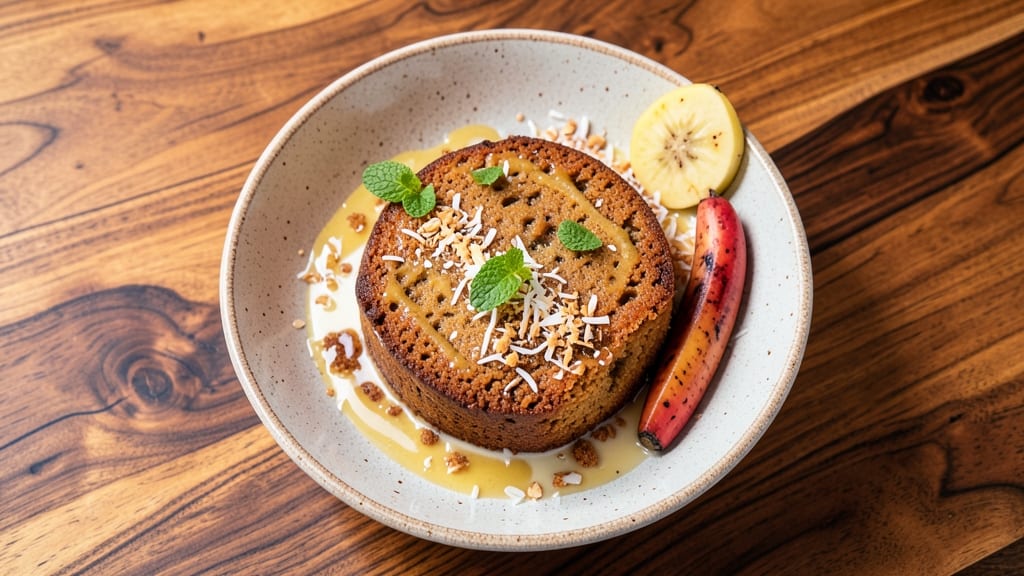
This banana cake with coconut milk delivers the perfect balance of tropical moisture and tender crumb—no dry edges in sight. The secret lies in replacing traditional dairy with rich coconut milk, which keeps every bite deliciously soft while adding a subtle sweetness that complements the ripe bananas. I developed this recipe after struggling with dense banana cakes that turned out gummy or crumbly, and this version guarantees a light, airy texture that’s impossible to resist.
The beauty of this recipe is its simplicity: just a handful of ingredients, a single bowl, and 30 minutes of active time before popping it into a 350°F oven. The coconut milk not only enhances moisture but also introduces a hint of tropical flavor that pairs beautifully with the natural sweetness of bananas. For an extra touch, I recommend finishing with toasted coconut flakes or a drizzle of caramel for contrast.
What makes this cake stand out is its foolproof technique—no fancy equipment or complicated steps. The coconut milk creates a tender crumb while keeping the cake rich and flavorful, and the bananas add natural sweetness without needing extra sugar. Whether you're baking for a special occasion or a simple dessert craving, this recipe delivers restaurant-quality results with minimal effort.
For those looking to adapt this into a vegan version, flax eggs and coconut yogurt work beautifully while maintaining the same moist texture. The cake serves well at room temperature or chilled, making it perfect for meal prep or last-minute gatherings. Let’s get baking!
Ingredients for banana cake with coconut milk
A tropical twist on classic banana cake with coconut milk for unmatched moisture and flavor.
| Ingredient | Amount | Notes |
|---|---|---|
| Ripe Bananas 🍌 | 2 cups | Mashed, about 3 medium bananas |
| Full-Fat Coconut Milk 🥥 | 1 can | 13.5 oz can, well-shaken |
| All-Purpose Flour 🌾 | 2 cups | Sifted for lighter texture |
| Granulated Sugar 🍚 | 1 cup | Light brown preferred |
| Extra-Virgin Olive Oil 🫒 | ¾ cup | For moisture and richness |
| Baking Soda 🧂 | 1 tsp | Pure, not baking powder |
| Salt 🧂 | ½ tsp | Fine sea salt preferred |
| Vanilla Extract 🌿 | 2 tsp | Pure, high-quality |
| Unsweetened Shredded Coconut 🥥 | ½ cup | Toasted for enhanced flavor |
| Coconut Flakes 🥥 | ¼ cup | For garnish, toasted |
| Large Eggs 🥚 | 2 whole | Room temperature preferred |
| Cream of Tartar 🧂 | ¼ tsp | For stable egg whites |
| Almond Extract 🌿 | ½ tsp | Optional, for depth |
The bananas are the foundation—choose overripe ones with brown spots for maximum sweetness and natural moisture. Trader Joe's or Whole Foods often carry perfectly ripe bananas, or look for those at the back of the produce section. The coconut milk should be full-fat for richness; brands like Aroy-D or Thai Kitchen work perfectly. Shake the can vigorously before measuring to ensure the cream is well-incorporated. For the shredded coconut, unsweetened is key—sweetened versions can make the cake too cloying. Toast your coconut flakes separately for garnish to enhance their nutty flavor.
No ripe bananas? Unripe bananas baked at 300°F for 20 minutes soften them perfectly. Substituting coconut milk? Full-fat Greek yogurt works in a pinch, though the flavor won't be identical. Running low on vanilla? Almond extract at half the amount adds depth without overpowering. The baking soda and cream of tartar combo ensures a light, airy crumb—don't skip the cream of tartar if you want that professional texture. For a vegan version, replace the eggs with 2 flax eggs (2 tbsp ground flaxseed + 6 tbsp water) and use coconut yogurt instead of coconut milk.
Store leftovers in an airtight container for up to 4 days at room temperature or 7 days refrigerated. The cake freezes beautifully for up to 3 months—wrap tightly in plastic wrap and foil. For best results, bring frozen slices to room temperature before serving. The toasted coconut flakes on top stay crisp for 24 hours, so add them fresh if you're serving the cake later. This cake also reheats wonderfully—30 seconds in the microwave restores moisture without drying it out.
Why You'll Love This Recipe
- No Mash Required: I swear by this trick—just smash the bananas with a fork right in the bowl. No food processor, no sticky mess, and the texture stays perfectly moist. That coconut milk? It blends right in without a fight.
- Tropical Twist: The full-fat coconut milk adds this rich, buttery depth that’s not cakey or dry. It’s like a hug for your taste buds—creamy, slightly sweet, and with that warm coconut aroma that lingers. (Yes, even if you’re not a coconut fan, you’ll eat seconds.)
- Breakfast or Dessert: Honestly, I make this for both. Serve it warm with a drizzle of honey for a lazy morning, or chill it overnight for a no-fuss dessert. The olive oil keeps it tender, so it doesn’t crumble when you cut into it—perfect for grab-and-go slices.
- Leftovers That Last: This cake stays fresh for days, and honestly? It’s even better the next day. The coconut milk prevents it from drying out, and I’ve packed it in lunches without a single complaint. Plus, the ingredients are cheap—ripe bananas, flour, sugar—so it’s my go-to when I’m pinching pennies.
Step-by-step instructions for banana cake with coconut milk
Here's the method for a cake that stays moist for days without turning gummy or crumbly.
Prepare the Banana-Coconut Base
In a large mixing bowl, combine the 2 cups ripe bananas with the 1 can full-fat coconut milk. Mash the bananas thoroughly with a fork until completely smooth, then whisk in the coconut milk until fully incorporated. The mixture should be creamy and homogeneous—this ensures even distribution of moisture throughout the cake.
In a separate bowl, whisk together the 2 cups all-purpose flour, 1 cup granulated sugar, 1 tsp baking soda, and 0.5 tsp salt. Sift the dry ingredients through a fine-mesh sieve directly into the bowl to eliminate any lumps. This step is critical for achieving a tender crumb rather than a dense one. Set the dry mixture aside for now.
Incorporate Wet Ingredients and Egg Whites
To the banana-coconut mixture, add the 0.75 cup extra-virgin olive oil, 2 tsp vanilla extract, and 0.5 tsp almond extract. Whisk vigorously until the oil is fully emulsified and the mixture is smooth. The olive oil provides rich moisture while the extracts add depth of flavor that complements the tropical coconut notes.
In a separate, grease-free bowl, beat the 2 whole large eggs until frothy. Add the 0.25 tsp cream of tartar and continue beating until soft peaks form. This stabilized egg white mixture will be folded into the batter later to create a lighter texture. Gently fold one-third of the dry ingredients into the wet mixture to lighten it before combining everything.
Combine and Fold for Perfect Texture
Gradually add the remaining dry ingredients to the wet mixture while folding gently with a spatula. Stop mixing as soon as the flour is just combined—overmixing develops gluten and leads to a tough cake. The batter should be thick but pourable. Fold in the 0.5 cup unsweetened shredded coconut and 0.25 cup coconut flakes, reserving a small amount for garnish.
This folding technique ensures the coconut is evenly distributed without breaking the delicate air pockets created by the egg whites. The result is a cake with pockets of coconut throughout rather than concentrated in one area.
Bake to Golden Perfection
Preheat your oven to 350°F and grease two 9-inch round cake pans or one 9x13-inch baking pan. Line the bottoms with parchment paper for easy removal. Divide the batter evenly between the prepared pans. The batter should fill the pans about two-thirds full—it will rise significantly during baking.
Bake for 30-35 minutes or until a toothpick inserted into the center emerges clean. The edges should be golden brown while the top may have a slightly domed appearance. For even baking, rotate the pans halfway through the baking time if using round pans. The coconut milk and olive oil combination ensures moisture retention, so don't overbake—this is key to maintaining that promised moist texture.
Cool and Serve with Tropical Garnish
Allow the cake to cool in the pans for 10 minutes, then transfer to a wire rack to cool completely. The internal temperature should drop to 100°F before slicing. This gradual cooling prevents the cake from becoming gummy in the center while maintaining its moistness.
Once cooled, dust the top with powdered sugar if desired and sprinkle with the reserved coconut flakes for added texture and presentation. Serve slices warm or at room temperature with a dollop of whipped coconut cream for an authentic tropical experience. The almond extract adds subtle depth, while the coconut milk ensures each bite remains moist for hours after baking.
Pro Tips For Making Banana Cake With Coconut Milk
- Mash Bananas Thoroughly: I learned this the hard way—lumpy banana batter means dense cake. Use a fork first to break them up, then press through a fine-mesh sieve if you’re impatient. No blender? A potato masher works, but put in the elbow grease.
- Use Warm Coconut Milk: Cold coconut milk separates like a bad relationship when mixed with flour. Warm the can in hot water for 2 minutes first—just enough to make it puddle easily. Your batter will be smoother, and the cake stays moist longer.
- Don’t Overmix the Batter: After 3 burnt banana cakes, I finally stopped beating the batter like I was punishing it. Mix just until the flour disappears—about 20 seconds. Overmixing develops gluten, and this cake’s magic is in its tender crumb.
- Grease with Olive Oil: Yes, even though coconut milk is already rich. Brush the pan with extra-virgin olive oil before adding batter—it prevents sticking and adds a subtle depth. Skip the butter here; it can make the cake taste too heavy.
Pro cooking tips for this recipe
Banana Ripeness Matters
Use overripe bananas with brown spots—they’re sweeter and creamier, reducing the need for extra sugar. I always check for blackened tips and slightly soft centers. If your bananas aren’t ripe enough, bake them at 300°F for 20 minutes to soften them first. The natural sweetness from ripe bananas balances the coconut milk’s richness perfectly. 🍌
Coconut Milk Whisking
Shake the coconut milk can vigorously before measuring to blend the cream and liquid properly. The thicker the coconut milk, the more moist your cake will be. I prefer full-fat brands like Aroy-D or Thai Kitchen—they add richness without making the cake greasy. For a lighter texture, whisk the coconut milk into the mashed bananas until completely smooth before adding other ingredients.
Baking Soda Activation
The baking soda needs an acidic partner to activate properly. The bananas provide just enough acidity, but if your bananas are very neutral, add ½ tsp lemon juice to the wet ingredients. This ensures a proper rise and tender crumb. I’ve found that sifting the baking soda with the flour prevents clumping and guarantees even distribution throughout the batter.
Olive Oil Emulsification
Whisk the extra-virgin olive oil into the banana-coconut mixture until fully emulsified—this prevents greasy pockets in the cake. I use a hand mixer on low speed for 30 seconds to blend it smoothly. The oil adds moisture and richness that complements the coconut flavor beautifully. For a lighter texture, fold in the egg whites at the end rather than mixing them in early.
Folding Technique
When combining wet and dry ingredients, fold gently with a spatula to maintain air pockets created by the egg whites. Overmixing develops gluten, leading to a tough cake. I stop mixing as soon as the flour is just combined—this keeps the texture light and airy. The unsweetened shredded coconut should be folded in last to preserve its texture and distribute it evenly throughout the batter.
Oven Temperature Control
Preheat your oven to 350°F and avoid opening the door during the first 20 minutes of baking to maintain consistent heat. The coconut milk and olive oil combination makes this cake prone to drying out if overbaked. I test doneness with a toothpick—it should come out with a few moist crumbs, not wet batter. The cake’s domed top is normal and indicates proper rising. ✨
Nutrition facts
Frequently asked questions
Why does this banana cake stay moist longer than regular banana cake?
The coconut milk and olive oil create a moisture barrier that keeps the cake tender for days. Unlike traditional dairy-based cakes, coconut milk adds healthy fats that slow moisture evaporation. The egg whites folded in last also help maintain a light, airy structure that stays soft longer.
Can I substitute coconut milk with regular milk or yogurt?
While you can use regular milk, the texture won't be as rich or moist. For best results, try full-fat Greek yogurt (1:1 ratio) or almond milk with 1 tbsp coconut cream added per cup. The coconut flavor will be milder, but the cake will still be tender. For tropical flavor, coconut yogurt works beautifully too!
How do I make this cake vegan?
Replace the eggs with 2 flax eggs (2 tbsp ground flaxseed + 6 tbsp water) and use coconut yogurt instead of coconut milk. The cream of tartar isn't needed in vegan versions. For extra richness, add 1 tbsp melted coconut oil to the batter. The texture remains moist and delicious while keeping it plant-based.
What's the best way to store banana cake with coconut milk?
Keep leftovers in an airtight container at room temperature for up to 4 days, or refrigerate for 7 days. For longer storage, freeze slices wrapped tightly in plastic for up to 3 months. To revive, microwave for 10-15 seconds or warm in a 300°F oven for 5 minutes. The coconut flakes stay crisp for 24 hours if added fresh before serving.
Can I add chocolate chips to this recipe?
Fold in 1 cup of chocolate chips or chopped dark chocolate when adding the shredded coconut. For best results, use dairy-free chocolate if making a vegan version. The chocolate pairs beautifully with the tropical coconut flavor while adding rich contrast. Just reduce the sugar by 1 tbsp if using very sweet chocolate.