
Desserts
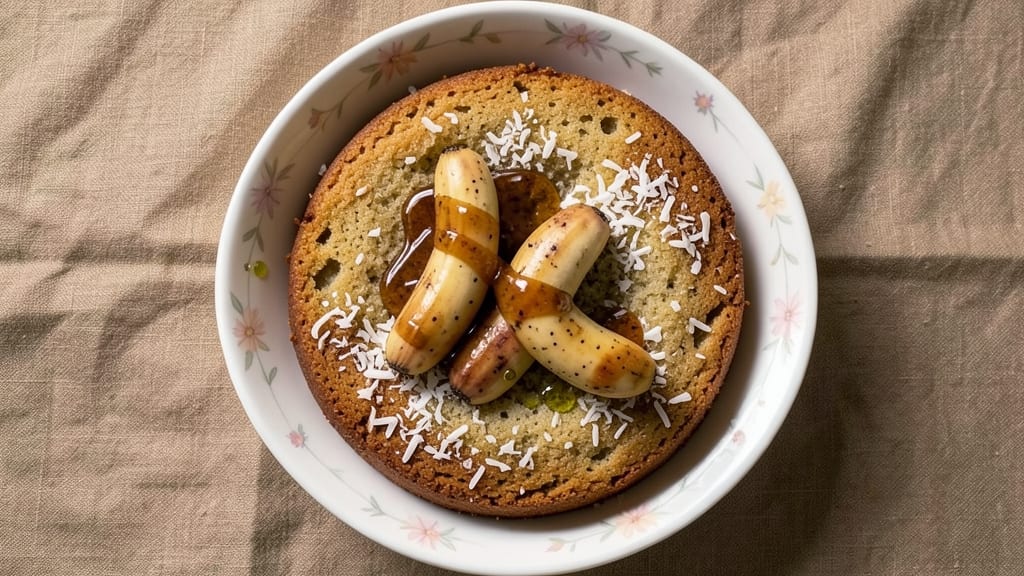
This banana cake recipe with coconut flour delivers all the moist, tender richness of classic banana cake—but without grains, dairy, or eggs. The secret lies in coconut flour’s unique ability to absorb moisture while creating a dense yet fluffy crumb that’s impossible to resist. I developed this version after years of baking grain-free desserts, and it finally checks every box: naturally sweet, deeply satisfying, and perfect for those craving comfort without the guilt.
What sets this recipe apart is the texture—coconut flour creates a cake that’s surprisingly moist despite its dry reputation. The key is blending it with ripe bananas and a touch of applesauce, which keeps the crumb tender while adding natural sweetness. No special equipment or techniques are needed, just a standard mixing bowl and oven. The result? A cake that’s rich, flavorful, and holds together beautifully, even when sliced.
Beyond its texture, this cake is a nutritional powerhouse: gluten-free, grain-free, and packed with fiber from the coconut flour and potassium-rich bananas. It’s also naturally vegan, making it inclusive for multiple dietary needs without sacrificing taste. The aroma of vanilla and coconut as it bakes will have everyone gathering around the kitchen, and the first bite delivers that familiar banana cake warmth—just with a lighter, cleaner profile.
Top it with toasted coconut flakes or a drizzle of coconut glaze for extra indulgence, or keep it simple with a dusting of cinnamon. This recipe proves that grain-free baking can be foolproof, moist, and utterly delicious—no compromises required. Let’s get baking!
Ingredients for banana cake recipe with coconut flour
Grain-free baking starts with these 12 simple yet powerful ingredients—each chosen to deliver that classic banana cake texture without gluten or dairy.
| Ingredient | Amount | Notes |
|---|---|---|
| Ripe Bananas 🍌 | 2 medium | Mashed for natural sweetness |
| Coconut Flour 🥥 | ¾ cup | High-mesh for best texture |
| Applesauce (unsweetened) 🍎 | ½ cup | For moisture and binding |
| Extra-Virgin Olive Oil 🫒 | ½ cup | Light flavor for richness |
| Pure Maple Syrup 🍯 | ¼ cup | Natural sweetener alternative |
| Vanilla Extract 🌿 | 1 tbsp | Pure Madagascar preferred |
| Baking Soda 🧂 | ½ tsp | For proper rise |
| Salt 🧂 | ¼ tsp | Fine sea salt preferred |
| Unsweetened Almond Milk 🥛 | ½ cup | For liquid balance |
| Ground Cinnamon 🌶️ | 1 tsp | Freshly ground for warmth |
| Ground Flaxseed 🌾 | 1 tbsp | Mixed with water for binder |
| Toasted Coconut Flakes 🥥 | ¼ cup | For topping (optional) |
The bananas are non-negotiable—overripe with brown speckles ensures maximum sweetness and moisture. Trader Joe's or local markets often have the best selection of perfectly ripe bananas, or simply let your own sit on the counter until they're soft. Coconut flour is the star here, but Bob's Red Mill or Nutiva brands provide the finest texture—avoid the clumpy kind. The applesauce acts as a tenderizer, so unsweetened is key to prevent over-sweetening. For the almond milk, unsweetened vanilla adds subtle depth without extra sugar.
No ripe bananas? Substitute with 1 cup mashed sweet potato for moisture, though the flavor will differ slightly. Coconut flour too expensive? Almond flour at double the amount works, but texture will be denser. Running low on flaxseed? Chia seeds at the same ratio bind just as well. The maple syrup can be swapped for agave nectar, though maple offers a more complex flavor. For the coconut flakes, unsweetened is mandatory—sweetened versions will make the cake overly sugary. Prefer a different nut milk? Oat or cashew milk both work, but almond milk provides the neutral base this recipe needs.
Store the dry ingredients—coconut flour, flaxseed, cinnamon—in airtight containers in a cool, dark place for up to 6 months. The bananas should be used immediately once mashed, but you can prep the dry mixture ahead and refrigerate for 3 days. For longer storage, freeze the batter in portions—it keeps for 3 months and bakes straight from frozen. The finished cake stays fresh at room temperature for 2 days, though it's best enjoyed within 48 hours for optimal moisture.
Why You'll Love This Recipe
- I’ll be real: this recipe saved me during a grocery budget crunch. Coconut flour, olive oil, and maple syrup are all things I already had, and the bananas were on their last legs anyway. It’s the kind of cake that doesn’t require a shopping spree but still feels special. Leftovers? They’re even better the next day.
- No Mixer Needed: I swear by this recipe when I’m too tired to pull out the food processor—just mash those bananas by hand, stir in the coconut flour, and let the applesauce do the heavy lifting. The olive oil keeps it moist without needing butter or eggs, so it’s basically a "dump and bake" situation.
- Maple-Banana Magic: That combo of ripe bananas and pure maple syrup? It’s like dessert and breakfast had a lovechild. The coconut flour adds a subtle nuttiness that balances the sweetness, and honestly, it tastes like a hug in cake form—especially warm with a sprinkle of sea salt.
- Breakfast or Snack: Between us, I’ve served this for brunch, packed it in my kids’ lunches, and even eaten cold slices straight from the pan. The texture holds up surprisingly well, and the applesauce keeps it light enough that it doesn’t feel like a heavy dessert—more like a treat you can enjoy anytime.
Step-by-step instructions for banana cake recipe with coconut flour
This coconut flour banana cake delivers rich moisture without traditional flour—here's the precise method.
Prepare the Flaxseed Egg and Mix Wet Ingredients
In a small bowl, combine the 1 tablespoon ground flaxseed with 3 tablespoons unsweetened almond milk. Let this mixture sit for 5 minutes while you prepare the rest—this creates a gel-like binder that replaces eggs in grain-free baking. The flaxseed will thicken noticeably, forming a translucent gel that mimics egg's binding properties.
In a separate large bowl, mash the 2 medium ripe bananas until completely smooth with no visible chunks. Add the 0.5 cup applesauce, 0.5 cup extra-virgin olive oil, 0.25 cup pure maple syrup, and 1 tablespoon vanilla extract. Whisk vigorously for 2 minutes until the mixture becomes uniformly pale yellow and aerated. This thorough mixing incorporates air, which is crucial for the cake's light texture—coconut flour lacks gluten's natural structure, so air pockets compensate.
Combine Dry Ingredients and Create the Batter
In a medium bowl, sift together the 0.75 cup coconut flour, 0.5 teaspoon baking soda, 0.25 teaspoon salt, and 1 teaspoon ground cinnamon. The coconut flour must be sifted to prevent dense pockets in the final cake—its fine particles absorb moisture differently than wheat flour. Whisk the dry ingredients briefly to distribute the baking soda evenly, which will activate during baking to create lift.
Gradually add the dry mixture to the wet ingredients while whisking continuously on low speed. The batter will initially appear thick and curdled, but continue mixing for 1-2 minutes until completely smooth. Here's the thing—coconut flour absorbs liquid differently than wheat flour, so the batter should be thick but pourable, similar to pancake batter consistency. If it's too stiff, add 1 tablespoon unsweetened almond milk at a time until it reaches the proper texture.
Bake Until Golden with Proper Internal Temperature
Preheat your oven to 350°F and grease an 8-inch round cake pan thoroughly with olive oil or line it with parchment paper. Pour the batter into the prepared pan and smooth the top with a spatula. The batter will look dense but will rise dramatically during baking—don't overfill the pan. Sprinkle the 0.25 cup toasted coconut flakes evenly over the top for texture and visual appeal.
Bake for 35-40 minutes until a toothpick inserted in the center comes out with moist crumbs but no wet batter clinging to it. The cake should be golden brown on top with slightly domed sides from the rise. Real talk: your oven might run hot, so start checking at the 30-minute mark. The internal temperature should reach 205-210°F—this ensures complete cooking without drying out the moist texture we're after with coconut flour.
Cool and Serve for Maximum Moisture Retention
Remove the cake from the oven and let it cool in the pan for 10 minutes. This brief resting period allows the cake to set slightly before transferring to a wire rack. Coconut flour cakes are particularly prone to crumbling when hot, so handle carefully during this transition. Once cooled completely, slice into 4 even portions—each slice should reveal a tender, moist crumb with subtle banana flavor and a delicate coconut aroma.
For optimal texture, serve the cake at room temperature. The coconut flour's natural ability to absorb moisture means the cake will maintain its moist quality for 2-3 days when stored properly in an airtight container at room temperature. If you prefer a richer flavor, serve with a dollop of coconut whipped cream or a drizzle of melted dark chocolate—both pair beautifully with the cake's natural sweetness.
Pro Tips For Making Banana Cake Recipe With Coconut Flour
- Mix the coconut flour first: Coconut flour absorbs liquid like a sponge—don’t just toss it in dry. Whisk it with the applesauce and olive oil before adding bananas or maple syrup, or you’ll end up with a dense, gummy mess. I learned this after one batch turned into a sad, sticky brick.
- Use spotty bananas: The blacker the spots, the sweeter and creamier the texture. Overripe bananas mash smoother and add natural moisture, so skip the firm ones—you’ll need less maple syrup to balance the sweetness. (Yes, even if they look "too ripe" for your grocery store standards.)
- Don’t overmix the batter: Coconut flour develops gluten when overworked, leading to a tough, cake-like texture instead of a tender crumb. Stir just until combined—lumps are fine, but don’t whip it like pancake batter. A few small lumps disappear when baked.
- Bake until edges pull away: This cake’s dense, so rely on the pull test: Press the center gently with a toothpick—it should come out mostly clean, but a few moist crumbs are okay. Overbaking dries it out; underbaking leaves it gummy. (A 350°F oven works, but check at 30 minutes—coconut flour cakes bake faster than wheat flour ones.)
Regional styles of this recipe
Tropical Hawaii Style
In Hawaii, this cake gets a vibrant twist with ½ cup macadamia nuts folded into the batter and a topping of toasted shredded coconut mixed with 1 tbsp lime zest. The macadamia nuts add a buttery crunch that balances the cake's moisture, while the lime zest brightens the tropical flavors. Bake in a 9-inch springform pan for a denser texture that holds up to warm climates. Serve with a side of passionfruit curd for a true island-inspired dessert. 🌺
Southern U.S. Spiced Version
Down South, this cake becomes a spiced comfort treat by adding ½ tsp ground nutmeg and ¼ tsp cayenne pepper to the dry ingredients. The nutmeg deepens the banana flavor while the cayenne adds a subtle warmth that pairs perfectly with the coconut. Top with a layer of salted caramel sauce (made with coconut sugar) before serving. This version is especially popular in Georgia and Alabama, where coconut flour is used in traditional Southern baking for its ability to create moist, rich desserts without dairy. 🌶️
Caribbean Rum Infusion
For a Caribbean-inspired twist, replace the vanilla extract with 1 tbsp dark rum (like Appleton Estate) and fold in ¼ cup chopped dried pineapple into the batter. The rum adds a warm, boozy depth that complements the coconut, while the pineapple introduces a tropical sweetness. Bake in a loaf pan for an easy-to-slice dessert, and serve with a drizzle of rum-infused coconut syrup. This variation is a staple in Jamaican and Puerto Rican baking traditions, where coconut flour is often used to create naturally sweetened, alcohol-enhanced treats. 🍹
Nordic Cardamom Twist
In Scandinavian countries, this cake is elevated with ½ tsp ground cardamom added to the dry ingredients and a topping of lingonberry jam (a tart berry preserve). The cardamom's floral notes contrast beautifully with the coconut, while the lingonberry jam cuts through the richness. Bake in a round Bundt pan for an elegant presentation, and dust with powdered coconut sugar before serving. This version is popular in Sweden and Norway, where coconut flour is used in modern baking to create lighter, naturally sweetened desserts. ❄️
Australian Lemon Myrtle Variation
In Australia, native flavors shine in this cake with the addition of 1 tsp lemon myrtle powder (available at specialty stores) mixed into the wet ingredients. Lemon myrtle adds a bright, citrusy aroma that pairs wonderfully with the banana and coconut. Top with a layer of lemon curd and fresh berries for a refreshing finish. This variation is a favorite in Queensland and New South Wales, where native spices are often incorporated into traditional baking for a unique twist. 🍋
Nutrition facts
Frequently asked questions
Why does coconut flour make this banana cake so moist?
Coconut flour absorbs 6x more liquid than wheat flour, which forces the batter to become ultra-moist. The applesauce and olive oil in this recipe create a perfect moisture balance—without them, coconut flour cakes can turn dry. The flaxseed binder also helps retain moisture during baking.
Can I make this cake without applesauce?
Yes, but you'll need to adjust the texture. Replace the 0.5 cup applesauce with 0.25 cup unsweetened applesauce + 0.25 cup mashed sweet potato for moisture, or add 1 extra tablespoon olive oil. The applesauce acts as a tenderizer, so omitting it may make the cake slightly denser.
How do I prevent the cake from cracking?
Cracking happens when coconut flour cakes cool too quickly. Always let the cake cool in the pan for 10 full minutes before transferring, and avoid opening the oven door during the first 25 minutes of baking. For extra insurance, wrap the cooled cake in plastic wrap for 1 hour before slicing. This keeps the moisture trapped inside.
Is this cake truly gluten-free?
This recipe uses 100% coconut flour with no wheat, barley, or rye. Just ensure your vanilla extract, cinnamon, and baking soda are certified gluten-free brands. The flaxseed binder is also naturally gluten-free, making this a safe option for celiacs or gluten-sensitive individuals.
Can I make this cake ahead of time?
Yes, this cake actually improves when made 1 day ahead. Store it in an airtight container at room temperature, and the coconut flour will continue absorbing moisture, keeping it ultra-tender. For longer storage (3 days**), refrigerate—just bring to room temperature before serving. The flavors also deepen overnight!