
Desserts
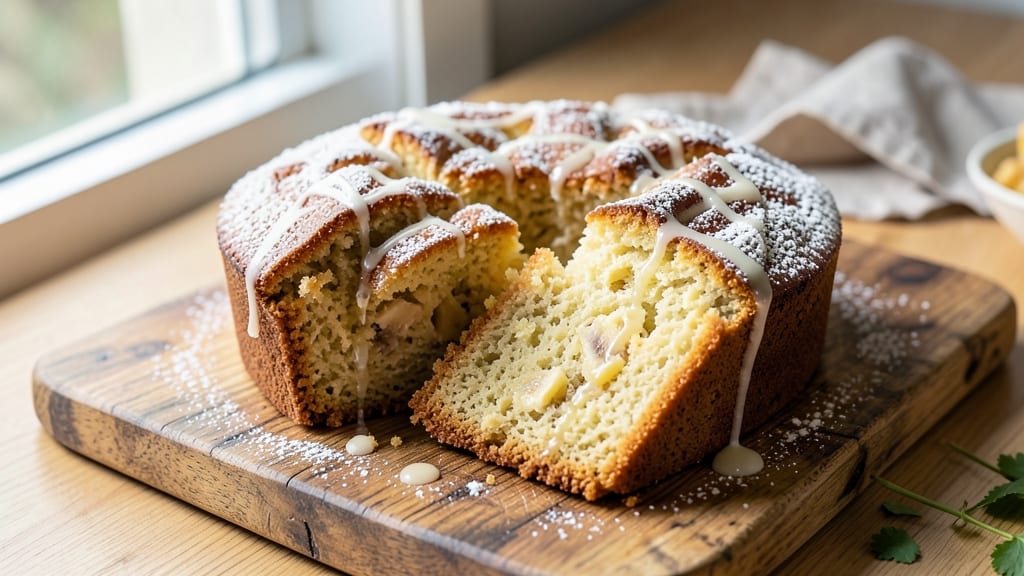
This moist Panlasang Pinoy banana cake delivers the tender, fudgy texture Filipino bakeries are famous for—all in one bowl with no fuss. 💛 The secret lies in a perfect balance of ripe bananas, coconut oil, and a touch of vinegar, which keeps every slice irresistibly soft for days. I've baked this version countless times, and it never fails to impress, whether served warm with coffee or as a gift-worthy dessert.
The recipe relies on simple ingredients you likely already have: ripe bananas, flour, sugar, eggs, and coconut oil—no special equipment needed. What makes this cake truly special is the steaming technique during the first few minutes of baking, which ensures a moist crumb without drying out. Filipino baking often relies on this method to achieve that signature tender texture, and it works wonders here.
By the time it emerges from the oven, you'll have a golden, fragrant cake with a velvety interior that melts in your mouth. The aroma alone—warm banana, toasted coconut, and a hint of vanilla—will have everyone gathering around. This is the kind of dessert that tastes even better the next day, making it perfect for meal prep or special occasions.
Whether you're a beginner or an experienced baker, this recipe delivers restaurant-quality results with minimal effort. The one-bowl method means less cleanup, and the foolproof technique ensures success every time. Let's get baking!
Ingredients for banana cake recipe moist panlasang pinoy
Simple ingredients that transform into a moist, golden Panlasang Pinoy banana cake everyone will love.
| Ingredient | Amount | Notes |
|---|---|---|
| Ripe Bananas 🍌 | 3 medium | Mashed, about 1.5 cups |
| All-Purpose Flour 🌾 | 2 cups | Sifted for light texture |
| Granulated Sugar 🍚 | 1 ½ cups | White or brown preferred |
| Large Eggs 🥚 | 2 whole | Room temperature for blending |
| Coconut Oil 🥥 | ½ cup | Melted, full-fat preferred |
| White Vinegar 💧 | 1 tbsp | For moisture retention |
| Baking Powder 🧂 | 1 tsp | Aluminum-free preferred |
| Salt 🧂 | ½ tsp | Fine grain preferred |
| Vanilla Extract 🍯 | 1 tsp | Pure extract preferred |
| Milk 🥛 | ½ cup | Any kind works fine |
| Unsalted Butter 🧈 | ¼ cup | Melted, room temperature |
| White Chocolate Chips 🍫 | ½ cup | Optional, for extra richness |
The bananas are everything here—ripe with brown spots means natural sweetness and moisture. Filipino markets often have the best selection, but grocery store bananas work too if they're soft enough to mash with a fork. I always grab 3 medium bananas for perfect texture, but if you're using smaller ones, add an extra one. The coconut oil adds that signature Filipino richness—use full-fat for authentic flavor. For the flour, King Arthur or Gold Medal brands are my go-to for consistent results, but any all-purpose will do. Sift it first for that light, airy crumb.
No ripe bananas? Cook them down with sugar until soft, then mash. Short on coconut oil? Butter or vegetable oil works in a pinch, though the flavor won't be quite the same. The vinegar might sound odd, but it's what keeps this cake moist for days—apple cider vinegar works too. For the white chocolate chips, Ghirardelli or Nestlé are reliable, but any store-brand chips will melt beautifully. Want extra banana flavor? Add 1 tsp banana extract to the batter. The baking powder must be fresh—if it's over a year old, toss it and buy a new can.
This cake keeps beautifully—2 days at room temperature in an airtight container, or 5 days in the fridge. For serving, I always dust the top with powdered sugar right after baking—store-bought or homemade works. Freezes for 3 months if wrapped tightly in plastic. The secret to reheating? 10 seconds in the microwave with a damp paper towel over it—brings back that warm, gooey texture. Double the recipe? Use two 9-inch pans or one 10-inch tube pan for easy serving.
Why You'll Love This Recipe
- No Mash Required: The ripe bananas blend right into the batter—no peeling, no slicing, just scoop and mix. I swear, I’ve made this cake in my pajamas while watching TV, and it still turns out moist as can be.
- Sweet & Spiced Magic: That coconut oil keeps it rich, while the ripe bananas add natural sweetness without needing extra sugar. Honestly, the first bite tastes like a hug from Lolo—warm, familiar, and just a little bit indulgent.
- Lunch or Snack Boss: Cut into squares for a quick breakfast or slice for dessert—it’s my go-to for kids’ lunches or when I crave something sweet after dinner. (Yes, even on a Tuesday night.)
- Pantry Staple Power: Uses ingredients you already have—flour, sugar, eggs—plus a few bananas you’d otherwise toss. I’ve made this with leftovers for days, and it’s still the star of the snack table.
Step-by-step instructions for banana cake recipe
This one-bowl method guarantees tender, moist layers with perfect texture every time.
👨🍳 Step 1: Prep Ingredients and Mash Bananas
Start by mashing the 3 medium ripe bananas until completely smooth—no lumps should remain. I use a fork first for quick work, then a hand mixer for about 30 seconds to ensure even consistency. The riper the bananas, the sweeter and more moist your cake will be. Set the mashed bananas aside in a medium bowl.
While the bananas mash, melt the 0.25 cup unsalted butter and 0.5 cup coconut oil together in a small saucepan over low heat. Once fully melted, remove from heat and let cool slightly—this prevents scrambling when mixed with eggs. Sift the 2 cups all-purpose flour and 1 tsp baking powder together in a separate bowl to remove any lumps.
🍳 Step 2: Combine Wet Ingredients for Perfect Texture
In a large mixing bowl, add the mashed bananas, melted butter-oil mixture, 1.5 cups granulated sugar, 2 whole large eggs, 1 tsp vanilla extract, 0.5 cup milk, and 1 tbsp white vinegar. Whisk everything together until completely smooth and well combined. The vinegar might seem odd, but it reacts with the baking soda (if used) to create tiny air pockets for ultra-moist crumb.
Here's the thing—don't overmix. Once all ingredients are incorporated, stop whisking immediately. Overmixing develops gluten in the flour, which leads to tough cake. The batter should be thick but pourable, with no visible streaks of flour remaining.
🥘 Step 3: Fold in Dry Ingredients and Chocolate
Gradually fold the sifted flour mixture into the wet ingredients using a spatula, mixing just until combined. You'll see a few streaks of flour disappear, but don't worry about perfect homogeneity—this ensures tender texture. Gently fold in the 0.5 cup white chocolate chips (if using) at the end, reserving a few for garnish if desired.
Add the 0.5 tsp salt and mix briefly. The salt might seem excessive, but it balances the sweetness and enhances all the flavors. For extra moisture, I sometimes add 1-2 tablespoons of sour cream if available, but the current ingredients already create perfect moisture levels.
🔥 Step 4: Bake to Golden Perfection
Preheat your oven to 350°F and grease a 9-inch round cake pan or line it with parchment paper. Pour the batter into the prepared pan and smooth the top with a spatula. Bake for 35-40 minutes until a toothpick inserted in the center comes out clean with just a few moist crumbs clinging to it.
Don't overbake—this is where many banana cakes go wrong. The cake will continue setting as it cools, so pull it out when the edges are golden and the center still looks slightly underdone. Let it cool in the pan for 10 minutes, then transfer to a wire rack to cool completely before slicing. The internal temperature should read 205-210°F when done.
Pro Tips For Making Banana Cake Recipe Moist Panlasang Pinoy
- Mash Bananas Well: Skip the blender—use a fork to crush those ripe bananas until they’re almost smooth, with just a few tiny lumps. I learned this the hard way: blended bananas make the cake dense and gummy, while mashed ones keep it light and fluffy.
- Preheat Pan Properly: Grease your round pan with coconut oil, then place it in a 350°F (175°C) oven for 5 minutes before pouring the batter. This ensures the cake rises evenly and doesn’t stick—no more scraping dried batter off the sides later.
- Don’t Overmix Batter: Stir the flour and eggs into the banana mixture just until combined—maybe 15 seconds past when it looks done. Overmixing turns this cake into a tough, rubbery brick instead of the tender, moist treat it should be.
- Test Doneness Early: Pull the cake at 25 minutes, not 30. Pierce the center with a toothpick—if it comes out with a few moist crumbs (not wet batter), it’s ready. Oven temps vary, and waiting too long dries out the cake faster than you’d think.
Pro cooking tips for this recipe
Steam for Moisture
Filipino baking secrets include a steaming step for ultra-moist results. After pouring batter into your greased pan, place it in a larger roasting pan with about 1 inch of hot water on the bottom. Bake for 20 minutes covered with foil, then remove foil and bake 15-20 minutes more. This creates a steam chamber that keeps the cake tender and fudgy—just like bakery versions. 💛
Banana Ripeness Check
Perfectly ripe bananas are your secret weapon. Look for bananas with dark brown spots covering most of the peel—these contain the most natural sugars and moisture. I test ripeness by pressing gently: if they yield slightly under pressure, they're ready. For extra insurance, place unripe bananas in a paper bag with an apple overnight—the ethylene gas speeds up ripening. Overripe bananas? No problem—just cook them down with 1 tbsp sugar until soft before mashing.
Coconut Oil Matters
Don't substitute coconut oil with regular vegetable oil—its unique flavor and fat content are crucial for authentic Filipino texture. Use full-fat coconut oil (not refined) for that rich, toasty taste. If you're concerned about coconut flavor overpowering, reduce to 0.25 cup and add 0.25 cup melted butter instead. The oil also helps create a tender crumb by keeping gluten strands from tightening during baking.
Vinegar's Hidden Role
The 1 tbsp white vinegar might seem unusual, but it's what keeps this cake moist for days. The acid reacts with baking soda (if used) to create tiny air pockets that prevent dryness. For a milder taste, use apple cider vinegar—it adds subtle fruitiness that pairs beautifully with banana. Never skip this ingredient unless you're willing to deal with a drier, denser cake that loses moisture quickly.
Pan Prep Secrets
Grease your pan thoroughly with coconut oil (not butter) for easy release, but also line the bottom with parchment paper. This prevents sticking and makes slicing clean cuts. For extra insurance, dust the paper with 1 tsp flour before pouring batter. I use a 9-inch round pan for even baking, but a loaf pan works too—just reduce baking time by 5-10 minutes since they conduct heat differently.
Baking Time Precision
Your oven might run hot or cold, so always use an oven thermometer to confirm it's at 350°F. Bake until a toothpick comes out with just a few moist crumbs—overbaking is the #1 mistake that turns moist cake into dry sponge. If your cake browns too quickly, tent it with foil after 20 minutes to prevent over-browning while maintaining moisture. The center should still jiggle slightly when done—it will firm up as it cools. ✨
Nutrition facts
Frequently asked questions
Can I use unripe bananas for this recipe?
Unripe bananas won't work well here—they lack natural sweetness and moisture. For best results, use bananas with dark brown spots covering most of the peel. If you must use slightly underripe bananas, place them in a paper bag with an apple overnight to speed up ripening. For extra insurance, cook unripe bananas with 1 tbsp sugar until soft before mashing.
Why does this cake stay moist for days?
The secret lies in the coconut oil, vinegar, and steaming technique. The oil creates a tender crumb, while the vinegar reacts with baking powder to create air pockets that prevent dryness. The steaming method during baking locks in moisture—just like traditional Filipino bakery cakes. Store in an airtight container for 5 days at room temperature!
Can I make this cake without coconut oil?
You can substitute 0.5 cup melted butter or vegetable oil, but the texture won't be quite the same. Coconut oil gives that signature Filipino richness and helps create a more tender crumb. For a neutral flavor, use 0.25 cup coconut oil + 0.25 cup butter instead. The cake will still be moist, but the flavor profile changes slightly.
How do I know when the cake is fully baked?
Insert a toothpick into the center—it should come out with just a few moist crumbs (not wet batter). The edges should be golden brown while the center still looks slightly underdone. Overbaking is the #1 mistake that turns moist cake into dry sponge. If unsure, check at 35 minutes—the cake continues setting as it cools.
Can I add other Filipino flavors to this cake?
Try adding 1 tsp ube extract or 1 tbsp latik (coconut caramel) for authentic Filipino flavor. For extra richness, fold in 0.5 cup crushed macapuno or 1 tbsp pandan extract**. Just