
Desserts
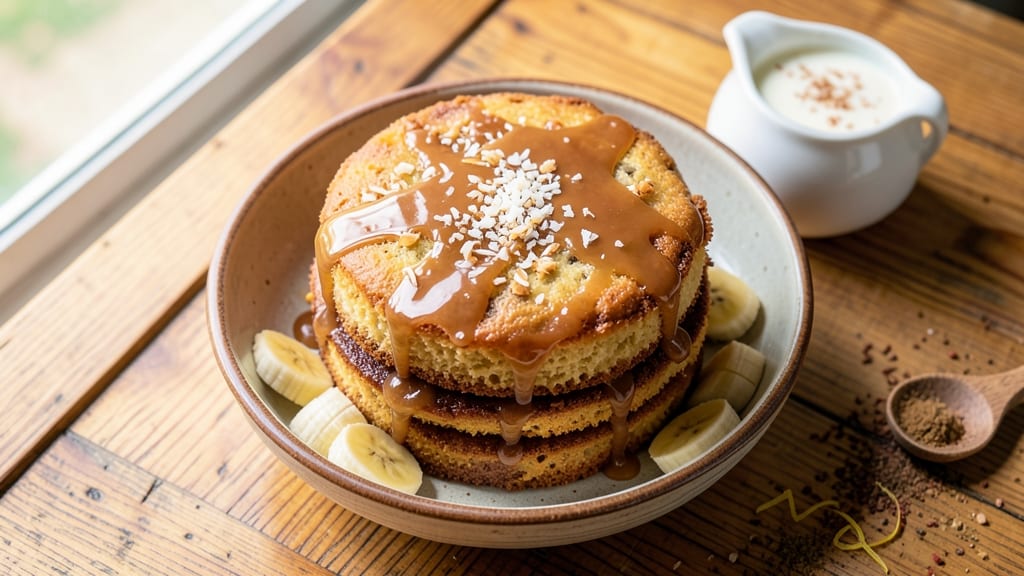
This Filipino banana cake recipe delivers the signature steamed sponginess and rich coconut flavor that makes lutong Pinoy a beloved dessert. The secret lies in blending ripe bananas with coconut milk and baking it in a water bath, creating a moist, tender crumb that's perfect for merienda or celebrations. I've perfected this version to capture that authentic Filipino taste—no shortcuts, just traditional techniques with a modern twist.
The magic happens when you mix ripe bananas with coconut milk and a touch of baking powder, then bake it in a water bath. This method ensures a soft, custard-like texture that's distinct from regular cakes. The coconut milk adds natural sweetness and richness, while the steaming process keeps the cake incredibly moist. This is the kind of dessert that tastes even better the next day, making it perfect for meal prep or special occasions.
What sets this banana cake apart is its versatility—serve it plain for a simple treat or enhance it with toppings like toasted coconut flakes, ube jam, or a drizzle of caramelized latik. The aroma alone will transport you to Filipino family gatherings, where this cake is a staple. Once you try this version, you'll understand why it's a favorite in Filipino homes.
Ready in just 1 hour, this recipe delivers restaurant-quality results with minimal effort. The ingredients are simple, but the technique ensures a cake that's light, fluffy, and packed with coconut flavor. Whether you're baking for a family gathering or just craving a taste of home, this banana cake will not disappoint. Let's get started!
Ingredients for banana cake recipe lutong pinoy
Simple ingredients for a cake that tastes like Filipino home comforts—steamed to perfection.
| Ingredient | Amount | Notes |
|---|---|---|
| Ripe Bananas 🍌 | 3 whole | Slightly squishy when pressed |
| Coconut Milk 🥥 | 1 can | Full-fat for maximum richness |
| All-Purpose Flour 🌾 | 2 cups | Sifted for light texture |
| Granulated Sugar 🍚 | 1 ½ cups | White or brown preferred |
| Baking Powder 🧂 | 2 tsp | Aluminum-free for best rise |
| Salt 🧂 | ½ tsp | Fine sea salt preferred |
| Vegetable Oil 🫒 | ½ cup | Light or canola oil |
| Vanilla Extract 🌿 | 1 tsp | Pure vanilla preferred |
| Toasted Coconut Flakes 🥥 | ½ cup | For topping, optional |
| Ube Jam 🍫 | ¼ cup | For topping, optional |
| Latik (Coconut Caramel) 🍯 | ¼ cup | For drizzling, optional |
| Water 💧 | 1 cup | For water bath |
The bananas are everything here. Look for ones that yield slightly when pressed—they should be ripe but not mushy. Filipino markets often have the perfect ones, or check your local grocery's produce section. Coconut milk is non-negotiable for that authentic taste—full-fat canned coconut milk works best, not the carton stuff. If you can't find ube jam, purple yam jam is a great substitute. For the flour, King Arthur or Gold Medal brands bake up lightest. The baking powder? Double-check the expiration date—old baking powder won't rise properly.
No ripe bananas? Overripe ones work too—just mash them extra well. Swap coconut milk for light coconut cream if that's what you've got, but it won't be as rich. Running low on vanilla? Vanilla bean paste has even more flavor. No ube? Toasted coconut flakes with a drizzle of honey make a great topping instead. The latik can be skipped, but if you're feeling fancy, homemade caramel with coconut milk works too. For the water bath, any oven-safe pan that fits your cake pan will do—no need for anything special.
This cake keeps beautifully—3-4 days in an airtight container at room temperature, or 1 week in the fridge. The flavor actually improves after the first day, so make it ahead for gatherings. To reheat, wrap the whole cake in foil and warm in a 200°F oven for 10 minutes. The coconut flakes and ube topping can be added fresh before serving, or stored separately and added later. Portion into slices for easy grab-and-go merienda—just pop them in a container with a napkin.
Why You'll Love This Recipe
- No Mash Needed: I swear by this trick—just toss those ripe bananas straight into the batter, skins and all, then blend until smooth. No sticky hands, no extra bowls, and the texture stays perfectly moist without overmixing.
- Coconut Milk Magic: That rich, creamy coconut milk isn’t just flavor—it’s the secret to a tender crumb and a subtle tropical sweetness that pairs perfectly with the bananas. Honestly, it’s the kind of cake that makes you want to skip dessert.
- Leftovers? Better: This cake actually improves the next day—drier edges, deeper caramelized notes from the bananas, and still soft in the center. I wrap slices in foil for breakfast or pack them in lunchboxes without a second thought.
- Pantry Staple Power: Five ingredients, zero specialty items. You’re probably already staring at these in your fridge or cabinet right now—no last-minute grocery runs, no fancy substitutions. My go-to when I’m broke or lazy (or both).
Step-by-step instructions for banana cake recipe lutong Pinoy
Here's how we make this classic Filipino steamed cake extra moist with coconut milk magic.
Prep the Bananas and Mix Wet Ingredients
Start by mashing the 3 whole ripe bananas in a large mixing bowl until completely smooth—no lumps allowed. I like to use a fork first, then give it a good stir to break everything down. The bananas should be soft enough to press with your finger, not firm.
In the same bowl, add the 1 can coconut milk, 0.5 cup vegetable oil, 1.5 cups granulated sugar, 1 tsp vanilla extract, and 0.5 tsp salt. Mix everything together until the sugar dissolves completely and you have a thick, creamy batter. The coconut milk gives this cake its signature richness, so don't skip this step. The mixture should be smooth and well combined—no streaks of oil or unmixed sugar.
Combine Dry Ingredients and Create the Batter
In a separate bowl, sift together the 2 cups all-purpose flour and 2 tsp baking powder. I always sift dry ingredients to avoid lumps in the final cake. Gently fold these dry ingredients into your wet mixture using a spatula, mixing just until combined. Overmixing here will make the cake dense, so stop as soon as you see no more flour streaks.
Let the batter rest for 5 minutes while you prepare your steaming setup. This short rest helps the flour fully hydrate and the flavors meld together. You'll know it's ready when the batter looks smooth and slightly thick—like a well-beaten cake batter should.
Prepare the Cake Pans for Steaming
Grease two 8-inch round cake pans generously with vegetable oil or line them with parchment paper. I prefer the parchment paper method because it makes removing the cake easier later. Divide the batter evenly between the two pans, filling each about ¾ full. The batter should be level—tap the pans gently on the counter to remove any air bubbles.
Place the pans in a steamer basket or large pot with a rack. Add the 1 cup water to the bottom of the pot (don't let it touch the pans). Bring the water to a gentle boil over medium heat—you want steam, not a rolling boil that might cause the cake to rise too quickly.
Steam the Cake to Perfect Moisture
Cover the pot with a lid and steam the cakes for 40-45 minutes. The cake is done when a toothpick inserted in the center comes out clean and the top springs back when touched gently. I check around the 35-minute mark—if the top looks dry but the toothpick test fails, cover it with foil and steam for another 5 minutes to prevent over-browning.
Don't open the lid during steaming or the cake might collapse. The steam creates that signature moist texture, so let it work its magic undisturbed. When done, remove the pans from the steamer and let the cakes cool in the pans for 10 minutes before transferring to a wire rack.
Top and Serve with Filipino Flair
Once the cakes are completely cool, spread 0.25 cup ube jam evenly over the top of one cake. Then drizzle 0.25 cup latik (coconut caramel) in a zigzag pattern. Sprinkle 0.5 cup toasted coconut flakes over the top for texture and extra coconut flavor. The ube jam adds a vibrant purple hue and sweetness, while the latik gives that caramelized touch.
Slice the cakes into 8 equal pieces and serve warm or at room temperature. The cake should be light, fluffy, and moist with a tender crumb. Each bite should deliver that perfect balance of banana sweetness, coconut richness, and subtle ube flavor. Store any leftovers in an airtight container for up to 3 days—though I doubt they'll last that long!
Pro Tips For Making Banana Cake Recipe Lutong Pinoy
- MASH THE BANANAS WELL: I learned this the hard way—skip the food processor for this one. Use a fork or potato masher to crush the ripe bananas until there’s zero visible chunks, or your cake will turn out dense and chewy. The smoother the batter, the lighter the texture.
- MEASURE COCONUT MILK RIGHT: That can of coconut milk has two layers—use both. The thick cream on top is where the flavor lives, so scoop it in with the liquid. If you’re lazy and just pour, you’ll end up with a cake that tastes like it’s missing something. (Yes, even if you’re impatient like me.)
- DON’T OVERMIX THE BATTER: Once you add the flour and baking powder, stop stirring the second everything’s just combined. Overmixing develops gluten, and that’s how you end up with a banana bread texture instead of a fluffy cake. Fold like you’re tucking in a baby—gentle and quick.
- BAKE UNTIL THE TOOTHPICK TEST: The cake will look done before it actually is. Insert a toothpick into the center—if it comes out with moist crumbs but no wet batter, you’re good. If you pull it out too soon, the middle will stay gummy, and no one wants that. (Your future self will thank you.)
Creative variations of this recipe
Classic Lutong Banana
This is the traditional version you'll find in Filipino homes, where the cake is steamed in banana leaves for that signature aroma. Use 3 ripe bananas mashed with 1 can coconut milk and 1.5 cups sugar—the natural sweetness from the bananas reduces sugar slightly. For extra authenticity, steam the batter in banana leaves (available at Asian markets) instead of pans. The leaves infuse a subtle herbal note that pairs beautifully with the coconut. 🌿
Ube-Inspired Purple Cake
Swap 0.5 cup of the all-purpose flour for ube halaya (purple yam jam) to create a stunning purple cake with vibrant flavor. The ube adds natural sweetness and earthy notes that complement the bananas perfectly. For a showstopper, layer the batter with ube jam swirls before steaming. This variation is a crowd-pleaser at Filipino celebrations like birthdays or fiestas.
Chocolate Banana Twist
Add 0.5 cup cocoa powder to the dry ingredients for a rich chocolate-banana fusion. The cocoa deepens the flavor while keeping the cake moist. Top with dark chocolate shavings and toasted coconut for a decadent dessert. This version works well for chocolate lovers who want a familiar taste with a Filipino twist. The chocolate pairs surprisingly well with the coconut milk's natural sweetness. 🍫
Pandan Leaf Infusion
For a fragrant variation, steep 2 pandan leaves in the 1 cup water used for steaming. The pandan's citrusy aroma infuses the cake, creating a floral note that's popular in Southeast Asian desserts. This works especially well with the coconut milk, balancing its richness. Use 1 tsp pandan extract if fresh leaves are unavailable. The result is a cake with layers of complex flavors. 🌸
Mini Cake Muffins
Portion the batter into greased muffin tins (fill each cup ¾ full) and steam for 20-25 minutes instead of using cake pans. These bite-sized treats are perfect for parties or as a quick snack. Top with ube jam drizzle and toasted coconut for individual servings. The smaller size ensures even cooking and a consistent texture throughout. This variation is ideal for merienda gatherings where people want to share easily. 🍽️
Latik-Caramel Glaze
For a restaurant-quality finish, replace the ube jam topping with a latik caramel glaze. Heat 0.5 cup latik with 2 tbsp coconut cream until smooth, then drizzle over cooled cake layers. The caramelized coconut flavor enhances the cake's natural sweetness. Add toasted coconut flakes for crunch. This glaze takes the cake to the next level with its rich, buttery texture. 🥥
Nutrition facts
Frequently asked questions
Why does this banana cake need to be steamed instead of baked?
Steaming creates that signature moist, custard-like texture that's distinct from regular cakes. The water bath keeps the cake tender and prevents it from drying out, which is especially important for banana-based desserts. This traditional lutong Pinoy method also infuses subtle flavors from the steam, enhancing the coconut milk's richness.
Can I substitute regular milk for coconut milk?
While you can use regular milk, you'll lose that authentic Filipino flavor and richness. Coconut milk adds natural sweetness and a creamy texture that's essential for this recipe. For a compromise, mix ½ can coconut milk with ½ cup regular milk, but expect slightly less pronounced flavor.
How do I know when the bananas are ripe enough?
Press a banana gently—it should yield slightly but not feel mushy. Look for bananas with black spots on the peel (the more spots, the riper). Overripe bananas work too—they'll make the cake extra sweet! If your bananas are too firm, let them sit at room temperature for 1-2 days to ripen.
What if I don't have banana leaves for steaming?
No problem! Use two 8-inch round cake pans lined with parchment paper or greased well. Place them in a steamer basket with 1 cup water in the bottom—just don't let the water touch the pans. The key is maintaining gentle steam for 40-45 minutes to get that perfect texture.
Can I make this cake without baking powder?
Baking powder is crucial for the cake's rise and light texture. If you're out, you can substitute with 2 tsp baking soda + 1 tsp vinegar or lemon juice, but the flavor might be slightly different. For best results, use the original recipe—this cake relies on its tender crumb for that authentic lutong Pinoy experience.