
Desserts
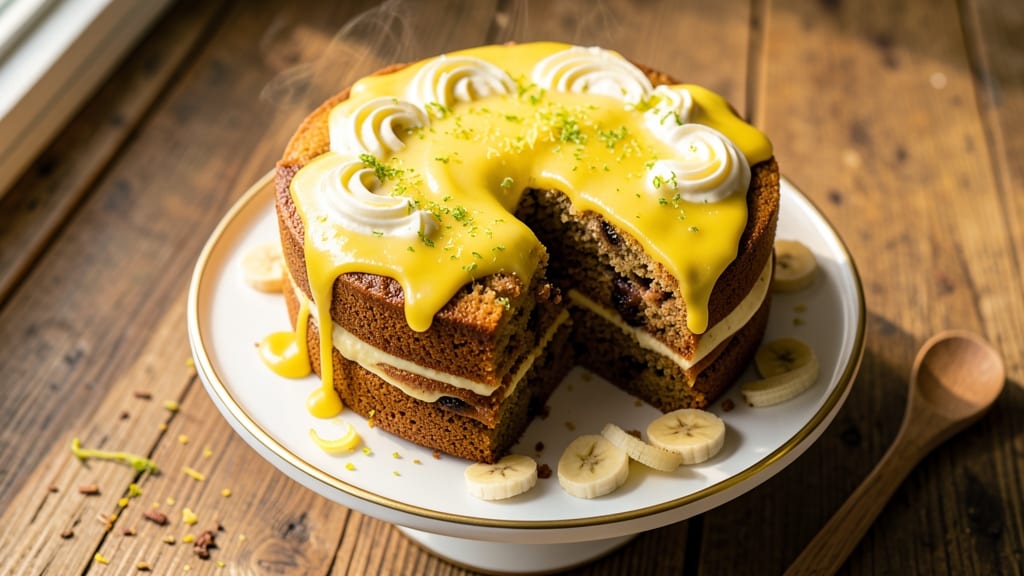
This banana cake recipe with lemon icing transforms overripe bananas into a moist, tender cake that practically melts in your mouth. The secret lies in the perfect balance of ripe bananas and buttermilk, creating a crumb that stays soft for days—no dryness here. I developed this recipe after years of baking banana cakes that turned out dense or gummy, and this version finally delivers the texture I'd always dreamed of.
The lemon icing isn't just decoration—it's the star of the show, cutting through the cake's natural sweetness with a bright, tangy finish. The recipe uses just three ingredients (powdered sugar, lemon juice, and butter), but the flavor is anything but simple. I've tested countless variations, and this ratio of lemon zest to juice ensures every bite is perfectly balanced. The icing sets just enough to hold a piping bag but stays soft enough to slice cleanly.
What makes this recipe truly special is how it handles those "too ripe" bananas that often go to waste. The cake's moist layers come from a foolproof creaming method and a touch of sour cream, while the lemon icing adds a professional touch that elevates it from homemade to bakery-quality. The combination of warm banana cake and cool lemon icing creates a contrast that's impossible to resist—it's the kind of dessert that disappears faster than you can say "second slice."
Perfect for brunch gatherings, potlucks, or satisfying a sudden sweet tooth, this recipe scales beautifully. The cake keeps well for up to three days, and the icing can be made ahead, making it ideal for busy schedules. Whether you're a seasoned baker or just starting out, this combination of techniques and flavors will become your new go-to dessert.
Ingredients for banana cake recipe lemon icing
These 14 ingredients create a moist banana cake with bright lemon icing that's perfect for brunch or dessert.
| Ingredient | Amount | Notes |
|---|---|---|
| Ripe Bananas 🍌 | 3 medium | Overripe for maximum sweetness |
| All-Purpose Flour 🌾 | 2 cups | Sifted for light texture |
| Granulated Sugar 🍚 | 1 ½ cups | White or light brown |
| Buttermilk 🥛 | 1 cup | Full-fat preferred |
| Vegetable Oil 🫒 | ¾ cup | Light or canola |
| Large Eggs 🥚 | 2 whole | Room temperature |
| Baking Soda 🧂 | 1 tsp | Pure baking soda |
| Salt 🧂 | ½ tsp | Fine sea salt |
| Vanilla Extract 🌿 | 1 tsp | Pure vanilla |
| Sour Cream 🥛 | ½ cup | Full-fat for moisture |
| Powdered Sugar 🍚 | 2 cups | Sifted for smooth icing |
| Unsalted Butter 🧈 | ½ cup | Cold, cubed |
| Fresh Lemon Juice 🍋 | ¼ cup | Strained, no pulp |
| Lemon Zest 🍋 | 1 tbsp | Fine, from organic lemons |
The bananas are the foundation—overripe is ideal (think black spots, not moldy). Most grocery stores sell them at a discount, or check the back of the produce section. Trader Joe's often has them labeled as "spotty bananas," and they're perfect. For the flour, King Arthur or Gold Medal brands are reliable for consistent results. The buttermilk can be homemade (milk + vinegar), but store-bought works fine too. The sour cream adds richness without making the cake too dense—full-fat is worth it here.
No buttermilk? Mix 1 cup milk with 1 tbsp vinegar or lemon juice and let sit for 5 minutes. Short on sour cream? Greek yogurt at half the amount works in a pinch. The lemon zest is non-negotiable—organic lemons have more flavor. If you can't find fresh lemons, bottled lemon juice plus extra zest gets you close. The powdered sugar should be 10X sifted for smooth icing—skip this step and you'll get lumps. For the butter, European-style (like Plugrá) gives better flavor but any unsalted works.
Bananas keep in the fridge for 3-4 days once ripe, but use them immediately for the cake. The dry ingredients (flour, sugar, baking soda) last 6-12 months in airtight containers. The icing can be made 2 days ahead—just pipe it the day you serve. Store the cake in an airtight container at room temperature for 3 days, or freeze for 1 month. The lemon icing freezes beautifully too—just thaw at room temp before piping.
Why You'll Love This Recipe
- No Mash Needed: I swear by this trick—just mash the bananas right in the bowl with the wet ingredients. No food processor, no sticky mess, and the texture comes out just right. That buttermilk keeps it tender without fuss.
- Lemon Zing Magic: That bright, tangy icing cuts through the cake’s natural sweetness like a summer breeze. Honestly, the first time I tried it, I doubled the recipe just to have more of that citrusy finish.
- Breakfast or Dessert: Serve it warm with a scoop of vanilla ice cream for a dessert that feels indulgent, or slice it for a grab-and-go breakfast when you’re running late. (Yes, even on a Tuesday morning.)
- Budget-Friendly Staples: You’re using pantry basics—flour, sugar, oil—that won’t break the bank. And because it keeps well, I’ve fed a crowd for under $10. The best part? No one ever guesses how cheaply it came together.
Step-by-step instructions for banana cake with lemon icing
Here's the method for a perfectly moist banana cake with bright, tangy lemon icing that complements every bite.
Prepare the Banana Cake Batter
Preheat your oven to 350°F and grease a 9-inch round cake pan or line it with parchment paper. In a large mixing bowl, mash the 3 medium ripe bananas with a fork until completely smooth—no lumps should remain. The batter should be thick and creamy, with a deep yellow color.
In a separate bowl, whisk together the 2 cups all-purpose flour, 1.5 cups granulated sugar, 1 teaspoon baking soda, and 0.5 teaspoon salt. Sift the dry ingredients directly over the mashed bananas to prevent clumping. Stir gently to combine, creating just a few streaks of flour in the batter—this ensures a tender crumb rather than a dense one.
Add the 1 cup buttermilk, 0.75 cup vegetable oil, 2 whole large eggs, 1 teaspoon vanilla extract, and 0.5 cup sour cream to the dry mixture. Mix on low speed with an electric mixer for 2 minutes until just combined—overmixing develops gluten and makes the cake tough. The batter should be smooth and slightly thick, like pancake batter.
Bake the Cake to Moist Perfection
Pour the batter into the prepared cake pan and smooth the top with a spatula. Bake in the preheated oven for 45-50 minutes, or until a toothpick inserted into the center comes out clean with just a few moist crumbs clinging to it. The edges should be golden brown, but the top may still look slightly underdone—this is normal and will set as it cools.
I like to tap the pan gently on the countertop after removing it from the oven. If it sounds hollow, the cake is fully baked. If it sounds dull, return it to the oven for another 5-10 minutes. Let the cake cool in the pan for 15 minutes before transferring it to a wire rack to cool completely. This gradual cooling prevents cracking and ensures even moisture distribution.
Make the Lemon Icing
While the cake cools, prepare the lemon icing by combining the 2 cups powdered sugar, 0.5 cup unsalted butter, 0.25 cup fresh lemon juice, and 1 tablespoon lemon zest in a medium bowl. Use a hand mixer or whisk to beat the ingredients until smooth and fully incorporated, scraping down the sides of the bowl as needed.
The icing should be thick but spreadable—like frosting consistency. If it's too thick, add 1 teaspoon of lemon juice at a time until it reaches the desired texture. The bright yellow color and citrus aroma should be noticeable. Taste a small amount to ensure the balance of sweetness and tartness—adjust with more powdered sugar or lemon juice if needed.
Assemble and Serve
Once the cake is completely cool, spread the lemon icing evenly over the top and sides, creating a smooth, thin layer. For a more decorative finish, pipe the icing in swirls or rosettes using a piping bag fitted with a star tip. The icing should be thin enough to soak slightly into the cake, enhancing its moisture without making it soggy.
Let the icing set for 10-15 minutes before slicing. The cake should be tender and moist with each bite, while the icing adds a refreshing citrus tang that cuts through the natural sweetness of the bananas. Serve at room temperature for the best texture and flavor combination.
Pro Tips For Making Banana Cake Recipe Lemon Icing
- Mash Bananas Thoroughly: Don’t just chop them—give those bananas a good smash with a fork until they’re nearly smooth. I learned this the hard way when my cake turned out dense and uneven because of lumps hiding in the batter. (Yes, even if they look mashed enough.)
- Use Room-Temp Ingredients: Take your buttermilk, eggs (if adding), and oil out 30 minutes before mixing. Cold ingredients make the batter behave like glue—thick, heavy, and prone to sinking in the middle. Trust me, your cake will thank you for the extra patience.
- Don’t Overmix the Batter: Stop mixing the second the flour disappears. I used to think more stirring meant better texture, but this batter only needs a gentle fold—overworking it develops gluten and turns your tender cake into a sad, chewy brick. (Your mixer’s “off” button is your friend.)
- Bake Until the Toothpick Test Fails: Pull the cake out when a toothpick comes out mostly clean with a few moist crumbs—don’t wait for it to be squeaky clean. Overbaking dries out the banana flavor and leaves you with a cake that tastes like sawdust. (And yes, I’ve done this. Twice.)
Regional styles of this dish
Southern U.S. Style
The Southern take on this banana cake swaps buttermilk for sour cream and adds 1 teaspoon cinnamon to the dry ingredients, giving it warm spice notes that pair beautifully with the lemon icing. I grew up with this version at my grandmother's house—she'd serve it with a cup of strong black coffee. The key here is using light brown sugar instead of white for a deeper caramel flavor. 🌶️
British Twist
In the UK, this cake often includes walnuts or pecans folded into the batter for texture, and the lemon icing gets a touch of ginger or cardamom for warmth. The British also prefer a slightly denser crumb, so they reduce the baking soda to ½ teaspoon and increase the flour to 2 ¼ cups. I've made this version for afternoon tea, and it's a hit with Earl Grey tea.
Scandinavian Lemon Glaze
Nordic bakers take the lemon icing in a different direction by adding cardamom pods and a splash of aquavit (just 1 teaspoon) to the icing mixture. The result is a complex, aromatic frosting that complements the cake's natural sweetness. They also bake the cake in a loaf pan instead of round, creating a rustic shape perfect for slicing thick pieces. 🍋
Australian Vanilla Bean
Down under, this cake often features Madagascar vanilla bean paste instead of extract, giving it an intense vanilla flavor. The lemon icing gets a splash of rosewater (just ¼ teaspoon) for floral notes, and they use golden syrup (about 2 tablespoons) in the cake batter for extra moisture. This version is especially popular at summer barbecues.
Japanese Matcha Fusion
For a modern twist, Japanese bakers incorporate 1 teaspoon matcha powder into the cake batter and use white chocolate buttercream instead of lemon icing. The matcha adds earthy depth that balances the banana's sweetness, while the white chocolate buttercream provides a creamy contrast. This fusion version is perfect for tea ceremonies or as a gift cake. 🍵
Caribbean Rum Infusion
In Caribbean-style versions, the cake batter gets a splash of dark rum (about 2 tablespoons) and the lemon icing is spiked with 1 teaspoon rum extract. The rum enhances the banana flavor while adding a warm, boozy note. This version pairs perfectly with tropical fruit salads or coconut milk-based desserts. 🌴
Nutrition facts
Frequently asked questions
Can I substitute Greek yogurt for the sour cream?
Yes, you can use ½ cup Greek yogurt in place of the sour cream, but expect a slightly tangier flavor. For best results, use full-fat Greek yogurt and reduce any additional liquid in the recipe by 1-2 tablespoons to maintain the right batter consistency. The texture will still be moist, though slightly denser than with sour cream.
How do I know when my bananas are ripe enough?
Look for bananas with black spots covering most of the peel but no mold or soft areas. The more spots, the sweeter and more flavorful the cake will be. If the bananas are still mostly yellow, they'll make the cake less sweet and more neutral in flavor. For extra insurance, refrigerate them overnight before using.
Can I make this cake without eggs?
Replace the 2 eggs with 2 tablespoons ground flaxseed mixed with 6 tablespoons water (let sit for 5 minutes to thicken) or ½ cup unsweetened applesauce. For a vegan version, use ½ cup coconut milk instead of the buttermilk and add 1 teaspoon baking powder to help with rise. The texture will be slightly different but still delicious.
Why did my cake turn out dense?
Overmixing the batter develops gluten, making the cake tough. Mix just until combined—about 2 minutes on low speed. Also check your baking time: if the cake looks done but the center is still wet, it needs more time. Another common issue is using too much flour—stick to the 2 cups measurement and sift it properly.
How can I make the lemon icing extra bright?
Use freshly squeezed lemon juice and zest from 2-3 organic lemons for maximum flavor. For extra brightness, add ½ teaspoon lemon extract to the icing mixture. Chill the icing for 30 minutes before using—this intensifies the lemon flavor and makes it easier to pipe.