
Desserts
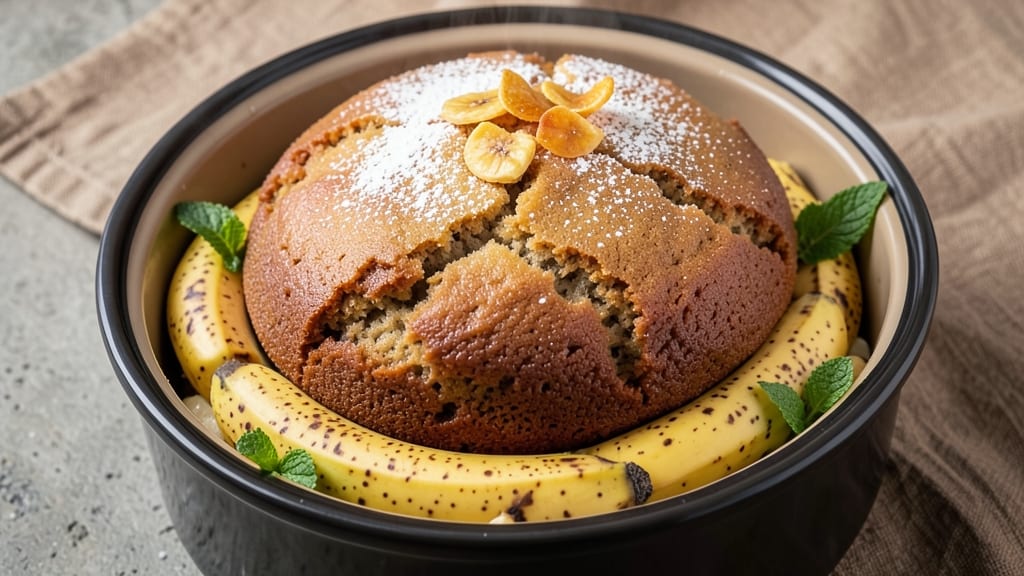
This banana cake in rice cooker recipe transforms overripe bananas into a tender, moist dessert with minimal effort—no oven required. The rice cooker's gentle steaming method preserves moisture better than baking, resulting in a cake that stays soft for days. I developed this after struggling with dry banana bread; the difference is night and day.
With just 5 simple ingredients and 15 minutes of prep, you'll achieve restaurant-quality texture without special equipment. The cake rises evenly, develops a subtle caramelized top, and requires only one pot to clean. Perfect for busy weeknights or when you want dessert without the oven's heat.
Ingredients for banana cake in rice cooker
Five simple ingredients transform overripe bananas into a restaurant-quality cake with steamed moistness.
| Ingredient | Amount | Notes |
|---|---|---|
| Overripe Bananas 🍌 | 2 cups | Mashed, no brown spots |
| All-Purpose Flour 🌾 | 1 ½ cups | Sifted for even texture |
| Granulated Sugar 🍚 | 1 cup | White or brown preferred |
| Large Eggs 🥚 | 2 whole | Room temperature for blending |
| Unsalted Butter 🧈 | ½ cup | Melted, full-fat preferred |
| Baking Powder 🍞 | 1 ½ tsp | Aluminum-free for stability |
| Vanilla Extract 🌸 | 1 tsp | Pure vanilla preferred |
| Salt 🧂 | ½ tsp | Fine sea salt preferred |
The bananas are the heart of this recipe—overripe with brown spots works best, as they're sweeter and moister. Grab the ugliest bunch at the grocery store—those are the ones with the most flavor. For flour, King Arthur or Bob's Red Mill brands are ideal for their consistency. The baking powder must be fresh; if it's over a year old, toss it. Butter matters here—full-fat gives the best texture. I always use Land O'Lakes or Plugrá for reliability. The eggs should be at room temperature to blend smoothly into the batter.
No vanilla extract? Vanilla sugar works at double the amount. Short on baking powder? Baking soda plus cream of tartar at a 1:2 ratio gets you close. The sugar can be swapped for maple syrup or honey, but reduce other liquids slightly to balance moisture. If you're using brown sugar, pack it firmly into the cup—it's denser. The butter can be substituted with coconut oil, though the flavor will differ slightly. For a lighter texture, add 0.25 cup sour cream to the batter, but omit 2 tbsp of the butter to balance fat content.
This batter keeps for 24 hours in the fridge, covered tightly. The cake reheats beautifully—10 minutes at 350°F restores its warmth. For longer storage, slice and freeze portions—up to 3 months. I always make a double batch; the second cake reheats better than the first. The rice cooker's inner pot can be reused immediately after cooking, making cleanup effortless.
Why You'll Love This Recipe
- No-Fuss Mixing: I swear by this—just mash bananas, toss in dry ingredients, and let the rice cooker do the work. No sifter, no whisking to death, no wondering if you overmixed the batter.
- Sweet Caramel Magic: Overripe bananas turn the cake into a moist, almost custardy dream with natural sweetness. The butter keeps it rich, but the sugar? It caramelizes just enough to make every bite taste like dessert.
- Zero-Waste Hero: Between us, I’d rather bake with overripe bananas than toss them. This recipe turns brown spots into a tender crumb—plus, the leftovers stay fresh for days, so you’re not scrambling for excuses to make it again.
- Budget Breakfast Win: Flour, sugar, eggs, butter—basic pantry staples that cost pennies. Serve it plain, with a drizzle of honey, or as a quick snack for kids (or adults, no judgment). It’s the kind of treat that doesn’t break the bank.
Step-by-step instructions for banana cake in rice cooker
Here's how to transform humble ingredients into a perfectly moist cake using your rice cooker's steaming function.
Prepare the Banana Mixture
Mash the 2 cups of overripe bananas until completely smooth with no lumps remaining. I press them through a fine-mesh sieve to remove any stubborn fibers that could make the cake texture uneven. Transfer the mashed bananas to a mixing bowl and stir in the 0.5 cup of melted unsalted butter until fully combined. The mixture should be smooth and slightly thick—this ensures proper moisture distribution throughout the cake.
In a separate bowl, whisk together the 1.5 cups of sifted all-purpose flour, 1.5 teaspoons of baking powder, 0.5 teaspoon of salt, and 1 cup of granulated sugar. This dry blend prevents lumps and ensures even rising. Gently fold the dry ingredients into the banana mixture using a spatula, mixing just until combined. Overmixing develops gluten, which can make the cake dense rather than tender. Add the 1 teaspoon of vanilla extract and the 2 whole large eggs, mixing gently until everything is incorporated.
Assemble in the Rice Cooker
Lightly grease a 5-cup rice cooker pot or use a silicone baking cup designed for rice cookers. Pour the batter into the prepared container, smoothing the top with a spatula. The batter should be thick but pourable—if it's too thick, add 1 tablespoon of water to loosen it slightly. This ensures even distribution of moisture during steaming.
Place the container inside the rice cooker and select the steaming function if available, or use the "white rice" setting with 1 cup of water in the bottom of the pot. The water creates steam that gently cooks the cake without drying it out. If your rice cooker doesn't have a steaming function, place the container directly on the inner pot and cook with 1 cup of water.
Steam Until Perfectly Set
Cook for 35-40 minutes until the top springs back when gently pressed with a finger and a toothpick inserted in the center comes out clean. The cake should have a slightly domed top with a golden hue—this indicates proper steaming and moisture retention. Avoid opening the lid during cooking, as this releases steam and can cause the cake to collapse.
When the cake is done, transfer it to a wire rack and let it cool for 10 minutes before removing from the container. The residual heat will continue to set the cake's structure during this cooling period. Serve warm or at room temperature for maximum moisture and flavor. The texture should be soft and tender throughout, with no dry spots—a hallmark of proper rice cooker steaming.
Pro Tips For Making Banana Cake In Rice Cooker
- Mash Bananas Thoroughly: I learned this the hard way—lumpy banana batter in a rice cooker turns into a dense, uneven cake. Use a fork or potato masher to crush those bananas until you’d swear you’re making pancake batter, not cake. No chunks, no excuses.
- Grease the Pot Like It’s 1985: Skip the fancy nonstick spray—melt 1 tablespoon of butter in the rice cooker pot first, then tilt to coat every inch. The butter’s fat creates a barrier that keeps the cake from sticking to the sides or bottom, even when you’re tempted to peek too early.
- Check Doneness with a Slice: The rice cooker’s “done” light isn’t always reliable for cake. After the first 45 minutes, cut a small slice from the center—if it’s still raw-looking or gummy, cover with a damp towel and let it cook another 10 minutes. Overbaking turns banana cake into a sad, dry brick.
- Add a Pinch of Baking Soda: This isn’t a substitution—it’s insurance. Toss in ½ teaspoon of baking soda with the flour to neutralize the bananas’ acidity. The cake will rise better and stay moist longer, especially if your bananas are extra ripe (which they should be). No one notices it’s there, but it makes a real difference.
Essential equipment for banana cake in rice cooker
Rice Cooker Essentials
Your rice cooker is the star of this recipe, but not all models are created equal. Look for one with a steam function—like the Cuisinart CRC-425 or Zojirushi NS-LAC10—which gives you precise control over moisture. If yours lacks this feature, don’t worry: most standard models (even budget-friendly Hamilton Beach or Crock-Pot models) can handle this recipe with the right adjustments. The key is ensuring your pot has a tight-fitting lid to trap steam. 💫
Baking Cups Matter
Skip the makeshift containers! Invest in a silicone baking cup designed for rice cookers—brands like Zojirushi or Muffin Magic make heat-resistant, nonstick options that prevent sticking and ensure even cooking. If you don’t have one, a lightly greased metal ramekin (like Pyrex) works in a pinch. Avoid glass jars or ceramic dishes—they don’t conduct heat evenly, leading to uneven texture. Pro tip: Line the cup with parchment paper for foolproof removal.
Steam Control Tips
Too much steam = soggy cake. Too little = dryness. The goldilocks zone is 1 cup of water in the bottom of the pot for most rice cookers. For deeper pots (like Crock-Pot models), reduce to ½ cup to prevent over-steaming. If your cake browns too quickly, tent it loosely with aluminum foil during the last 10 minutes of cooking. For extra insurance, place a wire rack over the water to elevate the baking cup slightly—this promotes even airflow. ✨
Multi-Function Accessories
Turn your rice cooker into a dessert powerhouse with these game-changing add-ons: a digital thermometer probe (like Thermoworks Thermapen) to monitor internal temp (180–190°F is perfect); a steam basket insert (for Zojirushi models) to double as a cake stand; and reusable silicone baking mats (from Amazon Basics) to line your baking cup. For cleanup, keep white vinegar on hand—it dissolves stubborn batter residue from rice cooker pots in seconds. 🧼
Backup Equipment
No rice cooker? No problem. This recipe adapts to Instant Pot (use the steam function for 30 minutes), slow cooker (low heat, 2 hours), or even a large pot with a steamer basket (45 minutes). For the Instant Pot, set the valve to venting during cooking to release excess steam. In a slow cooker, cover with a tight lid and check for doneness early—these methods run hotter than rice cookers. Always use oven-safe containers if transferring to finish in the oven.
Storage Containers
Keep your cake fresh with the right airtight containers. For short-term storage (up to 3 days), use glass Pyrex with snap-on lids—they maintain moisture better than plastic. For freezing (up to 3 months), opt for quart-sized freezer bags (like Stasher) or mason jars (leave 1-inch headspace for expansion). Label containers with the date and store in the coldest part of your fridge (usually the back of the bottom shelf) for even texture when reheated. 🧊
Nutrition facts
Frequently asked questions
Why does this banana cake stay moist longer than oven-baked versions?
The rice cooker's steaming method preserves moisture by trapping steam inside the pot. Unlike baking, which dries out the edges first, the gentle heat creates an even texture throughout. Plus, the 1 cup of water in the bottom adds extra humidity during cooking—perfect for keeping it tender for 3-4 days when stored properly.
Can I add chocolate chips or nuts to this recipe?
Fold in ½ cup chocolate chips or ⅓ cup chopped walnuts with the dry ingredients. For nuts, toast them first to enhance flavor. Just reduce the flour by 2 tablespoons to maintain the right batter consistency. Pro tip: Use mini chocolate chips—they melt more evenly during steaming.
What if my rice cooker doesn't have a steaming function?
No problem! Use the "white rice" setting with 1 cup of water in the bottom of the pot. Place your baking cup directly on the inner pot (no need for a steamer basket). For deeper pots like Crock-Pot models, reduce water to ½ cup to avoid over-steaming. The cake will still turn out perfectly tender.
How do I know when the cake is fully cooked?
Your cake is done when the top springs back when pressed gently with a finger and a toothpick inserted in the center comes out clean. The cooking time is 35-40 minutes, but check at 30 minutes if using a deeper pot. The cake should have a golden hue and a slightly domed top—this indicates proper steaming.
Can I make this cake without eggs for a vegan version?
Yes! Replace the 2 eggs with ¼ cup flaxseed meal + 6 tbsp water (let it sit for 5 minutes to thicken) or ½ cup unsweetened applesauce. The texture will be slightly denser but still moist. For extra rise, add ½ teaspoon baking soda to the dry ingredients.