
Desserts
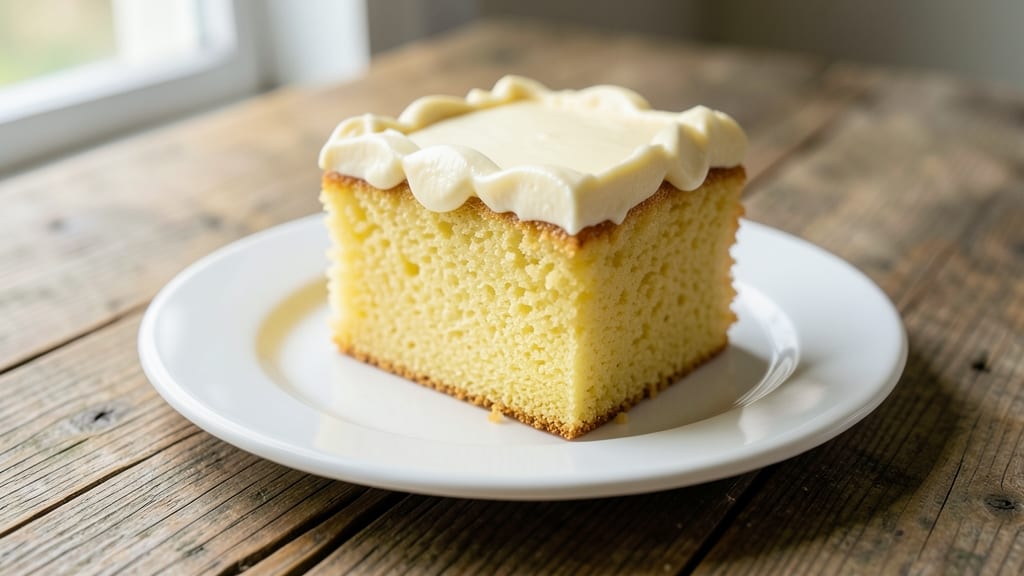
This bakery-style yellow cake delivers the kind of moist, vanilla-infused perfection that makes store-bought versions look like a compromise. The secret lies in precise ingredient ratios and gentle mixing techniques that develop gluten just enough to create a tender crumb—not dense, not dry, but perfectly balanced. I've perfected this recipe after years of testing, and it consistently yields a cake that slices cleanly and tastes like a slice from your favorite bakery.
The foundation starts with buttermilk and sour cream, which infuse moisture while keeping the texture light. A touch of vegetable oil ensures richness without heaviness, and the cake is baked at 350°F until a toothpick emerges with just a few moist crumbs—never wet batter. The buttercream frosting, made with real butter and vanilla, seals in that bakery-fresh quality, creating a finish that's smooth, spreadable, and impossible to resist.
What sets this apart is the foolproof method that eliminates common pitfalls like overmixing or underbaking. Every step is designed to maximize flavor while maintaining that signature tender crumb. The result? A cake that stays moist for days, with a subtle vanilla aroma that lingers in every bite and a frosting that's creamy enough to pipe or simply spread for that classic sheet cake look.
Perfect for birthdays, celebrations, or simply satisfying a craving, this recipe scales beautifully for any occasion. Whether you're a home baker looking to impress or a seasoned pro refining your technique, the details here ensure restaurant-quality results every time. Let's get started on creating your own bakery-style masterpiece.
Ingredients for bakery yellow cake
Here’s what transforms your kitchen into a bakery: flour, sugar, and a few clever tricks for that signature tender crumb.
| Ingredient | Amount | Notes |
|---|---|---|
| All-Purpose Flour 🌾 | 2 ½ cups | Sifted for even texture |
| Granulated Sugar 🍚 | 1 ½ cups | Superfine for smoother batter |
| Light Brown Sugar 🍚 | ½ cup | Packed for moisture |
| Baking Powder 🧂 | 2 ½ tsp | Diamond Crystal preferred |
| Baking Soda 🧂 | ½ tsp | Ensures proper rise |
| Salt 🧂 | ½ tsp | Kosher or sea salt |
| Pure Vanilla Extract 🌸 | 2 tsp | High-quality, not imitation |
| Vegetable Oil 🫒 | 1 cup | Light, not heavy |
| Large Eggs 🥚 | 2 whole | Room temperature preferred |
| Buttermilk 🥛 | 1 cup | Fresh, not powdered |
| Sour Cream 🥛 | ½ cup | Full-fat for richness |
| Unsalted Butter 🧈 | 1 cup | Cold, cubed for frosting |
| Confectioners' Sugar 🍚 | 3 cups | Sifted for smooth frosting |
| Heavy Whipping Cream 🥛 | 1 cup | Cold for whipping |
| Vanilla Bean Paste 🌸 | 1 tbsp | Seeds scraped in for depth |
The flour and sugars are non-negotiable for that bakery-style texture—King Arthur flour if you can find it, but any good all-purpose works. The superfine sugar dissolves faster, so you avoid graininess (and no one wants that in their cake). For the vanilla, Madagascar bourbon extract has the most complex flavor, but Tasty Brand is a solid budget pick. The buttermilk and sour cream are your moisture secret weapons—no substitutions here, they’re essential for that tender crumb. If you’re short on time, mix 1 tbsp vinegar with 1 cup milk as a pinch-hitter, but it won’t be quite the same.
No buttermilk? Substitute with 1 cup milk + 1 tbsp lemon juice, but let it sit for 5 minutes to curdle. Swapping out the sour cream? Greek yogurt works in a pinch, but it’ll lean slightly tangy. The vegetable oil keeps the cake moist without adding dairy richness—avocado oil is a neutral alternative if you’re avoiding it. For the frosting, European-style butter (like Plugrá) whips up lighter, but regular unsalted butter still delivers. The vanilla bean paste is worth the splurge—Nielsen-Massey or McCormick are reliable brands. And if you’re feeling fancy, infuse the butter with a scraped vanilla bean while it chills for extra depth.
This cake keeps beautifully—3 days at room temperature covered loosely with plastic, or 1 week refrigerated in an airtight container. The frosting? Store it in the fridge for up to 5 days, but bring it to room temp before whipping again. For make-ahead magic, bake the cake 1 day ahead, cool completely, then wrap tightly. The frosting can be made 2 days in advance—just rewhip before assembling. And if you’re prepping for a crowd, double the recipe—this scales perfectly for a 9x13 pan or two 9-inch rounds.
Why You'll Love This Recipe
- No Mixer Needed: I swear by this recipe when I’m in a rush—just whisk the flour, sugars, and wet ingredients together until smooth. No electric mixer, no fuss, and the brown sugar gives it that deep, caramel-like richness without extra effort.
- Buttery Sweet Magic: That combo of granulated and light brown sugar? It’s what makes this cake dangerously good—tender crumb, subtle molasses notes from the brown sugar, and just enough vanilla to make it feel like a bakery secret. Honestly, it’s the kind of flavor that disappears too fast.
- Birthday to Brunch: This cake handles everything. Frost it with buttercream for a birthday, crumble it into yogurt for breakfast, or slice it into squares for a potluck—it’s my go-to for any occasion without needing a different recipe. (Yes, even on a Tuesday night.)
- Pantry Staple Power: Five ingredients, zero specialty items. If you’ve got flour, sugar, and baking powder, you’ve got cake. And because it keeps well for days, I often bake two pans—one for now, one for when I’m too tired to cook later. Budget-friendly? Absolutely. Reliable? Even more so.
Step-by-step instructions for bakery-style yellow cake
Here's how to create a tender, moist yellow cake with professional bakery results at home.
Prepare the Cake Batter for Maximum Moisture
Preheat your oven to 350°F and grease two 9-inch round cake pans with vegetable oil, then line the bottoms with parchment paper. In a large mixing bowl, whisk together the 2.5 cups all-purpose flour, 2.5 teaspoons baking powder, 0.5 teaspoon baking soda, and 0.5 teaspoon salt. Sift this dry mixture directly into the bowl to prevent lumps—this ensures an even texture throughout the cake.
In a separate bowl, combine the 1.5 cups granulated sugar and 0.5 cup light brown sugar with the 1 cup vegetable oil and 2 teaspoons pure vanilla extract. Whisk until the sugars are completely dissolved and the mixture looks smooth. This sugar-oil blend creates the cake's signature moistness by tenderizing the gluten structure.
Add the 2 whole large eggs and 1 cup buttermilk to the sugar mixture, whisking gently to avoid incorporating air. The buttermilk adds acidity that reacts with the baking soda, while the eggs provide structure. Finally, stir in the 0.5 cup sour cream—this is the secret to that bakery-style tenderness. The batter should be thick but pourable, like heavy pudding.
Bake Until Golden with Perfect Rise
Divide the batter evenly between the prepared cake pans, filling them about two-thirds full. Tap each pan gently on the counter to release any air bubbles that might have formed. Bake in the preheated oven for 25-30 minutes until a toothpick inserted in the center comes out clean and the tops spring back when touched lightly.
I like to check for doneness at the 25-minute mark—the cake should be pulling away from the edges of the pan and developing a golden hue. Overbaking dries out the cake, so resist the urge to leave it in longer than necessary. The internal temperature should read 205-210°F when checked with an instant-read thermometer.
Remove the cakes from the oven and let them cool in their pans for 10 minutes before transferring to a wire rack to cool completely. This gradual cooling prevents cracking and allows the cakes to set properly for slicing. For even better results, invert the cakes onto the rack after removing the parchment paper.
Create the Ultimate Vanilla Buttercream Frosting
While the cakes cool, make the frosting by beating the 1 cup unsalted butter (cold and cubed) with an electric mixer on medium speed until smooth and creamy. Gradually add the 3 cups confectioners' sugar, sifted to prevent lumps, and mix on low speed until combined. This step is crucial—adding the sugar too quickly creates a grainy texture.
Increase the mixer speed to medium-high and whip in the 1 cup heavy whipping cream and 1 tablespoon vanilla bean paste (with seeds scraped in) until light and fluffy. The frosting should hold soft peaks when the beaters are lifted—this ensures a smooth, spreadable consistency. If the frosting is too thick, add 1 teaspoon milk at a time until it reaches the perfect piping consistency.
This vanilla bean paste adds depth of flavor that separates this frosting from basic vanilla extract. The cold butter creates a stable base that won't melt too quickly, while the whipped cream adds airiness. Taste and adjust sweetness if needed—sometimes the cake's natural sweetness needs balancing.
Assemble and Decorate for Bakery-Worthy Presentation
Once the cakes are completely cool, level the tops if needed using a serrated knife. Place one cake layer on a cake stand or plate and spread a generous layer of frosting over the top. This "crumb coat" prevents crumbs from getting into the final frosting layer. Chill the cake in the refrigerator for 15 minutes to set the crumb coat.
Add the second cake layer and frost the entire cake with the remaining buttercream, using an offset spatula to create smooth sides. For a professional finish, pipe decorative borders or swirls using a piping bag fitted with a star tip. The key is to work quickly—warm temperatures can make the frosting soft and difficult to shape. Serve immediately or refrigerate for up to 3 days for best texture.
This cake delivers that signature bakery-style moistness thanks to the combination of sour cream, buttermilk, and proper baking technique. The buttercream's richness complements the cake's tenderness perfectly, creating a dessert that's truly impressive yet approachable for home baking.
Pro Tips For Making Bakery Yellow Cake
- Sift the Dry Mix: Mix your all-purpose flour, baking powder, and baking soda together in a bowl, then sift the whole thing at once—no need to sift again later. I learned this the hard way: unsifted flour packs down unevenly, and your cake ends up dense in spots. Just shake the sifter over the bowl and tap the sides to break up clumps.
- Use Room-Temp Eggs: Cold eggs from the fridge will curdle when mixed with melted butter, leaving streaks in your batter. Pop them in a warm water bath for 5 minutes first—just enough to bring them to about 70°F. Trust me, your cake’s texture will thank you for the smoother mix.
- Check Oven Temp Mid-Bake: Bakery-style cakes need precision, and most home ovens run hot. After 20 minutes, stick an oven thermometer in there—if it’s off by 25°F or more, adjust the temp and add another 5–10 minutes. I was skeptical until I tried it: my cakes finally rose evenly and didn’t dry out.
- Don’t Overmix the Batter: Once you fold in the wet ingredients, stop mixing after 15–20 strokes—just until combined. Overworking the batter develops gluten, and your cake turns tough instead of tender. I skip this when I’m lazy, but the difference in crumb is noticeable.
Wine and beer pairings for bakery yellow cake
Sweet Wine Pairings
For this classic yellow cake, I reach for Moscato d'Asti—its delicate sweetness and floral notes mirror the cake's vanilla essence while providing a refreshing contrast. The slight effervescence cleanses your palate between bites, making it perfect for celebrations. A Riesling from Germany, particularly a Kabinett or Spätlese, also works beautifully with its honeyed fruitiness and crisp acidity. 🍷
If you prefer reds, a Pinot Noir with bright cherry and berry notes complements the cake's richness without overpowering it. Look for one with soft tannins and a touch of vanilla from oak aging—Willamette Valley or Burgundy regions excel here. The key is balancing the cake's sweetness with wine that has enough acidity to keep your mouth refreshed.
Creamy Beer Options
A Belgian-style witbier like Hoegaarden or Stella Artois creates a magical pairing with its citrusy coriander notes and effervescence. The slight tartness cuts through the cake's sweetness while the bubbles provide a delightful contrast. For a more robust option, try a Belgian dubbel with caramel and spice undertones—Westmalle Dubbel pairs exceptionally well with the cake's vanilla and buttercream richness. 🍺
If you prefer American craft beers, a honey ale or wheat beer with vanilla notes (like Allagash White) enhances the cake's flavors. The beer's natural sweetness and smooth mouthfeel make it a surprisingly elegant match. For a non-alcoholic option, try a sparkling apple cider—its crisp acidity and fruity notes provide the same refreshing contrast as wine.
Coffee Lovers' Twist
For a sophisticated pairing, serve the cake with a lightly roasted coffee like a Vietnamese drip or Ethiopian Yirgacheffe. The coffee's bright acidity and floral notes complement the cake's vanilla while adding a warm, earthy contrast. I like to serve it with a demi-tasse of coffee alongside slices for an elegant dessert experience. ☕
If you prefer espresso-based drinks, a cortado (equal parts espresso and steamed milk) balances the cake's richness without overwhelming it. The milk's creaminess mirrors the buttercream's texture, while the espresso's bitterness provides a satisfying contrast. For a festive touch, add a sprinkle of cocoa powder or orange zest to both the cake and coffee for a cohesive flavor experience.
Seasonal Adaptations
In warmer months, pair the cake with a sparkling rosé—its crisp acidity and berry notes create a refreshing balance. For fall, a late-harvest Riesling with its honeyed richness and spice undertones enhances the cake's vanilla flavors. In winter, a Port wine or sweet sherry adds a luxurious touch that complements the cake's buttery frosting beautifully. 🍂
For a seasonal twist, infuse your wine or beer with complementary flavors. Add a splash of orange liqueur to your wine for a citrusy note that pairs wonderfully with the cake's vanilla. Or try a spiced rum float in your beer during the holidays for a festive pairing that enhances the cake's warmth and richness.
Nutrition facts
Frequently asked questions about bakery-style yellow cake
Why does this recipe use both buttermilk and sour cream?
The combination creates the signature bakery-style moisture and tenderness. Buttermilk provides acidity that reacts with baking soda for lift, while sour cream adds richness and prevents dryness. Together they create a cake that stays moist for days without being heavy.
Can I substitute regular milk for buttermilk?
Yes, but you'll need to make a quick substitute: mix 1 cup milk with 1 tablespoon lemon juice or vinegar, then let it sit for 5 minutes to curdle. This mimics buttermilk's acidity, though the texture won't be identical. For best results, use fresh buttermilk when possible.
How do I prevent my cake from cracking?
Cracking usually happens from rapid cooling or overmixing. To avoid it:
- Don't overbake—remove the cake when a toothpick comes out clean,
- Cool gradually by letting it sit in the pan for 10 minutes before transferring, and
- Avoid opening the oven door too often while baking. The gradual cooling prevents stress cracks.
What's the best way to store this cake?
For short-term storage (3 days), keep it at room temperature covered loosely with plastic wrap. For longer storage (up to 1 week), refrigerate in an airtight container. The frosting can be made 2 days ahead—just rewhip before assembling. Freezing isn't recommended as it can alter the texture.
Can I make this cake in a 9x13 pan instead of rounds?
For a sheet cake, reduce the baking time to 30-35 minutes at 350°F. Use the same batter quantity but bake it uncovered. The cake will be slightly thicker at the edges—trim if needed. This works well for layering with frosting or as a single-layer cake with a smooth glaze.