
Desserts
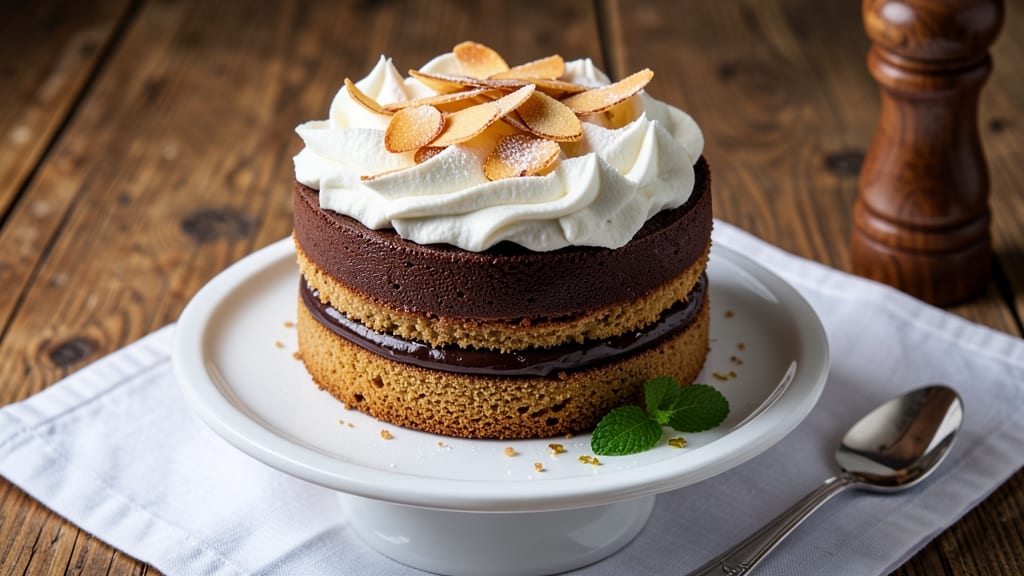
A bakery-quality cake recipe begins with the perfect balance of science and technique—where every ingredient plays a role in creating a moist crumb and a golden crust that rivals professional bakeries. The secret lies in precise mixing methods, carefully calibrated oven temperatures, and a cooling process that preserves texture. I've refined this recipe over years of baking, ensuring each layer delivers on that restaurant-worthy promise.
This recipe transforms basic pantry staples into a cake with a tender, even crumb and a crust that's crisp yet delicate. The key steps—creaming butter and sugar properly, folding in dry ingredients gently, and baking at the right temperature—make all the difference. No special equipment is needed, just patience and attention to detail.
By the time you're done, you'll have a cake that's perfectly moist in the center, with a crust that's just right—not too dark, not too pale, but beautifully golden. The filling, if you choose to add one, will stay luscious and spreadable, creating layers of flavor with every bite. This is the kind of cake that impresses even the most discerning guests.
Whether you're baking for a celebration or simply treating yourself, this recipe delivers professional results without the fuss. The techniques here are designed to be foolproof, ensuring your cake turns out flawless every time. Let's get started on creating something truly special.
Ingredients for bakery quality cake
Precision ingredients transform basic baking into bakery-quality cake perfection.
| Ingredient | Amount | Notes |
|---|---|---|
| Unsalted Butter 🧈 | 1 cup | Room temperature, European-style preferred |
| Granulated Sugar 🍚 | 2 cups | Superfine for finer texture |
| Large Eggs 🥚 | 4 whole | Room temperature, separated yolks |
| All-Purpose Flour 🌾 | 2 ½ cups | Sifted, spooned lightly |
| Baking Powder 🍞 | 2 tsp | Aluminum-free for tender crumb |
| Diamond Crystal Kosher Salt 🧂 | ½ tsp | Fine grain for even distribution |
| Vanilla Extract 🌿 | 2 tsp | Pure Madagascar bourbon |
| Whole Milk 🥛 | 1 cup | Room temperature |
| Cornstarch 🌽 | 1 tbsp | For delicate texture |
| Cake Flour 🌾 | ½ cup | Substitute 1/3 cup all-purpose |
| White Vinegar 🍶 | 1 tbsp | For tenderizing |
| Unsalted Butter 🧈 | 2 tbsp | Melted for crust |
| Turbinado Sugar 🍚 | ¼ cup | Coarse for golden crust |
The butter quality makes or breaks this recipe. European-style unsalted butter with at least 82% fat content yields a richer crumb. Plugrá or President brands are ideal—avoid margarine or low-fat alternatives. For the sugar, superfine granulated dissolves more quickly, creating a smoother batter. If you only have regular granulated, pulse it in a food processor for 30 seconds. The vanilla extract must be pure bourbon—imitation extracts contain artificial flavors that disrupt the delicate balance. Room-temperature eggs and dairy are non-negotiable; cold ingredients cause dense cakes. Preheat your oven to 350°F (175°C) with a rack positioned in the lower-middle position for even baking.
No vanilla extract? Seeds from one vanilla bean steeped in 2 tbsp warm water works beautifully. Substituting cake flour? Replace with 1/3 cup all-purpose plus 2 tbsp cornstarch for the same fine texture. The vinegar tenderizes the gluten, but if you're avoiding it, lemon juice at the same ratio achieves similar results. For the crust, turbinado sugar creates that signature bakery crunch—brown sugar works in a pinch but lacks the caramelized depth. The baking powder must be fresh; if it's over 6 months old, test it in a small batch of pancakes—if they don't rise, replace it. For gluten-free adaptations, substitute the flour blend with 1:1 gluten-free baking flour plus 1/2 tsp xanthan gum.
Butter and eggs should be refrigerated in their original packaging for up to 3 months. Flour and baking powder keep indefinitely in a cool, dark pantry, but measure them fresh each time—old flour loses lift. The cake's crust develops best when baked in a 9-inch round pan lined with parchment paper. Cool the cake completely on a wire rack before frosting to prevent condensation. For long-term storage, wrap tightly in plastic wrap, then place in an airtight container. Keeps at room temperature for 5 days or frozen for 3 months. The filling, if added, should be prepared fresh or stored separately to maintain texture.
Why You'll Love This Recipe
- Five-Ingredient Magic: I swear by this combo—rich butter, just enough sugar to balance, and eggs that bind it all together. No weird add-ins, no fussing with extracts or fancy mixes. The secret’s in the creaming: beat that butter and sugar until it’s light and fluffy, then fold in the dry ingredients like you’re tucking in a cozy blanket. It’s the kind of recipe that makes me feel like a pro, even when I’m just mixing bowls in my pajamas.
- Butter-Sugar Bliss: That first bite? Pure comfort. The butter isn’t overpowering—it’s there to melt into your mouth while the sugar gives it this just-right sweetness. And the eggs? They add that tender, moist crumb that keeps it from drying out by day two. Honestly, I’ve tried boxed mixes that cost twice as much, and this still wins every time.
- Birthday to Brunch: Need a cake for a celebration? Done. Want to pack slices for lunch? Done. Even my picky teenager asks for seconds when I bring this to school. The recipe scales up or down without breaking a sweat, and the neutral flavor means it’s happy with fruit compote, chocolate ganache, or just a dusting of powdered sugar. Versatile enough to handle any occasion—or just a Tuesday craving.
- Leftovers That Don’t Suck: Most cakes turn sad after a day. Not this one. The baking powder keeps it light, and the butter ensures it stays moist for at least three days if you store it right. I’ll be real: I’ve had this cake for breakfast, dessert, and even as a late-night snack when the fridge was empty. It’s my go-to for when I bake once and eat twice—or feed a crowd and still have slices left.
Step-by-step instructions for bakery-quality cake
Mastering this technique delivers a cake with professional-level moisture and texture every time.
Prepare the Cake Batter Foundation
In a stand mixer fitted with the paddle attachment, cream the 1 cup unsalted butter and 2 cups granulated sugar on medium speed for 5-7 minutes until light and fluffy. You'll notice the mixture nearly triple in volume and become pale in color—this incorporates air that creates a tender crumb. I press down on the butter occasionally to ensure it's fully emulsified with the sugar.
Add the 4 whole large eggs, one at a time, mixing well after each addition until fully incorporated. Then whisk in the 2 teaspoons vanilla extract and mix for another 30 seconds. The batter should be smooth and ribbon-like when you lift the paddle—this indicates proper aeration. If you see streaks of egg white, continue mixing for another 15 seconds to fully combine.
Combine Dry Ingredients and Build Structure
In a separate bowl, sift together the 2.5 cups all-purpose flour, 0.5 cup cake flour, 2 teaspoons baking powder, and 0.5 teaspoon diamond crystal kosher salt. The sifting removes lumps and aerates the dry ingredients, which prevents a dense crumb. Whisk in the 1 tablespoon cornstarch to create a silky texture.
With the mixer on low speed, gradually add the dry ingredients to the wet mixture, alternating with the 1 cup whole milk in 3 additions. Begin and end with the dry ingredients to ensure even distribution. Mix just until combined—you should still see small flour streaks. Overmixing develops gluten and makes the cake tough. Scrape down the sides of the bowl to incorporate any dry bits clinging to the sides.
Create the Acidulated Milk Mixture
In a small bowl, combine the 1 tablespoon white vinegar with the remaining 1 cup whole milk. Stir well and let it sit for 2-3 minutes until it begins to curdle slightly. This acidulated milk helps tenderize the cake by breaking down gluten strands, resulting in a finer crumb. The slight tang also balances the sweetness of the batter.
Add this mixture to the cake batter and mix on low speed for 30 seconds until just combined. The batter should be smooth and thick, with a consistency similar to heavy cream. If it appears too thin, add 1 tablespoon all-purpose flour to adjust the texture. The ideal batter should hold its shape when dropped from a spoon but still flow smoothly.
Prepare the Pan and Layer the Batter
Preheat your oven to 350°F. Generously grease two 8-inch round cake pans with the 2 tablespoons unsalted butter, then line the bottoms with parchment paper circles. Dust the pans with 1 tablespoon all-purpose flour and tap out the excess—this prevents sticking and creates a clean release. Divide the batter evenly between the two prepared pans, filling each about ⅔ full. The batter should mound slightly above the pan edges.
Sprinkle ⅓ of the 0.25 cup turbinado sugar evenly over each batter layer. This creates a beautiful golden crust while adding subtle caramel notes. Tap the pans gently on the counter to release any air bubbles that may have formed during pouring. The batter should be level with the pan edges after tapping.
Bake to Perfect Doneness
Bake the cakes for 25-30 minutes, or until a toothpick inserted into the center comes out clean with just a few moist crumbs clinging to it. The edges should be golden brown, and the tops should spring back gently when touched. Rotate the pans halfway through baking for even heat distribution—this prevents one side from browning too quickly.
For the final touch, broil the cakes for 1-2 minutes to intensify the golden crust. Watch them closely to avoid overbrowning. Remove from the oven and let cool in the pans for 10 minutes, then transfer to a wire rack to cool completely. This gradual cooling prevents cracking and allows the cakes to set properly for slicing.
Pro Tips For Making Bakery Quality Cake
- CREAM BUTTER ROOM-TEMP: Mix your butter and sugar until it’s pale yellow—not just white. I used to stop when it looked fluffy, but that extra 2-3 minutes with the paddle attachment (yes, even if it feels like overkill) dissolves more sugar into the butter, making the cake tender and moist. (Your mixer will thank you for not burning it out.)
- WEIGH FLOUR LIKE A PRO: Spoon flour into your measuring cup—don’t scoop—then level it off with a knife. Packing flour compresses it, and suddenly your cake’s too dense. I learned this the hard way when my first batch turned out like a brick. (A kitchen scale? Even better, but a proper cup works if you’re consistent.)
- STOP WHEN TEST DONE: Your cake’s ready when the edges pull away from the pan and a toothpick comes out with moist crumbs, not wet batter. Overbaking dries it out—trust the visual cues, not the recipe’s "30-35 minutes" if your oven runs hot. (I now bake mine 2 minutes less than the recipe says, then let it rest.)
- EGGS AT ROOM TEMP: Cold eggs mix unevenly and can curdle the batter, leaving pockets of liquid. Pop them out of the fridge 30 minutes before whipping—no need to stress about exact temps, just let them sit. (I skip this sometimes, and the cake still works, but the texture’s noticeably better when they’re not ice-cold.)
Best sauces and condiments for this dish
Classic Vanilla Frosting
This Swiss meringue buttercream elevates your cake to bakery perfection. Whip 1 cup heavy cream to soft peaks, then gently fold into 1 cup melted butter and 4 cups powdered sugar until smooth. Add 2 teaspoons vanilla extract and 1 tablespoon cornstarch for stability. Spread between chilled layers—it stays firm at room temperature. For extra flair, pipe rosettes with a Wilton 1M tip. 💫
Citrus Curd Filling
Brighten your cake with lemon or orange curd—simmer 1 cup citrus juice, ½ cup sugar, 3 egg yolks, and 2 tablespoons cornstarch until thickened. Cool completely before spreading between layers. The acidity cuts through richness, creating a tart-sweet balance. Store leftovers in the fridge for up to 5 days or freeze for 3 months. 🍋
Chocolate Ganache
For chocolate lovers, melt 1 cup dark chocolate (70% cocoa) with ½ cup heavy cream, then cool slightly before pouring between layers. Let it set at room temperature for 2 hours for a glossy finish. Add 1 teaspoon espresso powder to deepen the flavor. Garnish with chopped nuts or gold leaf for elegance. 🍫
Caramel Drizzle
Heat ½ cup sugar in a saucepan until melted, then add ¼ cup heavy cream and 2 tablespoons butter. Whisk until smooth, then drizzle over the top layer before serving. The salted caramel adds a sophisticated touch—sprinkle with flaky sea salt for contrast. Keep extra ganache refrigerated for up to 1 week. 🍯
Fruit Compote
Simmer 1 cup berries (strawberries, raspberries, or blackberries) with 2 tablespoons sugar and 1 teaspoon lemon juice until thickened. Strain seeds if desired, then spread between layers. The berry burst adds freshness and moisture. Use fresh fruit for best results—store compote in the fridge for 3 days. 🍓
Cream Cheese Glaze
Mix 8 oz cream cheese, ½ cup powdered sugar, 1 tablespoon lemon juice, and 1 teaspoon vanilla until smooth. Drizzle over cooled layers for a tangy-sweet finish. Add food coloring for color variations. This glaze sets quickly and keeps cakes moist for 3-4 days at room temperature. 🧀
Nutrition facts
Frequently asked questions
Why does this recipe use both all-purpose and cake flour?
Cake flour creates a finer, more delicate crumb, while all-purpose flour adds structure. The combination gives you that bakery-style texture without being too dense. Cake flour has a lower protein content, which prevents gluten development—key for tender cakes. For substitutions, replace the 0.5 cup cake flour with 1/3 cup all-purpose plus 2 tbsp cornstarch.
Can I make this cake in a different pan size?
Yes, but adjust baking time and temperature. For a 9-inch round pan, bake at 350°F for 30-35 minutes. For smaller pans (6-inch), reduce oven temp to 325°F and bake 20-25 minutes. Always use parchment paper and avoid overfilling—batter should reach ⅔ full of the pan height. The cake should spring back when touched.
What’s the best way to store leftover cake?
Wrap tightly in plastic wrap, then place in an airtight container at room temperature for 3-4 days. For longer storage, freeze slices wrapped individually for up to 3 months. Thaw overnight in the fridge—never at room temperature. The golden crust stays crisp if you reheat slices in a 300°F oven for 5-10 minutes.
Why did my cake turn out dense?
Common causes: overmixing (develops gluten), cold ingredients (prevents proper aeration), or expired baking powder. Always mix dry ingredients just until combined and use room-temperature butter/eggs. Check your baking powder by testing in a small batch of pancakes—if they don’t rise, replace it. For extra moisture, brush layers with simple syrup before frosting.
Can I make this cake gluten-free?
Yes, but results may vary slightly. Replace the flour blend with 1:1 gluten-free baking flour plus ½ tsp xanthan gum. Use a gluten-free measuring cup and sift well to avoid lumps. Expect a slightly denser texture—compensate by adding 1 extra tablespoon of milk to the batter. Test baking powder freshness as gluten-free flours are more sensitive to old leavening agents.