
Desserts
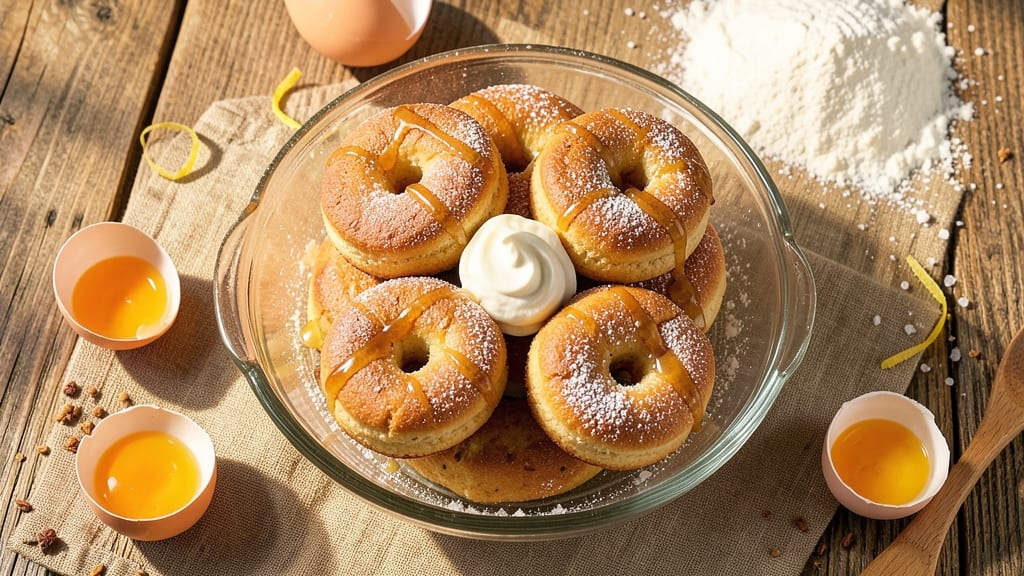
This baked sour cream cake doughnut recipe delivers the perfect balance of tender, spiced dough and a light vanilla glaze that makes every bite irresistible. The secret lies in the sour cream—it creates a fluffy, moist texture that stays fresh for hours. I've perfected this recipe to ensure foolproof results, even for beginners, with just a few simple steps and a touch of patience.
The dough comes together with basic pantry staples, including all-purpose flour, baking powder, and a pinch of cinnamon and nutmeg for that warm, comforting flavor. Once shaped into doughnuts, they bake to a golden brown, yielding a soft yet slightly crisp exterior. The real magic happens with the glaze—a smooth, vanilla-infused coating that adds a touch of elegance without overpowering the dough.
What you'll end up with is a batch of homemade doughnuts that taste like a bakery favorite, complete with a tender crumb and a sweet, creamy finish. These are perfect for breakfast, dessert, or even a mid-afternoon treat. The recipe scales easily, so you can make a dozen or just a few—either way, they disappear quickly.
Ready in under an hour, this recipe is designed to be simple yet impressive. Whether you're baking for a crowd or treating yourself, these sour cream cake doughnuts will become a staple in your kitchen. Let's get started!
Ingredients for baked sour cream cake doughnut
Here's what you need for fluffy, spiced doughnuts with a creamy vanilla glaze—simple staples, big flavor.
| Ingredient | Amount | Notes |
|---|---|---|
| All-Purpose Flour 🌾 | 4 cups | Sifted for light texture |
| Granulated Sugar 🍚 | ½ cup | White or light brown |
| Sour Cream 🥛 | 1 cup | Full-fat for richness |
| Unsalted Butter 🧈 | ½ cup | Softened to room temp |
| Large Eggs 🥚 | 2 whole | Room temperature |
| Baking Powder 🧂 | 2 tsp | Diamond Crystal preferred |
| Ground Cinnamon 🌿 | 1 ½ tsp | Freshly ground preferred |
| Ground Nutmeg 🌿 | ½ tsp | Freshly grated nutmeg |
| Salt 🧂 | ½ tsp | Fine sea salt |
| Vanilla Extract 🍯 | 1 tsp | Pure vanilla preferred |
| Milk 🥛 | ½ cup | Whole milk for creaminess |
| Powdered Sugar 🍚 | 1 ½ cups | For glaze |
| Vanilla Glaze 🍯 | 2 tbsp | Pure vanilla extract |
| Milk 🥛 | 2 tbsp | For glaze |
The sour cream is non-negotiable here—it makes these doughnuts light and tender. Grab full-fat sour cream from the dairy section (the good stuff, not the low-fat kind). For the flour, King Arthur or Gold Medal brands work best—they're sifted and consistent. The butter needs to be softened, not melted, so take it out of the fridge an hour before baking. If you're short on time, microwave it for 30 seconds in 10-second bursts. The vanilla extract should say 'pure vanilla' on the bottle—no imitation stuff here.
No sour cream? Greek yogurt works in a pinch, but it'll be slightly tangier. Running low on powdered sugar? Granulated sugar blended into a fine powder in a food processor does the trick. The glaze is forgiving—if you don't have vanilla extract, a drop of vanilla bean paste adds that same cozy flavor. For the dough, if you're making a big batch, double the recipe—these disappear fast. And trust me, the nutmeg makes all the difference—skip it, and you're missing that warm, spiced aroma.
Store doughnuts in an airtight container at room temperature for 2-3 days—they stay fresh surprisingly well. For longer storage, freeze them unfrosted for up to 2 months. Thaw at room temperature, then reheat in the oven at 300°F for 5 minutes to restore that soft, pillowy texture. The glaze is best used fresh, but if you have leftovers, just pop them back in the oven for 30 seconds to set it up again. These are perfect for meal prep—portion them out in containers for quick grab-and-go treats.
Why You'll Love This Recipe
- No Yeast, No Stress: I swear by this doughnut recipe because it’s actually foolproof—no waiting for yeast to rise, no sticky dough battles. Just mix, shape, and bake. The sour cream keeps it tender without fuss, and that buttery richness? It’s all in the one-bowl magic.
- Creamy-Center Magic: That first bite—warm, slightly crisp outside but melting inside—is what makes this recipe my secret weapon. The sour cream and sugar caramelize just enough to give it a subtle depth, while the eggs bind it into a texture that’s dangerously addictive. (Yes, even on a Tuesday night.)
- Breakfast or Dessert: Honestly, I make these for both. Drizzle with powdered sugar for a sweet treat, or add a sprinkle of cinnamon and serve with coffee. They reheat perfectly in the oven, so they’re my go-to for lazy mornings or after-dinner cravings. The doughnut shape just makes everything feel special.
- Budget-Friendly Stash: Between us, this recipe uses pantry staples—flour, sugar, butter—and stretches easily. I’ll often double the batch, freeze half, and pull them out for quick breakfasts or snacks. No fancy ingredients, no wasted dough. Just pure, reliable comfort.
Step-by-step instructions for baked sour cream cake doughnuts
Here's how to bake these tender, spiced doughnuts with a perfect crumb and sweet glaze.
Mix Dry Ingredients for Light Texture
In a large bowl, whisk together the 4 cups all-purpose flour, 2 teaspoons baking powder, 1½ teaspoons ground cinnamon, ½ teaspoon ground nutmeg, and ½ teaspoon salt. Sift the flour first for a lighter texture—this prevents dense doughnuts. I like to press the sifting bag with my fingers to get every last bit into the bowl.
Set the dry mixture aside while you prepare the wet ingredients. The key here is to keep everything cold until the last possible moment. This ensures your doughnuts stay tender instead of tough. If your kitchen gets warm, chill the dry ingredients in the fridge for 10 minutes while you mix the wet components.
Combine Wet Ingredients for Rich Flavor
In a separate large bowl, beat the ½ cup softened unsalted butter and ½ cup granulated sugar together until light and fluffy—about 2-3 minutes with a hand mixer. The mixture should nearly double in volume and look pale. This step is crucial for creating that classic cake doughnut texture.
Add the 2 whole large eggs one at a time, mixing well after each addition. Then stir in the 1 cup sour cream and 1 teaspoon vanilla extract. Finally, pour in the ½ cup milk and mix until just combined. The batter should be thick but pourable—if it looks too stiff, add 1 tablespoon milk at a time until it reaches the right consistency. This is your doughnut batter.
Fold Wet and Dry Ingredients Gently
Gradually add the dry ingredients to the wet mixture, folding with a spatula until just combined. Be careful not to overmix—stop as soon as the flour disappears. Overmixing develops gluten, which makes the doughnuts tough instead of tender. The dough should be thick and slightly sticky but manageable.
Cover the bowl with plastic wrap and refrigerate for at least 1 hour (up to 24 hours). This chilling step is essential—it helps the dough hold its shape when you cut the doughnuts and prevents them from spreading too much in the oven. I usually let mine chill overnight for even better results.
Shape and Bake for Perfect Texture
Preheat your oven to 350°F. Line two baking sheets with parchment paper. Transfer the chilled dough to a lightly floured surface and roll it out to about ½-inch thickness. Use a 3-inch round cutter to cut out doughnut shapes, then carefully remove the center with a smaller cutter.
Place the doughnuts on the prepared baking sheets, spacing them about 1 inch apart. Bake for 12-15 minutes until the edges are light golden brown and a toothpick inserted in the center comes out clean. The doughnuts should be soft but set—they'll firm up as they cool. Rotate the pans halfway through baking for even browning.
Glaze and Serve Warm
While the doughnuts are still warm, whisk together the 1½ cups powdered sugar, 2 tablespoons vanilla glaze, and 2 tablespoons milk until smooth. The glaze should be thick enough to coat the back of a spoon but still drizzle easily. Dip the tops of the cooled doughnuts into the glaze, letting any excess drip off.
Let the glaze set for 5 minutes before serving. These doughnuts are best enjoyed fresh—warm, tender, and lightly sweetened with that perfect vanilla-kissed glaze. Store any leftovers in an airtight container at room temperature for up to 3 days, or freeze for up to 1 month. Reheat in a 350°F oven for 5 minutes to restore freshness.
Pro Tips For Making Baked Sour Cream Cake Doughnut
- Chill the Doughnuts: Mixing the dough for these cake doughnuts is heavy work, and warm butter or eggs can make the batter gummy. After shaping them, pop the doughnuts in the fridge for 15–20 minutes—even if you’re eager to bake. I learned this the hard way when my first batch spread into sad pancakes instead of doughnuts.
- Use Full-Fat Sour Cream: Low-fat or nonfat sour cream won’t give you the same tender, moist crumb. The fat in full-fat sour cream keeps the doughnuts rich and prevents them from drying out as they bake. Trust me, the extra calories are worth it here—your doughnuts will actually taste like cake, not cardboard.
- Bake at 350°F, Not Higher: I used to blast my oven to 375°F thinking it’d speed things up, but the outsides would brown too fast while the centers stayed doughy. Stick to 350°F for even baking—about 10–12 minutes per side. If you’re worried about browning, tent them loosely with foil halfway through.
- Cut Butter into Flour Dry: Don’t melt the butter first. Cutting cold, unsalted butter into the flour using a pastry cutter or your fingers creates pockets of fat that make the doughnuts flaky and light. If your butter’s too soft, chill the bowl for 10 minutes—this isn’t the time to rush.
Dietary considerations for baked sour cream cake doughnut
Gluten-Free Adaptations
For a gluten-free version, replace the all-purpose flour with a 1:1 gluten-free flour blend like Bob's Red Mill or King Arthur. Add 1 extra teaspoon of xanthan gum to help bind the dough—this is crucial for maintaining that tender texture. Keep all other ingredients the same, but expect your doughnuts to bake slightly faster (check at 10 minutes). 💫
Dairy-Free Options
Swap the sour cream for full-fat coconut yogurt (unsweetened) and use dairy-free butter like Earth Balance. For the glaze, replace milk with almond milk or oat milk—just add 1 extra tablespoon to achieve the right consistency. The flavor stays rich and creamy without dairy.
Lower Sugar Version
Cut the granulated sugar to ¼ cup and reduce powdered sugar in the glaze to 1 cup. Use 1 teaspoon erythritol or monk fruit sweetener mixed with the powdered sugar for a lighter touch. The doughnuts will still be tender but with a more subtle sweetness—perfect for those watching sugar intake.
Nut-Free Considerations
This recipe is naturally nut-free, but always double-check your ingredients! Use a dedicated nut-free kitchen if you're highly sensitive. The vanilla extract should be nut-free (check labels), and ensure your powdered sugar isn't processed in facilities with nuts. Store-bought glaze ingredients are typically safe, but homemade versions may require extra caution.
Allergen-Friendly Tips
For egg-free doughnuts, replace the eggs with 2 tablespoons ground flaxseed mixed with 6 tablespoons water (let it sit for 5 minutes to gel). If you're avoiding dairy entirely, opt for a plant-based butter like Miyoko's and ensure your sour cream substitute is also dairy-free. Always label your baked goods clearly if sharing with others who have allergies. ✨
Nutrition facts
Frequently asked questions
Can I make these doughnuts without a doughnut cutter?
Use a 3-inch round cookie cutter and a smaller cutter (like a 1.5-inch cutter) to remove the centers. For a rustic look, use a knife to cut irregular shapes—just make sure they're about ½-inch thick for even baking. A butter knife works in a pinch too!
Why did my doughnuts spread too much in the oven?
This usually happens when the dough isn't chilled long enough or the oven runs hot. Always refrigerate the dough for at least 1 hour (overnight is best) and check your oven temperature with a thermometer. If your kitchen is warm, chill the dough an extra 30 minutes. The dough should hold its shape when cut.
Can I add mix-ins like chocolate chips or fruit?
Yes, but keep it simple! Fold in ½ cup mini chocolate chips or ½ cup dried cranberries with the dry ingredients. Avoid wet mix-ins like fresh fruit—they can make the dough too sticky. For a fun twist, sprinkle 1 teaspoon cinnamon sugar on top before baking.
How do I store leftover doughnuts?
Keep them fresh in an airtight container at room temperature for 2-3 days. For longer storage, freeze unfrosted doughnuts for up to 1 month. To reheat, warm at 350°F for 5 minutes—this restores their soft texture. The glaze may need a quick touch-up after reheating.
What if my glaze is too runny?
Add 1 teaspoon more powdered sugar at a time until it thickens enough to coat the back of a spoon. For a smoother finish, strain the glaze through a fine-mesh sieve before dipping. If it's still too thin, let it sit for 5 minutes—it thickens as it cools.