
Desserts
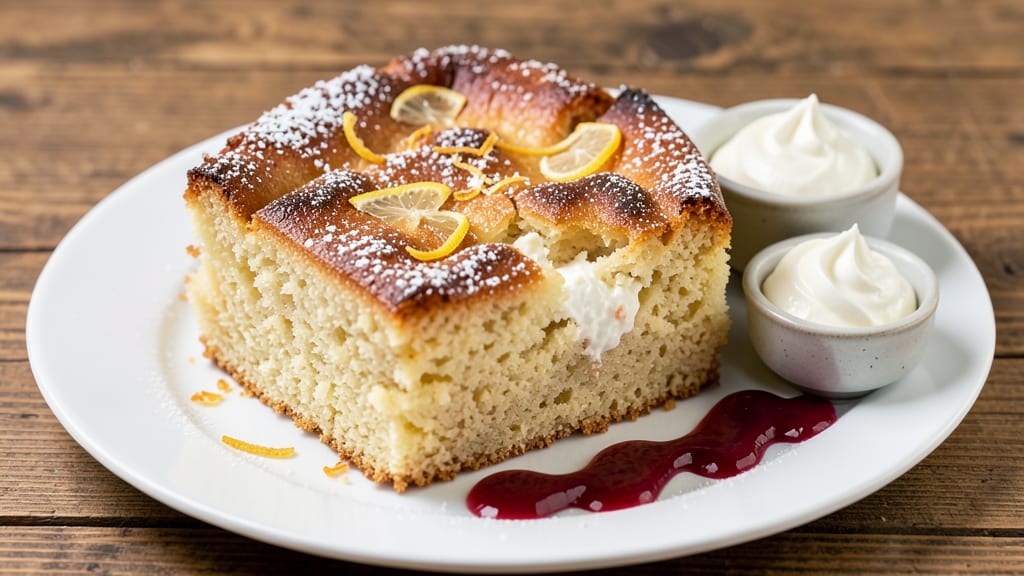
This baked ricotta cake recipe delivers layers of silky vanilla richness balanced by bright citrus notes—perfect for special occasions or when you crave something lighter than traditional pound cake. 🌟 The secret lies in ricotta's natural creaminess, which creates a tender crumb without needing excessive butter or sugar, while lemon and orange zest add that signature zing that keeps every bite fresh.
What sets this recipe apart is the technique: folding whipped egg whites into the ricotta batter at the last moment ensures a delicate, airy texture that stays moist for days. The cake bakes at a moderate temperature to prevent cracking while developing that golden, inviting crust. Professional bakers know ricotta's subtle sweetness pairs beautifully with vanilla, but the citrus twist elevates it to restaurant-quality dessert status.
By the time it emerges from the oven, you'll have a cake with perfectly set layers that slice cleanly and reveal that signature marbled effect from the citrus-infused batter. The aroma alone will have everyone gathering in the kitchen, and the first bite delivers creamy ricotta flavor with just enough tang to keep it interesting. This is the kind of dessert that feels indulgent yet light enough for afternoon tea or a summer brunch.
Serve it warm with a dusting of powdered sugar and fresh berries, or chill slightly for elegant slices with a dollop of whipped cream. The recipe scales perfectly for gatherings, and the leftovers taste even better the next day. Let's get baking!
Ingredients for baked ricotta cake
The secret to this silky cake lies in ricotta's creaminess and citrus zest's bright zing.
| Ingredient | Amount | Notes |
|---|---|---|
| Whole Milk Ricotta Cheese 🧀 | 1 ½ lbs | Full-fat, room temperature |
| All-Purpose Flour 🌾 | 2 ½ cups | Sifted for light texture |
| Granulated Sugar 🍚 | 1 ½ cups | Superfine preferred |
| Pure Vanilla Extract 🌿 | 2 tbsp | High-quality, pure vanilla |
| Large Eggs 🥚 | 4 whole | Room temperature |
| Lemon Zest 🍋 | 1 tbsp | Freshly grated |
| Orange Zest 🍊 | 1 tbsp | Freshly grated |
| Unsalted Butter 🧈 | 1 cup | Cold, cubed |
| Baking Powder 🧂 | 2 tsp | Aluminum-free preferred |
| Salt 🧂 | ½ tsp | Fine sea salt |
| Powdered Sugar 🍚 | ½ cup | For dusting |
| Fresh Blueberries 🫐 | 1 cup | Optional, for garnish |
Ricotta is the star here—whole milk, full-fat gives the richest texture. Trader Joe's or Whole Foods carry excellent options, but any good-quality ricotta works. Avoid low-fat versions; they won't deliver that signature tenderness. The zest should be vibrant—organic lemons and oranges from the produce section have the most flavor. If you can't find fresh, bottled zest is a decent backup, though it lacks freshness. For vanilla, Madagascar Bourbon extract adds depth, but pure vanilla works too.
No vanilla extract? Vanilla bean paste or even a scraped vanilla bean works in a pinch. Substituting zest? Orange juice concentrate (reduced) mimics the acidity, though it won't have the same aromatic punch. For flour, King Arthur or Bob's Red Mill brands are ideal—they're finely milled and consistent. The butter should be cold when creamed; European-style butter has higher fat content, which enhances flavor. If you're gluten-sensitive, swap the flour for a 1:1 gluten-free blend, but expect a denser crumb.
Ricotta and eggs can be prepped a day ahead—store them separately in the fridge. Whipped egg whites should be folded in last minute to maintain airiness. The cake keeps well for 4-5 days in an airtight container at room temperature, though it's best within 2 days. For longer storage, wrap tightly and freeze for up to 3 months. To serve, dust with powdered sugar and fresh berries—strawberries or raspberries complement the citrus beautifully. Leftovers reheat well in the oven at 300°F for 10 minutes to restore moisture.
Why You'll Love This Recipe
- No Mixer Needed: I swear by this—just fold the ricotta, flour, and sugar by hand. The eggs and vanilla do all the heavy lifting, and honestly? The texture comes out perfectly tender without a single lump. (Yes, even if you’re the kind who burns toast.)
- Vanilla-Kissed Richness: That first bite? Creamy, lightly sweetened, with vanilla cutting through the richness of the ricotta like a whisper. It’s not cloying—just just sweet enough to make you want to cut a second slice. (Pro tip: Use real vanilla extract, not imitation.)
- Breakfast or Dessert: Serve it warm with a drizzle of honey for a lazy weekend brunch, or dust it with powdered sugar and a sprinkle of cinnamon for an after-dinner treat. My kids ask for it both ways—no judgment here.
- Leftovers That Last: This cake keeps beautifully for days in the fridge, and slices reheat in seconds. Between us, I’ve had it cold, warmed, and even toasted—each time, it’s a win. Plus, ricotta’s affordable, so you’re not breaking the bank for a crowd-pleaser.
Step-by-step instructions for baked ricotta cake
Here's how to create a perfectly moist ricotta cake with tender layers and vibrant citrus notes.
👨🍳 Step 1: Prepare the Ricotta Mixture
In a large mixing bowl, combine the 1.5 lbs whole milk ricotta cheese with the 1.5 cups granulated sugar and 2 tbsp pure vanilla extract. Use a hand mixer on medium speed to blend until completely smooth and creamy—this should take about 2-3 minutes. The mixture should be uniform with no lumps remaining.
Next, add the 4 whole large eggs, one at a time, mixing well after each addition. Then fold in the 1 tbsp lemon zest and 1 tbsp orange zest using a rubber spatula. The citrus zest will add that bright, refreshing flavor that balances the richness of the ricotta. Set this mixture aside while you prepare the dry ingredients.
👨🍳 Step 2: Mix the Dry Ingredients
In a separate medium bowl, sift together the 2.5 cups all-purpose flour, 2 tsp baking powder, and 0.5 tsp salt. Whisk gently to combine, making sure there are no flour pockets remaining. The sifting ensures a light, airy texture for your cake.
Cut in the 1 cup unsalted butter (cold and cubed) using a pastry cutter or your fingers until the mixture resembles coarse crumbs. This step is crucial—it creates pockets for the ricotta mixture to create that signature tender crumb. Don't overwork the butter; you're looking for pea-sized pieces throughout the flour mixture.
🥘 Step 3: Combine Wet and Dry Ingredients
Gradually add the dry ingredient mixture to the ricotta mixture in three additions, mixing just until combined after each addition. Be careful not to overmix—stop as soon as the flour is incorporated. Overmixing develops gluten and can make the cake dense. The batter will be thick but smooth, similar to a slightly runny cake batter.
Fold in the 1 cup fresh blueberries (if using) with a gentle turning motion to distribute them evenly throughout the batter. The berries will add bursts of juicy sweetness that complement the creamy ricotta layers. Pour the batter into two greased and floured 9-inch round cake pans, dividing it evenly between them.
🔥 Step 4: Bake to Golden Perfection
Preheat your oven to 350°F and place the cake pans on the middle rack. Bake for 25-30 minutes or until a toothpick inserted into the center comes out clean. The cakes should be golden brown on top and slightly domed in the center.
I like to rotate the pans halfway through baking for even browning. This is especially important for ricotta cakes—they can sometimes brown more quickly on the edges. Once done, remove from the oven and let the cakes cool in the pans for 10 minutes before transferring to a wire rack to cool completely.
🍽️ Step 5: Assemble and Serve
Once completely cooled, level the tops of the cakes if needed, then dust the top of the first layer with 0.5 cup powdered sugar. Place the second layer on top and dust with the remaining powdered sugar. For extra flair, you can add a light dusting of powdered sugar on the sides as well.
Slice with a sharp serrated knife and serve at room temperature. The cake should have a tender, almost custard-like texture with moist layers that melt in your mouth. The citrus zest will give it a bright, refreshing note that cuts through the richness of the ricotta perfectly.
Pro Tips For Making Baked Ricotta Cake
- Drain the Ricotta First: I learned this the hard way—skipping the straining step leaves your cake dense and watery. Use a fine-mesh sieve or clean kitchen towel, let it sit for 10-15 minutes, and press gently with a spoon. The extra moisture makes all the difference when baking.
- Mix Dry Ingredients Separately: Combine flour, sugar, and baking powder first—this prevents lumps when you add the ricotta. I used to toss everything in at once, and the batter always ended up grainy. A quick whisk with a fork keeps it smooth.
- Don’t Overbake the Cake: Ricotta cakes turn gummy when overcooked. Pull it out when the top is golden but the center still jiggles slightly—about 30-35 minutes at 350°F (175°C). The residual heat will finish cooking it while keeping it tender.
- Use Room-Temperature Eggs: Cold eggs curdle ricotta and make the batter separate. Let them sit in warm water for 5 minutes before cracking—just enough to make them pliable. Trust me, your cake’s texture will be lighter and more uniform.
Perfect pairings for this dish
Citrus-Infused Cream
The bright flavors of lemon and orange zest in this cake pair beautifully with creamy toppings. Try a dollop of homemade whipped cream sweetened with 1 tbsp powdered sugar and flavored with ½ tsp orange blossom water. The floral note complements the citrus perfectly—just whip 1 cup heavy cream with a pinch of salt until soft peaks form. 💫
Fresh Berries
Fresh berries add a pop of color and acidity that cuts through the richness. I love using raspberries and blackberries for their juicy texture, but strawberries work beautifully too. Arrange them in a circular pattern on top of each slice for an elegant presentation. For extra flair, drizzle with a simple syrup made by simmering ½ cup sugar with ½ cup water for 5 minutes. 🍓
Espresso Dust
For a sophisticated twist, dust the cake with a light layer of espresso powder mixed with powdered sugar. Use 1 tsp finely ground espresso powder per ¼ cup powdered sugar—this adds a subtle coffee note that enhances the vanilla and citrus flavors. The contrast is unexpected but delicious, especially for afternoon tea. 💛
Honey-Lavender Glaze
A drizzle of honey-lavender glaze elevates the cake to restaurant-quality dessert status. Warm ½ cup honey with 1 tsp dried culinary lavender and 1 tbsp lemon juice in a small saucepan over low heat for 3 minutes. Strain and drizzle over slices just before serving. The floral and citrus notes harmonize beautifully with the ricotta. 🌿
Vanilla Bean Ice Cream
Serve slices of this cake warm with a scoop of vanilla bean ice cream for a decadent dessert. Look for ice cream made with real vanilla beans—brands like Ben & Jerry's or Haagen-Dazs have excellent options. The cold ice cream contrasts perfectly with the warm, creamy cake, creating a delightful balance of textures. 🍦
Wine Pairings
For an adult dessert experience, pair this cake with a glass of Moscato d'Asti—its light effervescence and sweetness complement the ricotta's creaminess. Alternatively, a Sauternes** from Bordeaux offers rich honeyed notes that harmonize with the citrus and vanilla. Avoid heavy red wines; they can overpower the delicate flavors. 🍷
Nutrition facts
Frequently asked questions
Can I substitute whole milk ricotta with part-skim?
Part-skim ricotta will work, but expect a slightly less tender texture since the lower fat content reduces creaminess. For best results, use whole milk ricotta—it's worth the extra cost for that signature silky crumb. If you must substitute, add 1 tablespoon heavy cream to compensate for the reduced fat.
Why did my ricotta cake turn out dense instead of light?
Overmixing the batter or using cold eggs can develop gluten, making the cake dense. Always mix just until combined and use room-temperature eggs. Also, ensure your ricotta is at room temperature before mixing—cold ricotta doesn't blend smoothly. Folding in whipped egg whites at the last moment helps create airiness.
Can I make this cake in a single layer instead of two?
Yes! Use a 9-inch springform pan and bake for 35-40 minutes at 350°F. The baking time may increase slightly since there's more batter to cook through. For a taller cake, reduce the oven temperature to 325°F to prevent cracking. A single layer works beautifully for smaller gatherings or when you prefer a taller slice.
How do I store leftover ricotta cake?
Store in an airtight container at room temperature for up to 4 days, though it's best enjoyed within 2 days for peak freshness. For longer storage, wrap tightly in plastic wrap and freeze for up to 3 months. To serve, thaw overnight in the fridge and warm briefly in the oven at 300°F for 10 minutes to restore moisture.
What's the best way to level the cake layers?
Use a serrated knife or a long, thin metal spatula to level the cake tops. Place the knife on top of the cake and gently press down while moving it back and forth. For a perfectly smooth finish, use a cake leveler tool. Always level the cake after it's completely cooled to avoid crumbling.