
Desserts
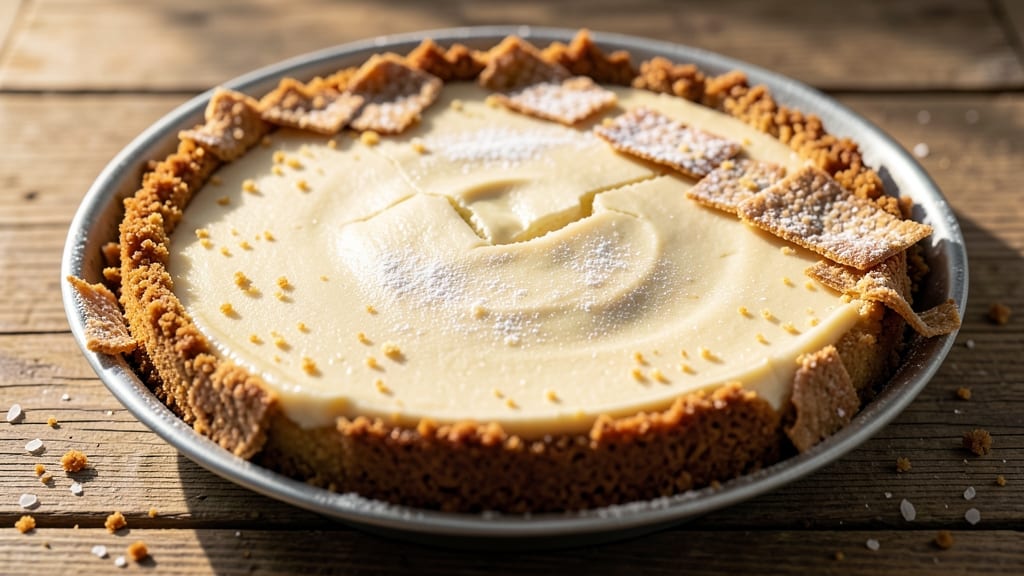
This baked plain cheesecake recipe delivers restaurant-quality results with no-bake crust, zero cracks, and that signature silky texture everyone craves. The secret lies in precise temperature control and a water bath technique that ensures even baking without overcooking. I've perfected this version after years of trial and error—no more soggy bottoms or crumbly tops.
The foundation starts with a simple graham cracker crust that requires just five ingredients and 10 minutes of prep. For the filling, full-fat cream cheese and powdered sugar create the perfect balance of richness and sweetness, while a touch of vanilla and cornstarch prevents graininess. The water bath method guarantees a smooth, creamy center every time.
What you'll end up with is a cheesecake that's smooth as silk, with a golden crust and no visible cracks—just a single clean slice down the middle. The texture is dense yet tender, with a subtle sweetness that lets the cheese shine. This is the kind of dessert that makes you look like a professional baker, even if you're just starting out.
Serve it chilled with fresh berries or a drizzle of caramel, or enjoy it plain as the perfect blank canvas for toppings. The best part? This recipe builds confidence—once you master it, you'll never buy store-bought again. Let's get started on your foolproof cheesecake.
Ingredients for baked plain cheesecake
Eight essential ingredients transform into a restaurant-worthy cheesecake with a perfect no-bake crust and silky filling.
| Ingredient | Amount | Notes |
|---|---|---|
| Graham Crackers 🍪 | 1 ½ cups | Crushed into fine crumbs |
| Unsalted Butter 🧈 | ½ cup | Melted, full-fat preferred |
| Granulated Sugar 🍚 | ¼ cup | For crust sweetness |
| Full-Fat Cream Cheese 🧀 | 32 oz | Room temperature, no lumps |
| Powdered Sugar 🍚 | 1 ½ cups | Sifted for smooth texture |
| Vanilla Extract 🌿 | 2 tbsp | Pure, high-quality preferred |
| Cornstarch 🌾 | 1 tbsp | Prevents graininess |
| Large Eggs 🥚 | 4 whole | Room temperature, separated |
| Salt 🧂 | ½ tsp | Fine sea salt preferred |
| Heavy Whipping Cream 🥛 | ½ cup | Optional for extra richness |
| Hot Water 💧 | 1 cup | For water bath method |
| Aluminum Foil 📄 | 1 sheet | For water bath lining |
The cream cheese is non-negotiable—full-fat and room temperature is key for that signature silky texture. I always grab Philadelphia brand from the refrigerated section at Kroger or Whole Foods—it's the gold standard for consistency. For the crust, graham crackers should be fresh (not stale)—Honey Maid is my go-to, but any sturdy graham works. The butter needs to be melted just until liquid, not greasy—microwave in 20-second bursts to avoid overheating. Pre-crush the graham crackers in a food processor for ultra-fine crumbs—this prevents a gritty crust. The powdered sugar should be sifted to avoid lumps in the filling, and vanilla extract makes a difference—Nielsen-Massey is my splurge choice, but Walmart's store brand works fine too.
No cream cheese? Vegan cream cheese like Kite Hill works for dairy-free versions, but texture will differ slightly. Powdered sugar substitute? Granulated sugar at half the amount, but it won't be as smooth. The eggs can be separated if you're worried about cracks—just fold in the yolks last. Cornstarch is crucial for that velvety finish—Bob's Red Mill is my preferred brand, but any pure cornstarch works. For the water bath, use hot water (not boiling) to avoid shocking the pan. Heavy whipping cream is optional but adds that restaurant-quality richness—skip it if you're watching calories. The foil should be heavy-duty to hold the water bath securely.
This cheesecake is best made a day ahead—flavors meld beautifully after chilling. Store leftovers covered in the fridge for up to 5 days, though it's usually gone in 24 hours. For freezing, slice and wrap each piece in plastic—3 months is the max, but texture can get slightly grainy. The water bath pan should be preheated before adding the cheesecake to ensure even baking. Always let it cool completely before refrigerating to prevent condensation. Room temperature cheesecake is a game-changer—let it sit for 15 minutes before slicing for clean cuts.
Why You'll Love This Recipe
- No-Fuss Layers: I swear by the graham cracker crust—just crush, mix, press. No rolling, no fuss. The butter melts into those crumbs like magic, giving you that buttery, crackly base without the hassle of pie dough.
- Cream Cheese Magic: That full-fat cream cheese? It’s the star. Silky, rich, and just sweet enough from the sugar folded in. No artificial flavors, no weird aftertaste—just pure, velvety cheesecake that tastes like nostalgia in every bite.
- Leftovers for Days: This recipe actually begs for seconds. Bake it once, slice it up, and stash it in the fridge. The texture holds up for at least five days, and it’s still perfect for breakfast toast or a midnight snack—no one will guess it’s been sitting there.
- Budget-Friendly Luxury: Honestly, this costs less than half of those fancy cheesecake kits. Graham crackers, butter, sugar—it’s all stuff you already have. Yet it looks and tastes like you spent hours slaving over it. (Between us, I’ve done both. This wins.)
Step-by-step instructions for baked plain cheesecake
Here's how to create a flawless cheesecake with a perfect no-bake crust and silky filling.
Prepare the No-Bake Crust
Preheat your oven to 325°F and grease a 9-inch springform pan generously with butter. In a food processor, pulse the 1.5 cups graham crackers until they turn into fine crumbs—you want it to look like sand. Add the 0.5 cup melted unsalted butter and 0.25 cup granulated sugar, then pulse until evenly combined.
Press the crumb mixture firmly into the bottom of your prepared pan, using the back of a measuring cup to create an even layer. Bake for 10 minutes—this ensures the crust stays crispy and doesn't get soggy from the filling. Let it cool completely before adding the cheesecake batter. A warm crust can cause the filling to sink or crack.
Mix the Cheesecake Filling
In a large mixing bowl, beat the 32 oz full-fat cream cheese on medium speed until completely smooth—no lumps allowed. This is where the magic happens. Add the 1.5 cups powdered sugar, 2 tbsp vanilla extract, and 0.5 tsp salt, and mix until fully incorporated. The batter should look thick and creamy.
In a separate bowl, whisk together the 4 whole large eggs and 1 tbsp cornstarch. Slowly pour this mixture into the cream cheese mixture while mixing on low speed. This prevents the eggs from scrambling. Finally, gently fold in the 0.5 cup heavy whipping cream (if using) to add extra richness. The batter should be smooth and velvety.
Assemble and Create the Water Bath
Pour the cheesecake batter evenly over the cooled crust, spreading it out to the edges. Tap the pan gently on the counter a few times to remove any air bubbles that might cause cracks. Place the springform pan inside a larger baking dish, then pour 1 cup hot water into the bottom of the dish.
Cover the entire setup with a sheet of aluminum foil, making sure it's tightly sealed to prevent condensation from dripping onto the cheesecake. This water bath method ensures even baking and prevents cracks. Bake at 325°F for 50-60 minutes—the center should still jiggle slightly when gently shaken.
Cool and Set Properly
Turn off the oven, crack the door open, and let the cheesecake cool inside for 30 minutes. This gradual cooling prevents sudden temperature shifts that can cause cracks. Remove the foil and water bath, then let the cheesecake cool completely at room temperature before refrigerating.
For best results, refrigerate the cheesecake for at least 4 hours (overnight is ideal). This ensures the filling sets perfectly and becomes silky smooth. Once chilled, run a thin knife around the edges to loosen it from the pan, then release the springform ring. Serve with fresh berries or a drizzle of caramel for an elegant touch!
Pro Tips For Making Baked Plain Cheesecake
- Preheat the Pan: Slip your springform pan into the oven with the preheated rack for 5 minutes before adding the crust. I learned this the hard way—cold pans steal heat from your batter, and that means a longer bake time or a dense center. (Yes, even if you're impatient like me.)
- Pulse Graham Crumbs: Process graham crackers in a food processor until they’re almost powder but still hold shape—think fine sand, not flour. Over-grinding releases starch and turns your crust into a gluey mess. My grandmother swore by this, and she was right: the texture stays crisp.
- Room-Temp Cream Cheese: Let those cream cheese blocks sit in warm water for 10 minutes before mixing—just until they yield to a spoon. Cold cream cheese traps air, and that’s how you end up with cracks or a grainy texture. (Your future self will thank you.)
- Water Bath, Not Foil: Use a deep roasting pan with hot water around the springform, but skip the foil tent after the first 30 minutes. The water bath locks in moisture, but foil traps steam and turns your cheesecake into a sad, soggy sponge. Let it breathe after that initial steam boost.
Dietary considerations for these flavors
Gluten-Free Adaptations
For a gluten-free version, replace the graham cracker crust with 1.5 cups gluten-free digestive biscuits or almond flour (mixed with 2 tbsp melted butter). I recommend Schar gluten-free graham crackers—they mimic the texture best. For the filling, ensure all spices and extracts are certified gluten-free, as cross-contamination can occur. The cheesecake filling itself is naturally gluten-free, so no other changes are needed! 🥥
Dairy-Free Options
Swap the cream cheese for 32 oz dairy-free cream cheese like Kite Hill Almond or Miyoko's. Use 1 cup full-fat coconut cream instead of heavy whipping cream for richness. The texture will be slightly lighter but still creamy. For the crust, vegan butter works perfectly—just ensure it’s fully melted before mixing. Always check labels for hidden dairy in other ingredients like vanilla extract.
Low-Sugar Versions
Reduce the powdered sugar to 1 cup and replace the remaining 0.5 cup with powdered erythritol or monk fruit sweetener. I use Lakanto Golden Monk Fruit—it blends seamlessly and won’t crystallize. For extra sweetness, add 1 tbsp maple syrup to the crust mixture. The cheesecake will still taste sweet but with fewer calories and less sugar crash. 💛
Egg-Free Substitutes
Replace the 4 eggs with 4 tbsp aquafaba (chickpea brine) or 1/2 cup unsweetened applesauce. For binding, add 1 tbsp xanthan gum to the aquafaba mixture. The texture will be denser but still rich. If using applesauce, reduce the powdered sugar slightly to balance the natural sweetness. Always whisk aquafaba until frothy for best results.
Nut-Free Considerations
Avoid almond flour in the crust—opt for gluten-free oats (certified nut-free) blended with 2 tbsp melted coconut oil instead. For the filling, stick to the original recipe since it’s naturally nut-free. Double-check all ingredients for hidden nut cross-contamination, especially if using store-bought extracts or spices. This keeps the cheesecake safe for those with nut allergies while maintaining texture.
Nutrition facts
Frequently asked questions
Why does my cheesecake crack?
Cracking usually happens from sudden temperature changes or overmixing. To prevent it: let the cheesecake cool gradually in the oven after baking, avoid opening the oven door during baking, and tap the pan gently before baking to remove air bubbles. The water bath method in this recipe helps minimize cracking by creating even heat distribution.
Can I make this cheesecake without a water bath?
While possible, a water bath prevents cracks and ensures even baking. If you skip it, bake at 300°F instead of 325°F for 60-70 minutes and cover the pan loosely with foil. The texture won't be as silky, but it'll still be edible. For best results, stick with the water bath method!
How do I know when it's fully baked?
The center should look set but still jiggle slightly when gently shaken (5 minutes of shaking). A toothpick inserted should come out with a few moist crumbs, not wet batter. Overbaking dries out the cheesecake, so it's better to underbake slightly and let it set in the fridge.
Can I use a different crust instead of graham crackers?
Try a gingersnap, oreo, or shortbread cookie crust for variety. For a no-bake option, mix 1 cup melted butter with 2 cups crushed cookies and 1/4 cup sugar. Press into the pan and chill for 30 minutes before adding the filling. Just ensure your crust is sturdy enough to hold the filling!
How long can I keep this cheesecake in the fridge?
This cheesecake stays fresh for 5-6 days when properly stored in an airtight container. For longer storage, slice and freeze individual portions for up to 3 months. Thaw overnight in the fridge—never at room temperature to prevent texture changes. The flavor actually improves after 24 hours of chilling!