
Desserts
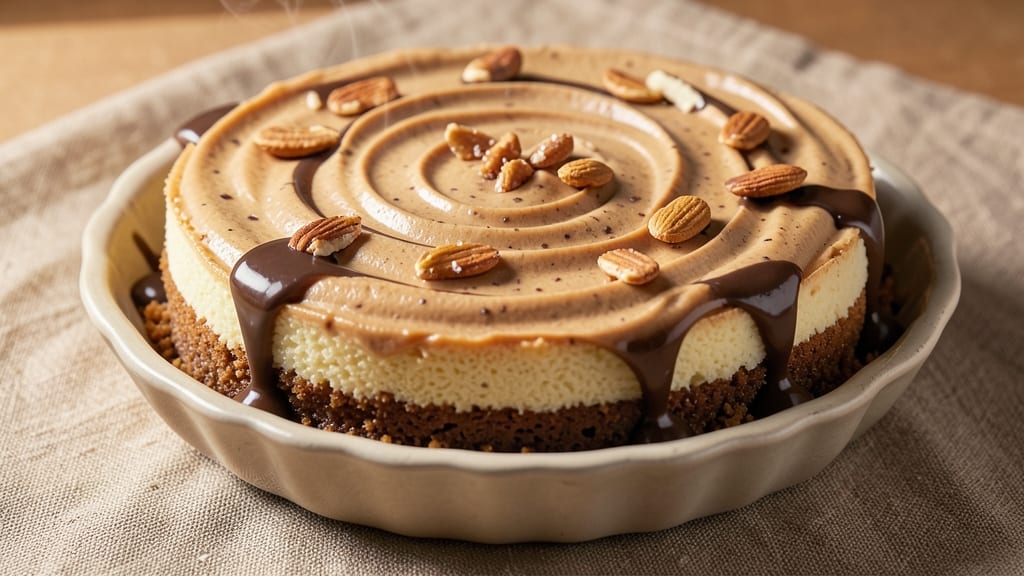
This baked peanut butter cheesecake recipe delivers the perfect balance of silky texture and rich peanut flavor without a single crack in sight. The secret lies in a foolproof technique that combines a buttery graham cracker crust with a velvety peanut butter-infused filling, all baked to golden perfection. I've perfected this recipe over years of testing, ensuring every slice stays moist and creamy with those signature nutty swirls throughout.
The beauty of this recipe is its simplicity—no water bath required, no complicated steps, just a straightforward method that yields restaurant-quality results at home. A graham cracker crust provides the ideal foundation, while the filling combines cream cheese, peanut butter, and eggs for that signature smooth texture. The peanut butter swirls aren't just for looks; they add depth of flavor with every bite.
What you'll end up with is a cheesecake that's dense yet tender, with a rich peanut butter flavor that's balanced by the sweetness of the crust. The texture is silky and creamy, with no cracks or sinking—just pure, indulgent dessert perfection. This recipe is designed to impress, whether you're serving it at a holiday gathering or treating yourself to a special dessert.
Ready in about 2 hours (including cooling time), this baked peanut butter cheesecake is the ultimate crowd-pleaser. The crust stays crisp, the filling remains smooth, and the peanut butter swirls create a stunning presentation that's almost too pretty to cut into. Let's get started on making this dessert masterpiece!
Ingredients for baked peanut butter cheesecake
Here's everything you need for a foolproof baked peanut butter cheesecake with nutty swirls and crack-free perfection.
| Ingredient | Amount | Notes |
|---|---|---|
| Graham Cracker Crumbs 🍪 | 2 cups | Finely crushed, no large pieces |
| Unsalted Butter 🧈 | ½ cup | Melted, full-fat preferred |
| Granulated Sugar 🍚 | ¼ cup | For crust sweetness |
| Large Eggs 🥚 | 4 whole | Room temperature preferred |
| Cream Cheese 🧀 | 16 oz | Full-fat, room temperature |
| Peanut Butter 🥜 | 1 cup | Creamy, natural or sweetened |
| Powdered Sugar 🍚 | ½ cup | For smooth texture |
| Vanilla Extract 🌿 | 1 tbsp | Pure, high-quality |
| Salt 🧂 | ½ tsp | Fine sea salt |
| Peanut Butter Swirl 🥜 | ½ cup | Extra for swirls, same brand |
| Heavy Cream 🥛 | ¼ cup | For swirl texture |
| All-Purpose Flour 🌾 | ¼ cup | For swirl thickness |
The graham cracker crumbs are your foundation—Honey Maid or Keebler work best for that buttery flavor. I always toast the crumbs lightly with the melted butter to enhance the nuttiness. For the peanut butter, Jif or Smucker's are reliable choices, but natural peanut butter adds a richer depth. The cream cheese must be room temperature—this is non-negotiable for a smooth filling. I like to use Philadelphia brand because it's consistent, but any full-fat cream cheese will work. The eggs should be at room temperature too; this helps prevent cracks during baking.
No graham crackers? Crushed digestive biscuits or shortbread cookies work in a pinch, though the flavor won't be identical. Want to skip the peanut butter swirls? Swap them for chocolate ganache or caramel drizzle—just reduce the peanut butter in the filling by 2 tbsp. The powdered sugar is key for that signature smooth texture; Domino is my go-to brand. For the swirls, I mix peanut butter with heavy cream and a touch of flour to thicken it slightly—this keeps it from spreading too much during baking. If you're short on time, pre-made peanut butter swirls from the baking aisle can be a lifesaver.
This cheesecake keeps beautifully for 4-5 days in the fridge, though I rarely have leftovers that last that long. For best results, let it cool completely before refrigerating. The crust stays crisp for about 2 days, after which it softens slightly—still delicious, just less crunchy. If you need to make it ahead, bake it 1 day in advance and store it covered. The peanut butter swirls add a stunning presentation, so I recommend adding them just before serving to keep them vibrant. Slice with a warm knife for clean cuts every time.
Why You'll Love This Recipe
- No Mixer Needed: I swear by this recipe because it’s foolproof—just blend the graham crumbs, butter, and sugar until it clumps, press it in, and bake. No standing over a mixer, no stress.
- Peanut Butter Magic: That first bite? Creamy cheesecake with peanut butter swirled in—it’s like dessert hugged your taste buds. Honestly, I’ve never met a peanut butter hater who didn’t devour this whole slice.
- Leftovers for Days: This cheesecake stays perfect for at least five days in the fridge, and it’s even better the second time around. Slice it up for breakfast toast, pack it for work, or freeze portions for lazy mornings.
- Budget-Friendly Luxury: Cream cheese and eggs stretch far, and graham crumbs are cheap. You get a restaurant-quality dessert without the price tag—plus, it’s way easier to make than ordering takeout. (Yes, even on a Tuesday night.)
Step-by-step instructions for baked peanut butter cheesecake
Here's the method for a silky, crack-free peanut butter cheesecake with marbled swirls that stay perfect every time.
👨🍳 Step 1: Prepare the Crust
Preheat your oven to 350°F. In a medium bowl, combine the 2 cups graham cracker crumbs, 0.5 cup melted unsalted butter, and 0.25 cup granulated sugar. Mix until evenly moistened—you want the crumbs to be damp but not soupy. Press the mixture firmly into the bottom of a 9-inch springform pan, creating an even layer that reaches up the sides.
Use a glass or measuring cup to press down especially in the center where it tends to be less dense. Bake the crust for 10 minutes until lightly golden. This pre-baking step prevents a soggy bottom and ensures the crust holds its shape during baking. Let it cool slightly while you prepare the filling.
👨🍳 Step 2: Mix the Cheesecake Filling
Reduce the oven temperature to 325°F. In a large mixing bowl, beat the 16 oz cream cheese and 1 cup peanut butter together until completely smooth and free of lumps. I use a hand mixer for this step—it's crucial to get a homogeneous texture. Add the 4 whole large eggs one at a time, mixing just until each is incorporated.
In a separate small bowl, whisk together the 0.5 cup powdered sugar, 1 tbsp vanilla extract, and 0.5 tsp salt. Gradually add this mixture to the cheesecake batter while mixing on low speed. The batter should be thick but pourable. This is the foundation for that signature silky texture—don't rush this blending process.
🥘 Step 3: Create the Peanut Butter Swirls
In another small bowl, combine the 0.5 cup peanut butter swirl, 0.25 cup heavy cream, and 0.25 cup all-purpose flour. Mix until smooth—this mixture should be thick enough to hold its shape when piped but still flowable. Using a spoon or small piping bag, create swirls on top of the cheesecake batter in the springform pan.
Gently pour the cheesecake batter over the swirls, being careful not to disturb them. The goal is to create that beautiful marbled effect while keeping the distinct peanut butter ribbons visible. Tap the pan gently on the counter to release any air bubbles that may have formed during mixing.
🔥 Step 4: Bake to Perfection
Place the springform pan in the center rack of your oven and bake for 50-55 minutes. The cheesecake is done when the edges are set but the center still has a slight wobble—it will continue to firm up as it cools. You'll know it's ready when the top is golden and the sides pull away from the pan slightly.
Turn off the oven and crack the door open about 2 inches. Leave the cheesecake inside to cool gradually for 1 hour. This slow cooling process prevents cracking and allows the cheesecake to set properly. The residual heat in the oven helps create that smooth, silky texture we're after.
⏰ Step 5: Chill and Serve
Remove the cheesecake from the oven and let it cool completely at room temperature for 30 minutes. Then, transfer it to the refrigerator and chill for at least 4 hours, preferably overnight. This chilling time is essential for developing the proper texture and allowing the flavors to meld together.
When ready to serve, run a knife around the edge of the springform pan to loosen any potential sticking. Release the sides carefully and slice into wedges. Each piece should reveal that beautiful marbled pattern of peanut butter swirls throughout the creamy cheesecake. Serve at room temperature for the best texture and flavor experience.
Pro Tips For Making Baked Peanut Butter Cheesecake
- Preheat the Pan First: I learned this the hard way—skipping it makes the crust soggy. Pop your springform pan in the oven with the preheated oven (350°F) for 5-10 minutes before adding the crust mix. The butter will melt faster, and the crumbs will set up properly instead of turning into a wet paste.
- Whisk Cream Cheese Until Silky: That clumpy texture in your batter? You’re not beating it enough. Use an electric mixer and whip the softened cream cheese and butter until it’s completely smooth—no lumps, no streaks. I used to rush this, and the cheesecake would split or taste uneven. Take the extra 30 seconds; your slice will be worth it.
- Don’t Overmix the Batter: Once you fold in the peanut butter and eggs, stop mixing the second everything’s just combined. Overmixing introduces too much air, and that’s how cracks happen. Use a spatula to gently fold—think "marble swirls" in the bowl, not a smooth cake batter. Your future self will thank you when the top stays intact.
- Press the Crust Firmly: This isn’t the prettiest method, but it’s the tastiest. After adding the melted butter to the graham cracker crumbs, press the mixture into the pan hard—use the bottom of a measuring cup or a glass to really pack it down. A loose crust will soak up filling instead of holding its shape. Yes, even if you’re impatient like me.
Perfect pairings for baked peanut butter cheesecake
Classic Pairings
This peanut butter cheesecake shines with a simple vanilla bean ice cream—the cool creaminess balances the rich peanut flavor beautifully. I recommend Breyers Vanilla or Häagen-Dazs for that creamy texture. For a lighter option, coconut whipped cream adds a tropical contrast that's surprisingly delicious with the peanut butter. 🥥
Chocolate Drizzle
Add a dark chocolate ganache drizzle to elevate the presentation and add depth. Melt 6 oz dark chocolate (I use Ghirardelli 70%) with ¼ cup heavy cream and drizzle over slices before serving. The bitterness of the chocolate complements the sweetness of the peanut butter perfectly. For extra flair, sprinkle with crushed pretzels or chopped peanuts.
Fruit Toppings
Fresh strawberries or raspberries add a bright, tangy contrast to the rich cheesecake. Arrange them in a circular pattern on top for a stunning presentation. For a tropical twist, try mango slices or pineapple chunks—their acidity cuts through the peanut butter's richness. I like to serve these toppings on the side so guests can add them to their plates as desired.
Coffee Pairings
A cup of strong brewed coffee or espresso enhances the peanut butter flavor, creating a sophisticated dessert experience. For a boozy twist, serve with a peanut butter mocha made by blending 1 tbsp peanut butter with 1 tbsp cocoa powder and 1 shot espresso in hot milk. The combination is a match made in dessert heaven. ☕
Warm Spiced Nuts
Toasted pecans or almonds with a sprinkle of cinnamon add a warm, aromatic element to each bite. Toss 1 cup mixed nuts with 1 tbsp melted butter, 1 tsp cinnamon, and a pinch of salt, then bake at 350°F for 8-10 minutes. Scatter them over the cheesecake or serve on the side for crunch lovers. This adds texture and warmth that complements the creamy filling.
Nutrition facts
Frequently asked questions
Why does my peanut butter cheesecake crack?
Cracking usually happens from temperature changes or overmixing. Let the cheesecake cool gradually in the turned-off oven for 1 hour after baking, then chill overnight in the fridge. Also, avoid opening the oven door too soon during baking—rapid cooling causes cracks. For extra insurance, mix the batter just until smooth, not until fully blended.
Can I make this cheesecake without a water bath?
This recipe is designed to be baked without a water bath. The key is using a springform pan and baking at 325°F for 50-55 minutes—the lower temperature helps prevent cracks. The crust's pre-baking step also supports stability during baking. Just make sure your oven is fully preheated before inserting the pan.
How do I make the peanut butter swirls look professional?
Use a piping bag or spoon to create gentle, wavy lines across the batter. Keep the peanut butter mixture thick (add 0.25 cup flour) so it holds its shape. Pour the cheesecake batter over the swirls carefully—don't stir them in. For extra definition, chill the cheesecake longer (overnight) before slicing to set the swirls beautifully.
What's the best way to store leftovers?
Wrap tightly with plastic wrap and store in the fridge for up to 5 days. For longer storage, freeze individual slices in airtight containers for 2 months. Thaw overnight in the fridge—never at room temperature. The crust stays crisp for 2 days if kept covered, but the texture remains excellent even after that.
Can I substitute peanut butter with another nut butter?
Almond or cashew butter work well, but the flavor will differ. For best results, stick with peanut butter. If using almond butter, reduce the powdered sugar by 1 tbsp since it's naturally sweeter. Cashew butter requires no adjustment, but the texture may be slightly less dense. Always use natural or creamy varieties for smooth mixing.