
Desserts
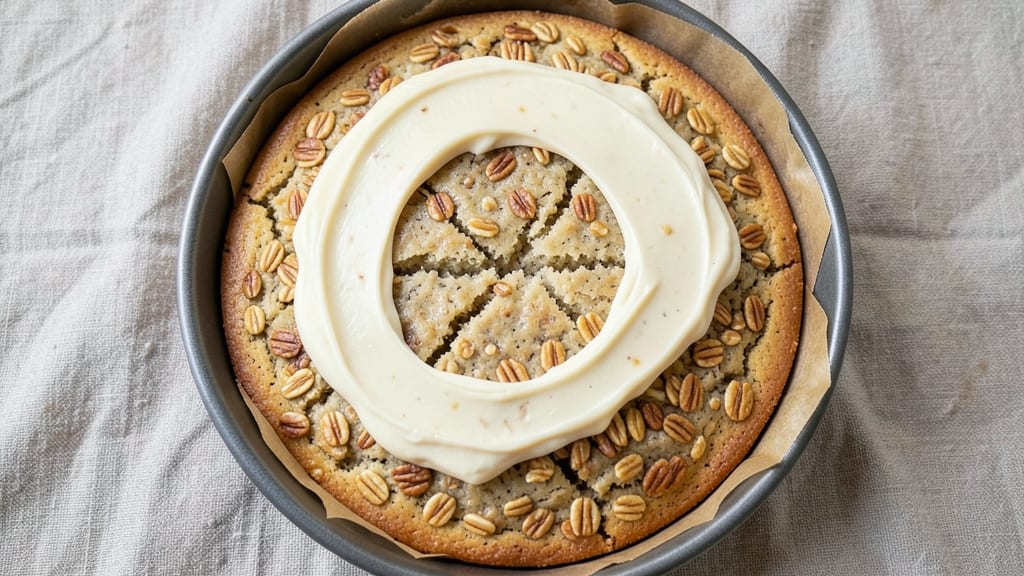
This baked oats cake recipe delivers crumb-free moisture with a tender texture that feels like a cross between cake and bread pudding. The secret lies in soaking rolled oats until they absorb liquid, creating a velvety crumb without dryness. Warm spices like cinnamon and nutmeg layer in comforting depth, while a touch of vanilla elevates the flavor to something truly special.
What sets this recipe apart is its foolproof technique—no fancy equipment needed, just a standard mixing bowl and oven. The cake bakes up with a golden top and soft, even crumb throughout, thanks to proper folding and leavening. It's the kind of dessert that feels indulgent but comes together with simple ingredients you likely already have on hand.
Once out of the oven, the texture is moist and tender, almost custard-like, with a subtle crunch from the oats. Serve it warm with a dollop of whipped cream or a drizzle of caramel, or enjoy it at room temperature with a cup of tea. The flavor profile is comforting yet sophisticated, making it perfect for brunch, dessert, or even breakfast.
For variations, try adding chocolate chips for a decadent twist or swirling in fruit compote for a burst of freshness. The recipe scales easily, so you can make a single layer for a small gathering or double it for a crowd. Let's get baking!
Ingredients for baked oats cake
Simple pantry staples create this velvety oats cake with no dry crumbs in sight.
| Ingredient | Amount | Notes |
|---|---|---|
| Rolled Oats 🌾 | 2 cups | Old-fashioned, not quick oats |
| All-Purpose Flour 🌾 | 1 ½ cups | Sifted for even texture |
| Granulated Sugar 🍚 | 1 cup | White or light brown |
| Light Brown Sugar 🍚 | ½ cup | Packed lightly |
| Unsalted Butter 🧈 | ¾ cup | Cold, cubed for easier mixing |
| Large Eggs 🥚 | 2 whole | Room temperature |
| Vanilla Extract 🌿 | 1 tbsp | Pure extract preferred |
| Milk 🥛 | 1 cup | Whole milk for richness |
| Ground Cinnamon 🌶️ | 1 ½ tsp | Freshly ground for warmth |
| Ground Nutmeg 🌶️ | ½ tsp | Freshly grated preferred |
| Baking Powder 🍞 | 1 tsp | Aluminum-free for best rise |
| Salt 🧂 | ½ tsp | Fine sea salt |
| Powdered Sugar 🍚 | ¼ cup | For dusting after baking |
The oats are the star here—old-fashioned, not quick oats—they need time to soak up moisture. Bob's Red Mill or any organic brand works great, but avoid steel-cut if you're aiming for that tender texture. The flour should be sifted before measuring to avoid lumps, and King Arthur or Gold Medal are reliable choices. Butter matters too: use unsalted and let it sit at room temperature for 30 minutes before mixing. The warm spices—cinnamon and nutmeg—are non-negotiable for that comforting depth, but if you're feeling adventurous, a pinch of cardamom adds another layer.
No vanilla extract? Vanilla bean paste works just as well, or even a scraped vanilla bean if you're feeling fancy. Milk can be swapped for almond or oat milk, but whole milk gives the best moisture. Short on baking powder? Baking soda plus cream of tartar at half the amount is a good substitute. The sugars can be adjusted too—use all white sugar for a milder flavor or all brown for a deeper caramel note. For a richer texture, consider adding 1/4 cup sour cream to the batter, but it's not essential.
This cake keeps beautifully—wrap tightly in plastic wrap and store at room temperature for up to 3 days, or refrigerate for 5 days. For longer storage, freeze portions wrapped in parchment paper for 3 months. The powdered sugar topping is optional but adds a lovely finish. If you're making it ahead, bake it a day in advance—it actually tastes better the next day as the flavors meld. Perfect for meal prep too: slice and freeze individual portions for quick breakfasts or snacks.
Why You'll Love This Recipe
- No Mixer Needed: I swear by this recipe when my hands are full—just stir, fold, and bake. The oats and butter create a tender crumb without requiring a single whisk stroke, and the brown sugar caramelizes into those little pockets of sweetness that make it feel like you put in effort.
- Buttery-Oat Magic: That combo of melted butter and rolled oats? It’s what turns this into something dangerously addictive. The oats add a subtle chew, while the butter keeps it rich—no dry cake vibes here. Honestly, I’ve had people ask if it’s shortbread, and I don’t correct them.
- Weeknight or Celebration: Same batter, endless uses. Keep it simple for a quick breakfast cake, or dress it up with a dusting of powdered sugar for a dessert that feels fancy. My kids devour it plain, but I’ve also served slices at book club with tea—no judgment either way.
- Budget-Friendly Staples: You’re already using pantry basics, which means this cake won’t break the bank. A single batch stretches to four servings, and leftovers? They disappear faster than my willpower when I’m craving something sweet. Plus, the oats make it feel hearty enough to pair with coffee or milk.
Step-by-step instructions for baked oats cake
This method delivers a perfectly moist, crumb-free oat cake with warm spice layers every time.
Preheat and Prepare the Oats
Preheat your oven to 350°F and grease an 8-inch round cake pan or line it with parchment paper. This ensures easy release later. In a small bowl, toast the 2 cups rolled oats in the oven for 5-7 minutes until they develop a nutty aroma and light golden color. This step enhances their flavor and prevents a raw taste in the final cake.
Let the oats cool completely before using them. I like to spread them on a baking sheet to cool faster. Toasting the oats is crucial—they'll absorb moisture differently when raw, potentially making your cake dense instead of moist.
Cream Butter and Sugars Together
In a large mixing bowl, combine the 0.75 cup cold cubed butter, 1 cup granulated sugar, and 0.5 cup light brown sugar. Using an electric mixer on medium speed, beat for 3-4 minutes until the mixture is light, fluffy, and nearly doubled in volume. This creaming process incorporates air, which creates that tender crumb-free texture we're after.
Scrape down the sides of the bowl occasionally to ensure even mixing. The butter should be completely creamed with no visible lumps. If you see any, continue beating for another 30 seconds. This step is foundational for achieving that perfect moist texture in the final cake.
Add Eggs and Wet Ingredients
Add the 2 whole room-temperature eggs one at a time, mixing well after each addition. Then stir in the 1 tbsp vanilla extract and 1 cup milk. Mix just until combined—don't overmix or you'll develop gluten in the flour, which can make the cake tough.
In a separate bowl, whisk together the 1.5 cups all-purpose flour, 1.5 tsp ground cinnamon, 0.5 tsp ground nutmeg, 1 tsp baking powder, and 0.5 tsp salt. Sift the flour mixture once before adding it to the wet ingredients. This prevents lumps and ensures even distribution of the spices.
Combine and Fold in Toasted Oats
Gradually add the dry ingredients to the wet mixture, mixing on low speed just until combined. Avoid overmixing—you're looking for a thick, slightly shaggy batter. The batter should hold its shape when you lift the spoon, but still be pourable.
Using a spatula, gently fold in the 2 cups toasted oats until evenly distributed. The oats should be dispersed throughout the batter but still visible. This step is where the texture magic happens—the oats add chewiness while the moist batter keeps everything tender.
Bake to Perfect Moisture
Pour the batter into your prepared cake pan and smooth the top with a spatula. Bake in the preheated oven for 35-40 minutes, or until a toothpick inserted in the center comes out clean. The cake should be golden brown on top and spring back slightly when pressed gently.
Let the cake cool in the pan for 10 minutes, then transfer it to a wire rack to cool completely. While cooling, dust the top with the 0.25 cup powdered sugar through a fine-mesh sieve. This adds a delicate sweet finish that complements the warm spice flavors.
Serve at Room Temperature
This cake tastes best served at room temperature, allowing all the flavors to fully develop. The moist texture will be at its peak when slightly warm, but it keeps well at room temperature for 2-3 days if stored in an airtight container.
Slice with a sharp knife dipped in hot water for clean cuts. Each slice should reveal a tender, moist crumb with visible oat pieces and warm cinnamon-nutmeg flavor throughout. The texture should be soft and slightly chewy—not dry or crumbly.
Pro Tips For Making Baked Oats Cake
- TOAST YOUR OATS: I learned this the hard way—skipping this step makes the cake dense and gummy. Pulse rolled oats in a food processor for 10-15 seconds (just until they look like coarse sand) before mixing with dry ingredients. This mimics oatmeal texture and gives your cake that perfect crumb.
- MELT BUTTER COOL: Don’t use warm butter straight from the microwave—it’ll melt the sugar and turn your batter into soup. Melt the butter, let it cool to room temperature (about 10 minutes), then mix. Your cake will hold its shape instead of spreading like a sad puddle.
- DON’T OVERMIX: Once you add wet ingredients, stop after 20 seconds. I used to beat this batter like I was punishing it, and the result was tough, dry cake. A few gentle folds are all you need—just until the flour disappears.
- CHILL THE BATTER: This isn’t the prettiest method, but it’s the tastiest. After mixing, refrigerate the batter for 20-30 minutes. The oats absorb moisture, the sugars dissolve evenly, and you’ll get a cake with a tender crumb instead of a brick. (Yes, even if you’re impatient like me.)
Pro cooking tips for this dish
Toast Oats Properly
Never skip toasting the oats—this is the secret to their perfect texture. Spread 2 cups rolled oats on a baking sheet and toast in a 350°F oven for 5-7 minutes until golden and fragrant. Untosted oats will make your cake dense and gummy. I like to stir them halfway to ensure even browning. This step also deepens their nutty flavor, which shines through in the final cake. 🌾
Cream Butter to Perfection
Cold butter is your friend here—cube 0.75 cup unsalted butter and let it sit at room temperature for 30 minutes before creaming. Beat it with sugars on medium speed for 3-4 minutes until light and fluffy. The mixture should look like pale ribbon when you lift the beaters. If it feels greasy or grainy, continue beating for another 30 seconds. This air incorporation is what prevents dry crumbs.
Fold, Don’t Stir
When combining wet and dry ingredients, mix just until combined—overmixing develops gluten and makes the cake tough. Use a spatula to gently fold in the toasted oats in the final step. The batter should look thick and slightly shaggy, with visible oat pieces. Think of it like folding in chocolate chips—just until evenly distributed. This keeps the texture tender and moist rather than dense.
Bake Time Matters
Bake at 350°F for 35-40 minutes, but don’t overbake! The cake is done when a toothpick comes out clean (or with a few moist crumbs). Overbaking dries out the oats and makes the cake crumbly. I recommend checking at 30 minutes—every oven varies. The edges should pull away slightly from the pan, and the top should be golden but not dark brown.
Cool Patiently
Let the cake cool in the pan for 10 minutes before transferring to a wire rack. This prevents cracking and helps the powdered sugar adhere evenly when you dust it. The center will still be warm, but the edges will be set. Patience here ensures clean slices later—no crumbling or sticking to the knife. A damp paper towel wrapped around your knife before slicing also helps with clean cuts. ✨
Storage Secrets
Store leftovers in an airtight container at room temperature for 3 days or refrigerate for 5 days. For longer storage, freeze slices wrapped in plastic for 3 months. The cake actually improves overnight as the flavors meld. To reheat, warm slices in the microwave for 10-15 seconds to restore moisture—just enough to soften without drying out the oats. 💫
Nutrition facts
Frequently asked questions
Why does this oat cake turn out so moist compared to regular cakes?
The secret lies in the soaked oats and proper creaming. Toasted oats absorb moisture while the butter-sugar mixture traps air, creating a tender crumb. The milk and eggs also add richness, keeping it moist for days. This method prevents dryness that often happens with traditional oat-based baked goods.
Can I make this cake gluten-free?
Yes! Replace the 1.5 cups all-purpose flour with a 1:1 gluten-free baking flour blend (like Bob's Red Mill). Add 1 extra teaspoon of xanthan gum to help bind the texture. You may need to adjust liquid slightly—start with 1/4 cup less milk since GF flours absorb differently. The cake will still be tender but slightly denser.
What's the best way to add chocolate chips or fruit?
For chocolate chips, fold in 1 cup mini chips with the oats in the final step. For fruit, use 1 cup chopped apples or berries (tossed in 1 tbsp flour first to prevent sinking). Add them after mixing wet/dry ingredients but before folding in oats. Avoid overmixing—just stir until evenly distributed.
Why did my cake sink in the middle?
This usually happens from overmixing the batter or opening the oven too soon. Mix just until combined (the batter should be thick but pourable). Bake until a toothpick comes out clean (with a few moist crumbs is fine). If your oven runs hot, reduce temperature to 325°F and check at 35 minutes. A water bath can also help with even baking.
How can I make this cake more flavorful?
Try adding 1 tsp orange zest or 1/2 tsp cardamom to the dry ingredients. For depth, swap 1/4 cup milk with espresso or chai tea (cooled). A 1/2 cup caramel sauce swirled into the batter before baking adds richness. The spices already provide warmth, but these tweaks elevate it to next-level comfort.