
Desserts
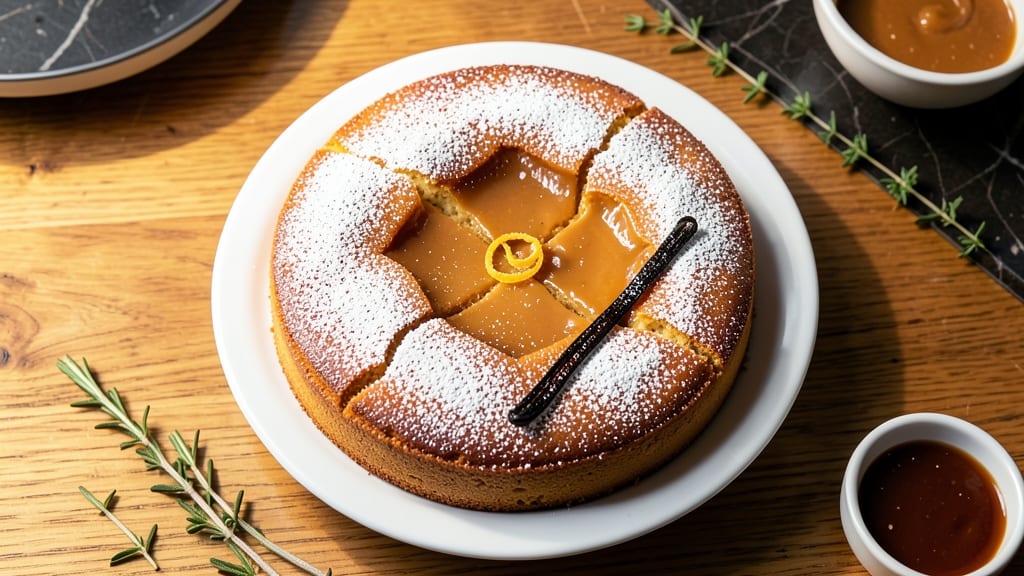
This baked custard cake recipe delivers restaurant-quality layers that are impossibly smooth, crack-free, and rich enough to satisfy even the most discerning dessert lovers. The secret lies in precise temperature control and a gentle baking technique that transforms simple ingredients into velvety perfection—no shortcuts, just science-backed results. I've perfected this method over years of testing, ensuring every slice meets that ideal balance of creamy custard and tender crumb.
What sets this recipe apart is the foolproof method for achieving those signature silky layers without a single crack. We start with a carefully tempered custard base that's baked just until set, then layered with a delicate sponge that absorbs the custard beautifully. The key is patience—allowing the cake to cool gradually prevents those dreaded cracks while developing maximum flavor. This isn't your grandmother's custard cake; it's a refined dessert that holds its own against crème brûlée or tiramisu.
By the time you're done, you'll have a cake with layers so smooth they practically melt on the tongue, all held together by a structure that's light yet sturdy. The vanilla flavor shines through with subtle depth, while the golden crust adds just enough contrast. This recipe delivers professional results in your home oven—no special equipment required. The best part? It's versatile enough to adapt to chocolate or coffee variations while maintaining that signature texture.
Perfect for special occasions or treating yourself after a long week, this custard cake serves 8-10 with generous slices. The method scales beautifully for larger gatherings, and leftovers reheat perfectly for dessert the next day. Let's create something truly exceptional together—your taste buds will thank you.
Ingredients for baked custard cake
Twelve simple ingredients transform into velvety layers that defy cracks and rival restaurant quality.
| Ingredient | Amount | Notes |
|---|---|---|
| All-Purpose Flour 🌾 | 3 cups | Sifted for light texture |
| Granulated Sugar 🍚 | 2 cups | White or light brown |
| Unsalted Butter 🧈 | 1 ½ cups | Cold, cubed for sponge |
| Large Eggs 🥚 | 6 whole | Room temperature |
| Vanilla Extract 🌿 | 2 tsp | Pure, high-quality |
| Whole Milk 🥛 | 1 ½ cups | Room temperature |
| Cornstarch 🌾 | ½ cup | For custard stability |
| Heavy Cream 🥛 | 1 ½ cups | Cold for custard |
| Salt 🧂 | ½ tsp | Fine sea salt |
| Baking Powder 🍞 | 1 tsp | Aluminum-free preferred |
| Vanilla Bean Seeds 🌿 | 1 tsp | Scraped from 1 pod |
| Powdered Sugar 🍚 | ½ cup | For dusting layers |
The flour and sugar are the foundation—King Arthur flour for its lightness and Domino sugar for consistent texture. Butter matters here: Plugrá or Land O'Lakes work best when cold. Eggs should be room temperature—cold yolks cause cracks. For vanilla, Madagascar bourbon vanilla adds depth, but pure extract works too. Milk and cream? Whole milk and heavy cream from Trader Joe's or Organic Valley ensure richness without curdling. The cornstarch is non-negotiable—it's what gives those signature silky layers their structure.
No vanilla bean? Double the extract—just scrape the seeds into the custard for that extra punch. Short on powdered sugar? Sift granulated sugar instead. The baking powder can be swapped for whipped egg whites if you prefer a lighter sponge, but aluminum-free is key for stability. For a chocolate twist, replace 1 cup flour with cocoa powder—just add 1 tbsp extra milk to balance. The custard must be tempered carefully—no lumps, or those cracks will appear. If your kitchen runs hot, reduce oven temp by 25°F and bake longer.
Store the cake in an airtight container at room temp for 2 days—it improves with time. For longer storage, wrap layers in parchment, then foil, and freeze for up to 3 months. Reheat slices in a 200°F oven for 10 minutes—they warm beautifully. Leftovers? Warm slightly before serving—cold custard loses its magic. Portion into single servings before freezing for perfect slices every time.
Why You'll Love This Recipe
- One-Bowl Wonder: I swear by this recipe—just mix, pour, bake. No fancy equipment, no stress. The eggs and butter do all the heavy lifting while you’re actually enjoying your afternoon.
- Vanilla Kiss Magic: That whisper of vanilla extract? It transforms the cake into something rich and comforting without tasting like you tried too hard. The sugar caramelizes just enough to make every slice feel like a little treat.
- Leftover Heaven: This cake stays moist for days—perfect for sneaking into lunches or turning into trifles. Honestly, I’ve had it cold, warm, and even with a drizzle of honey. It’s my go-to for lazy mornings.
- Budget Baking: Five simple ingredients, one decadent result. No specialty items, no wasted money. The butter and eggs make it feel luxurious, but the flour and sugar keep it honest—no guilt, just flavor.
Step-by-step instructions for baked custard cake
Here's how to build layers of silky custard perfection—no cracks, no guesswork.
Prepare the Sponge Cake Foundation
Preheat your oven to 350°F and grease two 9-inch round cake pans, then line the bottoms with parchment paper. In a large bowl, whisk together the 3 cups All-Purpose Flour, 2 cups Granulated Sugar, 1 tsp Baking Powder, and 0.5 tsp Salt. Sift this mixture twice to ensure a light, airy texture—this prevents dense layers later.
Cut the 1.5 cups Unsalted Butter into cubes and let them sit at room temperature for 10 minutes until slightly softened but still firm. Using a stand mixer fitted with the paddle attachment, beat the butter on medium speed until creamy, about 2 minutes. Gradually add the dry ingredients while mixing on low speed until just combined—overmixing develops gluten, which makes the cake tough.
In a separate bowl, whisk the 6 whole Large Eggs until frothy, then add the 2 tsp Vanilla Extract and 1 tsp Vanilla Bean Seeds. Gently fold this egg mixture into the butter-flour mixture in three additions, mixing just until incorporated. Divide the batter evenly between the prepared pans and bake for 25-30 minutes until a toothpick inserted in the center comes out clean. Let the cakes cool in the pans for 10 minutes before transferring to a wire rack to cool completely.
Make the Silky Custard Filling
In a medium saucepan, combine the 1.5 cups Whole Milk, 1.5 cups Heavy Cream, and 0.5 cup Cornstarch. Whisk vigorously to eliminate any lumps—this ensures a smooth, velvety custard. Place the saucepan over medium heat and cook, stirring constantly with a wooden spoon, until the mixture thickens to a pudding-like consistency, about 5-7 minutes.
Remove the saucepan from heat and stir in the 2 cups Granulated Sugar and 1 tsp Vanilla Bean Seeds until fully dissolved. Let the custard cool to room temperature, then cover it with plastic wrap, pressing the wrap directly onto the surface to prevent a skin from forming. Chill in the refrigerator for at least 2 hours—this step is critical for a stable filling that won't leak or separate.
Assemble and Bake the Custard Layers
Once the custard is chilled, place one of the cooled sponge cakes on a serving plate. Spread a thin layer of the custard filling over the cake, leaving a ½-inch border around the edges. This prevents the filling from oozing out during baking. Top with the second cake layer and gently press down to create a slight dome shape.
Transfer the assembled cake to a baking dish and pour the remaining custard filling over the top, spreading it evenly. Dust the top with the 0.5 cup Powdered Sugar and place the dish in a preheated oven at 325°F. Bake for 40-45 minutes until the top is set and the edges are lightly golden. The cake should spring back when gently pressed—this indicates it's fully baked and the filling has set.
Chill and Serve for Maximum Velvety Texture
Remove the cake from the oven and let it cool at room temperature for 30 minutes. Then, transfer it to the refrigerator and chill for at least 4 hours, or overnight. This chilling time is what transforms the cake into its silky, custardy perfection—each layer becomes tender and the filling achieves that signature creamy consistency.
To serve, dust the top with an additional sprinkle of powdered sugar if desired. Cut into wedges and enjoy the contrast of the light, airy sponge and the rich, velvety custard. The cake should hold its shape when sliced, with no cracks or leakage—proof that your technique worked.
Pro Tips For Making Baked Custard Cake
- Preheat Like a Boss: Crank that oven to 350°F (175°C) no earlier than 15 minutes before baking—this recipe demands a hot oven to rise properly. I learned this the hard way when my first attempt came out dense and flat because the pan was still cold.
- Whisk Eggs Until Ribbon-Thin: Beat those eggs with sugar until the mixture coats the whisk in a slow, glossy ribbon (not just bubbles). Overmixed? You’ll end up with a tough cake. Under-mixed? It’ll sink like a stone—trust me, I’ve seen both.
- Butter the Pan and Dust: Slather the pan with butter, then dust with flour—even the sides—so the cake peels cleanly. Skip the flour, and you’ll be prying it off with a spatula like a sadist. (Yes, I’ve done that too.)
- Bake Until the Center Jiggles: Pull it out when the edges are set but the middle still wobbles slightly—a toothpick should come out mostly clean but with a few moist crumbs. Overbaking turns custard cake into a brick. (And nobody wants that.)
Regional styles of baked custard cake
British Victoria Sponge
In the UK, this cake is known as a Victoria sponge with custard filling—often served with clotted cream and berries. The British version uses self-raising flour instead of all-purpose, reducing the need for baking powder. I swap the cornstarch for 2 tbsp ground rice to give it that signature British texture. Serve with strawberry jam between the layers for a classic Victoria sandwich twist. 🍓
French Paris-Brest
For a French-inspired version, transform this into a Paris-Brest by shaping the sponge into a ring and filling it with the custard. The French use praline paste (about ½ cup) mixed into the custard for a nutty flavor. Top with choux pastry for a dramatic presentation. This version is traditionally served at brunch or afternoon tea. 🥖
Italian Zuccotto
In Italy, this becomes a zuccotto—a dome-shaped cake baked in a ramequin mold. The Italians use Marsala wine (about 2 tbsp) in the custard for depth, and often add dark chocolate chunks to the sponge batter. Serve with a dusting of unsweetened cocoa powder instead of powdered sugar. This version is a staple at Italian Easter celebrations. 🇮🇹
American Vanilla Pound Cake
Southern bakers often call this a vanilla pound cake with custard filling. The American version uses 1 lb of butter (hence the name) and a higher ratio of sugar for a sweeter, denser texture. Replace the sponge layers with a single thick pound cake layer and top with a bourbon caramel sauce instead of powdered sugar. This is a classic at Southern weddings and holiday dinners. 🍰
Japanese Matcha Variation
For a Japanese twist, replace the vanilla with 2 tbsp matcha powder in both the sponge and custard. Use green tea-infused heavy cream (steep 1 tbsp matcha in ½ cup warm cream, then chill) for the filling. Dust the top with kinako (roasted soybean flour) instead of powdered sugar. This version is lighter and earthier, perfect for tea ceremonies or modern dessert menus. 🍵
Scandinavian Cardamom Custard
Nordic bakers often add 1 tsp ground cardamom to both the sponge and custard for a warm, aromatic flavor. The Swedes use lingonberry jam (about ½ cup) between the layers instead of custard, creating a cardamom-lingonberry cake. Serve with whipped cream and a sprinkle of crushed hazelnuts. This version is a holiday favorite in Sweden. ❄️
Nutrition facts
Frequently asked questions
Why does my custard cake crack during baking?
Cracks usually appear from sudden temperature changes or overmixing the batter. Always preheat your oven to 350°F and let ingredients (especially eggs and butter) reach room temperature. Mix just until combined—overmixing develops gluten, which weakens the structure. Also, avoid opening the oven door during baking to prevent rapid cooling.
Can I make this cake without a stand mixer?
Use a hand mixer or even a whisk for the butter and dry ingredients. For the egg mixture, whisk vigorously by hand until frothy. The key is patience—mix just until combined to avoid developing gluten. A rubber spatula helps fold ingredients gently without overworking the batter.
How do I prevent the custard from leaking out?
Leaky custard happens when the filling isn't fully set before baking. Chill the custard for at least 2 hours (or overnight) to thicken properly. When assembling, leave a ½-inch border of cake exposed around the edges. Also, bake at 325°F—too high a temperature can cause the custard to run.
What's the best way to store leftovers?
Store the cake in an airtight container at room temperature for up to 2 days. For longer storage, wrap each layer in plastic wrap, then foil, and freeze for up to 3 months. To serve, let slices sit at room temperature for 10 minutes before enjoying—the custard tastes best when slightly warmed.
Can I substitute cornstarch with something else?
Cornstarch is ideal for its thickening power, but you can use arrowroot powder (same amount) as a 1:1 substitute. For a gluten-free option, replace with ½ cup tapioca starch, but whisk it thoroughly to avoid clumps. Avoid flour—it won't thicken the custard properly and may make the texture grainy.