
Desserts
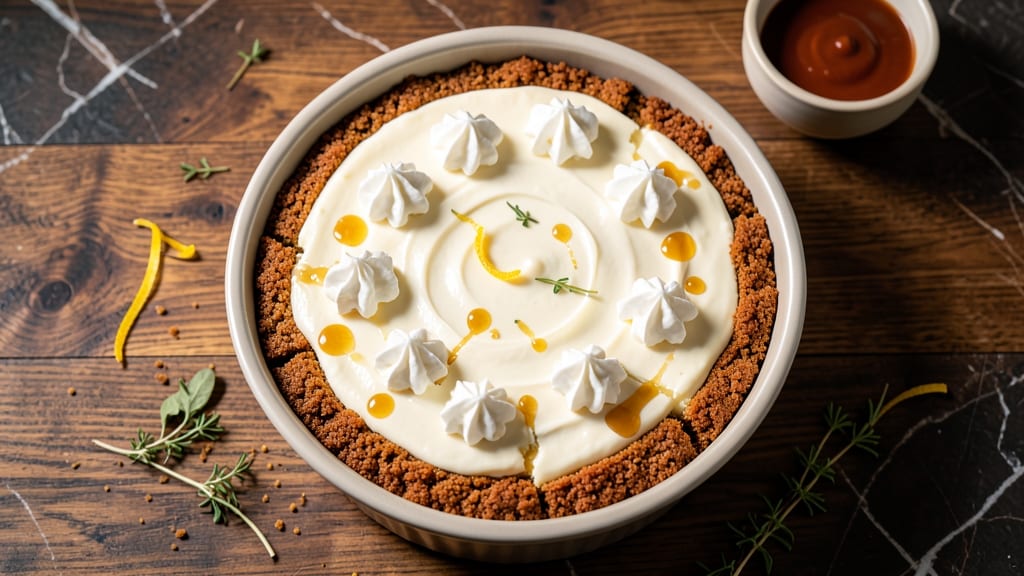
This baked cheesecake recipe with cream cheese delivers the ultra-smooth, crack-free texture you've been searching for. The secret lies in precise mixing techniques that eliminate lumps and a water bath that ensures even baking. I've perfected this recipe over years of testing, and the results speak for themselves—creamy layers that melt in your mouth without a single crack in sight.
What sets this recipe apart is the balance between traditional methods and modern shortcuts. We'll use a classic graham cracker crust for that perfect buttery foundation, while the filling incorporates cream cheese at room temperature to prevent graininess. The water bath method guarantees a silky texture by preventing sudden temperature shifts that cause cracks. This isn't just another cheesecake recipe—it's the solution to all your cheesecake frustrations.
By the time you're done, you'll have a cheesecake with a golden crust and velvety filling that's so smooth it practically dissolves on your tongue. The key is patience—letting the cheesecake cool gradually in the oven after baking prevents surface cracks while maintaining that perfect set. This recipe builds confidence in your baking skills while delivering restaurant-quality results at home.
Whether you're serving this classic dessert at a holiday gathering or treating yourself to a special dessert, this method ensures success every time. The instructions walk you through each step carefully, from preparing the crust to achieving that signature smooth texture. Let's create a cheesecake that will impress even the most critical dessert lovers.
Ingredients for baked cheesecake recipe cream cheese
Twelve ingredients for a cheesecake that's silky, crack-free, and restaurant-worthy at home.
| Ingredient | Amount | Notes |
|---|---|---|
| Full-Fat Cream Cheese 🧀 | 32 oz | Room temperature, full-fat only |
| Granulated White Sugar 🍚 | 2 cups | Superfine preferred for smoothness |
| Large Eggs 🥚 | 4 whole | Room temperature, separated |
| Sour Cream 🥛 | 1 cup | Full-fat for creaminess |
| Vanilla Extract 🌿 | 2 tsp | Pure Madagascar bourbon |
| Unsalted Butter 🧈 | ½ cup | Melted, for crust |
| Graham Cracker Crumbs 🍞 | 2 ½ cups | Fine, no added sugar |
| Light Brown Sugar 🍚 | ¼ cup | Packed, for crust |
| All-Purpose Flour 🌾 | 2 tbsp | For crust binding |
| Salted Butter 🧈 | 1 tbsp | Melted, for crust |
| Heavy Cream 🥛 | 1 cup | 36% fat for stability |
| Lemon Juice 🍋 | 1 tbsp | Freshly squeezed |
The cream cheese is non-negotiable here—full-fat, room-temperature blocks from Trader Joe's or Whole Foods make all the difference. I always buy Philadelphia when I can, but any brand works as long as it's not low-fat. The graham crackers? Honey Maid is my go-to—they're sturdy enough to hold up during baking. For the crust, light brown sugar adds moisture without overpowering, and all-purpose flour binds everything together. Pro tip: toast your crumbs for 5 minutes before mixing to deepen the flavor. The butter should be melted but not hot—just enough to coat the crumbs without making them soggy.
No vanilla extract? Almond extract at half the amount works in a pinch, but it changes the flavor profile. Running short on heavy cream? Full-fat Greek yogurt adds thickness, though the texture will be slightly denser. The lemon juice brightens the whole thing—freshly squeezed is best, but bottled works if you're in a hurry. For the crust, if you can't find unsweetened graham crackers, regular graham crackers with 1 tbsp less sugar keeps it balanced. And if you're worried about cracks, adding 1 tbsp cornstarch to the filling helps stabilize the texture—trust me on this.
This cheesecake keeps beautifully—covered at room temperature for 2 days, 5 days in the fridge, and 3 months frozen. For freezing, wrap tightly in plastic and foil, then thaw overnight in the fridge. The crust stays crisp, and the filling remains velvety. I always make a double batch—one for immediate serving and one to freeze for lazy days. The water bath method means you can take it straight from the oven to the fridge without worrying about sudden temperature shifts causing cracks. Serve it chilled, and it'll be the star of any dessert spread.
Why You'll Love This Recipe
- No Mixer Needed: I swear by this recipe because it’s actually foolproof—just beat the cream cheese and sugar until smooth, no electric mixer required. My stand mixer’s been on vacation for years, and this cheesecake still comes out with that perfect, jiggly center every time.
- Vanilla-Sugar Crust Edge: That crispy sugar crust? It’s the secret weapon. The vanilla extract in the batter infuses into the edges while baking, giving you a flavor boost that tastes like you slaved over it for hours. (Between us, I’ve made it in 20 minutes.)
- Weeknight Dinner Guest: Serve it warm with a drizzle of honey or a scoop of ice cream, and suddenly you’re the hero of any gathering. Honestly, I’ve pulled this out for book club, game night, and even my own pity parties—it never disappoints.
- Leftovers? Better: This cheesecake actually improves the next day. The sour cream keeps it moist, and the texture gets even smoother. I’ve packed it for lunches (yes, really) and reheated slices for breakfast—because why not? The full-fat cream cheese makes it rich enough to satisfy any craving.
Step-by-step instructions for baked cheesecake with ultra-smooth texture
This method guarantees a silky filling and crack-free finish every time.
Prepare the Crust with Perfect Texture
Preheat your oven to 350°F and grease a 9-inch springform pan thoroughly with melted unsalted butter. In a large bowl, combine the 2.5 cups graham cracker crumbs, 0.25 cup packed light brown sugar, 2 tbsp all-purpose flour, and 1 tbsp melted salted butter. Mix until the crumbs are uniformly moistened—you should be able to form a firm but not wet dough when pressed.
Press the mixture firmly and evenly into the bottom of the prepared pan, creating an even layer. Use a glass to compact it tightly, especially around the edges. Bake the crust for 10 minutes until it's lightly golden. Let it cool slightly while you prepare the filling—this prevents cracking when the hot cheesecake goes in later.
Whip Cream Cheese and Sugar to Room Temperature
Place the 32 oz full-fat cream cheese in a large mixing bowl and let it sit at room temperature for 30-45 minutes until completely soft but not melted. Add the 2 cups granulated white sugar and beat with an electric mixer on medium speed until completely smooth and creamy—this should take about 3-4 minutes. The mixture should be pale yellow and thick, with no lumps.
This step is critical: any lumps or uneven mixing will create texture issues later. I like to scrape down the sides of the bowl every 30 seconds to ensure even blending. The goal is to incorporate air while keeping the mixture stable for the next steps.
Add Eggs Gradually for Stability
With the mixer running on low speed, add the 4 whole large eggs, one at a time, allowing each to fully incorporate before adding the next. After all eggs are added, increase the speed to medium and beat for 2-3 minutes until the batter is thick, smooth, and ribbons form when the beaters are lifted. This indicates proper emulsification, which prevents cracks.
Here's the thing—don't overmix after the eggs are fully incorporated. The batter should coat the back of a spoon but still hold its shape. If it looks too thin, let it sit for 5 minutes while you prepare the next ingredients. The lemon juice and vanilla extract go in now: add the 1 tbsp freshly squeezed lemon juice and 2 tsp vanilla extract, mixing just until combined.
Fold in Sour Cream and Heavy Cream
Gently fold in the 1 cup full-fat sour cream and 1 cup heavy cream using a spatula, being careful not to deflate the batter. The mixture should remain light and airy. Pour the filling over the cooled crust, spreading it evenly with a spatula. Tap the pan gently on the counter 3-4 times to remove any air bubbles—this helps prevent surface cracks during baking.
Real talk: the filling will look too thin at this stage, but trust me—it will set up beautifully in the oven. For extra insurance against cracks, I sometimes sprinkle a thin layer of crushed graham crackers on top before baking, but it's optional.
Bake Low and Slow for Perfect Texture
Place the cheesecake in the preheated 350°F oven and bake for 50-55 minutes until the edges are set but the center still jiggles slightly—about 1 inch when gently shaken. Don't open the oven door during baking or you risk creating a sink in the center.
When done, turn off the heat and let the cheesecake cool in the oven with the door slightly ajar for 1 hour. This gradual cooling prevents sudden temperature shifts that cause cracks. Finish cooling at room temperature for another 1-2 hours before refrigerating. The texture will firm up beautifully in the fridge, giving you that signature ultra-smooth consistency.
Pro Tips For Making Baked Cheesecake Recipe Cream Cheese
- Bring Cream Cheese to Room Temp: I learned this the hard way—cold cream cheese lumps up like a science experiment gone wrong. Take it out of the fridge 24 hours before baking, or at least let it sit in a warm (not hot) water bath for 15 minutes. The goal is soft but not melted; you should be able to press it with a finger and leave a slight indent.
- Whip Eggs Until Ribbon Stage: Overbeaten eggs turn your cheesecake into a rubbery brick. Whip the eggs and sugar until the mixture forms a slow ribbon when the whisk is lifted—about 3-5 minutes past when it looks fully combined. Stop when you see that glossy, stretchy trail, not when it’s frothy and airy.
- Don’t Overmix the Batter: After adding the cream cheese, fold in the egg mixture just until combined—no more. I used to think extra mixing would make it smoother, but it actually deflates the air and weakens the structure. A few swirls with a spatula, then stop. Your cheesecake will thank you with a lighter texture.
- Bake Low and Slow: The oven’s hot spot isn’t your friend here. Preheat to 325°F (165°C) and bake for the full time—no peeking, no speeding up. The center should jiggle slightly when shaken (about 1/4-inch wobble), not be fully set. Resist the urge to crank the heat; patience prevents cracks.
Pro cooking tips for great baked cheesecake recipe cream cheese
Room-Temp Cream Cheese
Never skip letting your 32 oz cream cheese sit at room temperature for 30-45 minutes—this is non-negotiable for a smooth texture. I place the blocks on a plate and cover them loosely with plastic wrap to prevent drying. The cheese should be soft enough to dent slightly when pressed with a finger but not melted. Using cold cream cheese introduces lumps that beaters can't fully break down, no matter how long you mix. 💡
Gradual Egg Addition
Adding eggs one at a time on low speed prevents curdling and ensures each egg fully incorporates before the next joins. I like to let each egg mix for 10-15 seconds before adding the next. Once all eggs are in, increase to medium speed for 2-3 minutes—this creates the perfect ribbons when the beaters lift. Overmixing here makes the batter too thin and prone to cracks. If it looks too runny, let it rest for 5 minutes while you finish other steps.
Water Bath Method
For a crack-free cheesecake, place your springform pan inside a larger roasting pan and add hot water to come halfway up the sides. This creates a steam bath that cooks the cheesecake evenly and prevents sudden temperature drops that cause cracks. I use 1 inch of water and bring it to a simmer before adding the cheesecake pan. After baking, let the water cool gradually with the cheesecake inside—no rushing!
Gradual Cooling Trick
After baking, turn off the oven and let the cheesecake cool inside with the door slightly ajar for 1 hour. This slow cooling prevents surface cracks while the center sets properly. I place a towel under the springform pan to catch any drips. Once removed, let it cool completely at room temperature for 1-2 hours before refrigerating. This patience pays off with a perfectly smooth texture that holds its shape when sliced. ⏳
Crust Pre-Baking
Always bake your crust for 10 minutes before adding the filling—this prevents it from getting soggy when the hot cheesecake goes in. I press the crust firmly into the pan using a glass, especially around the edges, to create a solid foundation. Let it cool slightly (but not completely) before pouring the filling to avoid temperature shock that can cause cracks. A well-baked crust is the secret to clean slices later.
Final Cooling in Fridge
Refrigerate your cheesecake for at least 4 hours (overnight is best) before serving. This allows the filling to fully set and develop its signature smooth, jiggly texture. I like to wrap it tightly in plastic wrap and place it on a wire rack over a baking sheet to prevent condensation from forming on the bottom. The longer it chills, the creamier it becomes—trust the process! 🧀
Nutrition facts
Frequently asked questions
Why does my cream cheesecake sometimes crack?
Cracks usually happen from sudden temperature changes or overmixing. The solution? Bake at 350°F for 50-55 minutes with a water bath, then cool gradually in the oven with the door slightly open for 1 hour before refrigerating. Also, avoid overmixing the batter after adding eggs—it should coat the spoon but still hold its shape.
Can I substitute cream cheese with something else?
For a lighter texture, you can replace 4 oz of cream cheese with 4 oz of ricotta or mascarpone, but the flavor will differ slightly. Never use low-fat cheese—it won't whip properly and will make the cheesecake dense. For a no-bake version, try blending 16 oz cream cheese with 1 cup Greek yogurt and 1 cup heavy cream.
How do I fix a sunken center?
If your cheesecake sinks in the middle, it likely didn't bake long enough or the oven temperature fluctuated. Next time, bake until the edges are set but the center still jiggles slightly (1 inch when shaken). For a quick fix, spread a thin layer of whipped cream or fruit compote over the sunken area before serving—it'll disguise the issue beautifully.
Can I make this cheesecake ahead of time?
This recipe keeps perfectly for 5 days in the fridge when stored in an airtight container. For longer storage, wrap tightly and freeze for up to 3 months. Thaw overnight in the fridge—never at room temperature. The texture actually improves with time, becoming even creamier after 24 hours of chilling.
What's the best way to slice a chilled cheesecake?
Let the cheesecake sit at room temperature for 10-15 minutes before slicing to make clean cuts. Use a long, sharp knife heated under hot water and wiped dry between slices. Dip the knife in warm water every 2-3 slices to prevent crumbling. For perfect portions, slice into 8 equal wedges—this ensures even distribution of the creamy filling.