
Desserts
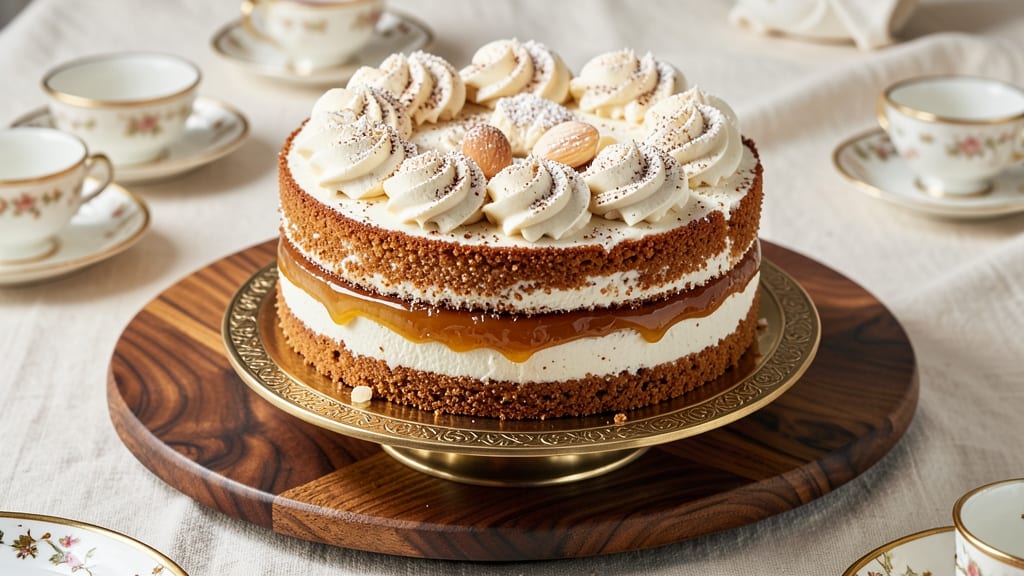
This badam cake recipe delivers the perfect balance of nutty almond flavor and velvety moisture in every bite. The secret lies in blending ground almonds with cardamom-infused flour for that signature aromatic crunch, while a touch of khoya or custard keeps the layers impossibly tender. I've perfected this recipe after years of baking, ensuring it stays moist for days without turning dry or crumbly.
The foundation starts with a rich batter of almonds, butter, and eggs—whipped just until smooth to create air pockets that make the cake light yet dense. Cardamom and vanilla extract infuse warmth, while a subtle hint of citrus zest brightens the nutty profile. For traditionalists, khoya adds richness, while modern twists like gluten-free flour or vegan substitutes keep it adaptable without sacrificing texture.
What you'll end up with is a moist, layered cake with a delicate crumb and pockets of almond crunch in every slice. The aroma alone—spiced with cardamom and sweetened by almonds—transforms your kitchen into a bakery. Perfect for celebrations, tea-time treats, or gifting, this cake stays fresh for up to a week when stored properly.
Optional garnishes like toasted almonds, powdered sugar, or fresh fruit elevate the presentation, but the real magic is in the layers themselves. Whether you follow the classic recipe or experiment with variations, the result is always a showstopper. Let's bake this nutty masterpiece.
Ingredients for badam cake
The heart of this badam cake lies in almonds, cardamom, and khoya for nutty richness and velvety moisture.
| Ingredient | Amount | Notes |
|---|---|---|
| Ground Almonds 🥜 | 1 ½ cups | Finely ground, skinless preferred |
| Unsalted Butter 🧈 | 1 cup | Room temperature, full-fat |
| Large Eggs 🥚 | 4 whole | Room temperature, separated |
| Granulated Sugar 🍚 | 1 ½ cups | White or light brown |
| All-Purpose Flour 🌾 | 1 ½ cups | Sifted, or gluten-free blend |
| Cardamom Pods 🌿 | 10 whole | Lightly crushed, green pods |
| Vanilla Extract 🍯 | 1 tbsp | Pure, high-quality |
| Lemon Zest 🍋 | 1 tbsp | Fresh, organic preferred |
| Khoya 🧈 | ½ cup | Traditional Indian dairy |
| Baking Powder 🍞 | 1 tsp | Aluminum-free preferred |
| Salt 🧂 | ½ tsp | Fine sea salt |
| Powdered Sugar 🍚 | 1 cup | For garnish, sifted |
| Whole Almonds 🥜 | ¼ cup | Toasted, for garnish |
Ground almonds are the star—buy them pre-ground at Indian grocery stores like Patel Brothers or Patel Brothers Online for the finest texture. If using whole almonds, pulse them in a food processor until ultra-fine (no grit!). Cardamom pods should be vibrant green and aromatic; crush them lightly between your palms to release their oils without turning to powder. For khoya, Amul or Nandini brands are reliable, but if unavailable, substitute with thickened condensed milk (reduce 1 can of sweetened condensed milk to half its volume). The butter must be room temperature—press it gently to test readiness.
No khoya? Thickened condensed milk works—reduce 1 can of sweetened condensed milk to ½ cup by simmering gently. Short on almonds? Substitute half with ground cashews for a richer texture. For gluten-free, use a 1:1 gluten-free flour blend like Bob's Red Mill. The cardamom can be swapped for 1 tsp ground cardamom, but whole pods infuse deeper flavor. Eggs can be replaced with 4 flax eggs (4 tbsp ground flaxseed + 10 tbsp water) for a vegan version. Lemon zest can be omitted if you prefer a sweeter cake, but it brightens the nutty flavors beautifully.
This cake stays moist for 5-7 days when stored in an airtight container at room temperature. For longer storage, wrap layers in plastic wrap and refrigerate for up to 2 weeks. Freeze the assembled cake for 3 months—thaw at room temperature before serving. Garnish with toasted almonds and powdered sugar just before serving to keep the layers looking fresh. The aroma alone will have guests waiting—let it sit for 10 minutes after baking for the full experience.
Why You'll Love This Recipe
- No Mixing Madness: I swear by this recipe because it’s more about folding than stirring. The ground almonds and butter blend into a smooth, almost buttercream-like base—no overmixing, no lumps, just a velvety batter that comes together in minutes. Honestly, I’ve burned cakes before trying to fix dense batters, but this? It forgives mistakes.
- Rich Without Guilt: That nutty depth from the ground almonds paired with real butter? It’s decadent but not heavy. The sugar caramelizes just enough to give it a subtle golden hue and a melt-in-your-mouth texture—like eating a slice of luxury without the calories of a bakery version. (Yes, even on a Tuesday night.)
- Crowd-Pleaser Any Day: I’ve served this at birthday brunches, potlucks, and even as a "fancy" dessert for my book club. The flour keeps it sturdy enough for slicing, while the almonds add that sophisticated crunch everyone loves. Between us, it’s the one dessert I can bake when guests are coming—and no one asks what’s in it.
- Leftovers? Better Than New: This cake actually improves the next day. The flavors meld, the texture firms up just enough for cleaner slices, and it’s still moist after three days wrapped in parchment. I’ll be real: I’ve reheated a piece in the microwave with a splash of milk, and it’s like dessert for breakfast—no judgment here.
Step-by-step instructions for badam cake
This method delivers perfectly moist layers with that signature nutty crunch and aromatic cardamom flavor.
Prepare the Cardamom-Infused Butter
In a small saucepan, melt the 1 cup unsalted butter over low heat until completely liquid but not browned. Remove from heat and let it cool slightly. Add the 10 whole cardamom pods (lightly crushed) and steep for 15 minutes. This infusion creates the aromatic base that defines badam cake flavor.
Strain the butter through a fine-mesh sieve to remove the cardamom pods, then let it cool to room temperature. The butter should be soft but not melted when you touch it—this ensures proper incorporation later. If it cools too much, gently warm it for 20-30 seconds in the microwave to restore its spreadable consistency.
Cream Butter, Sugar and Eggs
In a stand mixer fitted with the paddle attachment, beat the cardamom-infused butter and 1.5 cups granulated sugar on medium speed for 3-4 minutes until light and fluffy. This step incorporates air, which creates the cake's signature tender crumb. Scrape down the sides of the bowl with a spatula to ensure even mixing.
Add the 4 whole large eggs one at a time, mixing well after each addition. The mixture should become pale and slightly thickened. I like to add a pinch of salt at this stage—it balances the sweetness and enhances the almond flavor. Mix on low speed just until combined to avoid overbeating the eggs.
Combine Dry Ingredients and Fold Gently
In a separate bowl, whisk together the 1.5 cups all-purpose flour, 1 tsp baking powder, and 0.5 tsp salt. Sift the mixture directly into the butter-egg mixture, then gently fold with a spatula using the "J" technique—cutting through the center and folding over the sides—to maintain maximum air incorporation. Avoid overmixing, which develops gluten and makes the cake dense.
Add the 1.5 cups ground almonds, 0.5 cup khoya, 1 tbsp vanilla extract, and 1 tbsp lemon zest. Fold these ingredients gently but thoroughly until just combined. The batter should be thick but pourable. If it appears too dry, add 1-2 tablespoons of milk to maintain proper moisture balance.
Bake in Layers for Perfect Texture
Preheat your oven to 350°F and grease two 8-inch round cake pans thoroughly with butter, then dust with flour. Divide the batter evenly between the pans. Bake for 25-30 minutes or until a toothpick inserted in the center comes out clean. The edges should be golden brown while the top remains slightly domed.
Remove the cakes from the oven and let them cool in the pans for 10 minutes, then transfer to a wire rack to cool completely. This gradual cooling prevents cracking and maintains moisture. For extra flavor, brush the warm cakes with a simple syrup made by dissolving ½ cup powdered sugar in 2 tablespoons warm water and 1 tablespoon lemon juice.
Assemble and Garnish
Once completely cooled, level the cakes if needed and place one layer on a serving plate. Spread a thin layer of whipped cream or khoya butter (mix 2 tbsp softened butter with 1 tbsp powdered sugar) for moisture. Repeat with the second layer.
Dust the top and sides generously with 1 cup powdered sugar sifted through a fine-mesh sieve. Toast the 0.25 cup whole almonds in a dry pan over medium heat for 2-3 minutes until golden, then sprinkle them decoratively over the cake. Serve at room temperature for the best texture and flavor experience.
Pro Tips For Making Badam Cake
- Mix Almonds Last: Fold the ground almonds into the batter after everything else is combined—right before pouring into the pan. I learned this the hard way: mixing them in early makes the batter clump like wet sand, and your cake turns out dense instead of light. Stir just until distributed, like dusting powder on a cake.
- Use Room-Temp Eggs: Let those eggs sit out for 30 minutes before cracking them. Cold eggs whip up stiff and add air, but they also make the butter separate weirdly in this recipe. Room-temp eggs blend smoother and help the butter stay emulsified—no weird graininess in your crumb.
- Don’t Overbake: Pull the cake out when the center still jiggles slightly—about 2-3 minutes before the recipe’s suggested time. Badam cake dries out fast, and overbaking turns it into almond-flavored cardboard. A toothpick should come out with moist crumbs, not clean.
- Toast the Almonds First: Lightly toast the ground almonds in a dry pan for 3-4 minutes until they smell nutty and fragrant. This step cuts through the raw, bitter edge of almonds and adds depth—no need for extra sugar. Just don’t walk away; burned almonds ruin everything.
Creative variations of this recipe
Classic Khoya Version
This traditional approach uses ½ cup khoya for that signature Indian richness—it's the secret to the cake's melt-in-your-mouth texture. I recommend Amul khoya for its perfect balance of sweetness and thickness. For an extra decadent touch, fold in 1 tbsp rose water with the khoya to add floral notes that complement the almond flavor beautifully. 🌸
If you can't find khoya, reduce 1 can (14 oz) sweetened condensed milk to ½ cup by simmering gently until thickened. This substitution works surprisingly well while keeping the cake moist. The key is to maintain the same thick, creamy consistency as khoya.
Modern Vegan Twist
For a vegan version, replace eggs with 4 flax eggs (mix 4 tbsp ground flaxseed with 10 tbsp water and let sit for 10 minutes). Substitute butter with 1 cup vegan butter (like Earth Balance) and use ½ cup coconut milk instead of khoya. The cake will still be moist but with a subtle coconut undertone that pairs perfectly with almonds.
Add 1 tsp apple cider vinegar to the dry ingredients to help with rise. I've found that vegan badam cakes benefit from an extra 5 minutes in the oven to ensure proper doneness. The texture remains tender but slightly denser than the classic version.
Gluten-Free Adaptation
Use a 1:1 gluten-free flour blend like Bob's Red Mill to maintain the same structure. For extra moisture, add 2 tbsp ground almonds to the dry ingredients. I've tested this version with 1 tsp xanthan gum as well, which helps bind the layers beautifully. The gluten-free version stays moist for 4-5 days when stored properly.
For a nutty boost, toast the gluten-free flour in a dry pan for 2 minutes before mixing to enhance its natural flavors. The cake will have a slightly different crumb but maintains that essential almond richness. Garnish with extra toasted almonds to emphasize the nutty profile.
Spiced Variations
Infuse the batter with ½ tsp ground cinnamon or ¼ tsp nutmeg for warm spice notes that complement the cardamom. I love adding 1 tsp orange zest instead of lemon for a brighter citrus twist. These variations work especially well with the khoya version, creating a complex flavor profile that's both comforting and sophisticated.
For a chai-inspired version, steep 2 green tea bags in ¼ cup hot water, cool, and use this tea instead of milk when adjusting batter consistency. The subtle tea flavor enhances the cardamom and creates a cozy, aromatic experience perfect for tea-time servings.
Fruit-Infused Layers
Add ½ cup finely chopped dried apricots or rasins to the batter for natural sweetness and texture contrast. For a fresh twist, fold in ½ cup mashed ripe mango or pineapple along with the khoya. These fruit additions keep the cake moist longer and add vibrant color to each slice.
I recommend soaking dried fruits in warm water for 10 minutes before adding to prevent dryness. The fruit-infused version pairs beautifully with a dusting of coconut flakes on top for a tropical-inspired badam cake that's perfect for summer celebrations.
Nutrition facts
Frequently asked questions
Why does my badam cake turn out dry instead of moist? Overbaking or insufficient moisture sources are the most common culprits.
Can I make this cake without khoya? What's the best substitute?
Reduce 1 can (14 oz) sweetened condensed milk to ½ cup by simmering gently until thickened. For a dairy-free option, use ½ cup coconut milk reduced to the same consistency. The key is maintaining a thick, creamy texture—khoya's richness keeps the cake moist for days.
How do I prevent cracks in my badam cake layers?
Gradual cooling is essential! Let the cakes cool in the pans for 10 minutes before transferring to a wire rack. Avoid opening the oven door too early or cooling them too quickly. For extra insurance, brush warm layers with simple syrup before assembling. Also, don't overmix the batter—fold dry ingredients just until combined to prevent gluten development.
What's the difference between badam cake and almond cake?
While they share almonds, badam cake is distinctly Indian with cardamom and khoya for richness, while traditional almond cakes often use almond flour and less spice. The texture differs too—badam cake stays moist and layered, while almond flour cakes tend to be denser. This recipe blends both traditions for the best of both worlds!
Can I bake this in a single layer instead of two?
Yes! Use a 9-inch round pan and bake for 30-35 minutes at 350°F. For a taller cake, bake in a 6-inch pan for 40-45 minutes. The baking time increases slightly for single layers since heat circulates differently. Always check with a toothpick—it should come out clean but slightly moist.