
Appetizers
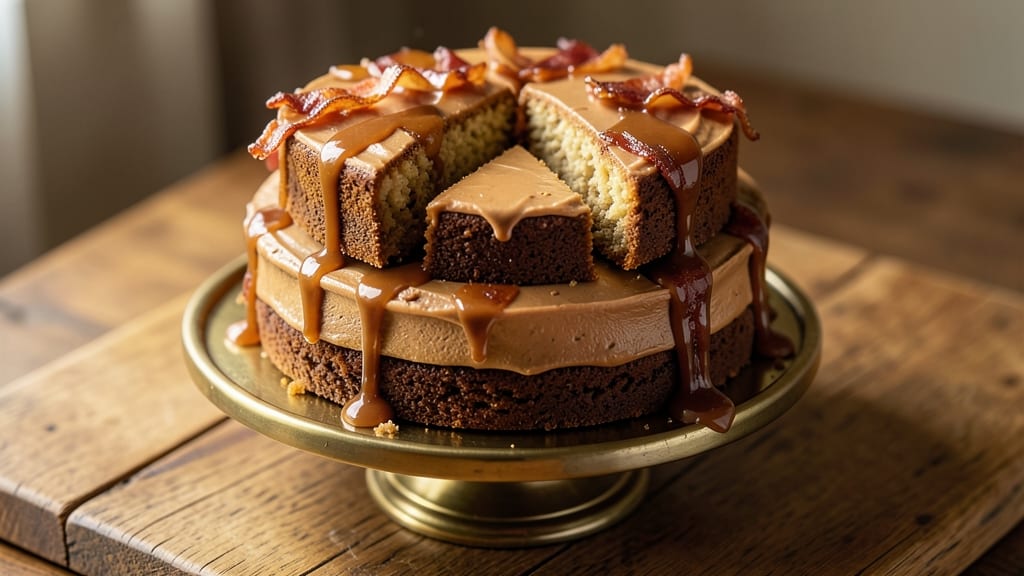
This bacon butterscotch cake flips dessert expectations by pairing rich butterscotch layers with crispy bacon crumbles—sweet, smoky, and impossible to resist. 🌟 The secret lies in balancing caramelized butterscotch flavor with salty bacon bits that cut through the richness, creating a texture that's moist, tender, and topped with a buttery crunch. I developed this recipe after years of experimenting with savory-sweet combos, and it's become a crowd-pleaser at every gathering.
The cake itself is a foolproof layered sponge, baked just until golden, then drenched in warm butterscotch glaze for maximum flavor infusion. The bacon topping isn't just for show—it adds a textural contrast that keeps every bite exciting. What makes this recipe special is how approachable it is: no fancy techniques, just precise measurements and a few key steps that deliver restaurant-quality results at home.
By the time you're done, you'll have a cake that looks stunning with its golden layers and crispy bacon topping, but tastes even better—rich butterscotch notes balanced by smoky bacon, all held together by a velvety glaze. The aroma alone will have everyone gathering around, and the first forkful will have them begging for the recipe.
Perfect for brunch, dessert after a savory meal, or even as a make-ahead showstopper for parties. The cake keeps well for 3 days, and the bacon topping can be prepped ahead, making this the ultimate stress-free dessert that still feels indulgent. Let's get baking!
Ingredients for bacon butterscotch cake
Twelve carefully chosen ingredients transform into a showstopping cake with smoky-sweet harmony.
| Ingredient | Amount | Notes |
|---|---|---|
| All-Purpose Flour 🌾 | 3 cups | Sifted for light texture |
| Granulated Sugar 🍚 | 2 cups | White or light brown |
| Packed Brown Sugar 🍚 | 1 cup | Dark brown preferred |
| Unsalted Butter 🧈 | 1 ½ cups | Room temperature, softened |
| Large Eggs 🥚 | 4 whole | Room temperature |
| Butterscotch Syrup 🍯 | 1 ½ cups | High-quality, caramelized flavor |
| Whole Milk 🥛 | 1 cup | Room temperature |
| Baking Powder 🧂 | 2 tsp | Aluminum-free preferred |
| Baking Soda 🧂 | ½ tsp | Freshly measured |
| Salt 🧂 | ½ tsp | Diamond Crystal preferred |
| Vanilla Extract 🌿 | 2 tsp | Pure, high-quality |
| Cooked Bacon 🥓 | 1 ½ cups | Crumbled, crispy |
| Pecans 🌰 | ½ cup | Chopped, toasted |
| Butter (for topping) 🧈 | ½ cup | Melted, cooled slightly |
| Powdered Sugar 🍚 | ½ cup | For glaze |
The butterscotch syrup is non-negotiable—Goya or Log Cabin deliver the deepest caramelized flavor. For the bacon, thick-cut applewood-smoked from Oscar Mayer or Hormel gives the best smoky punch. Cook it low and slow until crispy, then crumble while still warm to preserve texture. The pecans should be toasted in a dry pan for 3-4 minutes until fragrant—raw pecans add bitterness. For the flour, King Arthur or Gold Medal brands yield the lightest crumb. Pre-sifted flour saves time, but sifting at home ensures no lumps in your layers.
No butterscotch syrup? Substitute 1 cup brown sugar + 1/2 cup heavy cream, simmered until thickened. Swap pecans for walnuts or almonds, but toast them first. If you can't find applewood bacon, hickory-smoked works too. For a richer texture, add 1/4 cup sour cream to the batter. The glaze can be made with powdered sugar + milk if you're out of butterscotch syrup, but the flavor won't be as bold. Always use room-temperature eggs and butter—this ensures even mixing and proper layer rise. For a gluten-free version, substitute King Arthur gluten-free flour blend and reduce leavening by 10%.
Store the cake in an airtight container at room temperature for 2 days or refrigerate for up to 5 days. The bacon topping stays crispy for 24 hours if kept in a sealed container. For make-ahead parties, bake the cake 1 day ahead, then reheat slices for 20 seconds in the microwave to restore moisture. Freeze unglazed layers for 3 months—thaw overnight before adding glaze. The glaze sets best at room temperature, so let it sit for 10 minutes before serving. Portion into single slices for easy serving.
Why You'll Love This Recipe
- No Mixer Needed: I swear by this recipe when I’m too tired to cream butter and sugar—just melt the butter, mix the wet and dry ingredients with a spoon, then fold in crumbled bacon. The texture stays moist without a lick of effort.
- Salty-Sweet Magic: That first bite? Pure indulgence. The rich butterscotch swirl cuts through the smoky bacon, and the brown sugar crust caramelizes just enough to make it irresistible. Honestly, I’ve seen grown men fight over slices.
- Weeknight or Party Star: Make a single layer for a quick breakfast cake, or double it for a showstopping dessert—same recipe, totally different vibes. Between us, it’s my go-to for potlucks because it’s always a crowd-pleaser.
- Budget-Friendly Luxury: Uses pantry staples (hello, flour and sugar) and turns cheap bacon into the star. A full cake feeds six for under $10, and leftovers? Toast them for a breakfast sandwich the next morning—no waste, all flavor.
Step-by-step instructions for bacon butterscotch cake
Master these precise techniques for a moist butterscotch cake with smoky bacon crunch and caramelized pecan topping.
👨🍳 Step 1: Prepare the Cake Batter with Perfect Texture
In a large mixing bowl, combine the 3 cups all-purpose flour, 2 tsp baking powder, 0.5 tsp baking soda, and 0.5 tsp salt. Sift this mixture directly into a separate bowl to aerate the flour and prevent dense cake layers. This step creates the light, tender crumb that makes this cake so irresistible.
In another bowl, cream together the 1.5 cups unsalted butter and both sugars (2 cups granulated sugar and 1 cup packed brown sugar) using an electric mixer on medium speed until light and fluffy—about 3-4 minutes. This incorporates air that will help the cake rise properly. Scrape down the sides of the bowl occasionally to ensure even mixing. The mixture should look pale and nearly double in volume when finished.
🍳 Step 2: Incorporate Wet Ingredients for Rich Flavor
Add the 4 whole large eggs, one at a time, beating well after each addition until fully incorporated. Then stir in the 2 tsp vanilla extract and 1.5 cups butterscotch syrup. The batter will be thick and syrupy at this stage—this is normal and essential for that signature caramel flavor. Mix in the 1 cup whole milk until just combined, then gently fold in the 1.5 cups crumbled cooked bacon and 0.5 cup chopped toasted pecans using a spatula.
I recommend folding these ingredients by hand rather than using a mixer to avoid breaking the bacon pieces or overmixing the batter. The bacon adds a wonderful smoky contrast to the sweet butterscotch flavor, while the pecans provide a delightful crunch throughout each slice.
🥘 Step 3: Bake the Cake Layers with Precision Timing
Preheat your oven to 350°F and grease two 9-inch round cake pans with butter, then line the bottoms with parchment paper. Divide the batter evenly between the prepared pans. Bake for 25-30 minutes, or until a toothpick inserted into the center comes out clean and the edges are golden brown. Rotate the pans halfway through baking for even browning.
This cake benefits from being baked at a moderate temperature—too high and the exterior will brown before the center is fully cooked. The butterscotch syrup makes the cake moist, so we don't need to worry about overbaking. Let the cakes cool in the pans for 10 minutes before transferring to a wire rack to cool completely.
🔥 Step 4: Create the Signature Crunch Topping
While the cakes cool, prepare the topping by melting the 0.5 cup butter (for topping) in a small saucepan over low heat. Remove from heat and whisk in the 0.5 cup powdered sugar until smooth. Stir in the 0.5 cup chopped toasted pecans until evenly coated. This mixture will create a beautiful, crackly topping that contrasts perfectly with the moist cake layers.
Spread this topping evenly over one of the cooled cake layers, then place the second layer on top. The topping should be warm when applied to create that perfect caramelized crust. For extra decadence, you can also drizzle some of the remaining butterscotch syrup around the edges before serving.
Pro Tips For Making Bacon Butterscotch Cake
- Cream Butter Properly: Dump cold butter cubes into the sugar and pulse your mixer for 30 seconds before adding flour. I learned this the hard way—skipping it means lumpy batter and a cake that’s more dense than it should be. The butter needs to break down evenly so the butterscotch flavor actually shines through.
- Measure Brown Sugar Right: Pack that brown sugar hard—tap the measuring cup on the counter until it resists compression. Too little? Your cake turns out dry and crumbly. Too much? It’ll be sticky and sink in the middle. Use a spoon to level it off afterward, and don’t skip this step.
- Avoid Overmixing the Batter: Mix just until the flour disappears—about 20 seconds after that point. I used to beat it like I was punishing the dough, and the result? A tough, chewy cake instead of tender layers. The gluten develops fast, and you don’t want that here.
- Bake Until Internal Temp Hits 205°F: The cake will look set before it’s fully done—use an instant-read thermometer to check the center. At 205°F, it pulls away cleanly from the pan and has that perfect butterscotch moisture. Relying on toothpick tests alone? You’re asking for a gummy middle.
Common mistakes when making your bacon butterscotch cake
Overmixing the Batter
I’ve seen this happen more times than I can count—especially when people get nervous about mixing. The moment you overmix the batter, you’ll end up with a dense, tough cake instead of that light, airy texture we’re after. Once you’ve folded in the bacon and pecans, stop mixing as soon as everything is just combined. Use a spatula to gently fold, and resist the urge to give it extra stirs. The butterscotch syrup already makes the batter thick, so it doesn’t need extra work. 🥄
Skipping Room Temperature Ingredients
Room-temperature eggs and butter are non-negotiable for this recipe. Cold butter creates lumps that won’t cream properly, and cold eggs won’t emulsify smoothly. Take them out of the fridge about 30 minutes before baking. I’ve tested this cake with cold ingredients, and the results are noticeably less tender. Pro tip: Place eggs in warm water for 5 minutes if you’re in a hurry—they’ll reach room temperature faster.
Incorrect Baking Time or Temperature
Baking this cake at 375°F instead of 350°F will cause the exterior to brown too quickly while the center stays undercooked. Use an oven thermometer to confirm your oven’s accuracy—many home ovens run 25°F hotter than set. The toothpick test is key: insert it into the center, and if it comes out with a few moist crumbs (not wet batter), it’s done. Overbaking dries out the cake, so pull it out just as it passes the test.
Uneven Layers or Collapsed Cake
This usually happens when the pans aren’t greased properly or the batter isn’t divided evenly. Grease the pans with butter and dust with flour, tapping out excess. Use a kitchen scale for precision—weigh the batter in each pan to ensure identical portions. Another common mistake? Cooling the cakes too quickly. Let them sit in the pans for 10 minutes before transferring to a rack. This gradual cooling prevents cracking.
Glaze Too Runny or Too Thick
The glaze should coat the back of a spoon but still hold its shape. If it’s too runny, whisk in 1 extra tablespoon of powdered sugar. Too thick? Add 1 teaspoon of milk at a time until smooth. I’ve seen people skip the glaze entirely, thinking the butterscotch syrup in the batter is enough—but that syrup is for flavor, not decoration. A thin glaze ties everything together and adds that professional finish. 💫
Bacon Too Soft or Too Crunchy
Crispy bacon is essential for that perfect texture contrast. Cook it low and slow until it’s deep brown and crisp, then crumble while still warm. If it’s too soft, it’ll turn mushy in the batter. Store-bought bacon often has additives that make it less crispy, so I recommend thick-cut applewood-smoked bacon for the best results. For extra crunch, toast the crumbled bacon in a dry pan for 1-2 minutes after cooking before folding it into the batter.
Nutrition facts
Frequently asked questions
Can I make this cake without butterscotch syrup?
Yes! For a substitute, mix 1 cup brown sugar with ½ cup heavy cream and simmer until thickened. This will mimic the caramelized flavor, though it won't be identical. The texture of your cake layers may be slightly less moist, but the smoky-sweet balance will still shine through.
How do I store leftovers to keep the bacon topping crispy?
Store the cake in an airtight container at room temperature for 2 days—this preserves the bacon's crunch best. For longer storage (3-5 days), refrigerate but cover the cake loosely with plastic wrap to prevent condensation. Reheat slices for 20 seconds in the microwave to restore moisture without losing crispiness.
Can I use a different nut instead of pecans?
Swap pecans for walnuts or almonds, but toast them first to enhance flavor. Avoid raw nuts—they can add bitterness. For a nut-free option, omit them entirely or add ½ cup crushed graham crackers to the topping for extra crunch. The texture contrast is key to balancing the cake's richness.
Why does my cake have a dense texture?
Overmixing is the most common culprit—stop folding once the bacon and pecans are just combined. Another issue could be cold ingredients: ensure eggs and butter are at room temperature (30 minutes out of the fridge). Finally, check your leavening agents (baking powder/soda)—expired ones lose potency and yield dense cakes.
Is this cake suitable for brunch or just dessert?
This cake is perfect for brunch! The smoky bacon pairs beautifully with sweet butterscotch, creating a flavor profile that works with coffee or mimosas. For a brunch twist, add a dollop of whipped cream and a sprinkle of flaky sea salt to each slice. The rich flavors also make it a showstopper for holiday gatherings or dinner parties.